Making your home green is more than just improving the building itself, but taking into account the whole property. Your garden is a canvas for you to create an oasis of sustainability that will provide food for you, enhance soil health, act as a carbon sink and add oxygen back to the planet.
But not all gardens are created equal. A sustainable garden is one that consumes less water, minimizes waste, supports biodiversity and fosters a healthier environment. Whether you’re gardening in a spacious yard or on a small balcony, there are many ways to design a garden that’s both beautiful and eco-friendly. Here we explore several of these options with a look at the sustainability benefits of each.
Xeriscaping
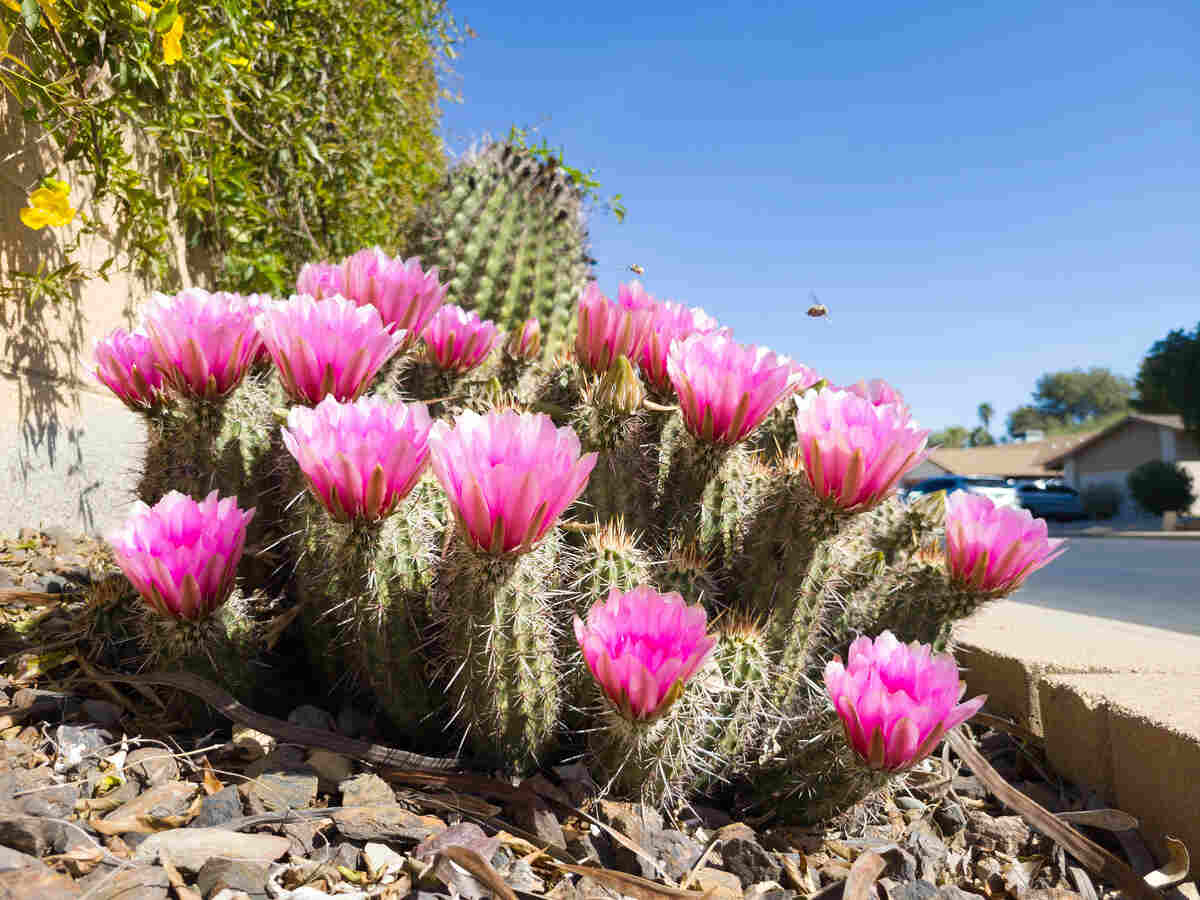
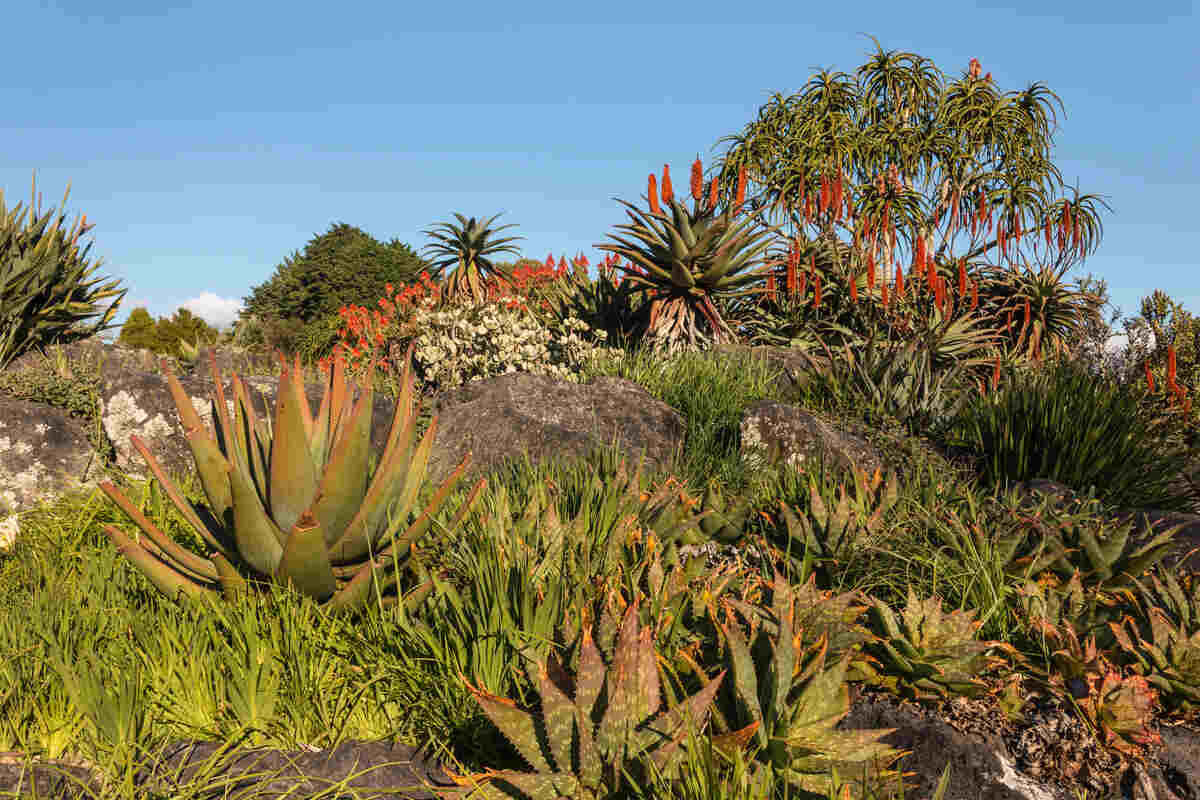
Xeriscaping is often regarded as the gold standard for sustainable gardening, particularly in areas with limited water resources. This method focuses on selecting drought-tolerant plants that require minimal irrigation once established, significantly reducing water usage. The main sustainability benefit of xeriscaping lies in its ability to thrive without extensive watering, which is a major factor in water conservation efforts.
Besides being water-efficient, xeriscaping also promotes biodiversity. Native and drought-resistant plants are often more resilient to pests, reducing the need for chemical pesticides and fertilizers. This results in lower maintenance requirements compared to traditional gardens. Xeriscaped gardens are often more energy-efficient as well, as they generally require less upkeep, including mowing, which typically involves gas-powered equipment. With a variety of drought-tolerant plants like succulents, lavender and yucca, xeriscaping provides a low-impact yet beautiful landscaping option that’s ideal for those interested in sustainability.
Hydroponics
Get the Green Building Project Checklist
Use this handy checklist on your next project to keep track of all the ways you can make your home more energy-efficient and sustainable.
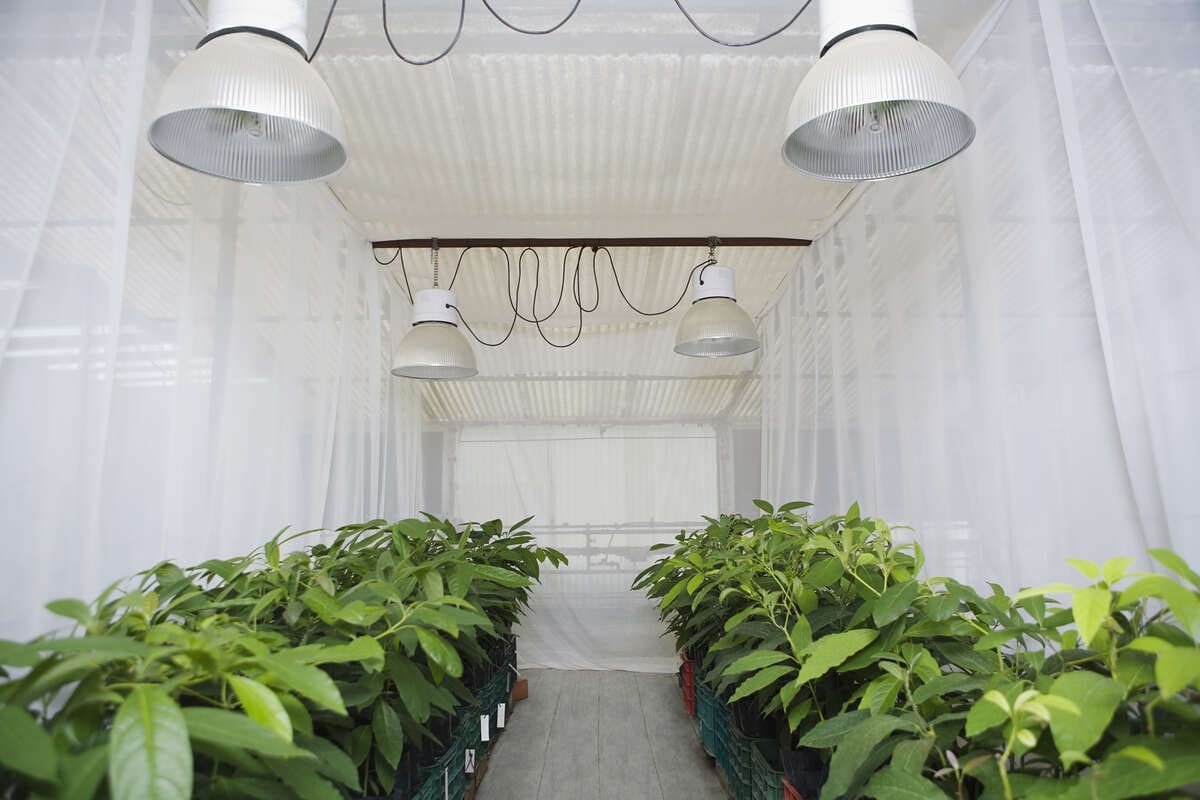
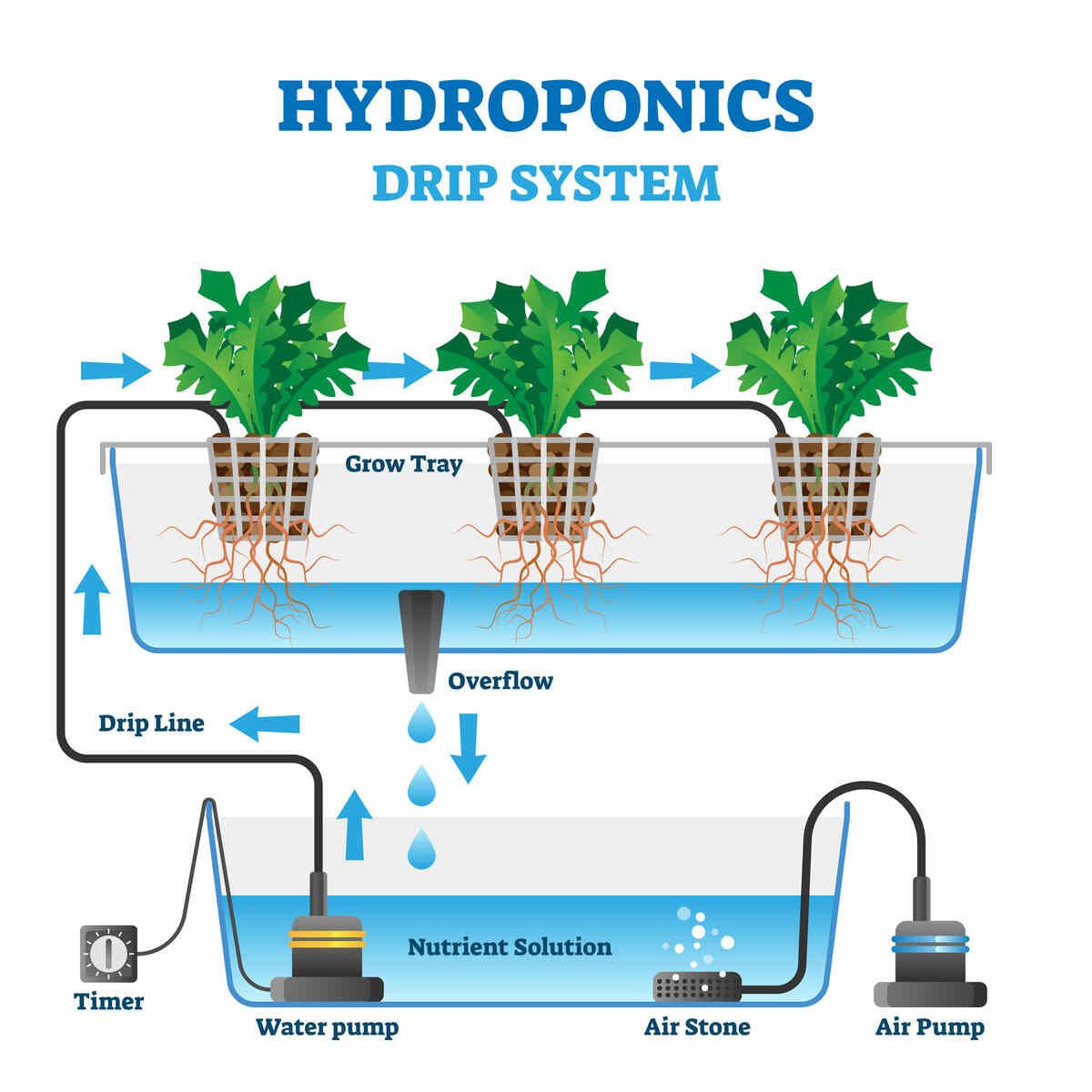
Hydroponics allow plants to grow without soil by using a nutrient-rich water solution. One of the biggest advantages of hydroponics is its ability to drastically reduce water use. Traditional soil-based gardening can waste large amounts of water due to evaporation and runoff, but in a hydroponic system, water is continuously recycled, minimizing waste. Hydroponic systems use up to 90 percent less water compared to conventional gardening methods, which is a critical feature in areas prone to drought.
Hydroponics is also highly space-efficient, making it a viable option for urban environments or homes with limited garden space. These systems can be set up indoors or on a rooftop, allowing homeowners to grow fresh vegetables and herbs even in small spaces. Hydroponic gardening systems tend to be faster and more productive than traditional gardening, with plants growing more quickly and yielding higher amounts of produce in less space.
Plants grow up to 50 percent faster in hydroponic systems since they receive nutrients directly. No need for them to waste energy searching for food in the soil. Another major bonus with hydroponics is that without soil, many common plant diseases and pests are eliminated, meaning less need for pesticide, resulting in healthier food that’s better for the environment.
While the initial setup costs can be higher, the long-term benefits of water conservation, reduced pesticide use and high productivity make hydroponics a sustainable option.
Permaculture
Permaculture is a sustainable design system that seeks to mimic natural ecosystems to create self-sustaining gardens. The goal of permaculture is to design gardens that require minimal intervention by carefully considering the needs of plants, animals and the environment. Water conservation is one of the cornerstones of permaculture, with techniques like rainwater harvesting and swales (shallow trenches) to direct water to where it’s needed most.
Permaculture promotes biodiversity by including a wide range of plant species, which attracts beneficial insects and wildlife that help with natural pest control. The diversity of plant life also helps prevent soil depletion, as different plants have varying root depths and nutrient requirements.
Permaculture gardens tend to be low-maintenance, reducing the need for fertilizers and pesticides. The integration of animals, like chickens or bees, can also enhance sustainability by producing natural fertilizer, pollinating plants and providing food for the household. Permaculture’s holistic approach to gardening not only supports sustainability but also helps build resilience against pests, diseases and extreme weather conditions.
Native Plant Gardens
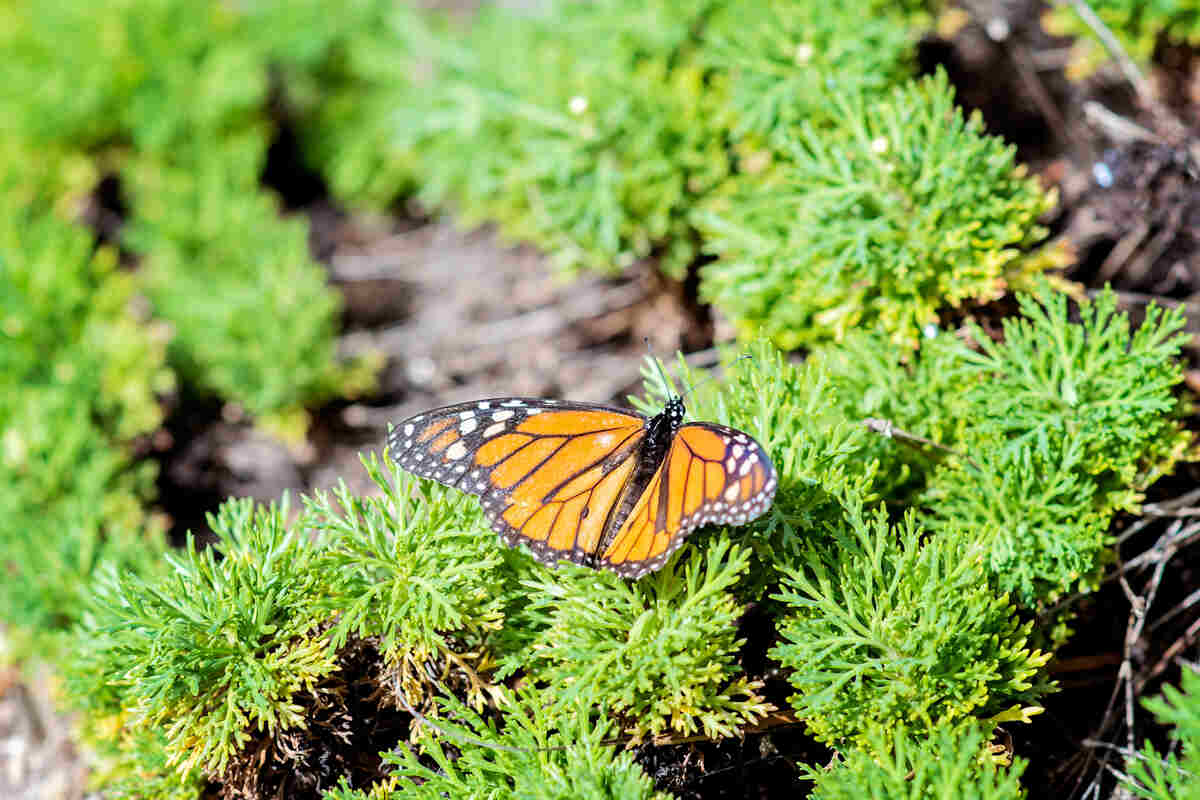
Native plant gardens focus on using plants that are native to your region. These plants are naturally adapted to the local climate, soil and wildlife, making them a more sustainable choice for gardeners who want to conserve resources. Native plants typically require less water, fertilizer and pest control as they are already suited to the environment.
Native plant gardens support local ecosystems. By attracting native pollinators like bees, butterflies and birds, these gardens help foster biodiversity. Moreover, native plants tend to be more resilient to pests and diseases, reducing the need for chemical interventions. The deep root systems of many native plants also help improve soil health by preventing erosion and promoting water infiltration. Native plant gardens are ideal for homeowners who want a low-maintenance, water-efficient garden that contributes to the preservation of local wildlife.
Raised Bed Gardening
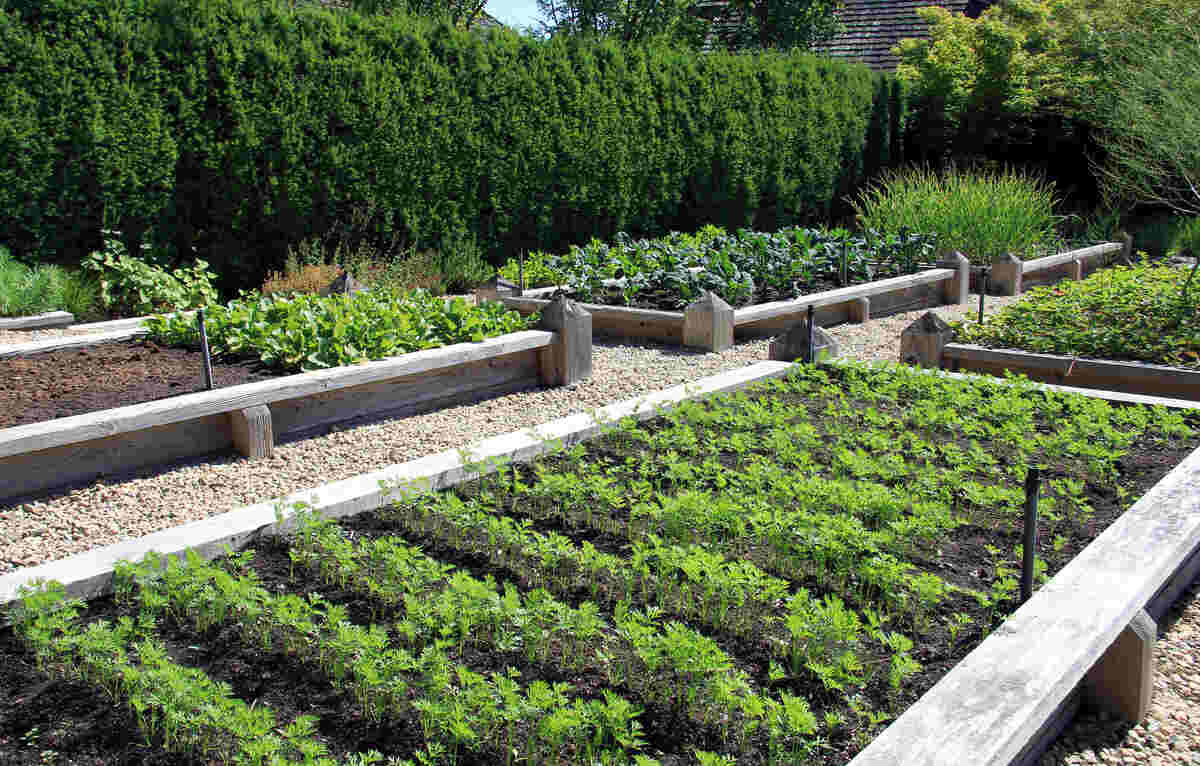
Raised beds are elevated above the ground and enclosed in some way (e.g. a wooden planter) and filled with high-quality soil, allowing for better control over nutrients, drainage and weed management. Raised beds can be placed directly on the soil or built with a bottom layer to separate them from the ground, making them adaptable to various spaces, including backyards and urban settings.
From a sustainability perspective, raised beds offer multiple advantages. They help conserve water by reducing runoff and allowing for deep root growth, which improves moisture retention. The soil in raised beds stays loose and aerated, reducing the need for tilling, which in turn helps maintain beneficial microorganisms and organic matter. Since they provide better drainage, raised beds are also less prone to waterlogging, reducing disease risks. Raised beds also minimize weed growth since they have defined borders and can be filled with weed-free soil. Additionally, they reduce soil compaction since there’s no need to walk on the planting area.
Sustainability can be further enhanced by using reclaimed materials for bed construction, such as repurposed wood or bricks, and integrating composting to enrich the soil naturally. Raised beds also work well with drip irrigation systems, making watering more efficient and reducing evaporation compared to traditional row gardening. Overall, raised bed gardening ranks high in sustainability due to its efficient use of resources, improved soil health and reduced water waste.
Vertical Gardening
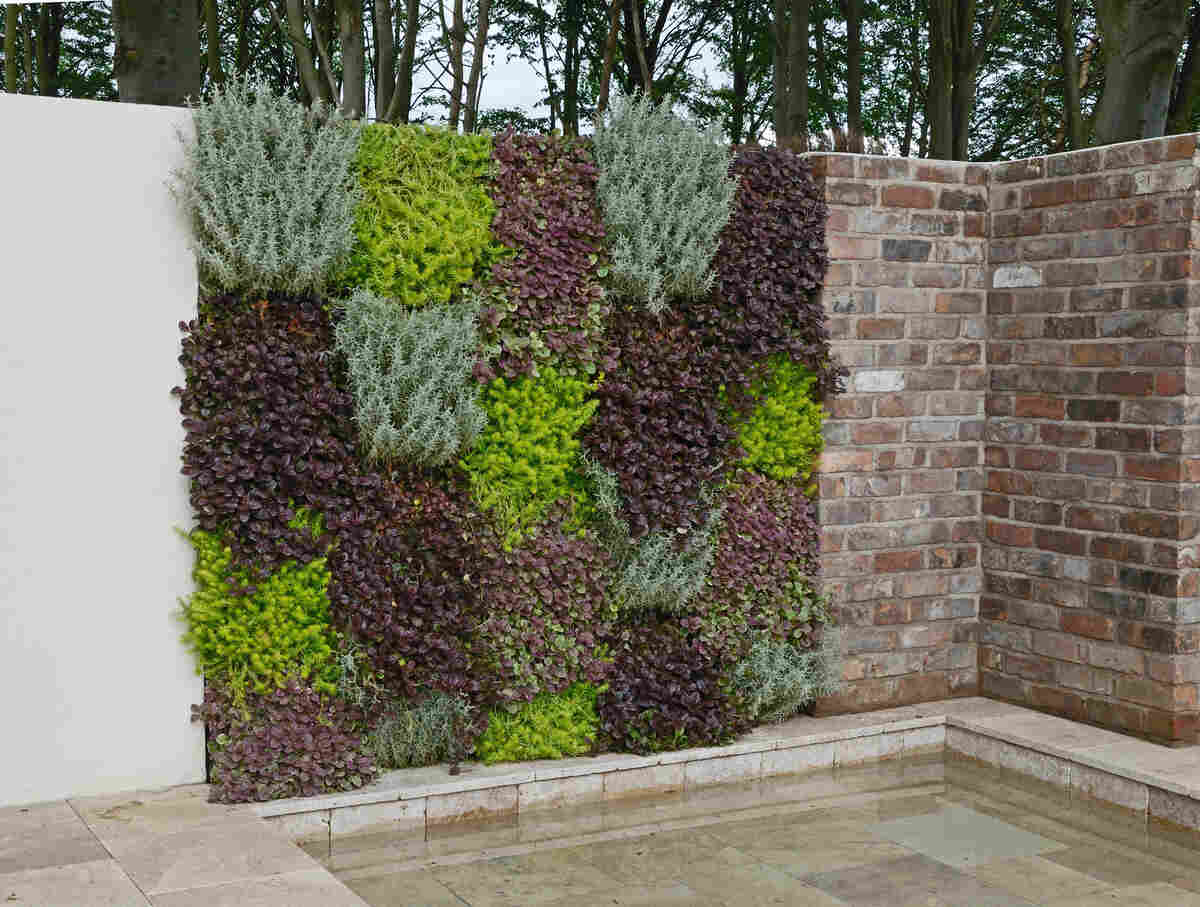
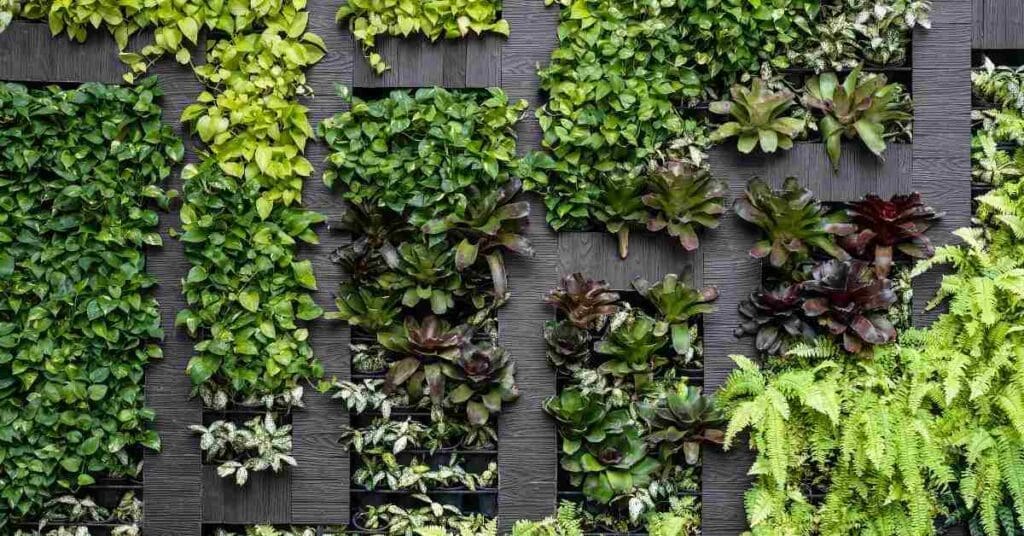
Vertical gardening is a space-saving technique where plants grow upwards on trellises, green walls, stacked planters or hanging structures rather than spreading out horizontally. It’s a particularly popular option for urbanites with limited space, such as apartment dwellers who have balconies, but it can also be used in larger home gardens to maximize growing areas.
By growing upwards instead of outwards, gardeners can grow more food or plants in a smaller footprint, reducing land use. Additionally, vertical gardening reduces water consumption when paired with drip irrigation systems or self-watering containers, as water is directed efficiently to the plant roots, minimizing waste.
Vertical gardens also improve air quality and biodiversity by introducing more plant life into urban areas. In cities, living green walls can help reduce heat absorption in buildings, contributing to energy efficiency by keeping spaces cooler and reducing the need for air conditioning. Some vertical garden designs even integrate rainwater collection systems, further improving sustainability.
Another key advantage is that vertical gardening can be combined with hydroponics or aquaponics, making it even more sustainable by eliminating soil use and maximizing nutrient efficiency. Additionally, vertical gardens can help reduce pests and diseases since plants are elevated and receive better air circulation.
However, vertical gardening requires an initial setup investment for structures, supports and irrigation. But once established, vertical gardens increase food production, conserve water and make gardening more accessible, making them a highly sustainable choice for both urban and suburban homes.
Square Foot Gardening
Square foot gardening is a method of growing a variety of plants in a small, highly efficient space. In this system, a garden bed is divided into square-foot sections, and each section is planted with a specific number of crops based on their size and growing habits. This method maximizes the use of available space and reduces the need for excessive irrigation, as plants are spaced closely together to prevent water evaporation.
Square foot gardening also reduces the need for synthetic fertilizers and pesticides. The dense planting encourages a healthier ecosystem by supporting beneficial insects and creating a natural balance.
In addition, the small garden beds are easy to maintain and require less effort than conventional garden rows. By optimizing plant density and minimizing water use, square foot gardening is an ideal choice for those looking to create a sustainable, space-efficient garden.
Food Forests
A food forest is a permaculture-based garden designed to mimic the structure of a natural forest while providing a wide variety of edible crops. Food forests use layers of vegetation – such as canopy trees, understory trees, shrubs and ground covers – to create a diverse ecosystem that supports both plant and animal life. Food forests promote biodiversity, improve soil health and conserve water.
In a food forest, plants work together to create a self-sustaining system. For example, nitrogen-fixing plants enrich the soil, while fruit-bearing trees and shrubs provide food for the household. This ecosystem reduces the need for external inputs, such as fertilizers and pesticides, while promoting natural pest control. Once established, a food forest requires minimal maintenance and provides food year-round. It’s a perfect option for larger properties where homeowners can dedicate space to creating an edible, sustainable ecosystem.
Aquaponic Gardening
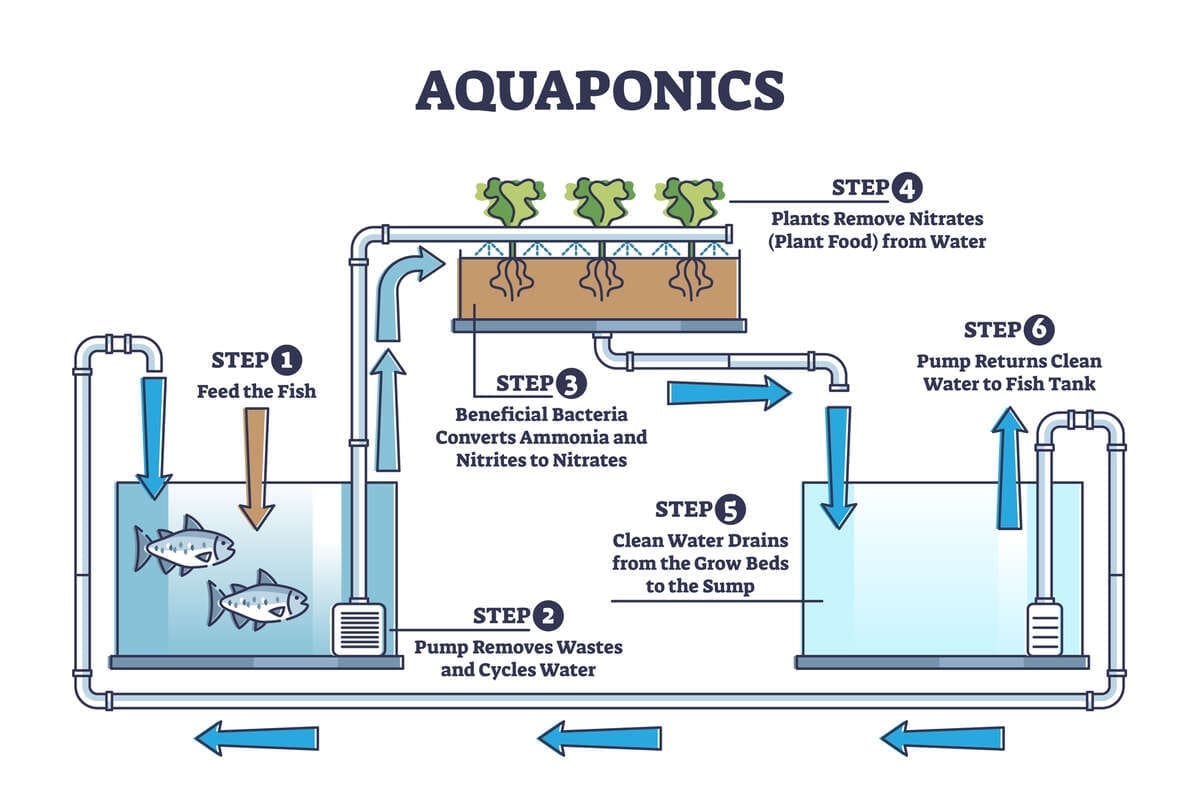
Aquaponics is an innovative gardening method that combines hydroponics (growing plants in water without soil) and aquaculture (raising fish) in a closed-loop system. In an aquaponic system, fish produce waste, which is broken down by beneficial bacteria into nutrients that plants can absorb. In return, the plants help clean the water for the fish, creating a self-sustaining environment.
The sustainability of aquaponics lies in its water efficiency – like hydroponics it uses up to 90 percent less water than traditional soil-based gardening since water is continuously recycled through the system. Unlike conventional farming, where much of the water is lost through runoff or evaporation, aquaponics retains and reuses nearly all its water. Additionally, aquaponics eliminates the need for chemical fertilizers because fish waste naturally provides nutrients, making it an organic and chemical-free growing method.
Another key advantage is that aquaponic systems require less space than traditional gardens, making them ideal for urban environments or areas with poor soil quality. They can be set up indoors, on rooftops or in greenhouses, allowing for year-round production of vegetables and herbs. Furthermore, since plants grow in water rather than soil, there is no risk of soil degradation or erosion, making aquaponics an excellent long-term sustainable gardening method.
While aquaponics has many benefits, it does require an initial investment in equipment such as tanks, pumps and grow beds, and it requires electricity to run water pumps and aeration systems. However, these systems can be powered by renewable energy sources like solar panels, further improving sustainability. Despite the initial costs, the long-term water savings, organic production and continuous food supply make aquaponic gardening a highly sustainable and efficient method.
Images from Depositphotos