
When summer rolls around, so do higher temperatures and, unfortunately, higher energy bills. Between keeping the house cool, staying comfortable and spending more time indoors, energy consumption spikes during the warmer months. But it doesn’t have to be that way.
With a few simple changes and smarter habits, you can beat the heat without blowing your budget. Whether you’re a homeowner or a renter, these energy-saving tips can make a noticeable difference.
Here are some of the best ways to save energy during summer – without sacrificing comfort.
1. Use Your Air Conditioner Wisely
Air conditioners are one of the biggest contributors to high summer energy bills. While they’re often necessary, there are ways to use them more efficiently:
Set it higher – Every degree lower can increase your energy use by up to 5 percent. Keeping the thermostat at a moderate level strikes the right balance between comfort and cost. A recommended temperature is anywhere between 24-27°C. That might sound higher than you’d think, but you’d be surprised how well your body can adapt to higher temperatures if given the chance. For a more detailed look at this topic, read our article The Ideal Temperature to Set an Air Conditioner for Both Comfort and Energy Saving.
Use a programmable thermostat – Programmable thermostats allow you to create customized heating capabilities and cooling schedules for different times of the day, optimizing energy usage.
Close doors and windows – Make sure cool air stays inside. Sealing gaps and using draft stoppers on doors helps prevent warm air from sneaking in.
Get the Green Building Project Checklist
Use this handy checklist on your next project to keep track of all the ways you can make your home more energy-efficient and sustainable.
Clean the aircon filter regularly – A dirty filter forces the system to work harder. Establishing a regular cleaning aircon filter routine – ideally every month during heavy use – can improve airflow and reduce strain on the unit.
2. Harness the Power of Fans and Ventilation
Ceiling fans and portable fans use far less electricity than an air conditioner. When used properly, they can help distribute cool air more effectively. Try using fans with your AC – this allows you to raise the thermostat a few degrees while still feeling cool and set ceiling fans to rotate counterclockwise. This pushes cool air downward and helps with circulation. Also remember to turn fans off when not in the room. Fans cool people, not air. If no one’s there, you’re just wasting energy.
Even if you don’t have fans, you can practice cross ventilation in your home by opening up windows, particularly ones opposite each other. This works best when you open the windows in the late evening to let in cool air then close them in the morning before things heat up too much. You might find that fans or ventilation alone will be enough to cool you down, particularly at night. Particularly if you’re trying to go without AC, wear breathable clothing indoors and use lightweight bedding at night and drink lots of water to stay cool. It makes a difference!
3. Block Out the Sun
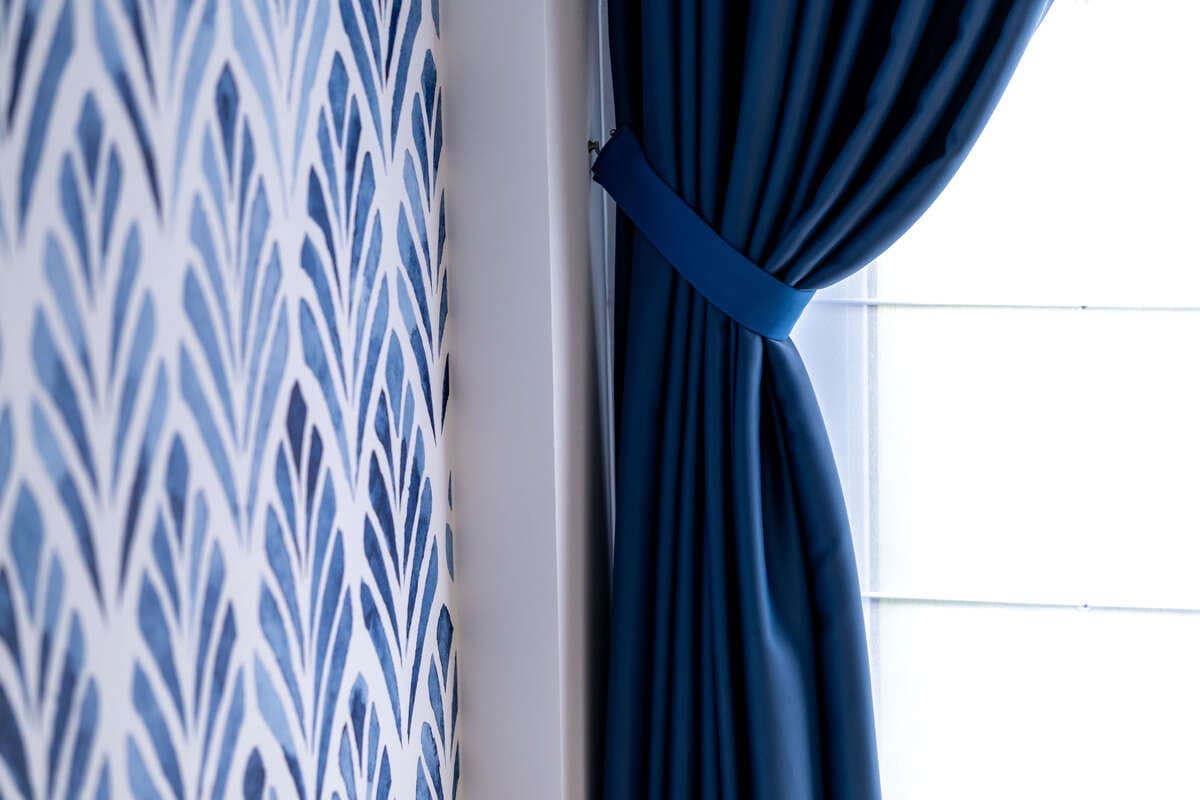
One of the easiest ways to cool your home is to stop the sun from heating it up in the first place so make sure to close blinds and curtains during the day – especially on south and west-facing windows. If your budget allows, invest in blackout or thermal curtains as they provide insulation and keep indoor spaces cooler.
Also consider external shading. Awnings, shutters and shade sails are great options for outdoor sun control. Even planting trees or tall shrubs near windows can help.
4. Unplug Unused Electronics
Even when they’re turned off, many electronics continue to draw power. This “phantom energy” might seem small, but it adds up, especially in homes with lots of devices. So unplug chargers, kitchen appliances and entertainment systems when not in use or use smart power strips as they cut power to devices when they’re idle. Also, avoid standby mode. It’s convenient, sure, but it’s not energy efficient.
5. Rethink Your Lighting
Summer days are long and bright so take advantage of that natural light and reduce your reliance on artificial sources. You can do that by opening curtains in the morning and turning off lights during the day. If you haven’t done so already, switch to LED bulbs as they use about 75 percent less energy than incandescent ones and give off less heat.
And use task lighting instead of overheads whenever you can. If you’re reading, working, or cooking, focus light where you need it instead of lighting the whole room.
6. Be Smart in the Kitchen
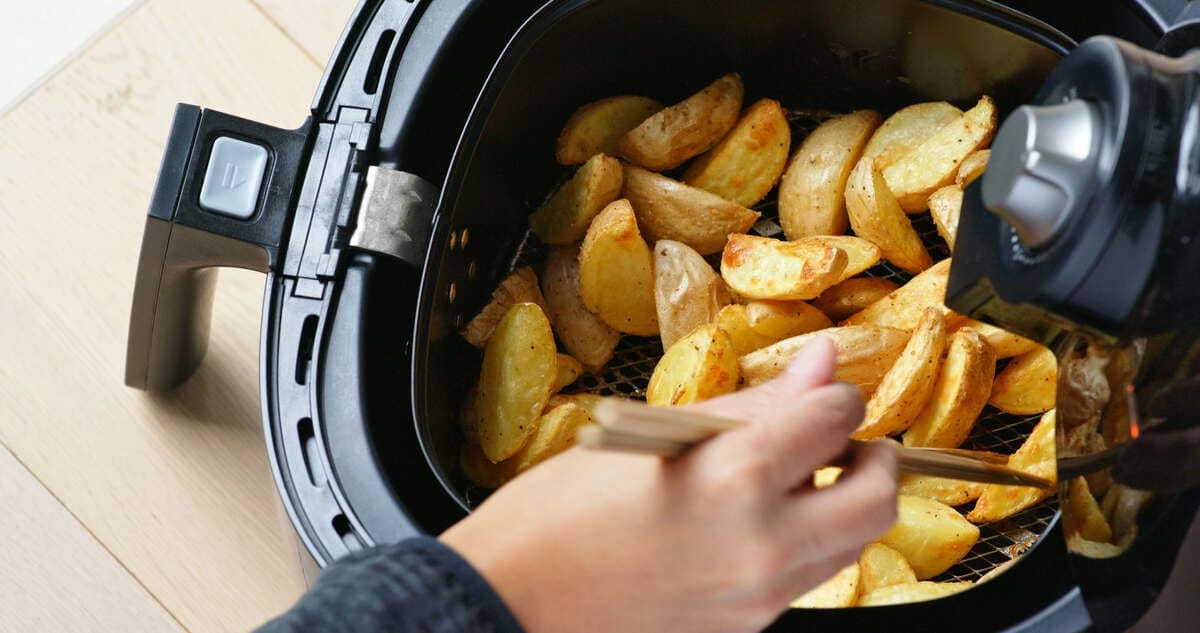
Summer is not the time to be roasting casseroles or simmering soup all day. Cooking generates heat, which makes your cooling system work harder. Try these alternatives:
- Use the microwave or air fryer – Both are much more energy-efficient and won’t heat up the kitchen.
- Cook outdoors – Fire up the barbecue or prepare cold meals like salads and sandwiches.
- Use lids on pots to cook food faster and retain moisture.
- Run the dishwasher at night when it’s cooler and skip the heated dry cycle – air drying works just fine.
7. Wash Smarter
Your laundry habits also affect your energy use, especially in summer. Try washing your clothes in cold water as most of the energy used by washing machines goes into heating water. It’s best to air dry when possible since dryers use a ton of energy. Hang your laundry outside and let the sun do the work. As an added bonus for doing this: your clothes will smell fresh without needing a dryer sheet!
Also remember to only run full loads. This applies to both the washer and the dishwasher. Fewer, fuller loads save more energy than frequent, partial ones.
8. Seal and Insulate
Good insulation isn’t just for winter. In summer, it helps keep hot air out and cool air in. So check seals around doors and windows, replacing worn weatherstripping can make a big difference. Add insulation to your roof or attic. Since hot air rises, if you don’t have proper insulation, it heats up the top of your home like an oven. Also use door snakes or draft blockers for rooms you’re not using.
9. Use Solar Wisely
If you’ve got solar panels installed, summer is when they shine – literally. So make use of that solar energy wisely by running energy-intensive appliances (washing machine, dishwasher, etc.) during the day when your panels are generating power. You can also charge your devices during sunlight hours and unplug them at night. As well, consider battery storage if your system allows it – that way you can use solar energy even after the sun goes down.
Saving energy in summer isn’t about giving up comfort – it’s about working smarter with what you have. Most of these tips require little to no investment and can be implemented right away. Over time, they can lower your bills, reduce your environmental footprint and help your home feel more comfortable during even the hottest days.
So next time you reach for the aircon remote, take a moment to think: is there a smarter way to stay cool? Chances are, there is – and your wallet will thank you for it.
Images from Depositphotos

thanks for the great article, keep up the good work