Property beautification is a top priority for many homeowners in Canada. However, not everybody who does landscaping and hardscaping observes green practices.
This is troublesome for the environment, because an industry this big is sure to generate a large carbon footprint. But the good news is you don’t have to harm the environment to achieve your landscaping goals.
Making sure your yard is environmentally friendly is an essential part of keeping a sustainable home. You just have to observe these effective strategies to make your yard even greener.
Cut Energy Consumption
Landscape maintenance can be hard work so it’s only natural that power equipment is used to ease that burden. However, such equipment is just as emissions-heavy or power-hungry as it is convenient. That’s why green gardening advocates are pushing for more strategic landscaping choices to reduce the need for lawn mowers, chainsaws and blowers.
The simplest way to do this is to avoid using powered gardening equipment altogether. Going back to basics with push mowers and hedge clippers can serve as a great workout. Or if you simply don’t have the time or energy not to use machines, you can perform maintenance less often and choose plants and grasses that grow slowly.
When you mow grass, try not to cut too short. Taller grasses can help prevent weeds from growing. You might also want to consider scaling down the scope of your garden with a more minimalist layout.
If you have to use power equipment opt for battery-powered over gas-powered. The technology has come a long way in recent years to the point that most tools are as powerful or almost as powerful as their gas-powered brethren. Being relatively equal in power you also get a lot more. Electric tools are much quieter, leading to less noise pollution (not to mention happier neighbours), they do not emit harmful air pollutants, they don’t burn gas or oil and they’re a lot easier to maintain. They do use electricity, however. One way to ease the burden of their power demand is to install a solar photovoltaic system and then charge your tools when the sun is out. If you can’t install a large system for your house, you could even just get a single panel installed on your shed’s roof.
Get the Green Building Project Checklist
Use this handy checklist on your next project to keep track of all the ways you can make your home more energy-efficient and sustainable.
There’s another way you can reduce energy use in your yard. If you’re using night lights, you can swap them for solar-powered ones. Or if you have a solar PV system, hook them up to that.
If solar-powered lights don’t appeal to you and you don’t have a solar array, consider low voltage, low-intensity lighting. You can add motion sensors and a timer to prevent the overuse of electricity. Low voltage lighting also does not harm the wildlife that frequents your yard.
Reduce Solid Waste
One of the biggest things that raise the carbon footprint of a garden is the solid waste generated during care and maintenance. To combat this, you can reduce the amount of bagging you do by simply letting trimmings rot where they fall or by using compost.
Letting trimmings lie where they fall has the added bonus of enriching the soil as this organic matter decomposes. Using biodegradable bags for yard waste does help a lot, but if your area doesn’t have yard waste collection, you’d still be burdening the waste management system by throwing a lot of bulky bags away.
One great way to make use of clippings and trimmings is by making them into mulch. Like compost, mulch also boosts the nutrient intake of your garden. But since it goes on top of grass and plants, it has the additional benefit of preserving moisture by providing shade to the soil and acting as a buffer to prevent evaporation. It also helps carry away residue from chemicals such as pesticides, and can even mitigate erosion.
One last trick to reduce solid waste is to buy supplies in bulk to reduce the amount of packaging you throw away.
Fill Your Garden with Native Plants
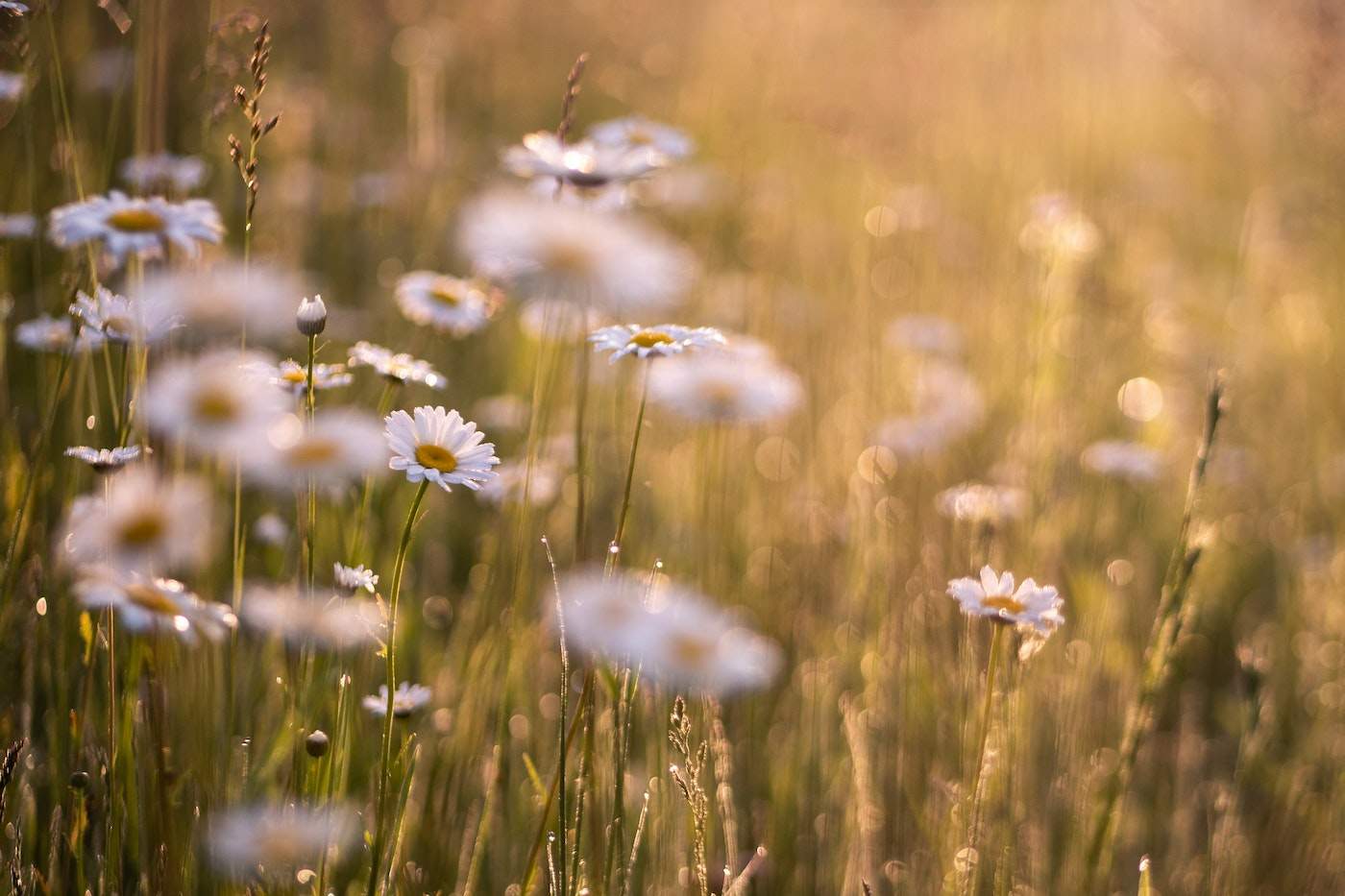
A garden is easiest to manage when each kind of flora in it thrives effortlessly. The best way to ensure this is to fill it with plants native to the region you’re in.
You can even take it a step further by seeking out plants that the local wildlife likes to use as a habitat. Developing a biodiverse ecosystem in your garden comes with a lot of benefits that could make your garden a lot more vibrant.
If you ever need to remove your plants or trees and you can’t do it yourself, make sure to get an eco-friendly land clearing service to do it for you. That way, your carbon footprint doesn’t spike in the process of making your garden more environmentally friendly.
Focusing on planting native flora will also let you sidestep the issue of introducing invasive species into your area, which isn’t usually everyone’s first thought when considering how to garden in a greener way.
Keep in mind, however, that native plants can also be quite aggressive. The best thing for most people here would probably be to find the right mix of native species and foreign ones that can readily adapt to the environment.
Invest in Recycling
Another major contributor to the carbon footprint of landscaping is the manufacture of materials and tools. Look into ways you can incorporate recycled or reused materials into your landscaping.
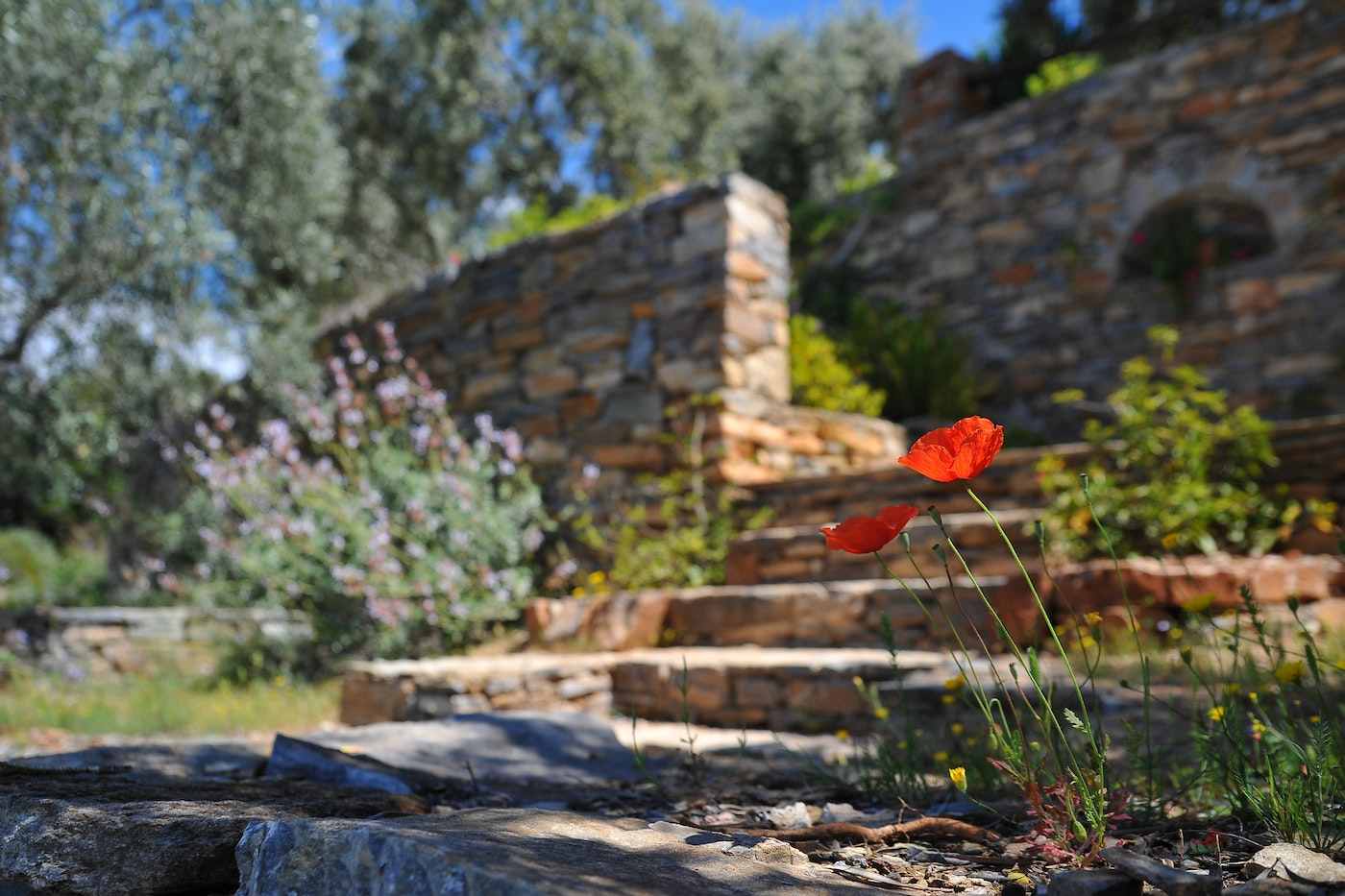
Perhaps you can use reclaimed wood to construct compost bins or raised beds, or reuse bricks and concrete pieces to build a stone path. If you must buy new, try to find suppliers that employ sustainable harvesting.
If you have few recycling options available to you, even simple things like borrowing or renting tools would help you contribute a small part to reducing resource consumption.
Minimize Water Consumption
Lack of water remains a pressing issue the world over. You can do your part in fighting it by keeping an eye on your garden’s water consumption.
Remember that many species, especially grasses, have natural adaptations to the summer heat, allowing parts of themselves to dry up as they lie dormant in wait for rain in cooler seasons. It helps a lot if you choose species that require less water over those that need lots of it year-round. Remember to make full use of mulch to retain moisture as well.
When you do water your plants, make sure that you give them a deep soaking. This encourages them to grow their roots deeper, which lets them take more water out of the ground, thus helping them weather the toughest of droughts without drying out.
This means they’ll stay green for longer between waterings, which you should do as little of as possible if you want to shrink your water footprint.
There are also certain strategic ways to plan your garden so that you can reduce water consumption. One of the best ones is by making a rain garden, which essentially comes down to placing the garden in a depressed area to allow it to collect water through runoff from your roof and elsewhere in the property.
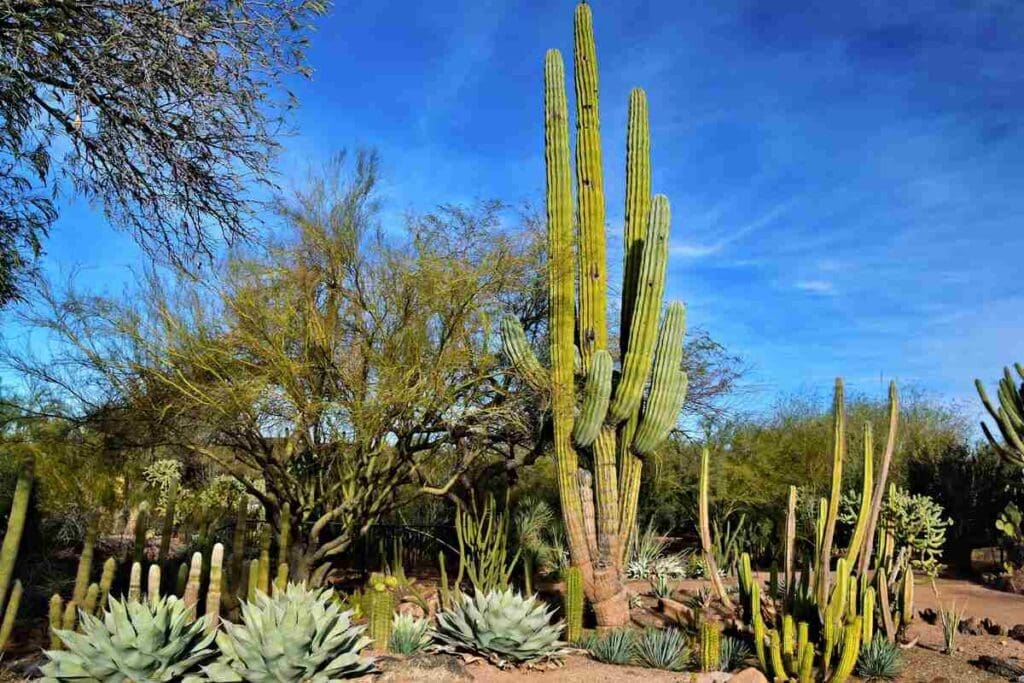
You can also explore xeriscaping, which is a kind of landscaping employed in dry regions where drought is common. Or you can simply collect rainwater in a barrel or water storage tank and use this to take care of your watering needs.
Add More Trees and Shrubs
The best landscaping doesn’t use much water. Not having a huge grass lawn will save you money because you don’t have to water it.
Landscaping with trees and tall shrubs is not only striking, depending on where they are planted, but it can also help you cut your energy bills. If you plant them in a manner that shades the house, for example, you won’t have to use as much air conditioning.
If you’re in a dusty environment, your installation can prevent dust from entering your home. This keeps your home clean, maintains good air quality and protects people in your home with allergies.
Help Water Re-Enter the Ground Supply
Select a landscaping installation that allows water runoff to re-enter the ground supply.
When human beings cover the earth with concrete, asphalt, and the like, we prevent it from joining the cycle to become groundwater. This creates strain on a city’s stormwater management systems, and on local waterways, since runoff from driveways, patios, roofs and the like can end up, untreated, in local water sources when systems get overwhelmed.
Designing your installation with a permeable base layer can allow rain to enter the ground, which filters the water as it rejoins the water table.
Prevent Soil Erosion
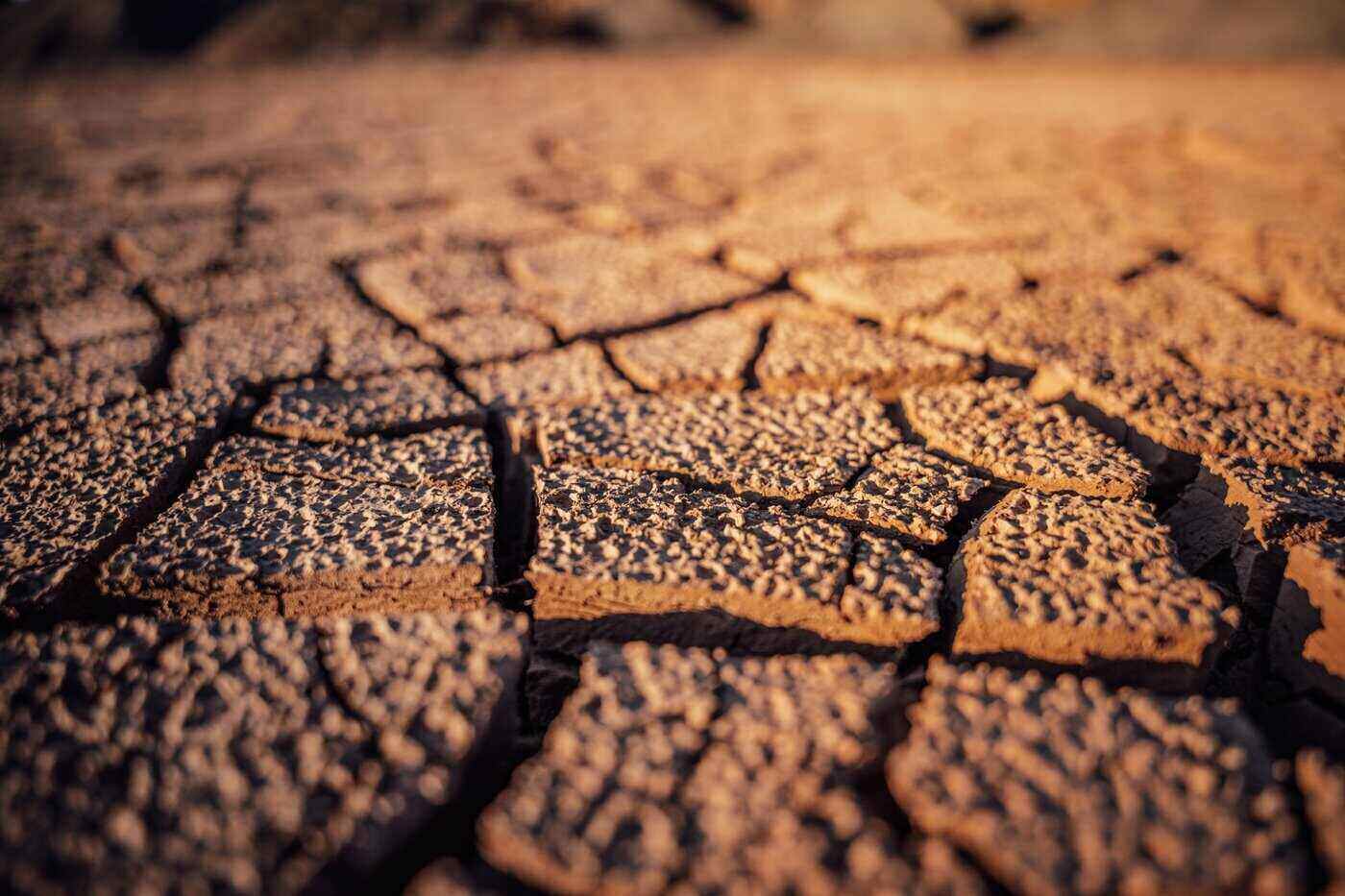
This is especially important if you live on a slope. Over the years, rainfall causes the soil around your home to wash away. This could eventually threaten the foundation. Using a layered plant installation, you can hold the soil in place. Water can be absorbed, instead of rushing down the slope, carrying the soil with it.
Preserve Soil Integrity and Improve Soil Quality
A well-maintained landscape installation can add nutrients to your soil if it is well maintained. Amending the soil by mulching regularly will improve its quality and foster a community of beneficial insects and microorganisms (to read about keeping detrimental pests out of your home and garden, visit our guide to Green Pest Control Options). Find ways to reuse other yard waste to fertilize your installation rather than relying on chemical fertilizers.
Encourage Bees
Unless you’re allergic to insects, it’s a good idea to help the bees by putting native, pollinator-friendly plants in your yard. Putting plants they are attracted to in your yard, and choosing plants that bloom at different times of the year, will guarantee that they have enough to eat year-round, helping to repopulate species in the wild.
The number of green tactics you can employ is limited only by your imagination. As long as you remember your sustainability fundamentals, you’ll be guided along the path to eco-friendly landscaping and yard management. For even more ideas than the ones suggested above, check out How to Renovate Your Home’s Exterior to Make It More Environmentally Friendly.
Feature image: mali maeder; Image 1: Aaron Burden; Image 2: Rory McKeever