Stormwater has the uncanny ability to avoid inconveniencing the party creating the problem and transferring it to innocent neighbours downstream. I experienced this when a retirement development was established on the neighbouring property, and the gentle stream that ran through my land was transformed into a raging torrent whenever we had more than half an inch of rain.
So, what can be done to alleviate rainwater runoff in the urban environment? A surprising number of interventions can be implemented to reduce stormwater runoff. Simply replicating what nature has devised offers wonderfully efficient remedies for the problem while reducing the threat of adding pollutants to wetlands and water sources.
And there’s no better time to build green infrastructure for stormwater management than now. According to Bruce Taylor, President of Enviro-Stewards, “The number-one insurance claim in Canada is for flooding, and it’s doubled in the last 10 years.”
Green Roofs and Blue Roofs
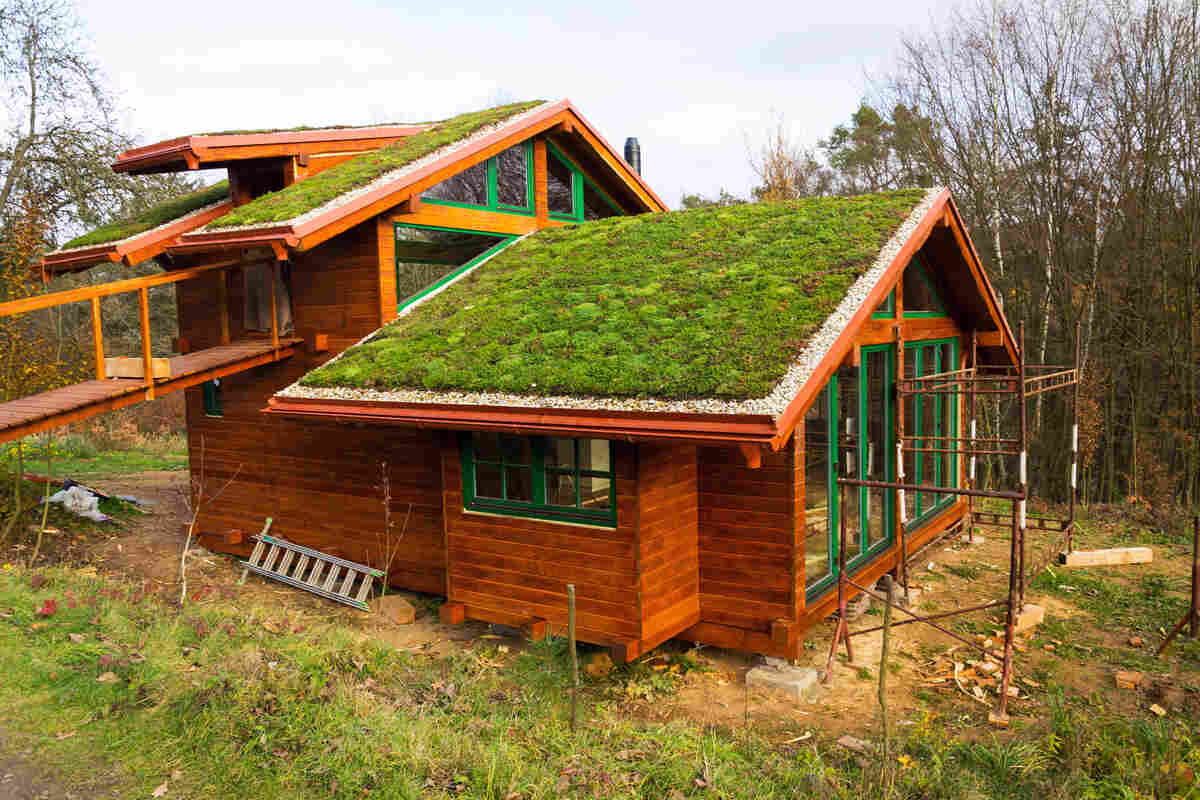
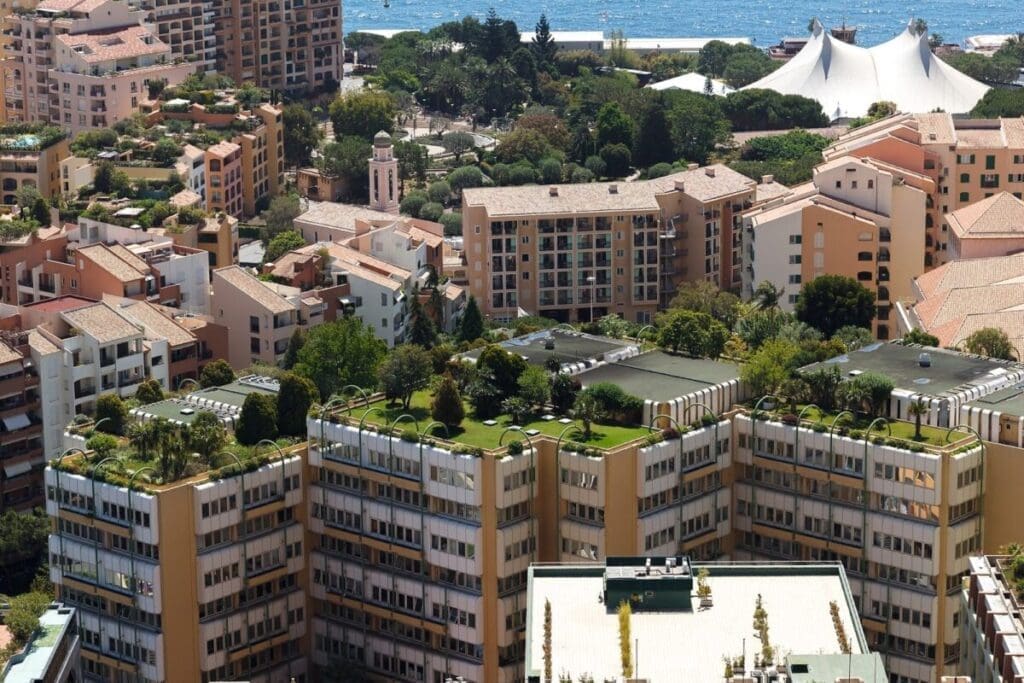
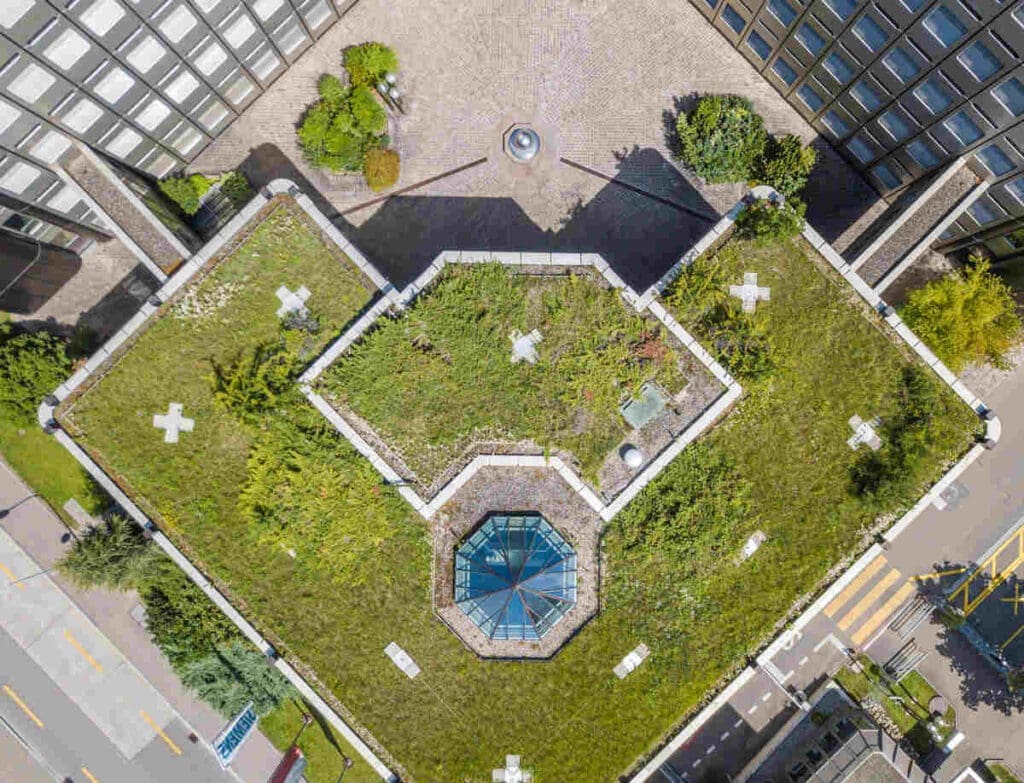
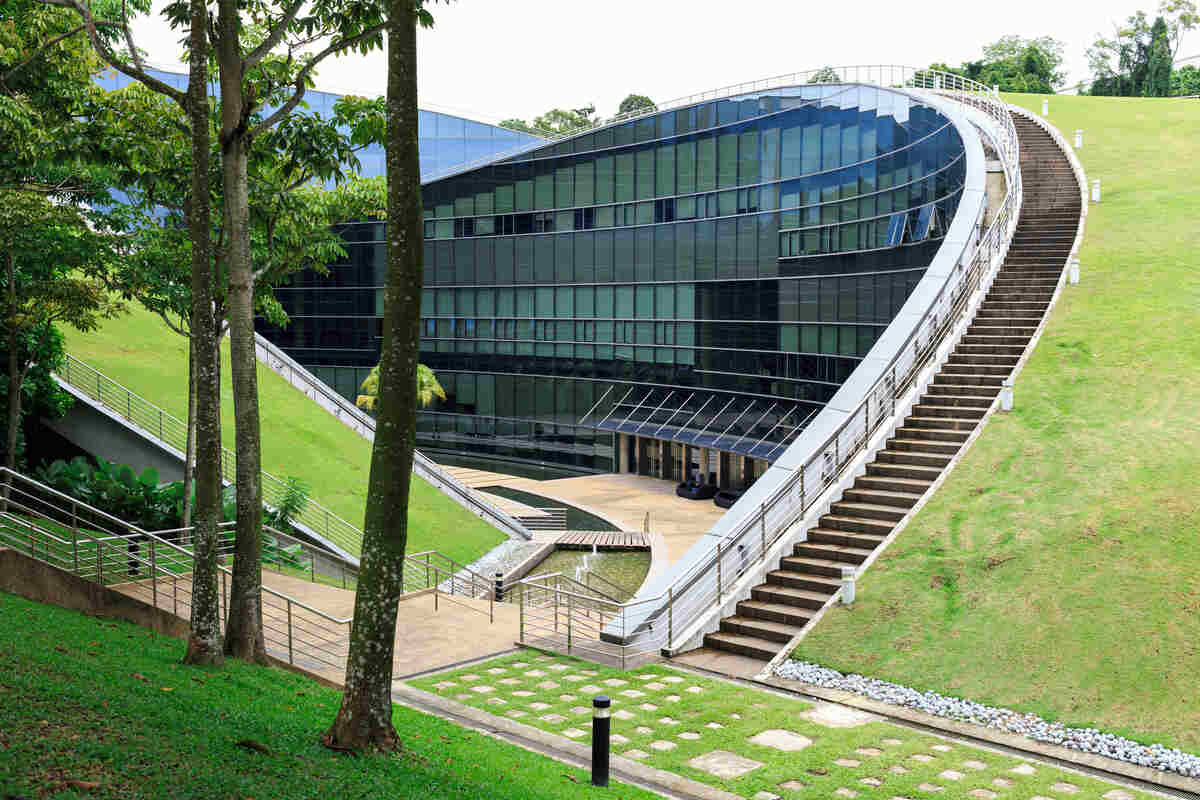
To manage stormwater efficiently, we need to mimic nature, and a good place to start is with our roofs. Green roofs enjoy the dual benefit of restraining the flow of rainwater off the roof and providing an area for natural vegetation to thrive.
Blue roofs are designed on buildings with flat roofs or low sloped roofs for temporary storage of rainwater until it either evaporates or is gradually released after the storm has passed and the ground can absorb the additional water.
Blue and green roofs require careful management to ensure the drainage system remains operational. The vegetation on green roofs needs to be controlled to prevent leaks from developing due to invasive roots.

Get the Green Building Project Checklist
Use this handy checklist on your next project to keep track of all the ways you can make your home more energy-efficient and sustainable.
By directing rainwater runoff from roofs into holding tanks, the water can be used for non-potable applications, significantly reducing general water usage.
Read more on this topic in A Guide to Green Roofs.
Swales
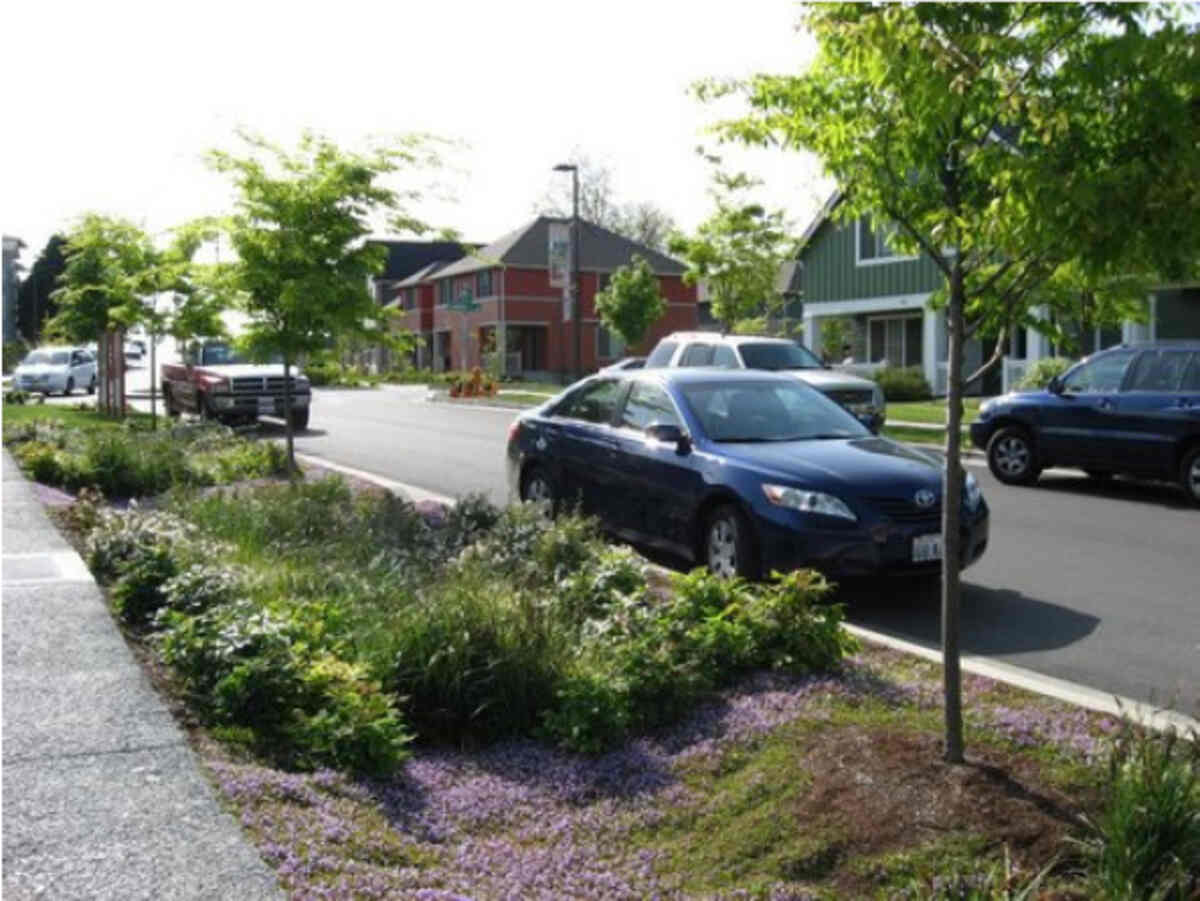
A swale is simply a shallow trench or ditch that’s designed to manage water runoff by slowing it down, spreading it out, and allowing it to infiltrate the ground. Swales are excellent at redirecting stormwater in rural and urban environments. In cities, they function as drainage systems that absorb excess rainwater and promote natural green islands among the city’s concrete and hardened surfaces.
In the countryside, swales offer natural stormwater runoff and, in doing so, promote healthy, diverse vegetation.
Rain Gardens
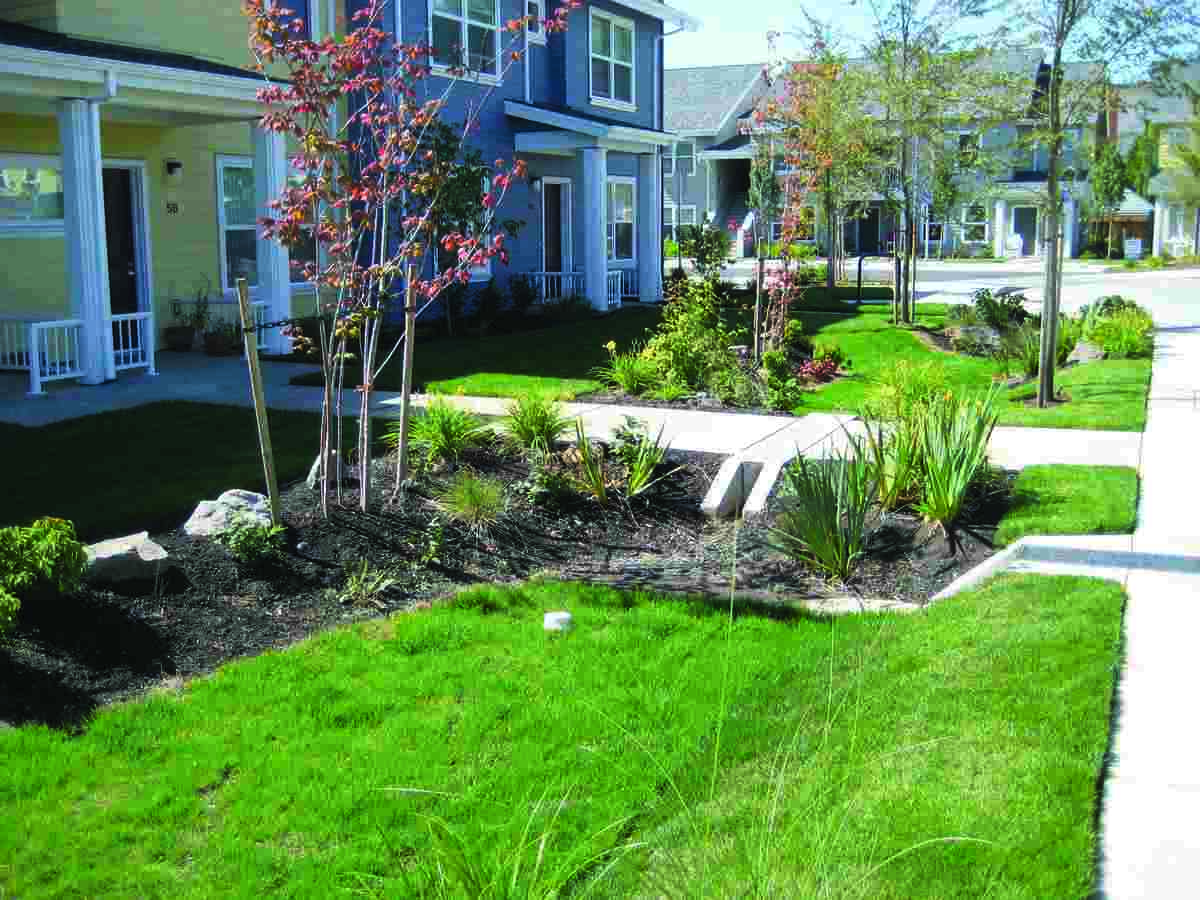
Like swales, rain gardens help reduce stormwater and slowly release it. They are created in a natural or artificial depression where the stormwater collects and is sucked up by the vegetation that’s planted there. Rain gardens do not have an underdrain or a complex soil matrix.
Stormwater Planters
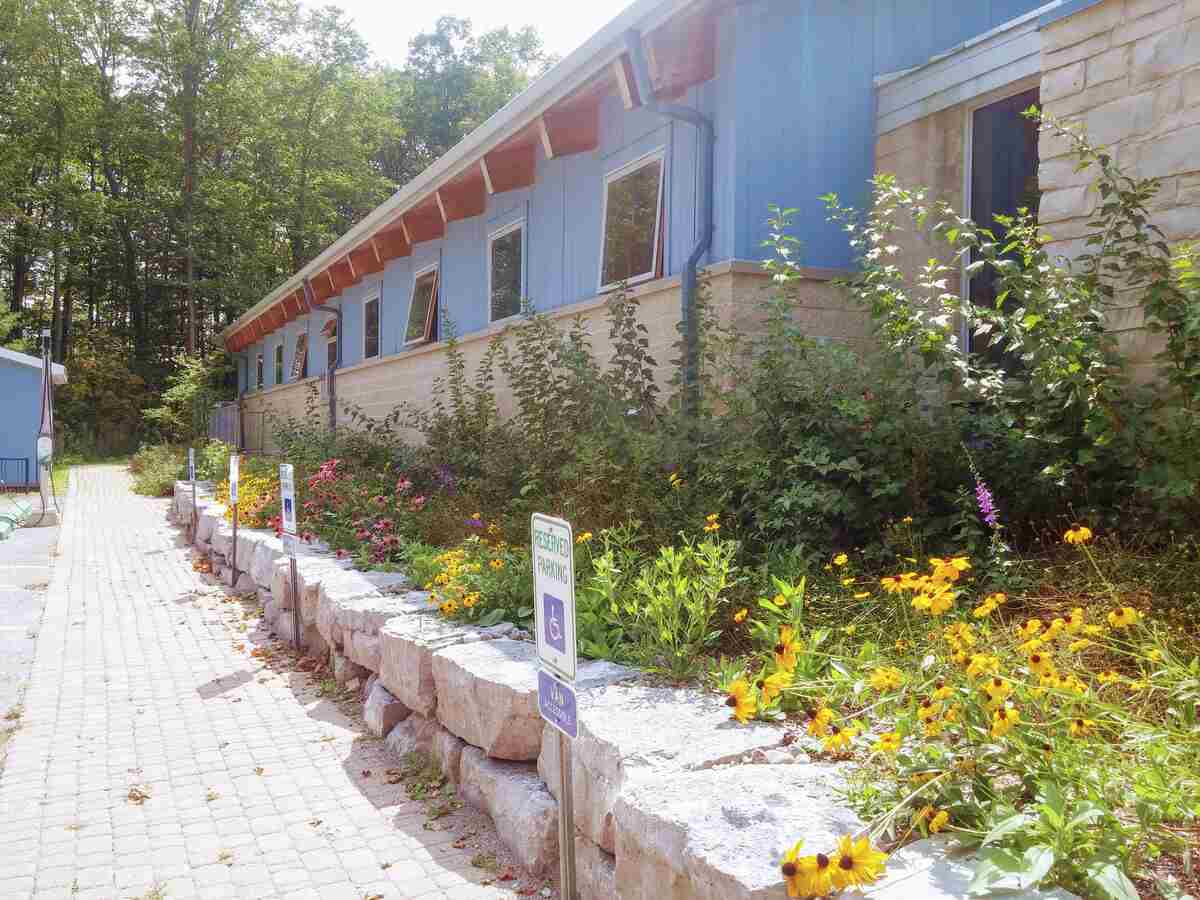
Stormwater planters are often referred to as ‘rain gardens in a box.’ The vegetation in these planters is captured inside a durable plastic box. Rainwater is led through piping into the planters, where it seeps through the soil and is taken up by plants in the planter. Excess water drains through the permeable base of the planter; however, in situations where the rainfall is excessive, an overflow drain pipe removes the additional water from the planter.
Permeable Pavement
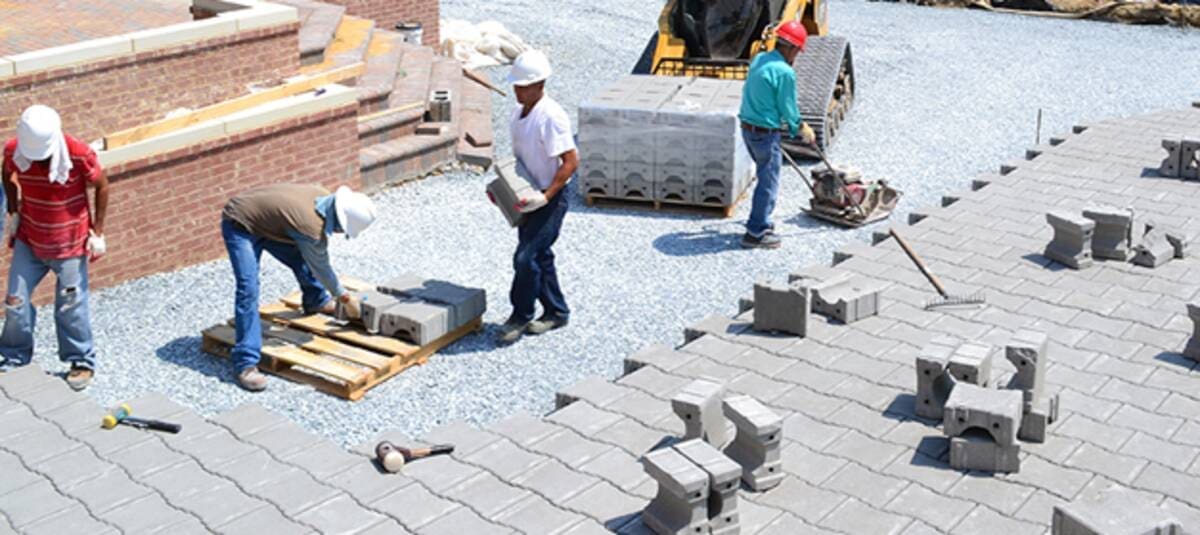
Stormwater that collects on streets, walkways and parking areas is particularly prone to containing pollutants like oil. One of the most efficient ways to reduce the runoff of oil-contaminated rainfall is by laying porous surfaces that allow the rainfall to flow through the surface rather than along it.
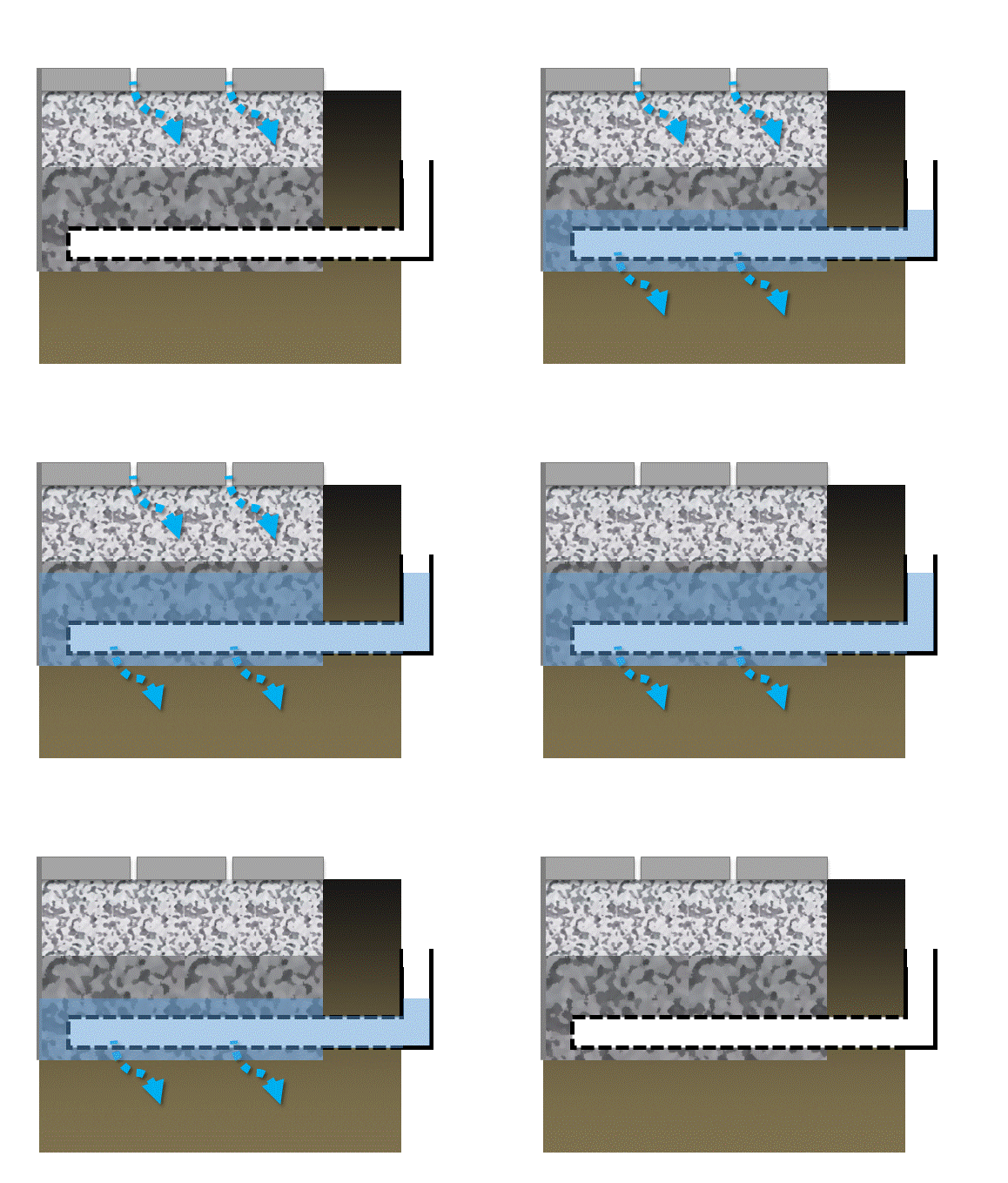
Parking areas, footpaths and bicycle paths are ideal for open porous paving. The design of the paving means that it cannot support heavy loads. Gravel, small stones and even wood chips and bark are perfect materials for surface areas around sidewalk trees, allowing rainwater to seep into the ground around the trees’ root systems.
Unlike permeable surfaces that provide some relief from stormwater damage, hardened roadways offer little in preventing rainwater runoff, especially during heavy downpours.
Filtering Oil, Grease and Pollutants
The rainwater that runs off roads is particularly vulnerable to containing oil, which can cause serious pollution problems as oil can spread itself in a thin layer on the water’s surface. Stormwater usually accumulates in dams or reservoirs or is allowed to flow into the open sea. When polluted runoff enters these areas, the thin layer of oil prevents oxygen from entering the water, negatively impacting aquatic and plant life.
Oil can be removed from rainwater in a few ways. An oil-water separator can be installed upstream to pre-treat stormwater runoff, once the stormwater has entered a settling tank the surface can be skimmed, the contaminated water can be fed through a centrifuge that separates the oil from the water by spinning the liquid. The heavier water particles are forced to the outside and the lighter oil particles remain in the centre.
The Benefits of Green Infrastructure for Stormwater Management
Installing green infrastructure has a financial component that needs to be evaluated in the context of the benefits it provides. The advantages of green infrastructure include:
- Reduced stormwater runoff
- Stormwater is filtered to remove pollutants
- Enhanced natural systems attract wildlife
- Promotes outdoor physical activity through increased green spaces and play areas
- Reduces flood damage
- Additional trees improve air quality in metropolitan areas
- Divergence and temporary storage of stormwater improves the natural flora’s ability to withstand drought conditions
- Separating stormwater runoff from sewerage piping results in a significant drop in contaminated water
- Cleaner stormwater can be utilized for other functions where previously only treated water could be used. The reduced load on treated water is important in ensuring sufficient clean water for the community.
Applying effective stormwater management interventions and promoting green infrastructure creates a more connected habitat for all concerned. It is one of the most efficient ways to combat the rise in natural disasters caused by climate warming.
Common to all these measures are the small steps that caring individuals can take by implementing changes to their environment and promoting changes that foster a gentler interaction with nature.
Feature image: Depositphotos; Images 1: Depositphotos; Image 2: LID SWM (CC BY); Image 3: Oregon State University (CC BY-SA): Images 4-6: LID SWM (CC BY)