
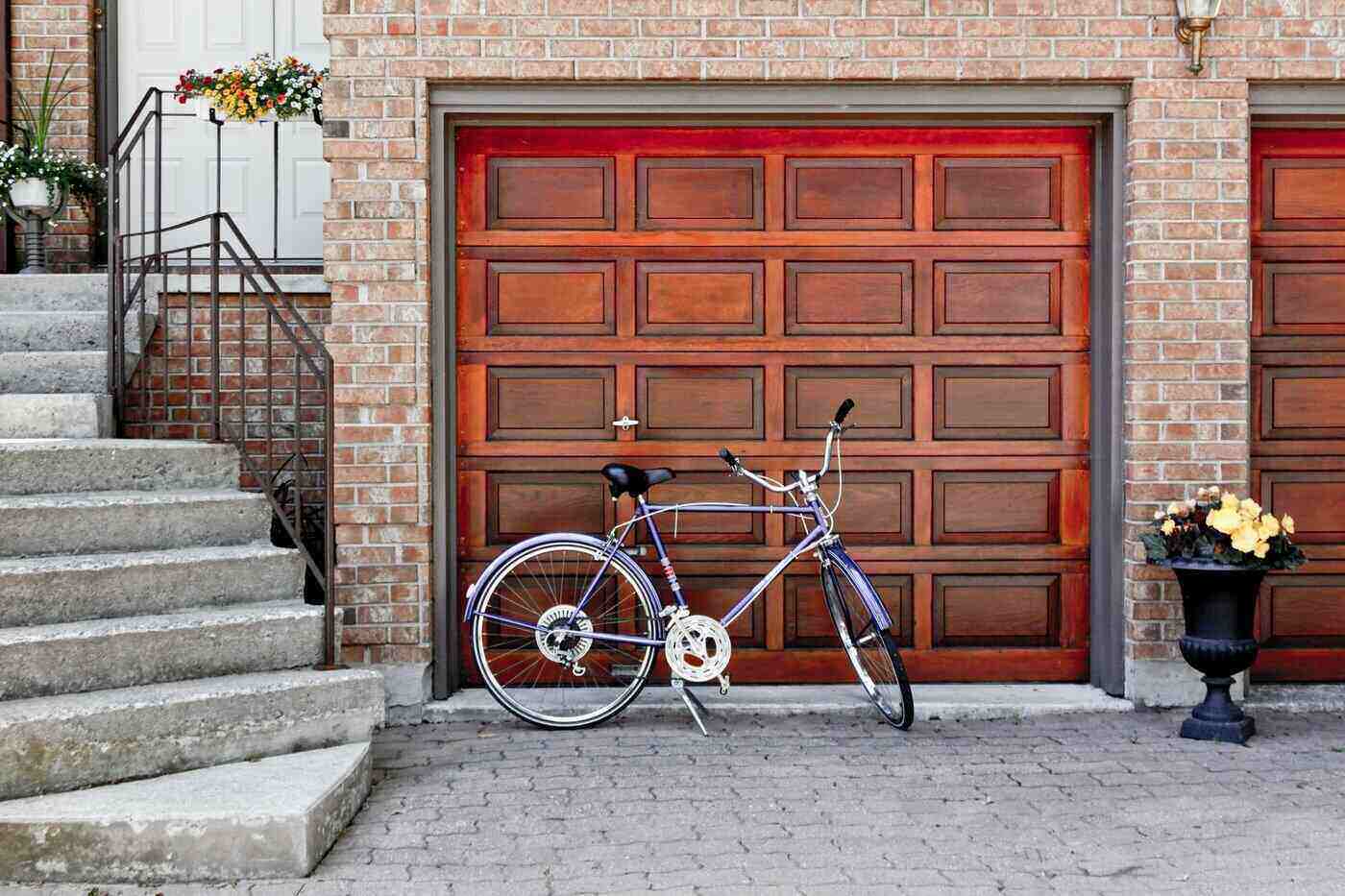
A permeable driveway is a great way to allow water to drain through your property rather than run off into the street. It’s also an environmentally friendly option, helping to reduce stormwater runoff and improve the quality of our water resources.
The key to a successful permeable driveway installation is proper planning and preparation. With a little hard work, you can easily install a permeable driveway that will last for years to come. This guide will walk you through the steps necessary to install your own driveway.
Make a Budget
The first step is to make a budget for your new driveway. This will help you determine the size, type, and material of your driveway.
The cost of a driveway can vary depending on your location, so it is important to get quotes from several contractors, either online or over the phone. It is important to get at least three quotes before making a final decision.
When budgeting for your driveway, remember to include installation costs as well as materials. You should also factor in the long-term costs of maintenance and repairs. This will ensure that you choose the best driveway for your home and needs.
Test the Soil and Excavate
Get the Green Building Project Checklist
Use this handy checklist on your next project to keep track of all the ways you can make your home more energy-efficient and sustainable.
To ensure that your permeable driveway can handle the weight of your vehicles, it’s important to have a professional test the soil before you begin excavation. If the results of the soil test show that the soil is too weak, you’ll need to add a layer of crushed stone before installing the permeable pavers.
The excavation process is pretty straightforward: use a shovel or backhoe to remove the topsoil and any embedded rocks and roots. Be sure to save the soil you remove, as you’ll need it later to backfill the hole.
Prepare the Base Layers

After excavating, you will need to create a gravel base layer for your driveway. This layer should be at least six inches thick and made up of angular gravel no larger than two inches in diameter.
For best results, use a plate compactor to pack the gravel tightly together. The base layer should be level and free of large rocks or other debris. It is important that the base layer be compacted tightly, as this will ensure a stable foundation for your driveway.
Screed the Bedding Layer
The next step in installing a permeable driveway is to screed the bedding layer. This layer needs to be flat and smooth so that the pavers will rest evenly on top. You can use a concrete screed or a straight edge and a level to achieve this.
This layer should be about 2 inches thick, although the thickness may vary based on the type of pavers you’re using. The next step is to install the pavers. It’s important to do this while the bedding layer is still wet so that the pavers will bond to it.
Place the Layers
A permeable driveway is composed of several layers, each with its own role in the system. The base layer is responsible for most of the strength and stability, while the top layer(s) protect(s) the base from traffic and weather damage.
The base layer is typically a 6-12 inch layer of gravel, while the top layer(s) can be either concrete pavers, asphalt or concrete. It is important to make sure that the layers are properly compacted to create a strong foundation.
Fill the Joints
Once all the pavers are installed, it’s time to fill the joints. This can be done with sand, polymeric jointing sand or a sealant.
Fill the joints between pavers with sand. Use a broom to sweep the sand into the joints and then mist with water. The water will help settle the sand into the joints.
Next, use a hand tamper or plate compactor to compact the sand. This will help solidify the pavers and prevent them from shifting. Once the joints are filled and compacted, you’re ready to enjoy your new permeable driveway.
Tamp It
Another step is to tamp down the area where you’ll be installing the driveway. This will help level the ground and make sure that there aren’t any large bumps or dips. The driveway surface should be as even as possible to ensure proper drainage.
It’s also a good idea to use a compacting machine to make sure the area is nice and solid before moving on. This will help prevent any future settling or sinking.
If you follow the steps in this guide, you’ll be on your way to having a beautiful and environmentally friendly permeable driveway.
Not only will it help reduce runoff and erosion, but it will also allow water to seep back into the ground, recharging our groundwater supply. So what are you waiting for? Get started today.
Feature image: Kevin Wolf; Image 1: Kaboompics .com

I’m assuming that it is, but I can’t find any detailed information regarding the suitability of a permeable driveway for hard freeze zones, like Zone 6 & 7.
I’m wanting more information as to the materials and depths needed to handle the freezing and heaving during freeze/thaw cycles.
Thank you!