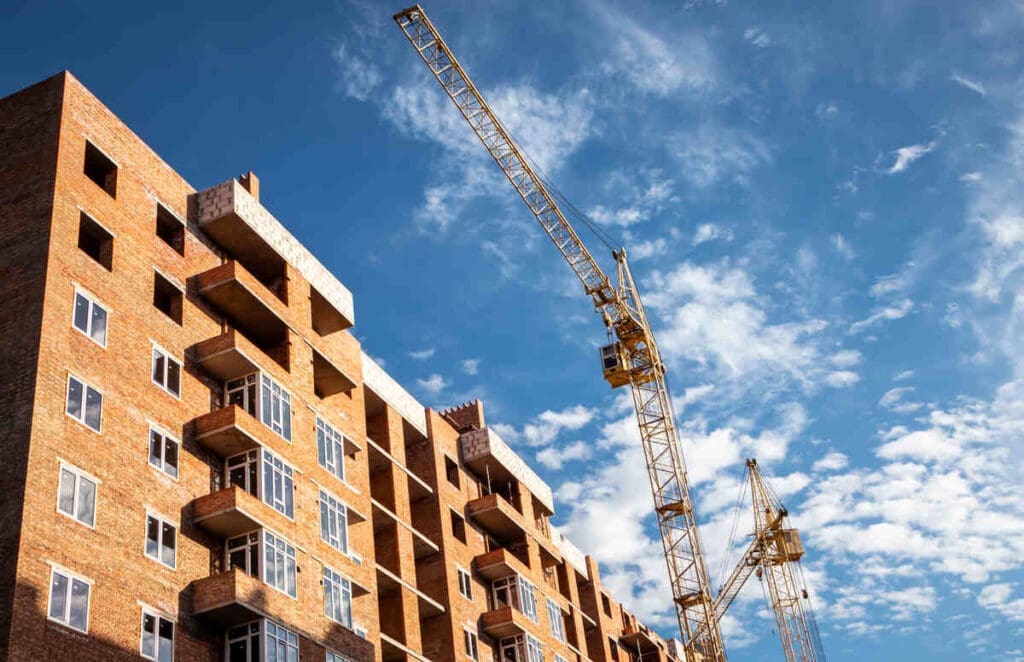
The Government of Canada announced that it will begin imposing new import tariffs on steel that is imported from China, currently the largest producer of steel in the world. With steel being one of the most used building materials in Canada, the new steel tariffs that the federal government is imposing signify an increase in building costs.
Starting on Oct. 15, 2024, the Government of Canada will start imposing a 25 percent tariff on all steel and aluminum products, specifically those coming from China. This is a part of a larger series of tariffs imposed on goods coming from China, mainly solar equipment and electric vehicles.
This move follows the U.S. government, which also imposed tariffs on friendly countries to bolster its own steel prices. Recently the Biden administration has announced that tariffs on imported steel would be increased to 25 percent, up from as high as 7.5 percent, and Canada just announced that it will follow suit.
On the same day this move was announced, the CSPA or Canadian Steel Producers Association also made calls for protections against the overcapacity of steel in Canada.
Although for the time being, Canada is imposing these new steel tariffs on imports from China only, those tariffs imposed by the United States are being levied against many friendly countries, with Canada being one of them. This aside, up until this point, the issue has been framed mostly around the auto industry, however, what also needs to be considered is housing.
New Steel Tariffs Will Cause Canadian Construction and Real Estate Costs to Rise
As the cost of building materials in Canada continues to rise, the new steel tariffs are set to increase the cost of building a home, as well as other construction projects. An analysis issued by the Royal Bank of Canada showed how between Q1 of 2020 and Q2 of 2023, structural steel prices surged by 53 percent, and this does not account for the new steel tariffs.
This increase is due to the protectionist policies that Canada has been instituting, with experts estimating that these policies have already inflated the cost of structural steel in Western Canada by up to $200 per tonne. The issue of costly steel is being felt in Western Canada more than anywhere else, particularly in Alberta, where there is just one steel mill left.

Get the Green Building Project Checklist
Use this handy checklist on your next project to keep track of all the ways you can make your home more energy-efficient and sustainable.
These new steel tariffs are a protectionist move in an attempt to spur on the Canadian steel industry. At this time, imported steel from China is much cheaper than both domestic Canadian or American steel.
Although this move characterized by new steel tariffs being imposed on imported steel may be a boon for the Canadian steel industry and for tax revenue, the expected rise in construction and building costs will negatively impact many looking to construct new houses and buildings with steel. This comes on the heels of the new National Energy Code for Buildings and new Ontario Building Code, which although in part focuses on green building strategies and materials, they are also predicted to cause the cost of construction to increase in the province of Ontario.