Calgary stands out as Canada’s sunniest major city, basking in approximately 2,396 hours of bright sunshine annually and enjoying around 333 sunny days each year. This abundance of sunlight is particularly advantageous in a region where heating constitutes a significant portion of residential energy consumption.
In 2020, space heating accounted for 61 percent of residential energy use in Canada, with water heating contributing an additional 18 percent. Given that Alberta’s households, including those in Calgary, report higher-than-average energy consumption – averaging 121.8 gigajoules per household in 2021 compared to the national average of 85.4 gigajoules – strategies to reduce energy use are key.
Calgary’s unique climate, characterized by long, cold winters and abundant sunshine, presents both challenges and opportunities for homeowners aiming to enhance energy efficiency and sustainability. One of the most effective strategies to capitalize on Calgary’s solar potential is the incorporation of south-facing windows into home design.
These windows not only harness passive solar energy to reduce heating demands but also improve natural lighting, contributing to a more comfortable and eco-friendly living environment. We will delve into the multifaceted benefits of south-facing windows, offering practical insights for both new constructions and existing homes. These benefits apply to all of Canada, but cold locations that get a lot of sun like Calgary stand to benefit the most.
South-Facing Windows In New Constructions
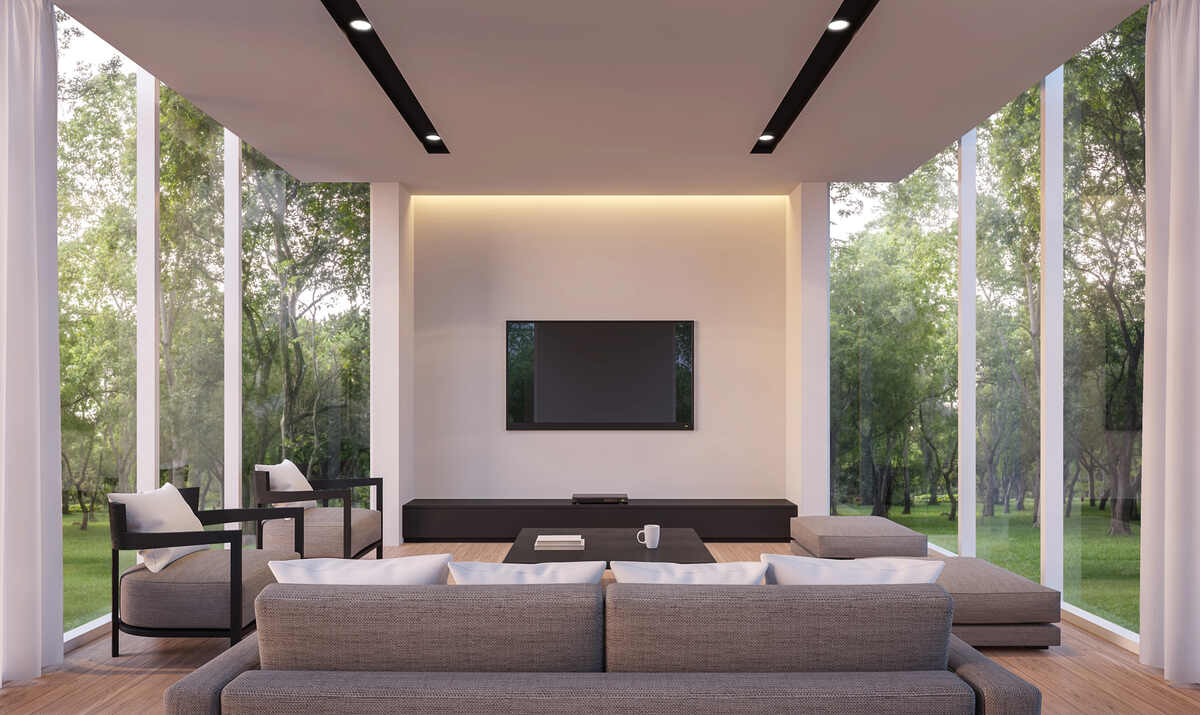
Incorporating south-facing windows when you’re buying a home can deliver optimal energy efficiency. By strategically positioning the majority of windows on the southern facade, homeowners can maximize solar heat gain during the winter months, reducing reliance on mechanical heating systems. This approach aligns with passive solar design principles, which emphasize the use of natural energy flows to maintain indoor thermal comfort.
To prevent overheating during the summer, it’s necessary to integrate shading devices such as overhangs or awnings. These elements block high-angle summer sun while permitting low-angle winter sunlight to penetrate the interior spaces. Shades or shutters work the best on south-facing windows as they can shut out the sun completely, but that’s assuming you get enough light from your other windows or you don’t mind being in a dark house in the summer.

Get the Green Building Project Checklist
Use this handy checklist on your next project to keep track of all the ways you can make your home more energy-efficient and sustainable.
Selecting high-performance glazing with appropriate Solar Heat Gain Coefficient (SHGC) values can further enhance energy efficiency by balancing heat gain and loss. Ideally you would shade the windows with blinds (and overhangs) and go with a high SHGC to allow as much sun to enter the home in the winter. If that’s not possible, you could compensate with a lower SHGC so your home doesn’t overheat in the summer.
Moreover, incorporating thermal mass materials like concrete or stone floors can absorb and store solar heat during the day, releasing it slowly at night to maintain a stable indoor temperature. This synergy between window placement, shading, glazing and thermal mass creates a harmonious design that leverages Calgary’s solar resources effectively.
Retrofitting Existing Homes
For homeowners looking to improve the energy efficiency of their existing homes, retrofitting with south-facing windows offers a viable solution. While structural limitations may restrict window placement, several strategies can be employed to harness the benefits of solar gain.
One approach involves enlarging or adding windows on the southern side of the home to increase sunlight penetration. When structural modifications are limited, installing skylights or solar tubes can introduce natural light into interior spaces. On top of this, replacing existing windows with energy-efficient models featuring low-emissivity (low-E) coatings and gas fills can significantly reduce heat loss and improve thermal comfort.
To mitigate potential issues such as glare or overheating, homeowners can use blinds, shutters or shades and consider applying window films that reduce UV radiation (For an analysis of window films read Low-E Window Film vs Low-E Windows – Which Offers Better Energy Savings?). These measures not only enhance comfort but also protect interior furnishings from sun damage.
Integrating Landscaping
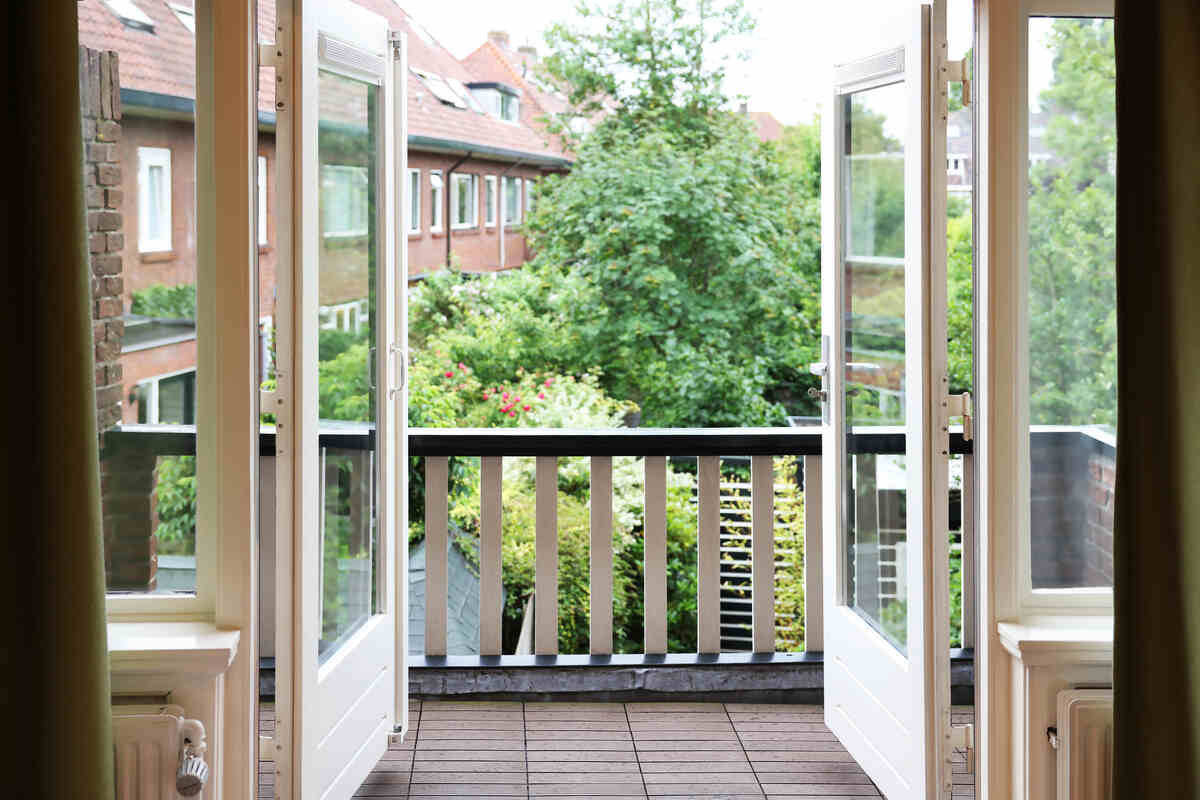
Landscaping plays a key role in optimizing the performance of south-facing windows. Strategically planting deciduous trees on the southern side of the home provides shade during the summer months while allowing sunlight to penetrate during the winter when the trees shed their leaves. This natural shading mechanism helps regulate indoor temperatures and reduces cooling demands.
Additionally, incorporating shrubs or trellises with climbing plants can offer supplementary shading and aesthetic appeal. These natural elements not only contribute to energy efficiency but also enhance the overall environmental quality of the property.
Leveraging Technology
Advancements in technology offer homeowners innovative tools to maximize the benefits of south-facing windows. Smart window systems equipped with sensors can automatically adjust tint levels based on sunlight intensity, reducing glare and controlling heat gain. Similarly, automated blinds or shades can be programmed to respond to time-of-day or temperature settings, optimizing natural light usage and indoor comfort.
Integrating these smart solutions with home automation systems allows for seamless control and energy management. By monitoring and adjusting window-related parameters, homeowners can achieve a balance between natural lighting, thermal comfort and energy efficiency.
Economic And Environmental Impact
Investing in south-facing windows yields significant economic and environmental advantages. By reducing reliance on heating systems during the winter, energy bills can be substantially lowered. Furthermore, the increased natural lighting diminishes the need for artificial lighting, contributing to additional energy savings.
Utilizing passive solar energy also reduces greenhouse gas emissions associated with energy production. This aligns with broader sustainability goals and contributes to the mitigation of climate change impacts. Moreover, homes equipped with energy-efficient features, including strategically placed south-facing windows, often experience increased property value and market appeal.
Read more on this topic in How Window Blinds Can Help Save Energy