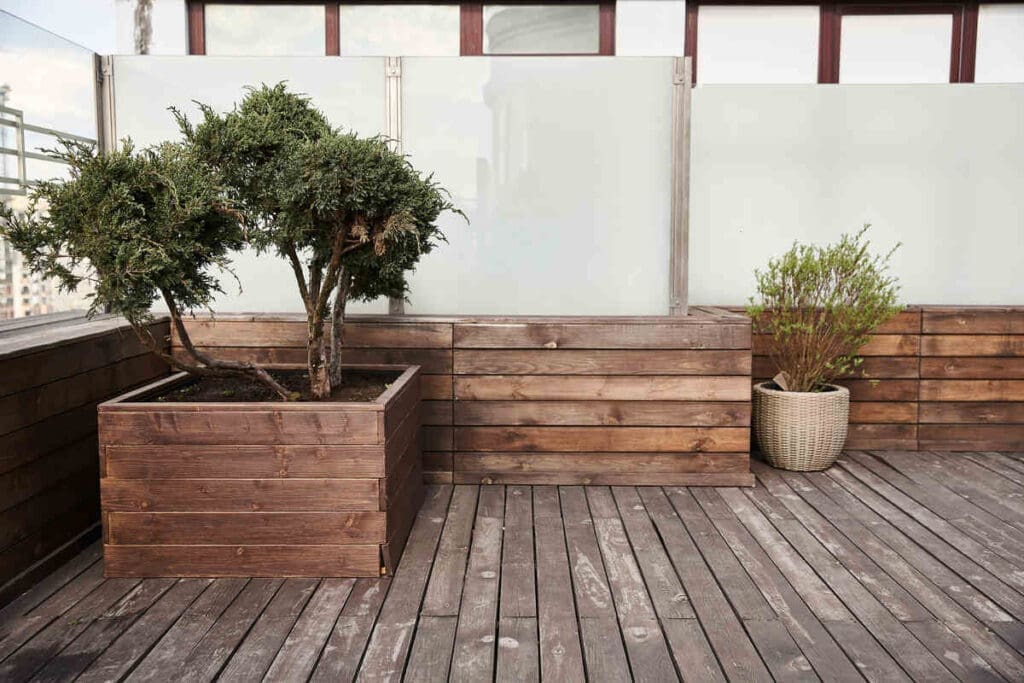
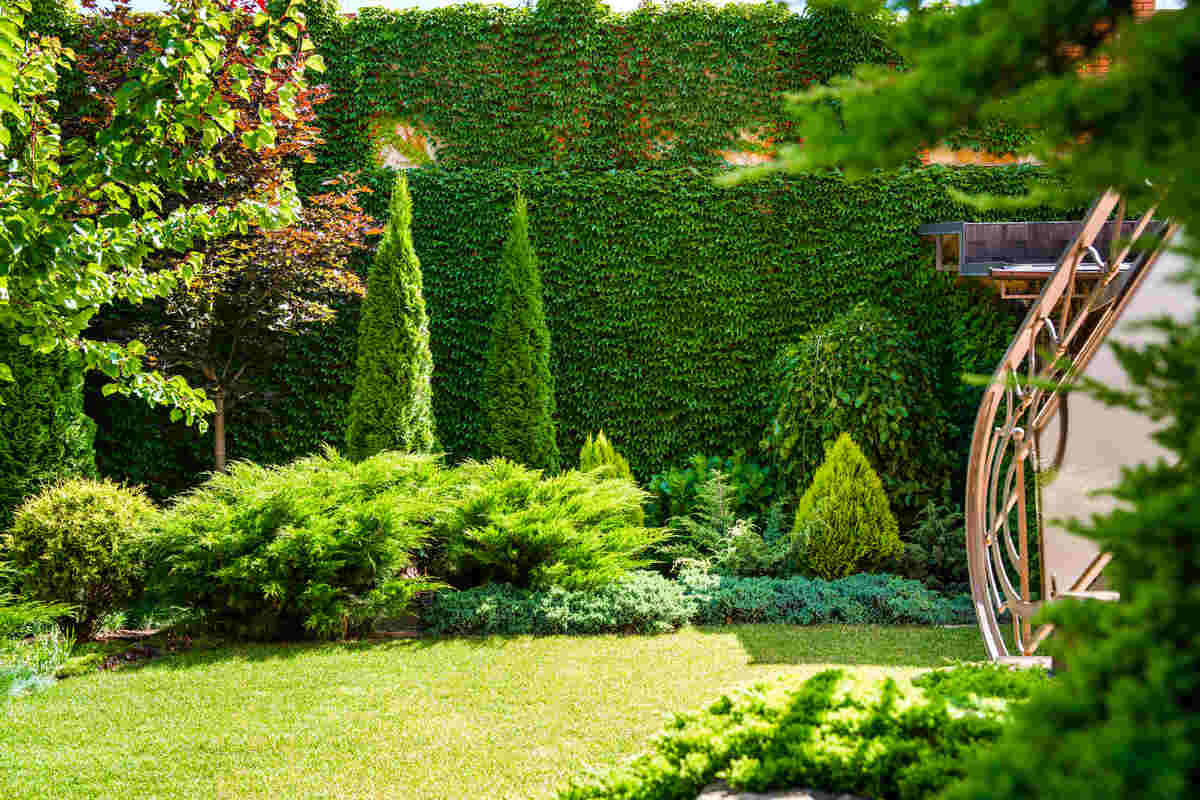
Outdoor spaces are meant to be peaceful retreats, but unwanted noise, whether it’s from traffic, neighbours or urban life, can easily disrupt your background oasis. While traditional soundproofing methods often rely on costly materials and artificial barriers, nature offers some eco-friendly solutions as well.
You can incorporate thoughtful landscaping and design elements to create a yard that not only muffles intrusive sounds but also enhances beauty, privacy and relaxation. Here are four effective ways to do so.
1. Plant a Dense Green Barrier
Planting trees, shrubs or hedges is an effective, visually appealing soundproofing method. Dense vegetation absorbs and reflects noise before it reaches your outdoor living area. Choose evergreen species like arborvitae, Leyland cypress or holly for year-round coverage. If planning a landscape project, include layered greenery to reduce noise naturally. Layering plant heights improves noise reduction and boosts visual interest in your yard. Use tall trees, then shrubs and shorter plants to create a green ‘wall.’ This approach blocks sound waves and provides extra privacy for your outdoor space.
2. Install a Living Wall or Vertical Garden
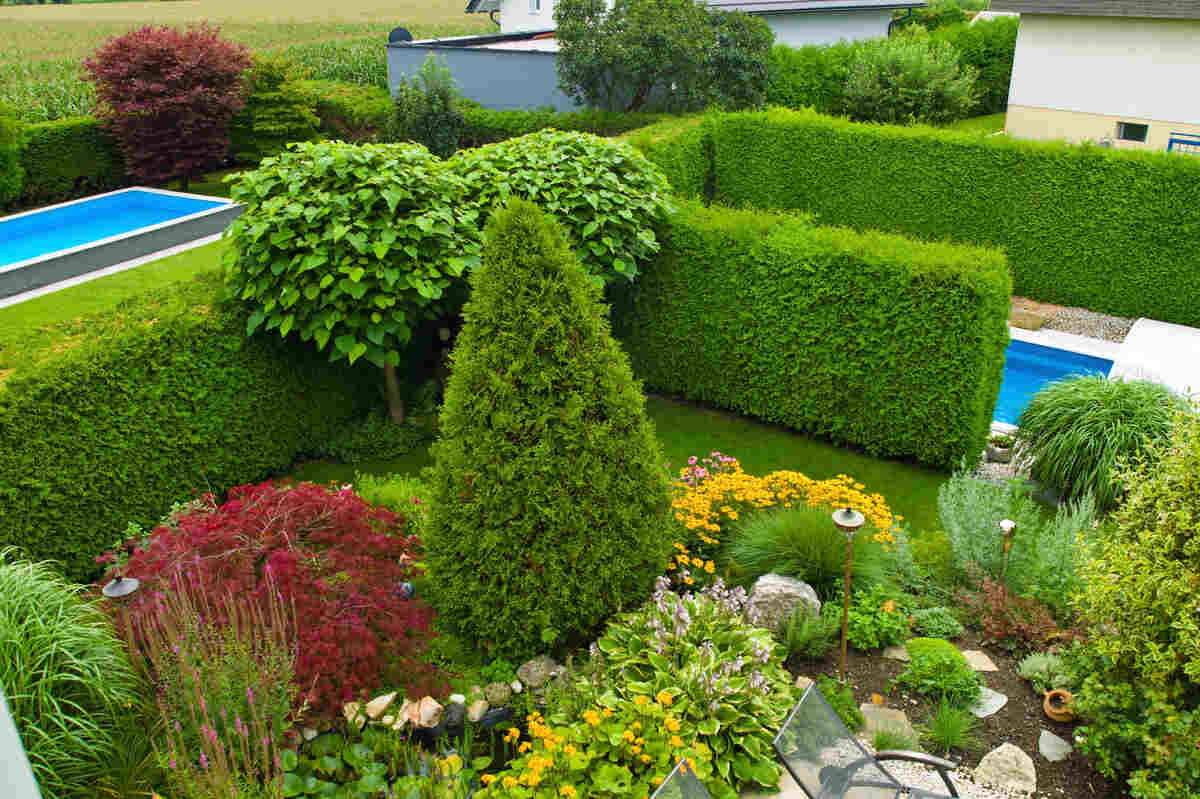
A living wall is ideal for small spaces or urban yards with limited planting area. These walls hold soil and plants and are mounted on fences or exterior walls. The foliage and moist soil reduce noise (especially high-frequency noises like voices, music and machinery) while simultaneously cooling and filtering the air. Use dense, broad-leaved and fast-growing plants like:

Get the Green Building Project Checklist
Use this handy checklist on your next project to keep track of all the ways you can make your home more energy-efficient and sustainable.
- English ivy
- Ferns
- Philodendrons
- Pothos
- Spider plants
- Hostas
- Peace lilies
3. Incorporate Water Features for Sound Masking
Water features don’t block noise; they mask it with pleasant, soothing natural sounds. Constant splashing, bubbling or trickling creates a consistent background noise that distracts the ear from traffic, neighbours or city disturbances. This technique is more achievable than completely soundproofing many yards. Base the size of the water feature on the level of sound you want masked. Place the water feature between noise sources and your favourite relaxation or gathering area. Examples include:
Fountains – Come in various sizes and designs, from wall-mounted to freestanding. Ideal for smaller spaces or patios.
Pondless waterfalls – Visually appealing, yet don’t require a large pond. Recirculates water in a hidden reservoir, making it safer for households with children.
Streams or bubbling brooks – A more naturalistic approach. Great for large yards or landscape-integrated designs.
Wall fountains or water walls – Good for urban or enclosed courtyards with minimal ground space. The vertical design allows sound to bounce off the wall and spread, increasing masking efficiency.
4. Build Earth Berms or Mounds
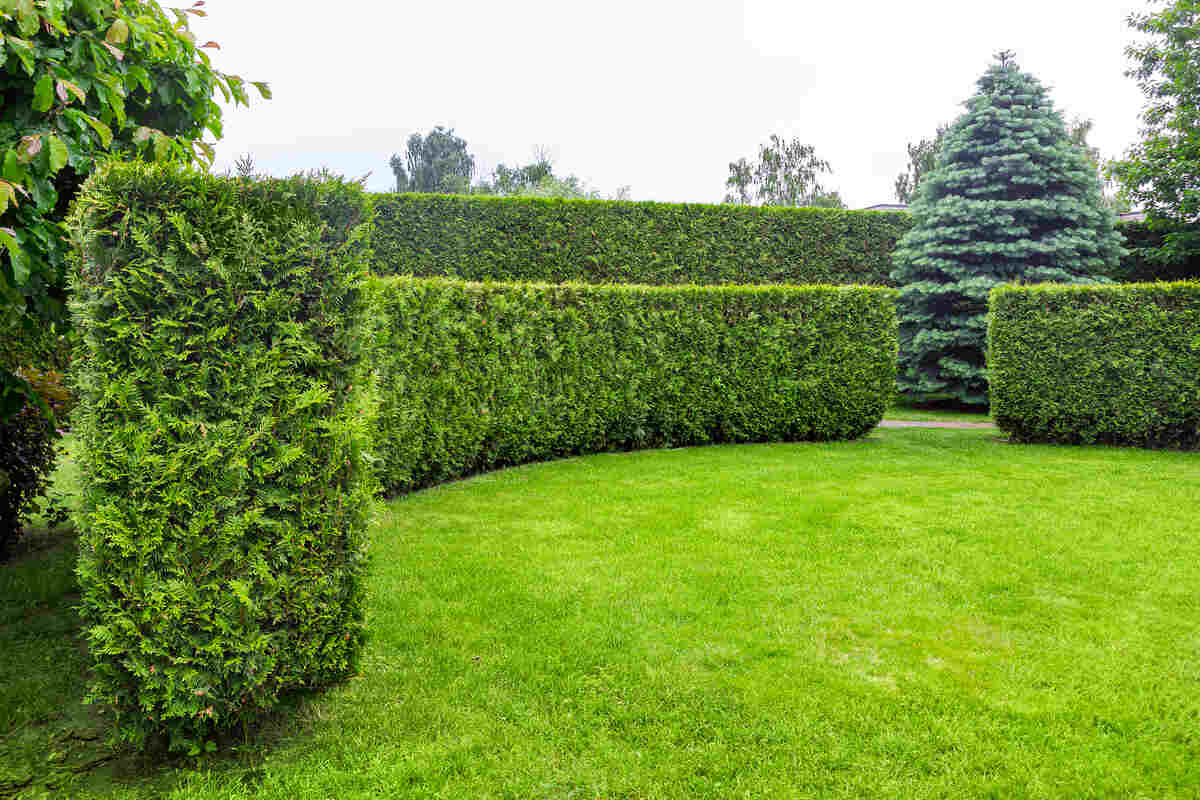
Earth berms are raised soil mounds that block and absorb outdoor noise pollution. They force sound to travel over or around, reducing its energy. Berms also serve as windbreaks and can enhance landscaping when planted with vegetation.
Effective berms should be at least 3 to 4 feet high with a gentle slope. Combine berms with trees or bushes to increase soundproofing and visual appeal. These natural barriers blend into your yard and offer multifunctional outdoor solutions.
Creating a naturally soundproofed yard doesn’t require expensive construction or synthetic barriers. With strategic planting, thoughtful design and a few well-placed features, you can reduce noise while enhancing the aesthetic and environmental value of your outdoor space. Whether you’re seeking solitude, a better space for entertaining or simply a more peaceful connection with nature, try out these natural soundproofing tips for a sustainable way to transform your yard into a tranquil haven.
Read more on this topic in How To Create A Sustainable Outdoor Living Area
Images from Depositphotos