7 Different Ways Solar Panels Are Used in Everyday Life

Solar energy has transformed from a niche technology into one of the most practical ways to power everyday life. The solar panel has evolved far beyond its traditional role on rooftops. Today, it comes in portable, modular and highly efficient designs, making clean energy accessible to everyone.
A 200-watt solar panel, under good sunlight, can generate around 800 to 1000 watt-hours (Wh) per day. That’s enough to charge a smartphone nearly 80 to 100 times, keep a wi-fi router powered for several weeks or run a small refrigerator for a full day. With figures like these, it’s easy to see how solar power can fit into real-world scenarios.
Here are seven specific ways that solar panels can make a difference in everyday life for a variety of people, supported by practical examples and energy data.
1. Powering Your Home Efficiently
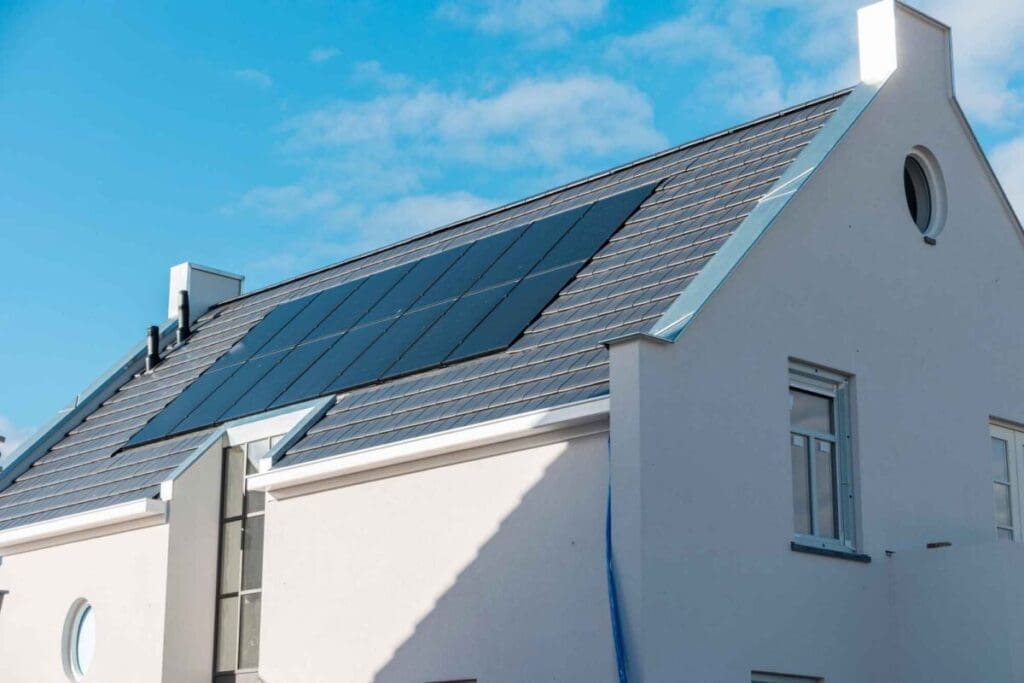
For homeowners, rooftop solar remains the most impactful use. To understand the scale, the average Canadian household uses about 30 kWh per day. A typical 8 kW solar panel system can generate roughly 9,000 to 11,000 kilowatt-hours (kWh) of electricity per year, depending on location and sunlight levels. In major population centres like Toronto, Montreal, Calgary and Vancouver, this works out to about 25 to 30 kWh per day on average.
So an 8 kW system can cover most or even all of a home’s annual electricity needs, with seasonal variations (producing more in sunny summer months and less during winter). This translates to savings of about $1,000 to 2,000 or more a year.

Get the Green Building Project Checklist
Use this handy checklist on your next project to keep track of all the ways you can make your home more energy-efficient and sustainable.
When combined with battery storage, excess solar energy can be stored for night use, allowing homeowners to run lights, refrigerators and internet routers even during traditional power grid outages. And with net metering programs, homeowners can sell back any remaining excess energy to the grid.
Get a Quote from a Solar Installer Near You
2. Camping and Outdoor Adventures
Outdoor enthusiasts are increasingly relying on portable solar panels for camping trips, fishing weekends and off-grid hiking adventures. Unlike noisy gas generators, solar panels are silent, eco-friendly and easy to transport.
Impressively, a 100-watt portable solar panel can generate around 400 to 500 Wh per day in good sunlight. That’s enough to fully charge four or five laptops, power 10 LED lanterns for an entire evening, and keep a GPS device, a camera and two smartphones charged throughout a trip.
For longer adventures, a 200-watt foldable solar panel can deliver nearly 1 kWh per day, which is enough to run a portable cooler (which will consume about 500 to 700 Wh daily) while still leaving energy for lights and phones.
This independence from disposable batteries or gas-powered generators makes solar panels an ideal companion for eco-conscious travellers who still want modern convenience in nature.
3. Road Trips and RV Life
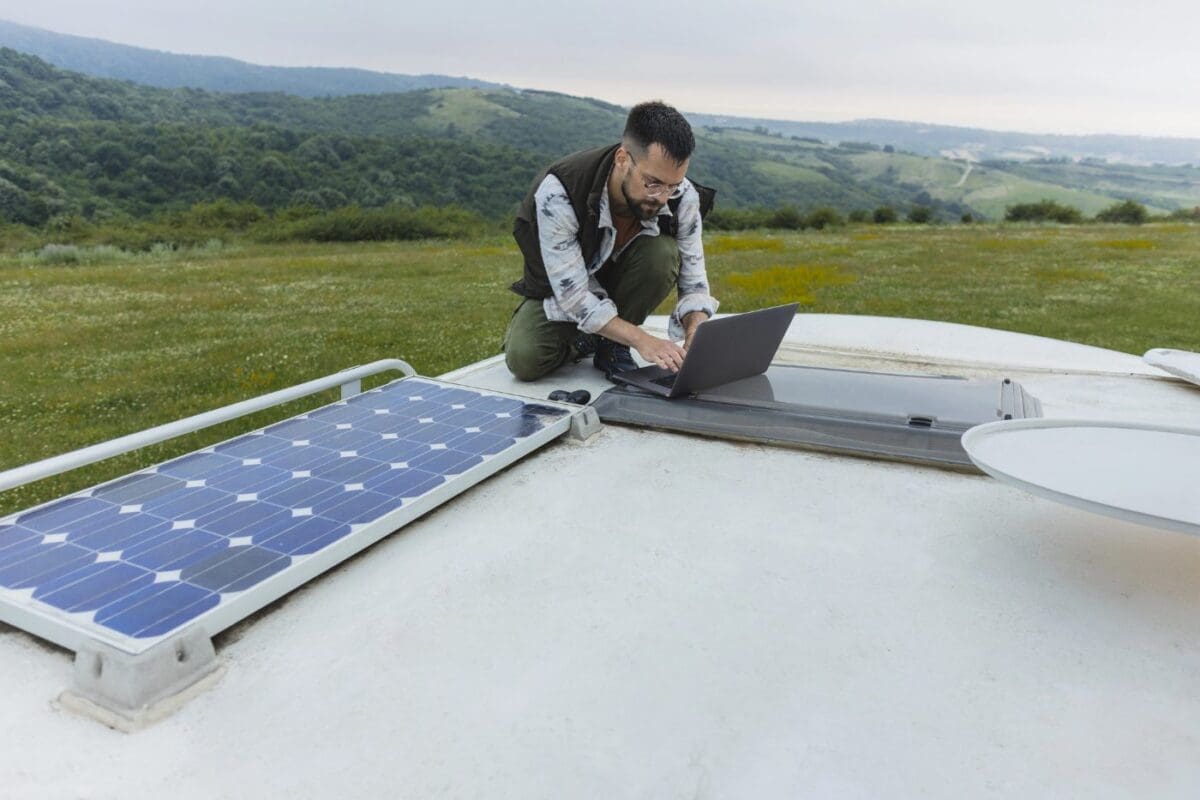
For people living the van life or travelling long distances in RVs, solar panels provide freedom from constantly searching for power hookups. Many RV users install rigid solar panels on their roofs or carry foldable ones for flexibility.
A 400-watt solar panel system on an RV roof can produce around 1.5 to 1.6 kWh per day if the sunlight is good. This is enough to run a 12-volt mini fridge (500 to 700 Wh of daily consumption), power LED lights for the cabin (which use 50 to 100 Wh per day), and charge laptops, tablets and phones with ease.
With efficient energy use, this setup can sustain two people living in an RV for several days without the use of external power. For extended road trips, many RV owners combine solar panels with a lithium battery system, ensuring continuous energy supply even when they’re parked in the shade or during cloudy periods. This setup makes off-grid travel both practical and sustainable.
4. Emergency Backup During Blackouts
Blackouts and natural disasters often highlight how dependent we are on electricity, but solar panels with battery storage capabilities can act as a reliable safety net.
A 2000-watt solar panel kit can generate 800 to 1000 Wh per day, which is enough to keep a wi-fi router and a smartphone powered for communication (using 20 to 30 Wh per day), run a few LED lights for lighting (which require about 10 Wh each per hour) and power a CPAP machine or another essential medical device (which will typically use 400 to 600 Wh per night).
In emergencies, even a small portable solar setup can maintain critical connectivity and comfort during power outages. Larger systems (like 1 to 2 kW rooftop installations) can also keep refrigerators running, which gives homeowners the ability to preserve food and medicine during long outages.
5. Charging Small Gadgets and Electronics
Not every use of solar power has to be large-scale. Portable panels as small as 20 to 60 watts are perfect for charging personal electronics.
A 60-watt solar panel in direct sunlight can generate about 250 to 300 Wh per day. This can charge 15 to 20 smartphones (with each using less than 15 Wh per charge), three to four tablets (60 to 80 Wh per charge), or a modern laptop (50 to 100 Wh per charge) at least twice.
Many travellers attach small foldable solar panels to backpacks or tents, ensuring they always have power for navigation tools, cameras or emergency calls. For digital nomads or students studying outdoors, this creates a way to stay powered without hunting for outlets, all while reducing reliance on the grid.
6. Supporting Sustainable Farming
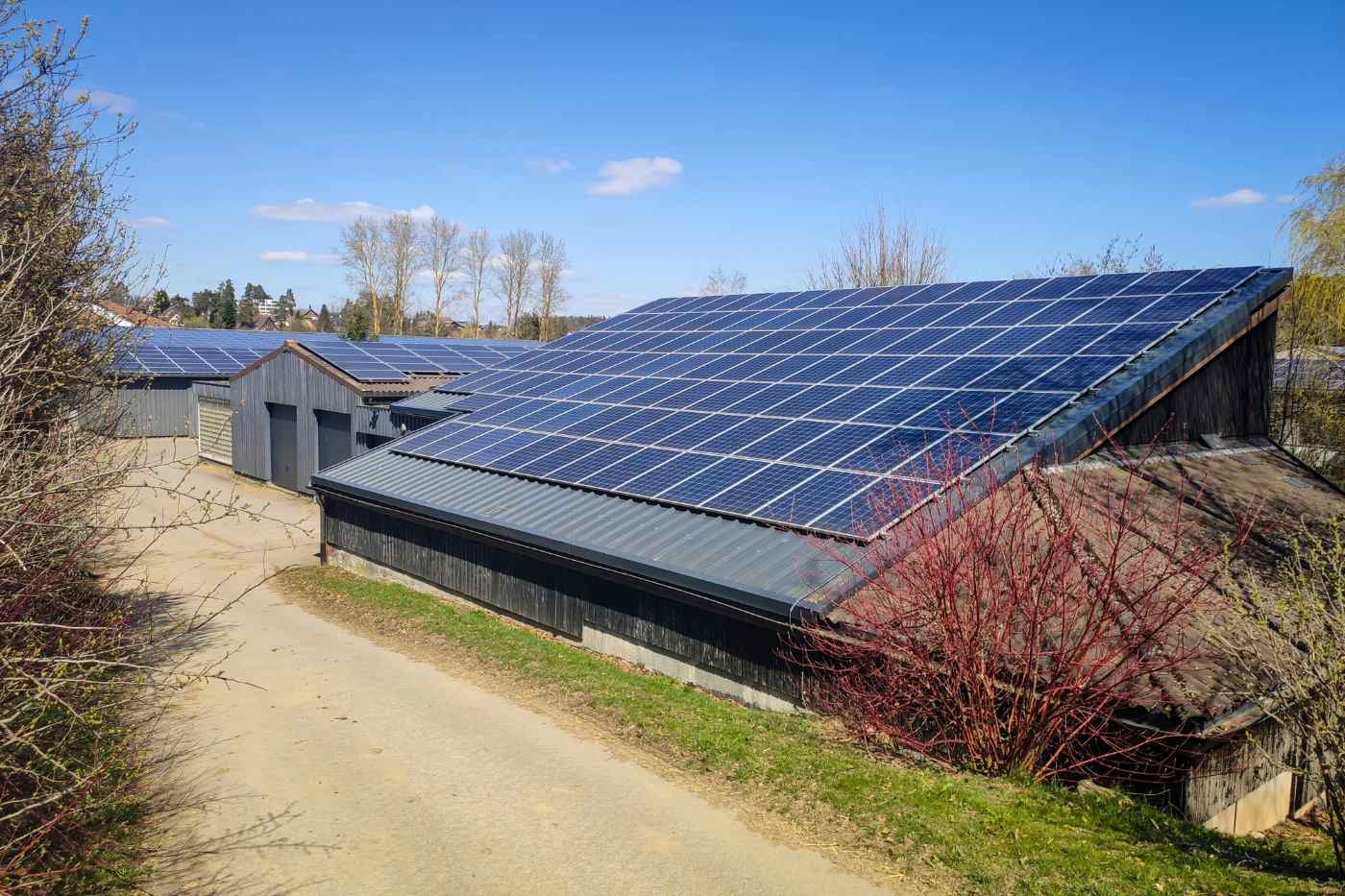
Solar power isn’t only for homes and travellers – it’s increasingly valuable in agriculture. Small farms and rural areas often struggle with high energy costs or limited access to reliable electricity, and solar panels help bridge this gap.
For reference, 1 kW of solar panels can produce an average of about 3 to 4 kWh per day, depending on sunlight conditions. This amount of energy can run water pumps for irrigation (which require 200 to 500 Wh per hour, depending on motor size), power ventilation fans in a greenhouse (about 100 Wh per hour) and keep soil sensors and monitoring equipment continuously running (10 to 20 Wh per day).
For farmers in remote areas, solar panels reduce dependence on expensive diesel generators and provide a more sustainable energy source for day-to-day operations. Over time, this not only cuts costs, but also reduces carbon emissions in agricultural production.
7. Eco-Friendly Urban Living
Even in cities where space is limited, solar panels are finding their place. Many urban residents use compact or balcony-mounted solar panels to complement their electricity needs.
A 100-watt balcony solar panel can produce around 300 to 400 Wh per day, which is enough to power a laptop for an entire workday, run three 10-watt LED lights for 10 hours and charge a household’s smartphones multiple times over.
For city dwellers who want to live more sustainably, small-scale solar setups provide a simple entry point. They don’t require large rooftops or complicated installations, but they still help reduce reliance on energy that’s generated by fossil fuels.
Solar Panels Are Becoming Essential Tools
The role of solar panels in everyday life is no longer limited to rooftop installations. From powering entire households to keeping a camper’s fridge cold, and from serving as a critical emergency backup to charging a single smartphone, solar panels are a reliable solution for multiple situations of different scales.
To put this all into perspective, a 60-watt portable panel can handle small electronics, while a 200-watt system can support essential devices in emergencies. A 400-watt panel can power road trips and off-grid adventures, and a 5 kW rooftop installation can offset most of a household’s electricity consumption.
With clear data on what different systems can achieve, it’s easier to see why solar panels are becoming essential tools for modern living. They’re practical, versatile and eco-friendly – an investment not just in technology, but in a more resilient and sustainable future.
Get a Quote from a Solar Installer Near You
The following information helps us to find the best local professional to complete your project. You will be contacted by email shortly after submitting the form.
Read more on this topic in Solar Energy in Canada: Discover Your PV Potential in This Ranking of Provinces and Cities.
Images from Depositphotos