As the world’s energy landscape continues to evolve with each passing year, advancements in technology, shifts in policy and economies of scale have propelled solar energy into the mainstream of global energy solutions.
Here we’re taking a look at some of the ongoing trends and transformative innovations that are expected to define the solar energy landscape in the year ahead and into the latter half of this decade.
Technological Advancements Driving Solar Innovation
The technological trends anticipated from 2025 represent significant advancements in the efficiency, affordability and sustainability of the solar energy sector. These innovations hold immense potential to drive progress and reshape the future of renewable energy. Let’s delve deeper into each of these developments.
Perovskite Solar Cells
Perovskite solar cells consist of thin-film devices constructed using layers of materials, which can be applied through printing or coating from liquid inks or deposited via vacuum processes.
They present a game-changing alternative to traditional silicon cells, offering both cost-effectiveness and improved efficiency. By providing a cheaper option for solar energy production, perovskite cells have the potential to democratize access to renewable energy, making it more attainable for a broader spectrum of consumers.

Get the Green Building Project Checklist
Use this handy checklist on your next project to keep track of all the ways you can make your home more energy-efficient and sustainable.
Building-Integrated Photovoltaics (BIPV)
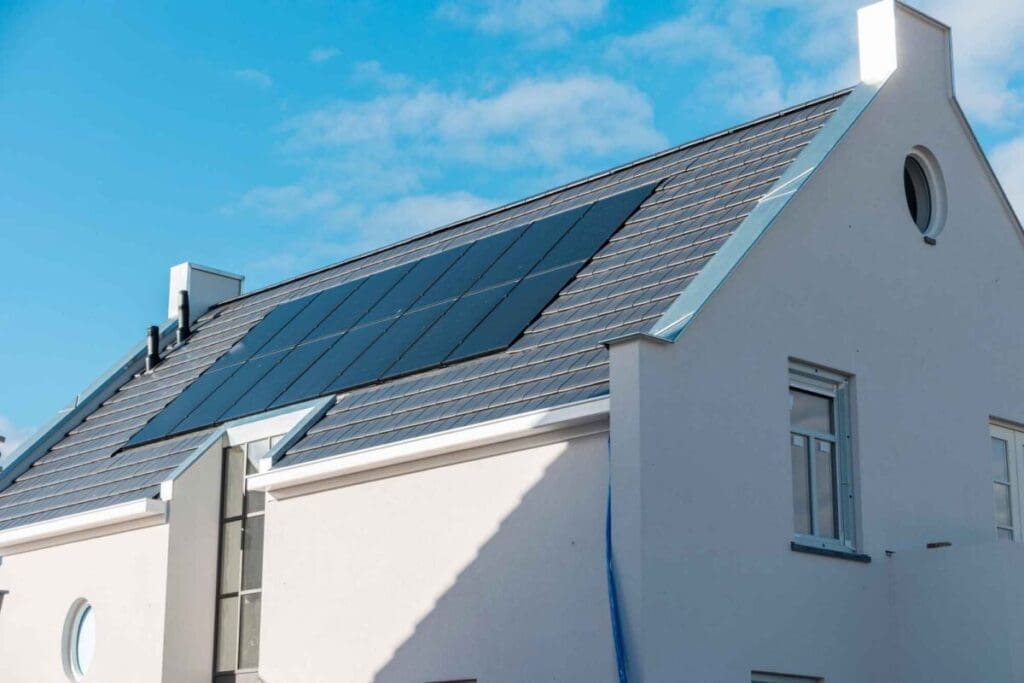
BIPV represents a paradigm shift in architectural design by integrating solar technology into building materials. By incorporating solar panels directly into roofing and other building surfaces, BIPV systems not only enhance the aesthetic appeal of structures but also promote sustainability and energy efficiency. This transformative approach to building design revolutionizes the way we harness solar power, turning every building into a giant solar panel.
Transparent solar panels represent an exciting breakthrough in BIPV solar energy integration, allowing for the incorporation of solar technology into windows and glass surfaces. By enabling solar energy harvesting without compromising aesthetics, transparent panels expand the scope of solar applications in urban environments and buildings. This innovation not only enhances energy efficiency and sustainability but also merges architectural form and function in new and innovative ways.
Read more on this topic in Next Generation BIPV Windows Let the Sunshine In.
Innovative Batteries
In the latter half of this decade, solid-state batteries and sodium-ion batteries are expected to play a pivotal role in improving energy storage for buildings. Solid-state batteries, with their high energy density, enhanced safety and long lifespan, are well-suited for residential and commercial solar systems, making them a leading option.
Sodium-ion batteries, which use abundant and cost-effective materials, are ideal for stationary applications like solar energy storage in buildings, offering a more affordable and sustainable alternative to lithium-ion. Evan Hartley, senior analyst at Benchmark Mineral Intelligence, estimates a significant amount of sodium-ion production. “We are currently tracking 335.4 GWh of sodium ion cell production capacity out to 2030.”
Meanwhile, advances in lithium-ion chemistries, such as lithium-iron-phosphate (LFP) and lithium-manganese-iron-phosphate (LMFP), will continue to dominate building-related solar storage, providing reliable and cost-effective solutions for homes and businesses.
For larger building complexes and solar-powered communities, flow batteries and iron-air batteries offer transformative potential. Flow batteries, with their scalability and long lifespan, are particularly suited for buildings requiring high-capacity, long-duration storage.
Similarly, iron-air batteries, which can store energy for an extended duration at low costs, are an excellent choice as they offer environmental sustainability and safety. They are made from abundant raw materials that are non-toxic and non-flammable.
Artificial Intelligence-Optimized Energy Systems
The integration of artificial intelligence (AI) into solar energy systems revolutionizes energy management and optimization. AI algorithms enable real-time monitoring and adjustment of solar power generation, maximizing efficiency and reliability. By leveraging AI technology, solar energy systems can adapt to dynamic environmental conditions and grid demands, ensuring optimal performance and resource utilization.
Floating Solar Farms
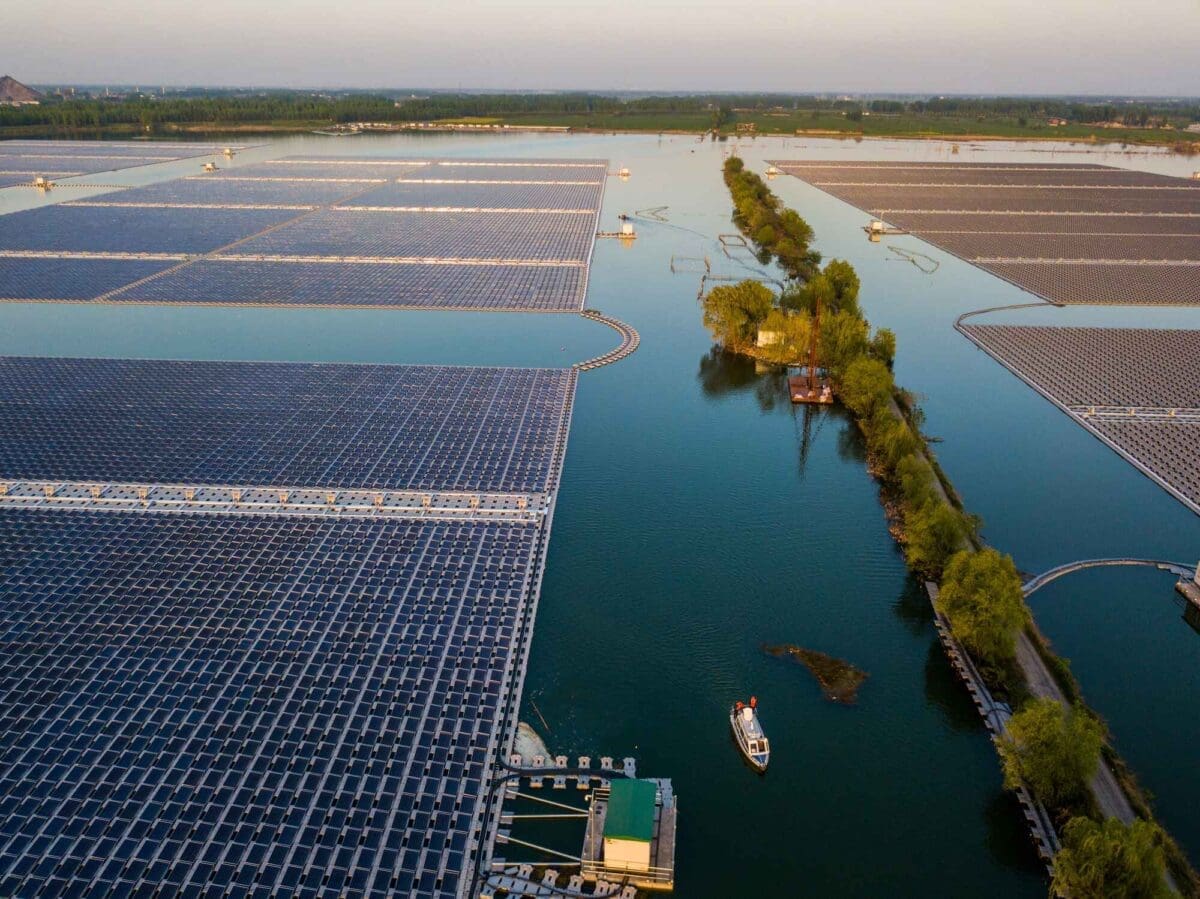
The installation of solar panels on bodies of water introduces a novel approach to solar energy generation, addressing land scarcity issues and capitalizing on the cooling effect of water to enhance efficiency. Floating solar farms unlock new opportunities for renewable energy deployment, particularly in regions where land-based installations are impractical or limited. This innovative solution promises to maximize energy production while minimizing environmental impact.
Quantum Dot Solar Cells
Quantum dot technology holds immense promise for enhancing the efficiency and performance of solar cells. By harnessing the unique properties of quantum dots, such as improved light absorption and energy conversion, these cells push the boundaries of solar energy technology. Quantum dot solar cells represent a significant advancement towards higher efficiency and more cost-effective solar power solutions.
Bifacial Panels
As their manufacturing costs have decreased and installation techniques have improved, bifacial panel adoption has greatly accelerated and is expected to continue to do so. Unlike traditional monofacial panels, bifacial panels utilize reflected and diffused light from surfaces like rooftops, ground or snow, leading to energy gains of up to 30 percent under optimal conditions. This makes them particularly advantageous for applications in large-scale solar farms, industrial rooftops and snowy or desert regions where reflectivity is high.
The usefulness of bifacial panels extends beyond higher energy yields. They have longer lifespans and lower degradation rates due to their durable construction, making them an attractive option for long-term investments in renewable energy. Combined with tracking systems, they can maximize sunlight exposure throughout the day, further enhancing their efficiency.
A Shift in Affordability
Cost has long been a barrier to the widespread adoption of solar panels. However, significant strides in cost reduction in solar panels are expected to make solar energy more economically viable than ever before.
Through economies of scale, streamlined manufacturing processes and innovative financing options, the once-prohibitive cost of solar equipment and installation steadily declines. Additionally, as solar technology matures, maintenance costs dwindle and system longevity increases, further enhancing the attractiveness of solar energy as a long-term investment.
Another big factor in the lowered cost of solar photovoltaics is the oversupply from China. As domestic demand in China weakens, the export market will continue to see a greater supply of solar panels being sold off at low rates.
That reduction in cost, however, can be eaten up by high tariffs imposed by countries protecting their markets from being dumped on. In September, the U.S. imposed a 25 percent tariff on solar panels from China. The federal government of Canada recently held consultations into potential tariffs on critical manufacturing from China due to unfair Chinese trade practices. They are currently reviewing the feedback and are expected to impose tariffs on a number of products including solar panels and batteries.
Empowered by Government Support
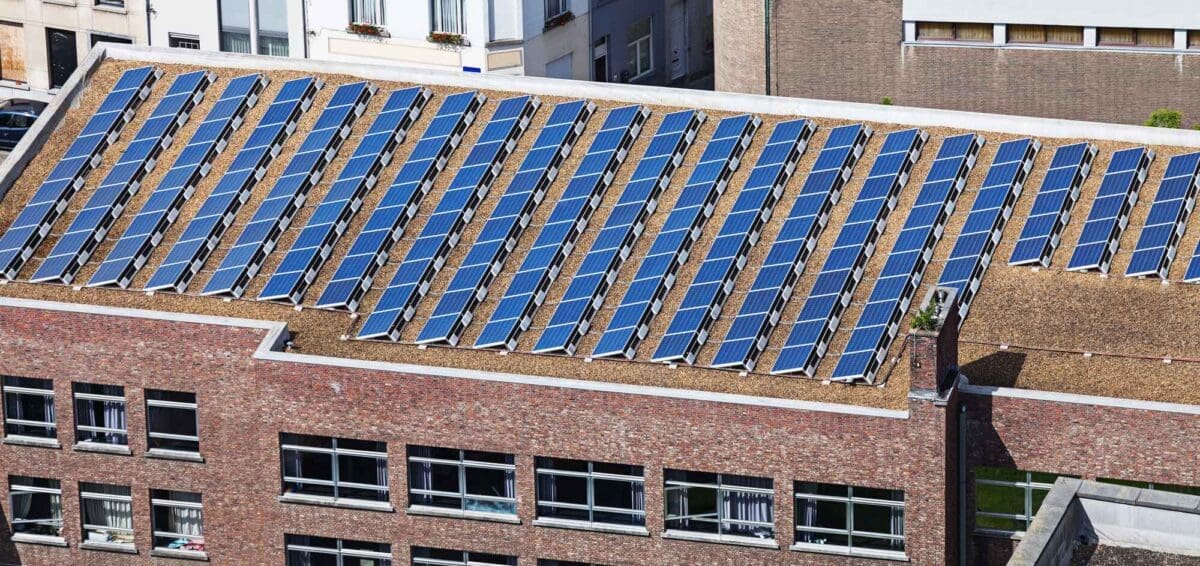
Government support plays a pivotal role in driving the adoption of solar energy. Ambitious renewable energy targets and incentive schemes are expected to create fertile ground for solar energy adoption.
Governments worldwide are rallying behind renewable energy initiatives, recognizing the urgent need to transition towards cleaner and more sustainable energy sources. These supportive policies not only accelerate the deployment of solar energy but also stimulate innovation and investment in the sector.
Furthermore, community collaboration through initiatives such as community solar projects democratizes access to solar energy, empowering communities to collectively invest in and benefit from renewable energy generation.
The landscape of solar energy in the latter half of this decade will be defined by remarkable innovation, increased affordability and enhanced accessibility through government incentives and financing options. By harnessing the boundless power of the sun, we will illuminate tomorrow with the assurance of clean, renewable energy for generations to come.
Get a Quote from a Solar Installer Near You
The following information helps us to find the best local professional to complete your project. You will be contacted by email shortly after submitting the form.