
8 Ways to Set Up Your Sofa for Better Flow and Use

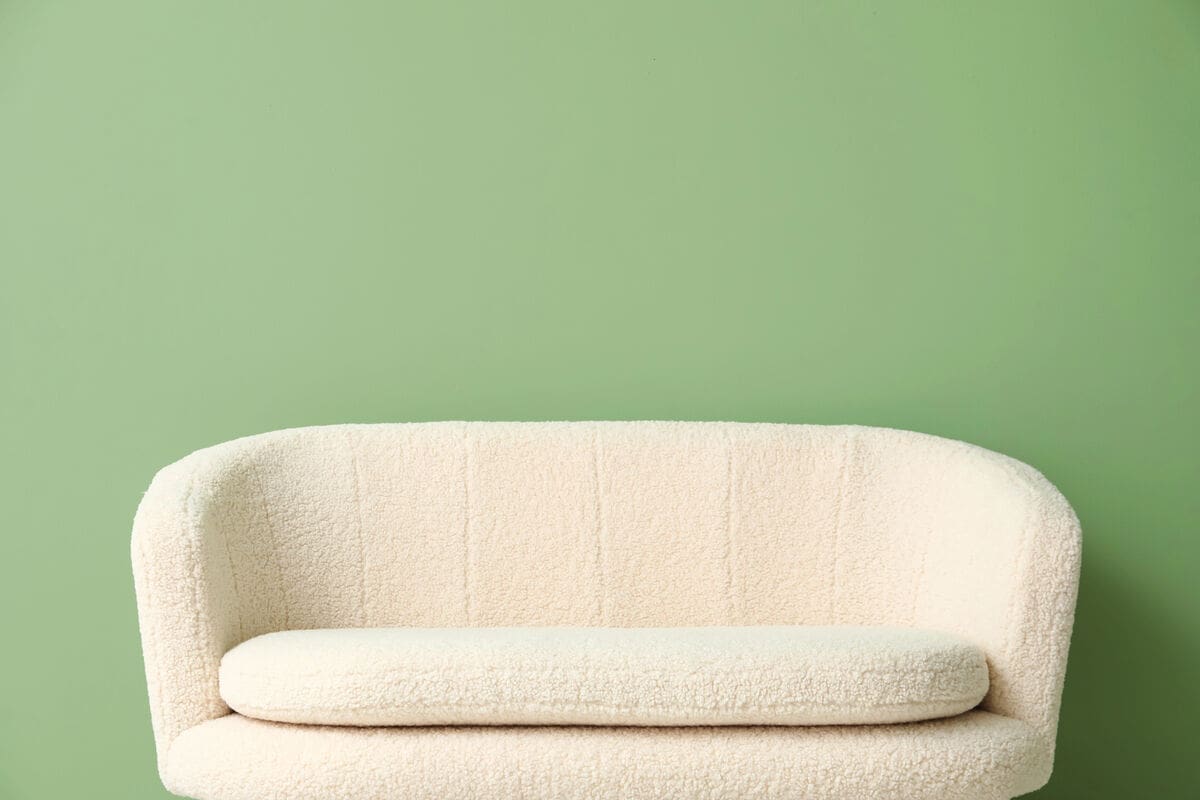
The placement of your sofa is important for both looks and function because it so often is the focal point of the living room. Putting your sofa in the right place can improve traffic flow, make conversations more comfortable and make your space more useful. This guide shows you eight proven ways to rearrange your living room to make it more useful and welcoming.
Make the Most of Your Living Room Space
Before moving furniture around, take a look at the size of your room, the doors, the windows and the natural light sources.
Your sofa should be in a place that makes it easy to move around and makes it easy for people to get together.
Think about how people naturally move through your room and place your sofa in a way that makes this flow easier instead of harder.
8 Ways to Arrange Your Sofa

Get the Green Building Project Checklist
Use this handy checklist on your next project to keep track of all the ways you can make your home more energy-efficient and sustainable.
1. The L-Shape Setup for Talking
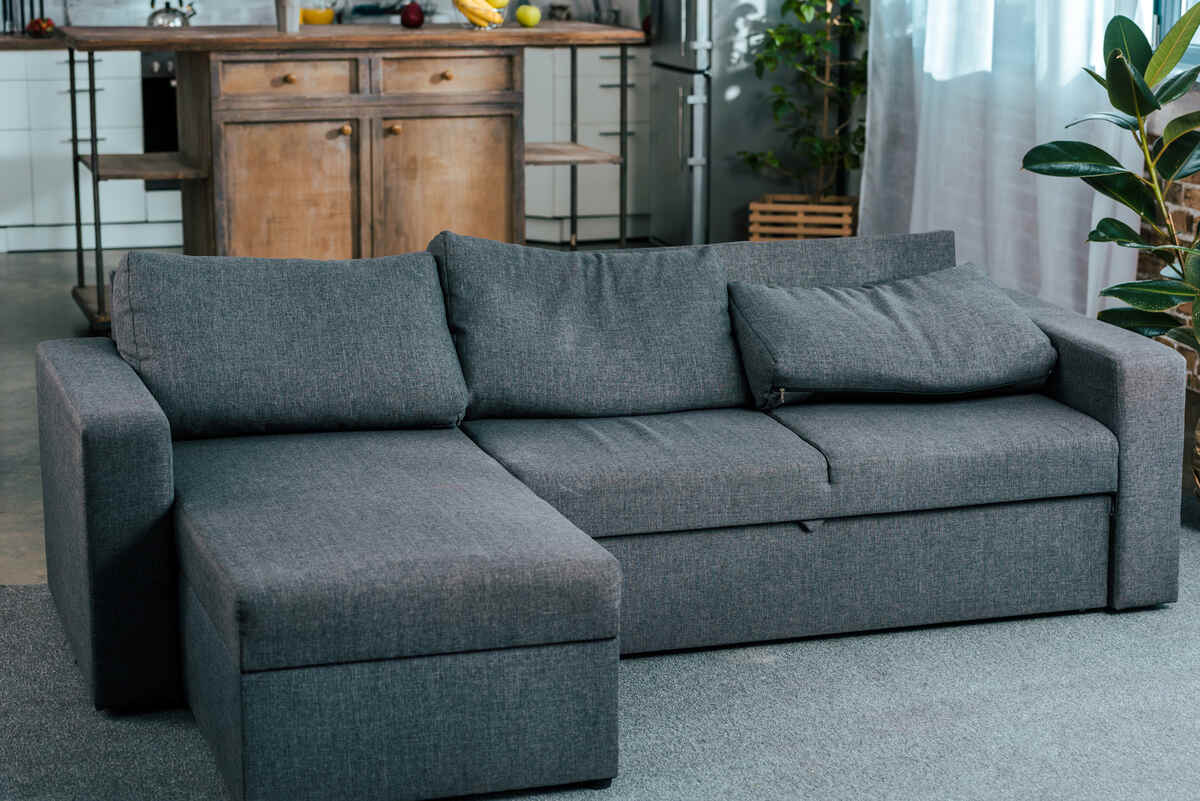
Put your sofa in an L-shape by putting a loveseat, chaise or accent chair next to it at an angle. This layout makes a cozy space for small groups to talk. Point both pieces toward a central point, like a coffee table or fireplace. This setup makes the most of seating in small spaces while encouraging people to talk to each other and move around the room naturally.
2. The Floating Island Setup
Put your couch in the middle of the room, away from the walls. This layout creates a separate living area in larger spaces and gives the eye a place to focus. Put it next to a TV console or entertainment centre on the other side to make a clear focal point. Floating arrangements make it easier for traffic to move around the outside of a room, and they also make smaller rooms feel bigger and create separate functional areas.
3. The Symmetrical Layout on the Wall
Put your couch against a wall and put matching accent chairs on either side of it. This classic layout makes the most of the floor space and gives the room a formal, balanced look. For more use, put a console table behind the coffee table and a coffee table in front. Symmetrical layouts are good for rectangular rooms and formal living rooms because they make it easy to see what’s going on and move around the room.
4. The Angle Arrangement for Making Corners Better
Put your couch in a corner of the room at a 45-degree angle to make use of unused space. This diagonal placement makes the room look more interesting, softens the hard lines at the corners and makes the most of the seating space. To make a cohesive group, angle accent pieces to match the sofa’s placement. Angled arrangements work best in open-concept spaces because they break up empty corners without affecting traffic flow.
5. The Tiered Setup in the Style of a Theatre
Put your sofa against a wall so that extra seating (like an ottoman or chairs) is at a slight angle facing your entertainment centre. To add depth, place furniture at different distances from your focal point. This setup is like theatre seating, which gives multiple viewers clear lines of sight. Theatre layouts make it as comfortable as possible to watch while keeping pathways open in your living space.
6. The Back-to-Back Dual-Purpose Layout
Put two sofas back-to-back to make separate areas for talking in the same room. This setup works really well in big, open spaces where you want to create several useful areas. Point each sofa toward a different focal point, like one toward the TV and the other toward the windows or another focal point. Back-to-back arrangements make good use of space and give you a lot of options for entertaining or relaxing.
7. The Design of the Sectional Wrap-Around
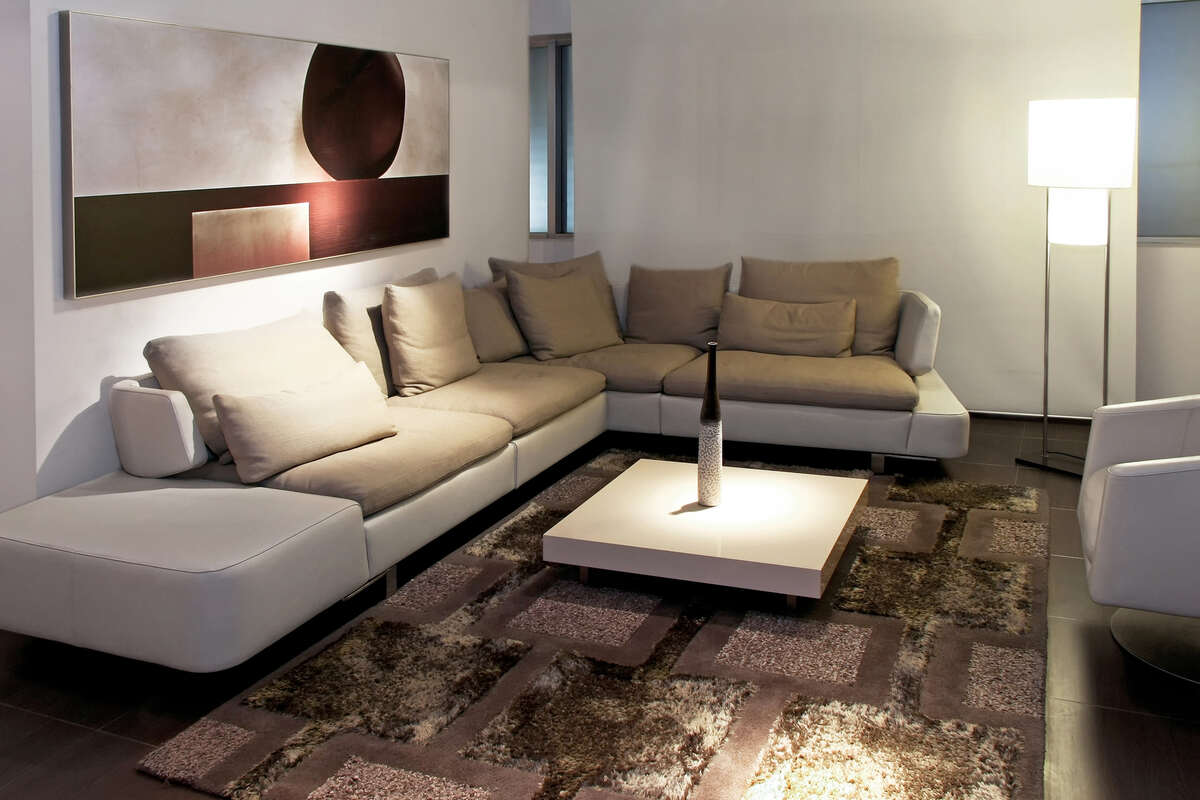
If you have a sectional sofa, place it so that it fits with the architecture of your room, such as wrapping around corners or along walls. Sectionals naturally create defined gathering spaces while accommodating more seating than traditional arrangements. Put a focal point (like a TV, fireplace, or window view) where the sectional naturally faces. Wrap-around arrangements make the room more comfortable and give people more chances to talk while keeping the flow of the room clear.
8. The One-Wall Open-Space Plan
Put your couch against one wall and keep the rest of the furniture to a minimum. This will make the room feel open and airy. This setup makes the most of the floor space and is especially good for small living rooms or studio apartments. Keep pathways clear and make sure you can see windows clearly. Open-space layouts make rooms look bigger and encourage people to move around, which is great for smaller homes that need to be flexible.
How to Choose the Right Sofa for Your Space
Choosing the right size sofa is essential to achieve the right balance of comfort for your home. When thinking about dimensions, though width of the sofa is the most important consideration since it determines how many people can fit on the sofa, also consider depth. According to The Brick, “Sofa depth typically ranges between 32 to 40 inches. A deeper sofa may be more comfortable for someone taller, or provide extra space for those who like to curl up on the couch.”
Quality stores offer a range of options that strike a balance between style and comfort, whether you need a small loveseat, a large sectional or a classic three-seater. When choosing between sofas, think about the size of your room, how people move around in it and how you live to make sure you’ll be happy with your choice for a long time.
Useful Tips for the Best Sofa Placement
When you set up your sofa, make sure there is at least 18 inches of space between the seating and the paths so that people can move around easily. To make natural sightlines, arrange sofas so that they face things like windows, fireplaces or entertainment centres.
Make sure there is enough light above or next to seating areas to improve both functionality and atmosphere. Make sure there is enough space behind the sofas for cleaning and maintenance. Before you finish your arrangement, try it out for a few days and make any changes that are needed to find the best balance between how it looks and how it works.
Your couch should be 1.5 to 2.5 times the diagonal length of your TV away from it (eg. for a 55-inch TV put your sofa 7 to 10 feet away). This distance keeps your neck from hurting and makes it easy to see. Change it to fit your tastes and the layout of your room.
Use your couch as a starting point to define the living area. Use area rugs, console tables or open shelving to mark off areas without blocking off space. Place sofas so that they face natural focal points and before you make a decision, test the arrangements to make sure that traffic flows logically and is easy to get to.
Images from Depositphotos
