
Looking for ways to make your home more energy efficient? Here we’ve got three ideas for you. By taking these simple steps, you can make your home much more energy-efficient and sustainable. Let’s dive in.
Install Energy-Efficient Garage Doors
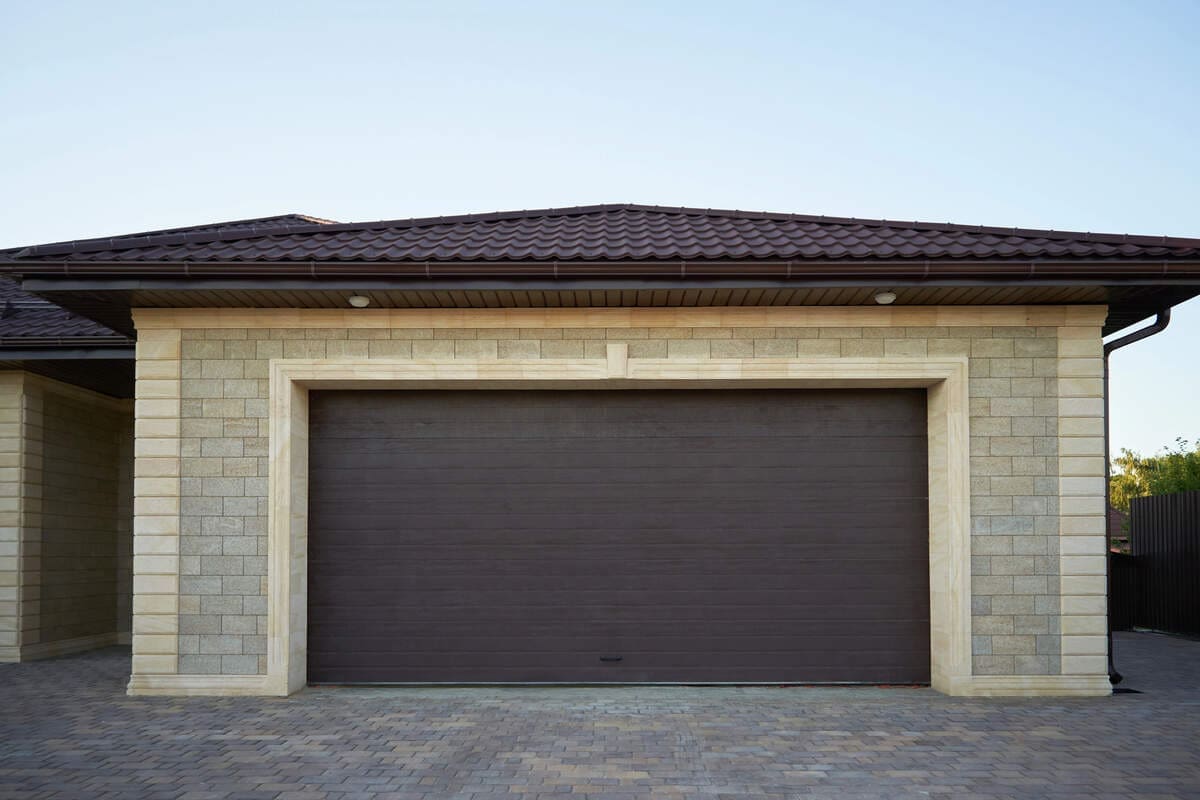
One of the most neglected places for home sustainability improvement is the garage. Being one of the biggest openings in your house, the garage door is an important part of energy efficiency. Old, poorly insulated garage doors can cause heat loss during winter and let hot air enter during summer. This can result in increased energy usage and utility bills. Going for an energy-efficient garage door can make a huge difference.
Energy-efficient garage doors perform better because they’re constructed using robust insulation materials. These materials create a thermal barrier and insulate the garage interior to keep it at a stable temperature. Not only does it complement the HVAC system but it also helps reduce energy bills quite significantly. This is especially true if you choose garage doors with advanced R-values, which can result in up to 70 percent savings in heat losses, making them a green choice.
Work with a reliable company that provides insulated and secure garage doors. They should have a range of options to suit various requirements, such as steel, aluminum and composite materials for garage doors. Energy-efficient garage doors do not just save money on your energy bills, they also enhance curb appeal with fashionable designs.
Upgrade to Energy-Efficient Windows and Doors

Get the Green Building Project Checklist
Use this handy checklist on your next project to keep track of all the ways you can make your home more energy-efficient and sustainable.
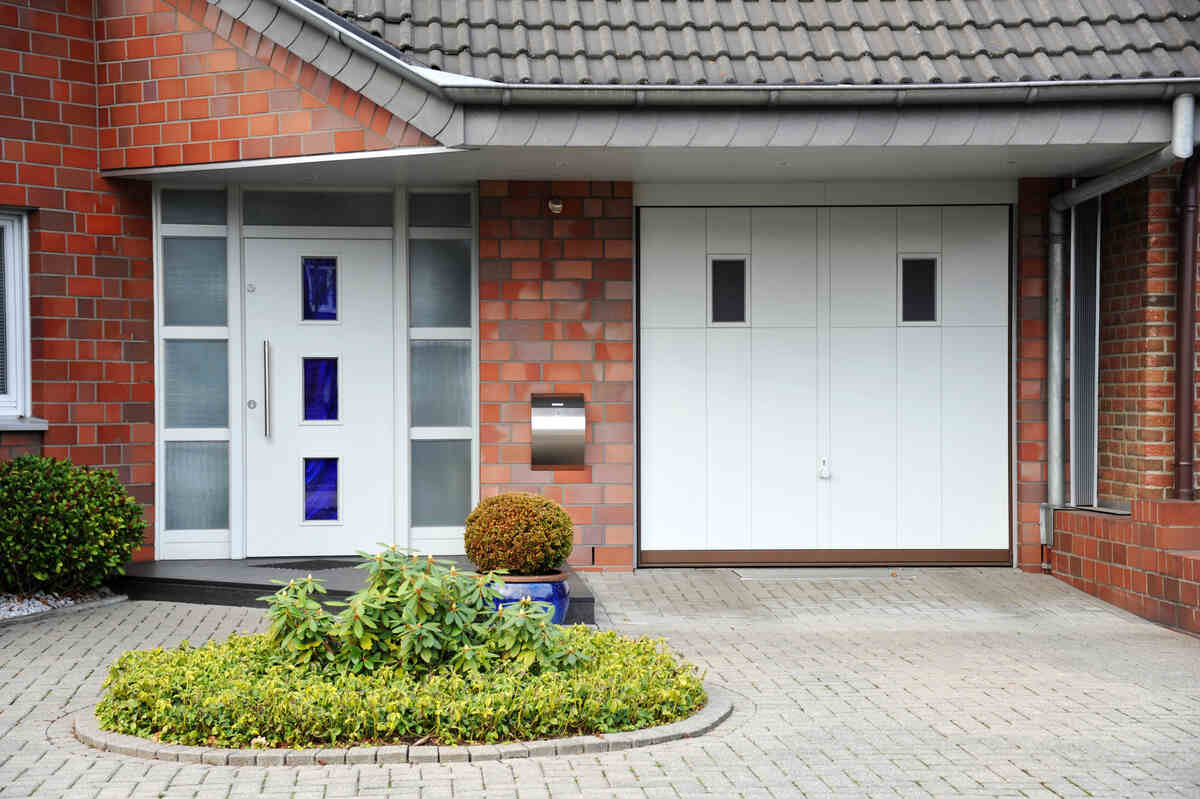
Just like garage doors, windows and doors inside your home are another significant area where energy efficiency can be maximized. Older doors and windows are not well-insulated and thus suffer from drafts and huge energy losses.
Energy-efficient windows like double- or triple-pane windows with low-emissivity (low-E) coatings can effectively reduce heat transfer while keeping indoor conditions comfortable. Also think about weatherstripping around your windows and doors to cover any gaps that could result in air leaks. This minor upgrade can further improve your home’s thermal efficiency at an affordable cost.
An important thing to remember is to select the right material when choosing new windows and doors. Go for sustainable products, such as recycled aluminum or wood that’s FSC certified. Not only are these materials effective at reducing one’s environmental footprint but they are also responsible for enhancing the aesthetic appeal of your property.
Invest in Renewable Energy Solutions
If long-term sustainability is on your mind, you must look closely into the idea of using renewable energy systems, like solar panels. Solar panels are efficient at harnessing the sun’s energy to generate electricity. By choosing this option, you reduce your reliance on fossil fuels, lower carbon emissions and limit your environmental footprint.
Installing solar panels can produce enough energy to power essential appliances or more than that, depending on how many you install. While you have a large upfront cost, the move pays off in the long run, especially if you qualify for government rebates. You can also consider installing wind turbines (if possible) and heat pumps to further reduce your home’s carbon footprint.
Going green and maintaining a sustainable home doesn’t have to be difficult. It’s mainly about making some thoughtful and impactful renovation choices. You can make a big impact by switching to some simple but smart upgrades. Be prepared to play your part and take steps that take you closer to a greener lifestyle.