A compact backyard doesn’t have to mean limited possibilities. With thoughtful planning and creative design, even the smallest outdoor area can become a vibrant extension of your home. With a bit of creativity and thoughtful planning, even a small patio or modest garden can become a multifunctional, stylish retreat. Whether you’re dreaming of a cozy reading nook, a vibrant entertaining zone or a lush urban garden, this article will show you how to turn your limited outdoor space into a place that lives large – and looks even better.
Assessing Your Space and Needs
Before you start searching around for a company that offers landscaping design services for residential properties, it’s a good idea to first take a step back and understand what you’re working with and what you truly want from the space. Start by measuring your backyard’s dimensions and sketching out a simple layout that includes any existing features like patios, trees, fences or garden beds. Pay attention to how sunlight moves through the area during the day, as this will influence where to place seating, plants or shade structures.
Next, think about your lifestyle and how you want to use the space. Do you imagine sipping morning coffee in a cozy corner nook, hosting dinner parties under string lights or giving your kids room to play and explore safely? Identifying your top priorities will help you make design decisions that are both practical and personal.
Also consider any potential challenges – such as uneven ground, privacy concerns or poor drainage – that may need addressing. By aligning your backyard’s layout with your daily habits and long-term goals, you’ll be better prepared to create a space that feels not only beautiful, but also genuinely liveable.
Design Principles for Small Backyards
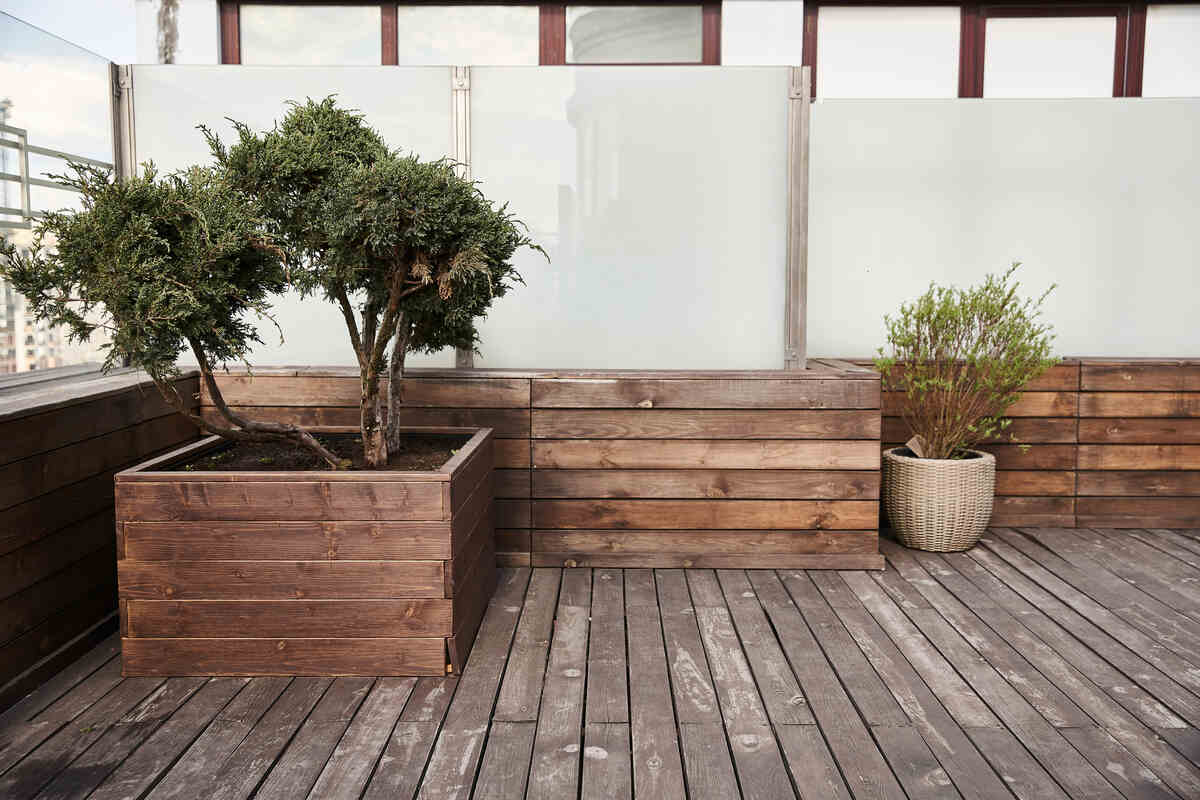
Designing a small backyard requires creativity and intention. Every square metre must work hard to deliver both function and beauty. One of the most important principles is to embrace multi-functionality. Select features that serve dual purposes to save space and add convenience. For example, a built-in bench can also act as a storage unit for garden tools or cushions, while raised planters can be used as seating or natural dividers to zone off different areas of the yard.
Get the Green Building Project Checklist
Use this handy checklist on your next project to keep track of all the ways you can make your home more energy-efficient and sustainable.
Another key strategy is to create visual flow to help the space feel larger and more connected. This can be achieved through the use of pathways, pavers or continuous decking that guides both the eye and movement throughout the yard. Curved lines and diagonal layouts are especially useful in breaking up rigid rectangular spaces, adding a sense of motion and expansiveness even in tight quarters.
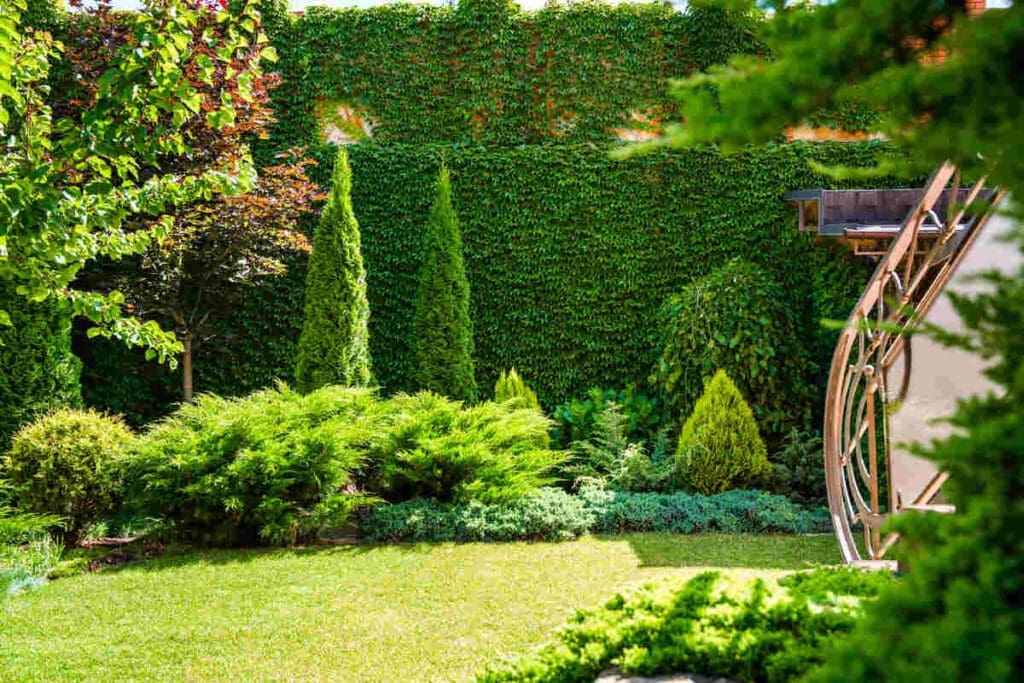
To further maximize space, think vertically. When ground area is limited, draw the eye upward with features like trellises, wall-mounted planters, vertical gardens, or tall, narrow trees and shrubs. These elements not only add greenery and privacy but also contribute depth and dimension to the overall layout.
Smart lighting, too, plays an important role – use soft uplighting on trees or structures to expand the space visually after dark. Lastly, maintain cohesion in materials and colour palette to prevent visual clutter. A simple, unified design feels more spacious and inviting than one that’s busy or mismatched.
Selecting the Right Features
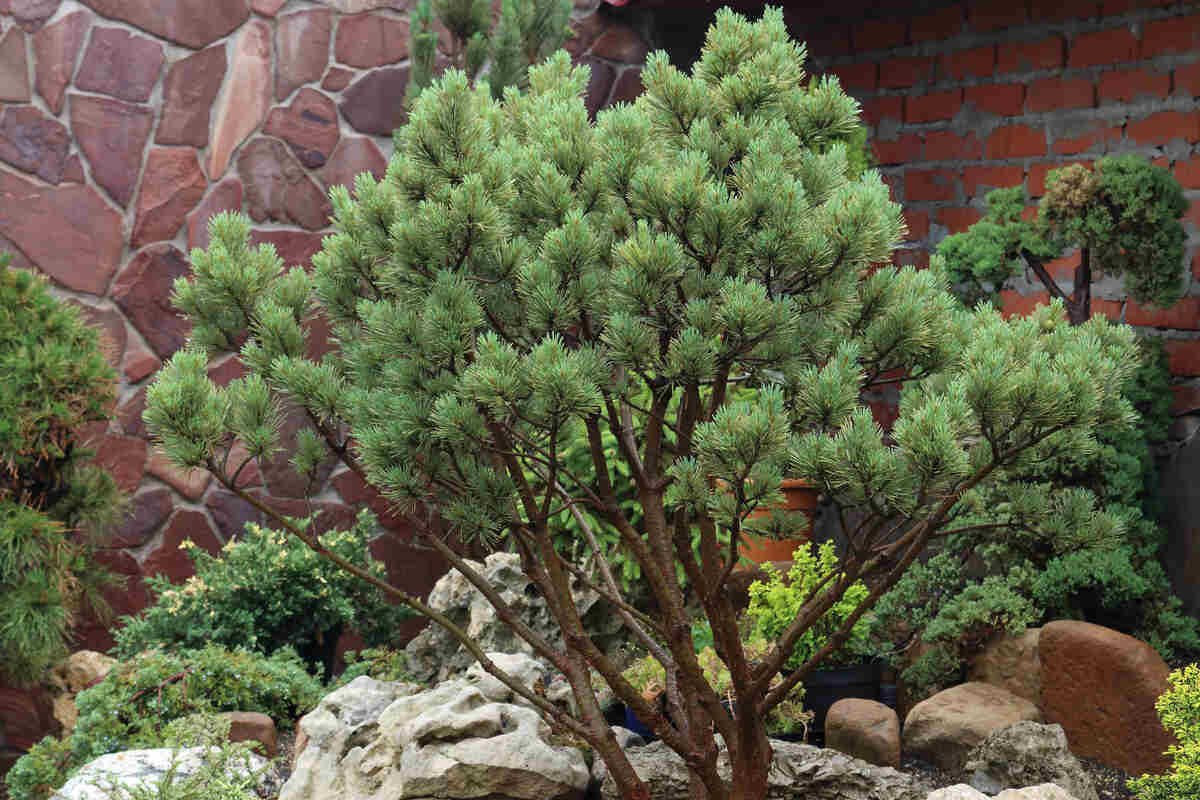
Every feature in a small backyard should earn its place. Focus on quality over quantity, and select items that enhance both aesthetics and usability. Here are some ideas to consider.
Compact furniture – Opt for slim-profile tables and chairs, foldable pieces or built-in seating to maximize available room.
Smart plant choices – Select plants that thrive in your climate and suit the scale of your yard. Dwarf varieties, columnar trees and trailing vines can add greenery without overwhelming the space.
Water features – A small fountain or bubbling urn can introduce soothing sounds and a sense of tranquility, even in the tiniest garden.
Integrated lighting – Use wall-mounted sconces, solar stake lights or LED strip lighting under benches and steps to create ambiance and extend the usability of the space into the evening.
Matching Design to Your Home’s Architecture
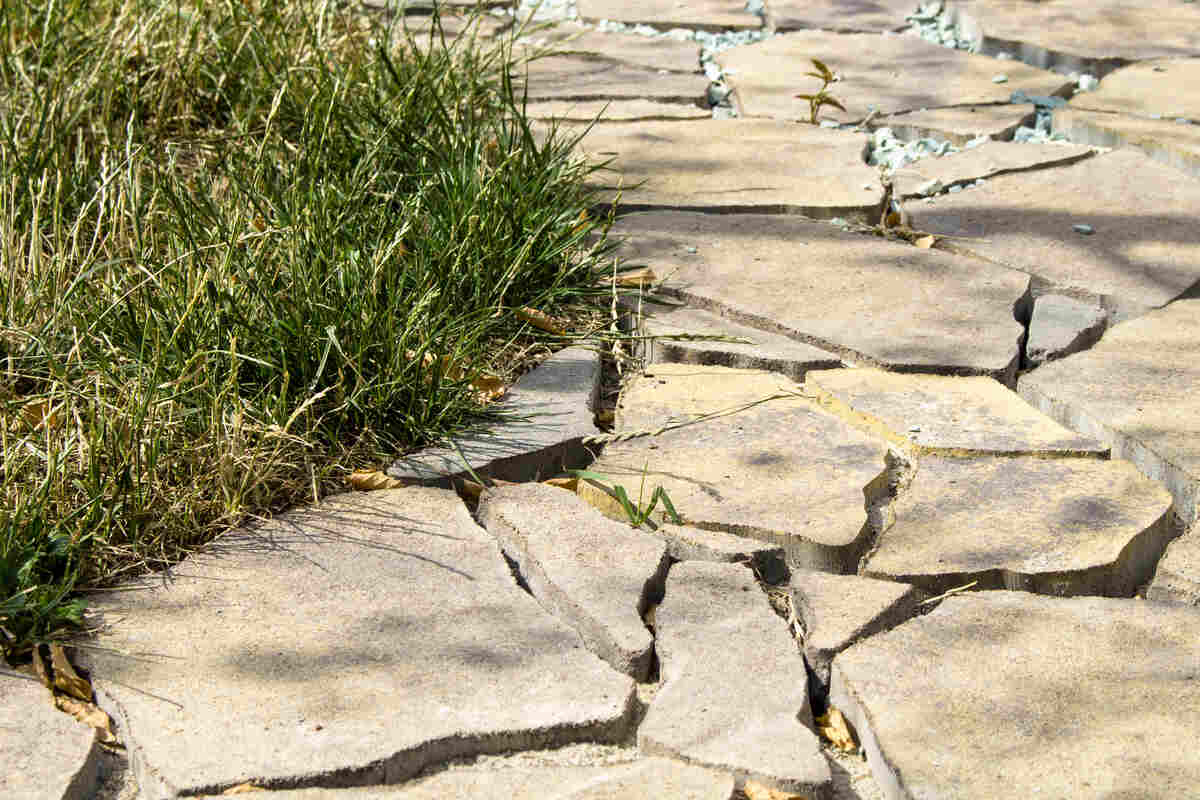
A harmonious backyard design should complement your home’s architectural style. For a modern residence, clean lines, minimalist plantings and neutral tones create a seamless transition from indoors to outdoors.
Traditional homes often benefit from classic materials like brick or stone, lush borders and symmetrical layouts. If your house has a cottage or rustic feel, consider informal pathways, mixed plantings and natural wood accents to enhance the cozy atmosphere.
Clever Storage Solutions
Keeping a small backyard tidy is essential for maintaining a sense of openness. Integrate storage wherever possible to reduce clutter and keep essentials close at hand. Some effective options include:
Bench storage – Built-in benches with hidden compartments provide seating and a place to stow cushions, tools or toys.
Vertical storage – Incorporate trellis shelving or narrow garden cabinets to keep tools and accessories organized without eating up floor space. Slim, upright storage units fit neatly against a wall or fence, offering space for gardening supplies without encroaching on usable area.
Hanging racks – Wall-mounted hooks or shelves can hold everything from garden tools to decorative lanterns, freeing up floor space.
Enhancing Ambiance with Lighting

Thoughtful lighting can make a small backyard feel magical after dark. String lights, solar-powered path markers, and uplighting for trees or architectural features add warmth and depth. Layering different types of lighting allows you to create zones for dining, relaxing, or entertaining, extending the usability of your outdoor space well into the evening.
Making the Most of Every Inch
To truly maximize a compact backyard, pay attention to the details. Use reflective surfaces to visually expand the area. Choose a cohesive colour palette to unify the space and avoid visual clutter. Incorporate moveable elements, such as rolling planters or portable fire pits, to adapt the layout for different occasions.
A small backyard can deliver a big impact with the right design strategies. By focusing on multi-functional features, vertical elements, and a style that complements your home, you can create an outdoor haven that feels spacious, inviting and uniquely yours.
Images from Depositphotos