
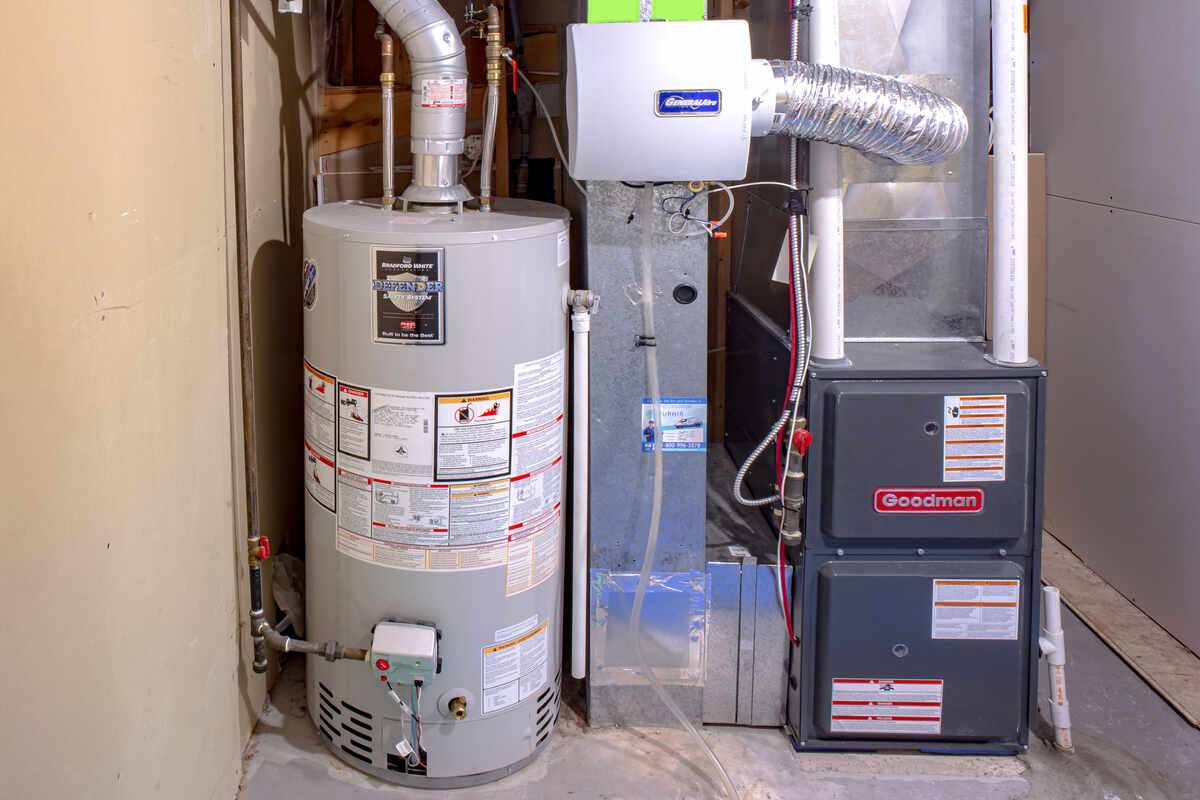
On average, a heating system lasts 15 to 20 years before major problems arise. Warning signs such as unusual noises or rising heating costs indicate aging. However, many defects go unnoticed until they cause expensive damage. Every year, around 40 percent of heating failures worldwide are caused by outdated components. Replacing them in good time protects against energy loss and safety risks. Regular inspections are particularly important for detecting gradual deterioration at an early stage.
Common Furnace Defects
The furnace is the centre of every heating system. Defects are particularly common in appliances that are over 15 years old. Signs such as knocking noises or high energy consumption should not be ignored. According to a study by the Canadian Energy Association, an inefficient furnace can increase heating costs by up to 30 percent. Noticeable temperature differences within the home are also a sign of problems.
Many of these defects are caused by corrosion or material fatigue. Experts report that regular maintenance can often prevent such damage. When maintenance doesn’t happen one has to turn to furnace repair or if it’s beyond fixing (or too costly to fix), replacing the furnace. A damaged control unit is another common issue. This often causes the furnace to operate in an irregular manner.
Rising Heating Costs
Higher heating costs are one of the first signs of an inefficient system. Old heating systems lose efficiency over time. On average, energy costs increase by about 5 percent per year for systems that are not regularly serviced. The overload is particularly noticeable during periods of severe cold.
An outdated heat exchanger is a common cause of increased costs. This no longer converts heat efficiently and requires more energy. Studies show that households with modern heating systems can save up to 25 percent on their heating costs. Worn pumps and valves also drive up costs.

Get the Green Building Project Checklist
Use this handy checklist on your next project to keep track of all the ways you can make your home more energy-efficient and sustainable.
Irregular Heat Distribution
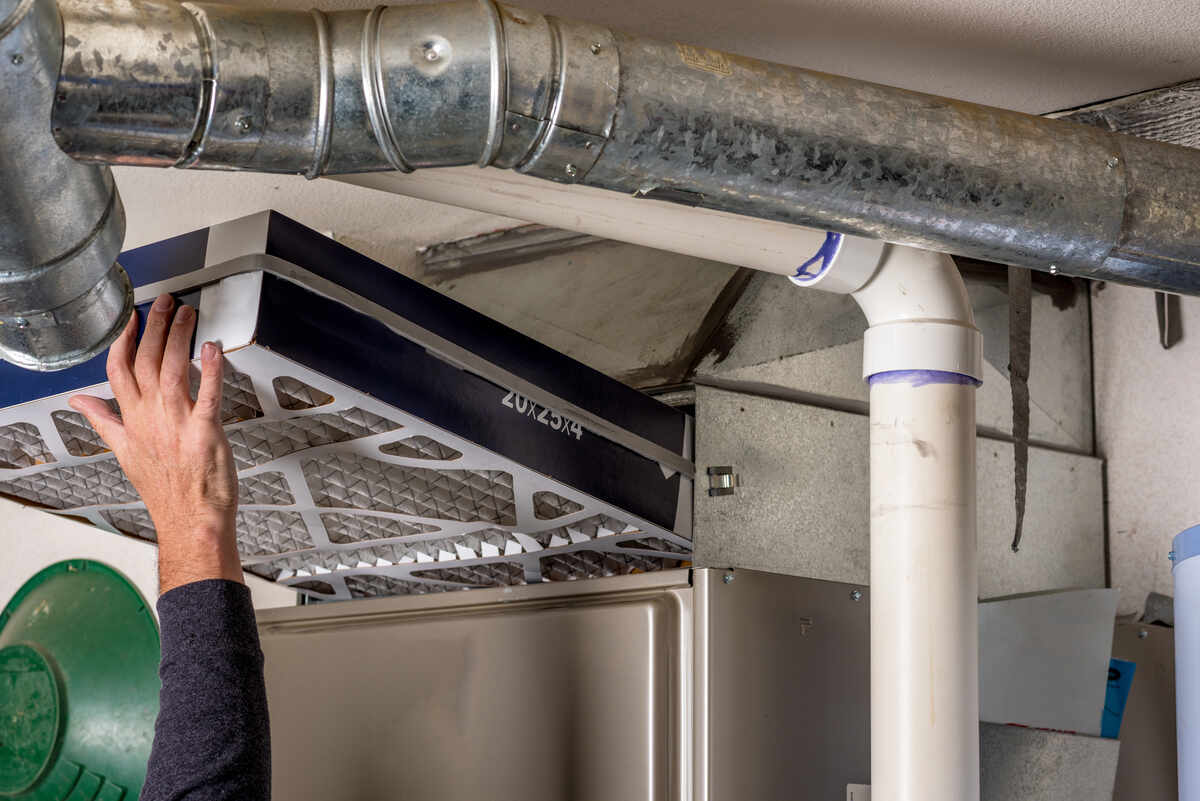
Uneven heat is a common problem with older heating systems. Some rooms remain cold while others overheat. Such problems often arise from defective thermostats or inadequate insulation. Uneven heat distribution significantly reduces living comfort.
Studies show that 40 percent of heating systems with outdated components are affected. Clogged pipes or deposits in the system impede heat transfer. This issue is particularly common in old buildings. Incorrectly set heating circuits can also be the cause.
Safety Issues
Safety risks are the biggest argument in favour of replacement. Old heating systems pose dangers such as carbon monoxide leaks or gas escapes. Inadequate maintenance significantly increases this risk. According to an international study, 15 percent of all heating failures are due to safety issues.
Defective exhaust gas ducting is one of the most common causes. Uncontrolled gas leaks can be life-threatening. Overheated components also pose a problem. Such damage often goes undetected until an emergency occurs.
Strange Noises
Unusual noises coming from the heating system are a clear warning sign. Cracking, whistling or knocking sounds often indicate mechanical problems. These are usually caused by worn components, air in the system or incorrect pump settings. According to a study by the German Energy Consulting Association, 25 percent of all noises can be traced back to wear. Ignoring noises can quickly lead to more serious defects that require expensive repairs.
Thumping noises are typically caused by pressure issues or deposits in the pipes. These blockages prevent heat transfer and increase the load on the pump. Whistling sounds can be caused by damaged valves that no longer regulate the water flow properly. The age of the system also plays a role, as older devices are more susceptible to such problems.
Read more on this topic in Average Furnace Cleaning Cost in Canada.