
If you’ve lived in a city your whole life you’ve probably never had to deal with a septic tank as all your human waste gets magically shuttled away underneath you without you ever having to think about it. But if you’re now living rurally, it’s a different story. So before you get yourself into a stinky situation with your septic, read this maintenance guide. And if you’re sitting on the can while you’re reading, great, you’ll be even more motivated to keep the pipes clean.
How Do Septic Systems Work
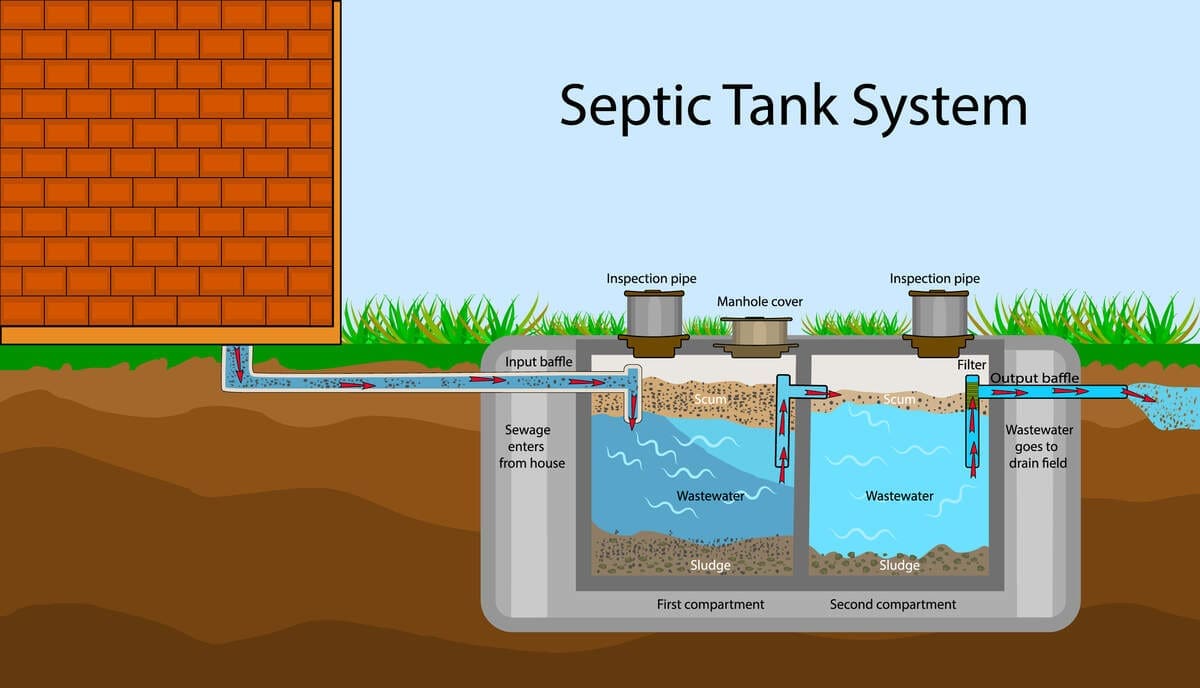
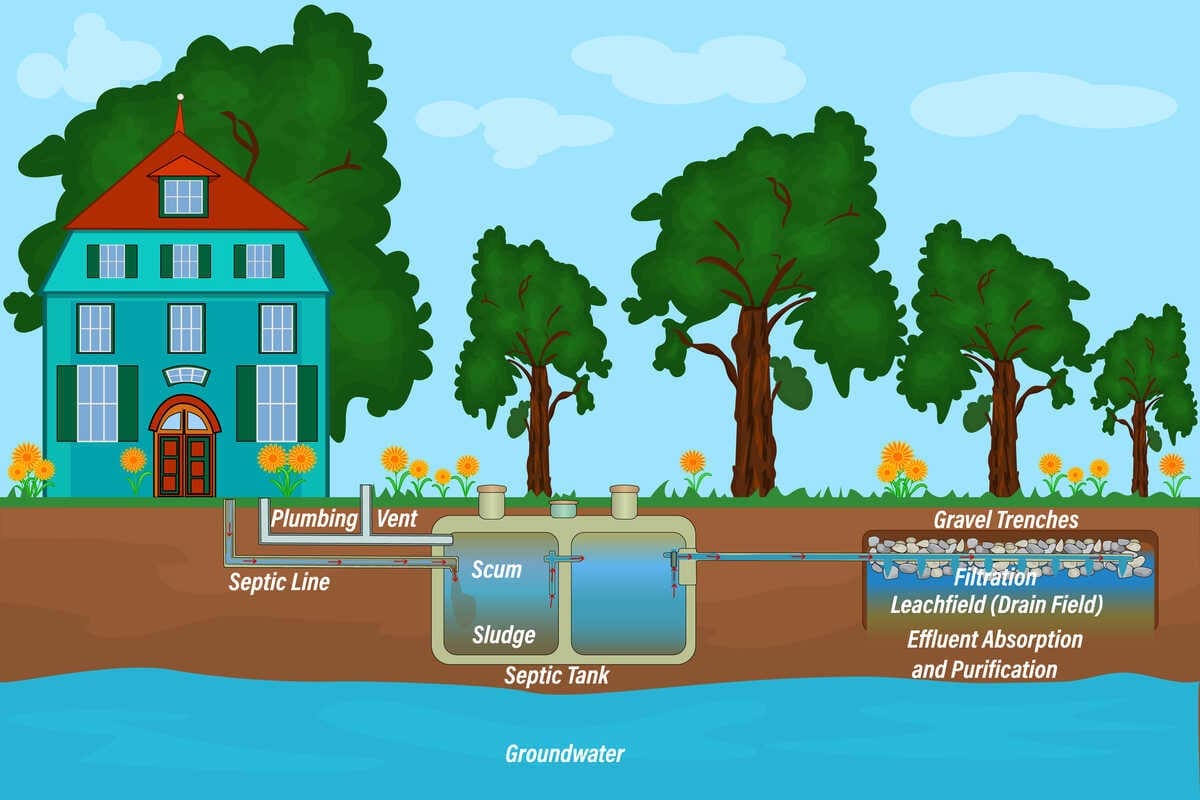
A septic system is made up of a tank and a drain field. Wastewater from your home flows into the tank, where solids settle at the bottom, forming sludge, while oils and grease float to the top, creating a scum layer. The liquid wastewater, or effluent, exits the tank into the drain field, where it’s naturally filtered by the soil. This process helps prevent contaminants from reaching groundwater or surface water.
Understanding the basic operation of your septic system is crucial for recognizing potential issues. If solids are not adequately separated from the wastewater, they can clog the drain field, leading to system failure. Regular inspection and maintenance can help you catch problems early, ensuring your system remains effective.
Septic systems are like a backyard sewage treatment plant. For those who want more control over the human waste they produce, a septic system is your chance for that. With the exception of the septic pumper truck coming once every few years, the whole process happens on site.
Septic systems are also an environmentally friendly way to handle your waste since they work using a natural process – bacteria in the septic tank breaks down the waste and the soil in the drain field filters and purifies the water before re-entering the earth.

Get the Green Building Project Checklist
Use this handy checklist on your next project to keep track of all the ways you can make your home more energy-efficient and sustainable.
Signs of a Failing Septic System
To maintain a septic system you have to know what problems to keep an eye out for. The following warning signs may indicate that your septic system is failing: slow drains, sewage backups, or unpleasant odours around your home. Additionally, lush patches of grass over the drain field may indicate excessive effluent surfacing.
Acting promptly when you notice these signs can prevent more severe problems. Ignoring them might result in extensive repair costs and environmental contamination. Early detection and intervention can save you time, money and inconvenience in the long run.
When to Seek Professional Help
While some maintenance tasks can be performed by homeowners, there are times when professional assistance is necessary. If you experience persistent issues like the ones mentioned in the section above, it’s advisable to contact a septic service professional. They have the expertise and equipment to diagnose and resolve problems that may be beyond your capability.
Regular professional inspections can identify hidden issues before they escalate. Professionals can also advise on the best practices for maintaining your system and complying with local regulations. By seeking expert help for pumping your septic tank, you can ensure that it’s emptied correctly and the waste can be disposed in an environmentally friendly manner. It’s recommended to have your septic tank pumped every 3 to 5 years depending on the size of your household and usage habits.
Common Mistakes Homeowners Make with Septic Systems
In general, septic systems will function properly as long as you don’t dump the wrong things down yours drains. And that means all your drains: toilet, sink, shower, kitchen, etc.
Do not put the following down your drain:
Non-biodegradable items – wipes, feminine hygiene products, condoms, dental floss, paper towels, diapers
Chemicals – paint and paint thinners; household cleaners like bleach (use natural alternatives like vinegar and baking soda or products that are guaranteed to be septic-safe); pesticides; pharmaceuticals; motor oil; solvents
Food waste – oil and grease, coffee grounds, eggshells, produce stickers, large food particles
Other – hair, cigarette butts, cat litter, anything non-biodegradable or chemicals
The above materials do not break down easily and can contribute to the buildup of sludge in the tank, leading to potential clogs and system failure. Some of the above items, like chemicals, impact your system in a different way as they kill off the bacteria in your septic tank, which are essential to breaking down the solid waste.
Another frequent error is overloading the septic system with too much water. Excessive water flow can overwhelm the system, preventing solids from properly settling in the tank and allowing them to enter the drain field. This can result in clogs and eventual system failure. To avoid this, homeowners should be mindful of their water usage, especially during activities like laundry and dishwashing. Installing water-efficient fixtures and spreading out water usage throughout the day can help mitigate this issue.
List of cleaning products safe for septic systems:
- Vinegar
- Lemon juice
- Baking soda
- Borax
- Salt
- Cleaning products that have a trusted certification, such as Ecocert or Environmental Working Group (EWG). Search through this list of EWG Verified products for a trusted list. Many products claim to be green, but are not. Though there can be products that are not certified that are completely non-toxic and safe, there are many more that make that claim, when in fact, they are not.
Regular Maintenance, Inspection and Troubleshooting
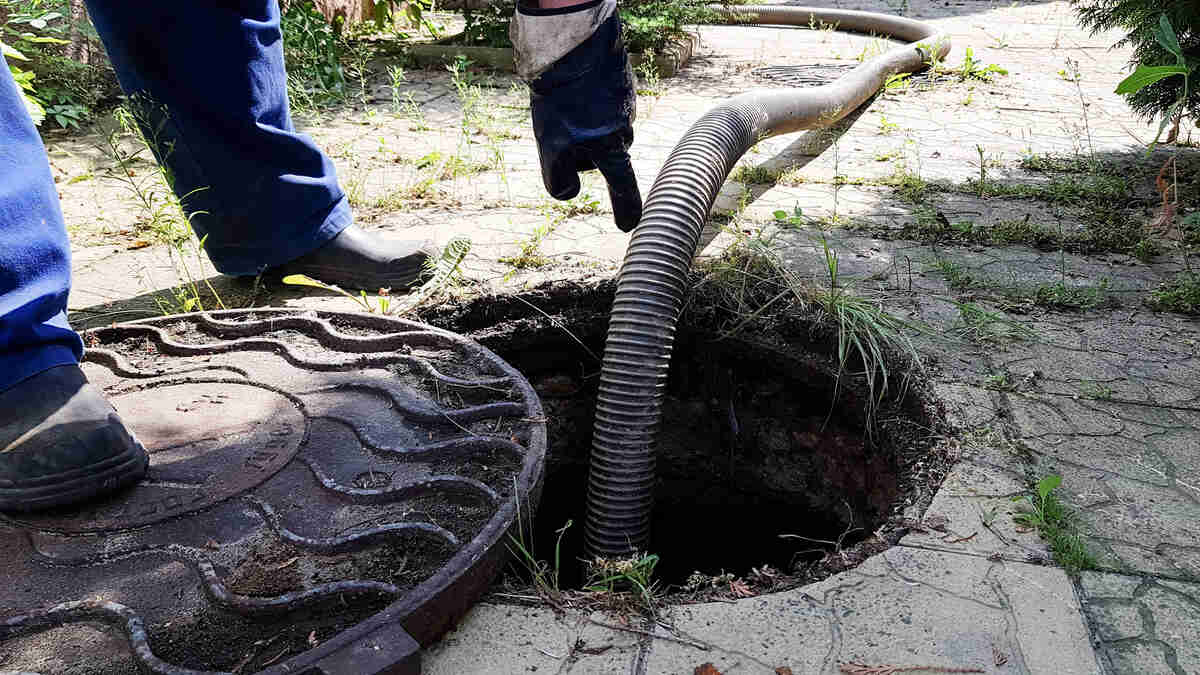
Routine maintenance is key to keeping your septic system in good working order. Experts recommend having your septic tank inspected and pumped every three to five years, depending on the size of the tank and the number of occupants in your home. Regular pumping removes accumulated sludge and scum, preventing them from clogging the drain field.
It’s important to monitor your system for leaks or other issues. Familiarize yourself with local regulations and guidelines for septic system maintenance, as they can vary by region. Proper and timely care can extend the life of your septic system and keep it functioning efficiently.
If you’ve already dumped some of the non-biodegradable items mentioned above into your septic tank, you might need to pump your tank out sooner than planned as they can clog up your system.
If you’ve dumped chemicals down your drain, you can try feeding your system bacterial additives, which are a powder that you simply pour into your toilet and flush down. These will help restore the bacterial balance in your septic system. They work in kind of the same way we take probiotics to restore our gut bacteria after taking antibiotics. But know that it’s not good to rely on these bacteria, you should only add them if you have a problem that needs to be fixed.
The real way to prevent problems is by educating household members about what should and shouldn’t be flushed. When doing that, your septic system has the right bacterial balance to maintain itself – just like your body!
What measures are effective in preventing septic tanks from freezing?
A layer of mulch over the pipes and septic tank will help prevent the system from freezing. Introducing warm water into the septic tank will also help prevent freezing, so hot baths and efficient use of dishwashers and washing machines will keep the ice away.
How to ensure that the microbe population thrives in a septic system?
Follow a few rules to ensure a healthy population of microbes in your septic tank. Avoid putting chemical cleaners and antibacterial soaps into the system. Apart from toilet paper, don’t let anything you have not eaten or drunk find its way into your septic tank. Several good bacteria products are available to replenish the microbe population in your septic system.
What plants are suitable to plant over a drain field?
A wide variety of plants can be used to cover a drain field. The only limitation is that the plants’ root systems should be shallow. One of my favourites is lavender, which provides a pleasing combination of beauty and fragrance.
Eco-Friendly Practices for a Healthy Septic System
Incorporating eco-friendly practices can significantly enhance the longevity and efficiency of your septic system. Using environmentally friendly cleaning products, such as biodegradable soaps and detergents, reduces the risk of harmful chemicals entering your septic system. Harsh chemicals can disrupt the natural bacterial processes essential for breaking down waste, leading to potential malfunctions. Opting for green products is not only beneficial for your septic system but also for the environment as a whole.
Planting grass or shallow-rooted plants over your drain field can improve its efficiency. These plants help absorb excess water and prevent soil erosion without interfering with the underlying pipes. However, it’s important to avoid planting deep-rooted trees or shrubs, which can damage the system with their roots. Maintaining a healthy vegetative cover over your drain field ensures proper filtration and absorption of effluent, keeping your system functioning optimally.
Cost-Effective Upgrades for Your Septic System

Certain upgrades can benefit you. One such upgrade is installing effluent filters at the outlet of your septic tank. These filters can trap particles that may otherwise clog the drain field, providing an additional layer of protection for your system. They are relatively inexpensive and can extend the life of your septic system by preventing blockages.
Another valuable upgrade is the installation of a riser, which provides easier access to the septic tank for inspections and pumping. Risers bring the tank’s access point closer to the surface, eliminating the need for extensive digging during maintenance visits. This not only reduces labour costs but also makes regular maintenance more convenient. By implementing these cost-effective upgrades, homeowners can save money in the long term and enhance the efficiency and durability of their septic systems.
Proper septic tank maintenance is essential for every homeowner to ensure a safe and healthy living environment that also smells good. By understanding how your system works, not putting the wrong substances down the drain and maintaining it properly, it’s possible your septic system could last for up to 50 years.
Learn how to make your own septic system in our DIY guide How to Build a Septic System for Your Property.
Feature image & image 1: KajaNi; image 2: nataliyavn; image 3: dcwcreations

Thank you for this useful and informative article.
As a rural resident living with a 6-year old septic system, I learned from my plumber (not the septic installer) that the removable filter just beneath the lid covering the piping to the drainage field should be lifted out and hosed down every year or two. A problem occurred when the toilets wouldn’t properly flush and I was completely unaware of the (reasonably simple) maintenance chore. There exist several videos on Youtube describing the process.
The advice to avoid excessive amounts of water to enter the septic tank implies that the adage “if it’s yellow let it mellow “ makes sense. Does it?
It sure does – as long as the other members of the household are OK with it, it’s a positive thing!