
Septic Tank Cleaning vs. Pumping
Understanding the Key Differences

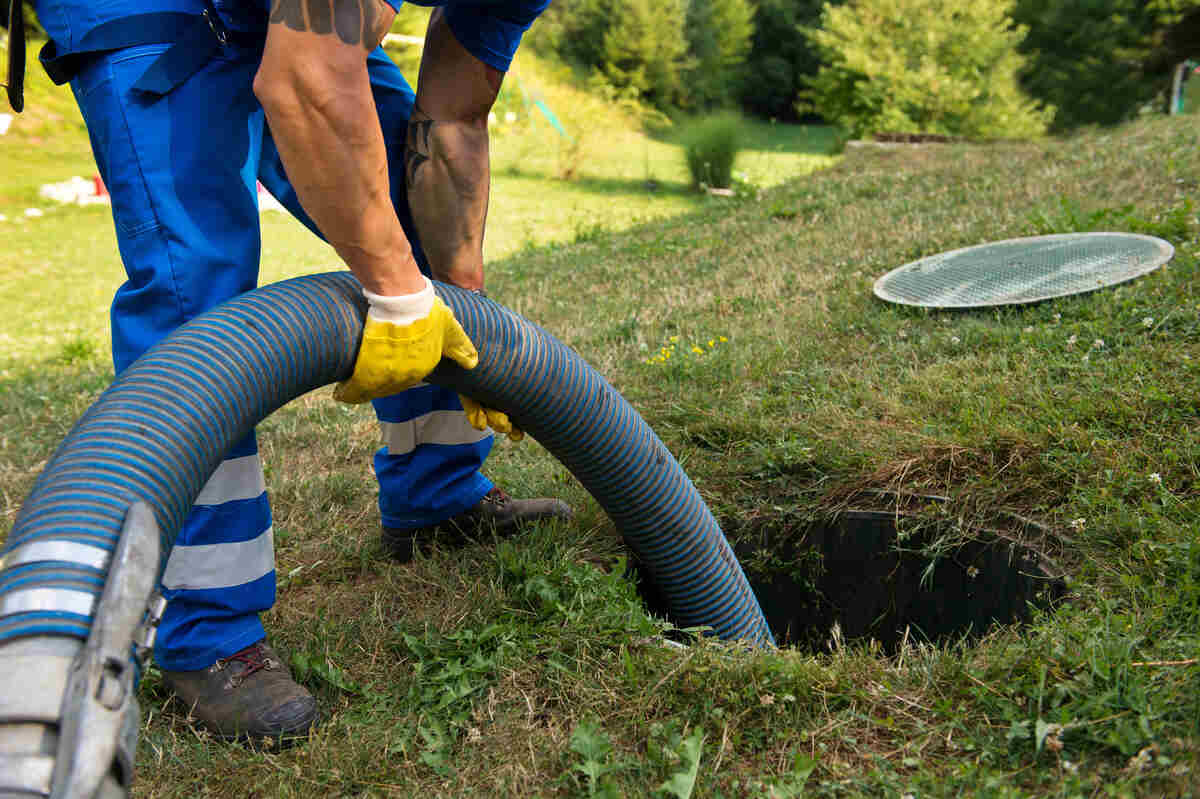
A well-maintained septic system is the backbone of wastewater management for many rural properties. Yet, homeowners often confuse two critical services: septic tank cleaning and pumping.
Both services support septic system health and help avoid costly repairs. But while septic tank cleaning involves thorough removal of sludge and scum buildup, pumping focuses just on extracting wastewater to prevent overflow. Understanding these differences helps prevent costly repairs and makes sure smooth operation year-round.
By addressing common misconceptions and outlining best practices about septic tank cleaning and pumping, you’ll be equipped with the knowledge needed to make informed decisions about your residential septic solutions.
Contents
What Is Septic Tank Cleaning?

Get the Green Building Project Checklist
Use this handy checklist on your next project to keep track of all the ways you can make your home more energy-efficient and sustainable.
Septic tank cleaning is a comprehensive process designed to remove accumulated sludge, scum and debris from your septic system. This service goes beyond basic maintenance, targeting the buildup that can compromise system efficiency over time. By addressing this buildup, septic tank cleaning plays a vital role in promoting septic system health, preventing issues such as blockages and overflow.
Why Is It Necessary?
A clean septic tank ensures proper wastewater management, which is critical for rural properties relying on independent systems. Key reasons for regular cleaning include: preventing costly repairs caused by sludge accumulation, reducing unpleasant odours linked to septic tank neglect, and supporting the longevity of your residential septic solution (with a replacement cost of about $20,000 or $30,000 this is one part of the home you want to keep maintained).
How Does It Work?
Professional technicians use advanced equipment to access and thoroughly clean the tank. The process involves pumping out wastewater and solid waste, scrubbing and flushing the interior to eliminate residue and inspecting the tank for potential issues like cracks or leaks.
This meticulous approach ensures your system remains efficient and functional, making it a cornerstone of effective septic maintenance.
How Does Septic Tank Pumping Differ?
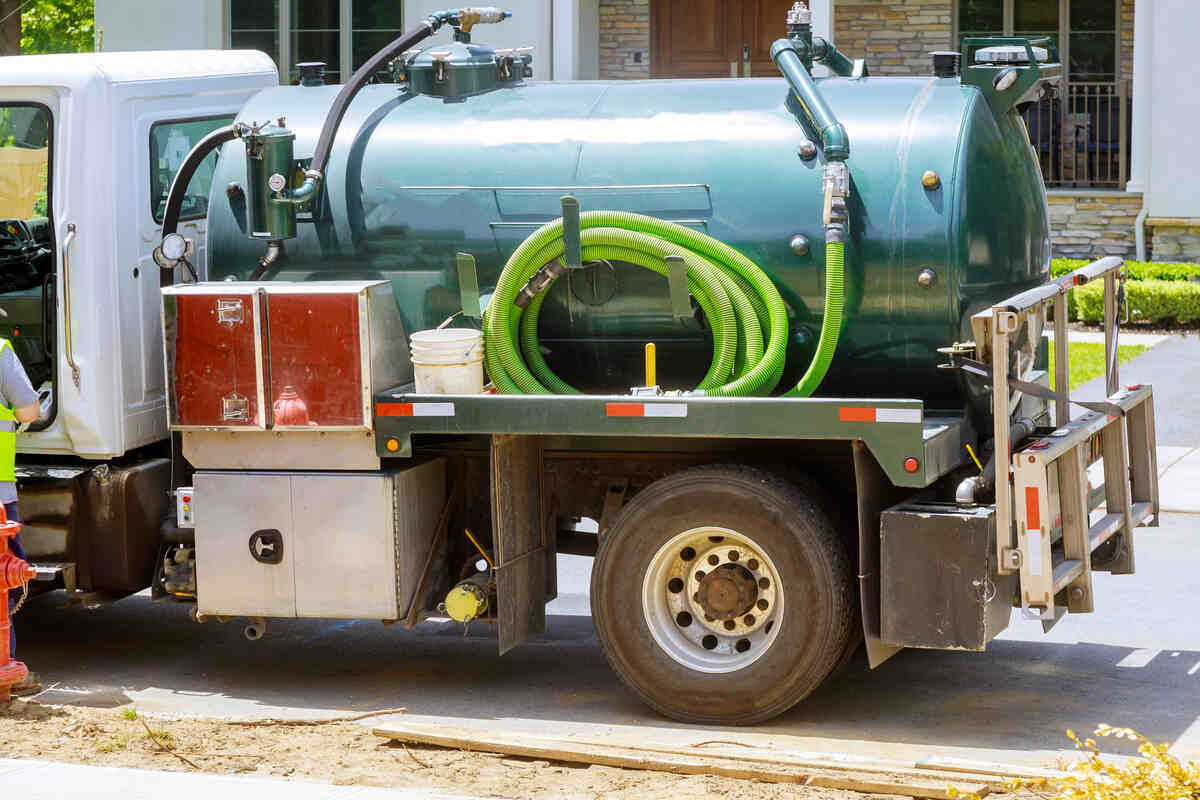
While septic tank cleaning focuses on removing sludge and debris, septic tank pumping is primarily about extracting wastewater and liquid effluent from the tank. This process is crucial for preventing overflow and making the system operate efficiently.
Pumping is typically performed at regular intervals, depending on factors like household size and tank capacity, to maintain optimal wastewater management.
Key Differences Between Cleaning and Pumping
Septic Tank Cleaning
Removes solid waste, sludge and scum that accumulate, preventing buildup that can clog pipes or damage the tank
Septic Tank Pumping
Extracts the liquid contents, reducing the risk of overflow and guaranteeing proper drainage into the leach field
Why Both Services Are Essential for a Healthy System
To maintain a fully functional septic system, both septic tank cleaning and pumping are indispensable. Each service addresses specific aspects of wastewater management, ensuring your system operates efficiently and avoids costly breakdowns. Ignoring regular maintenance can result in expensive repairs or even full system replacement. Common problems caused by neglect include:
- Overflowing tanks leading to environmental hazards
- Drain field failure due to excessive liquid saturation
- Structural damage from unchecked sludge buildup
By addressing these risks proactively, homeowners can avoid disruptions and make sure their residential septic solution remains reliable year-round.
Signs Your Septic System Needs Attention
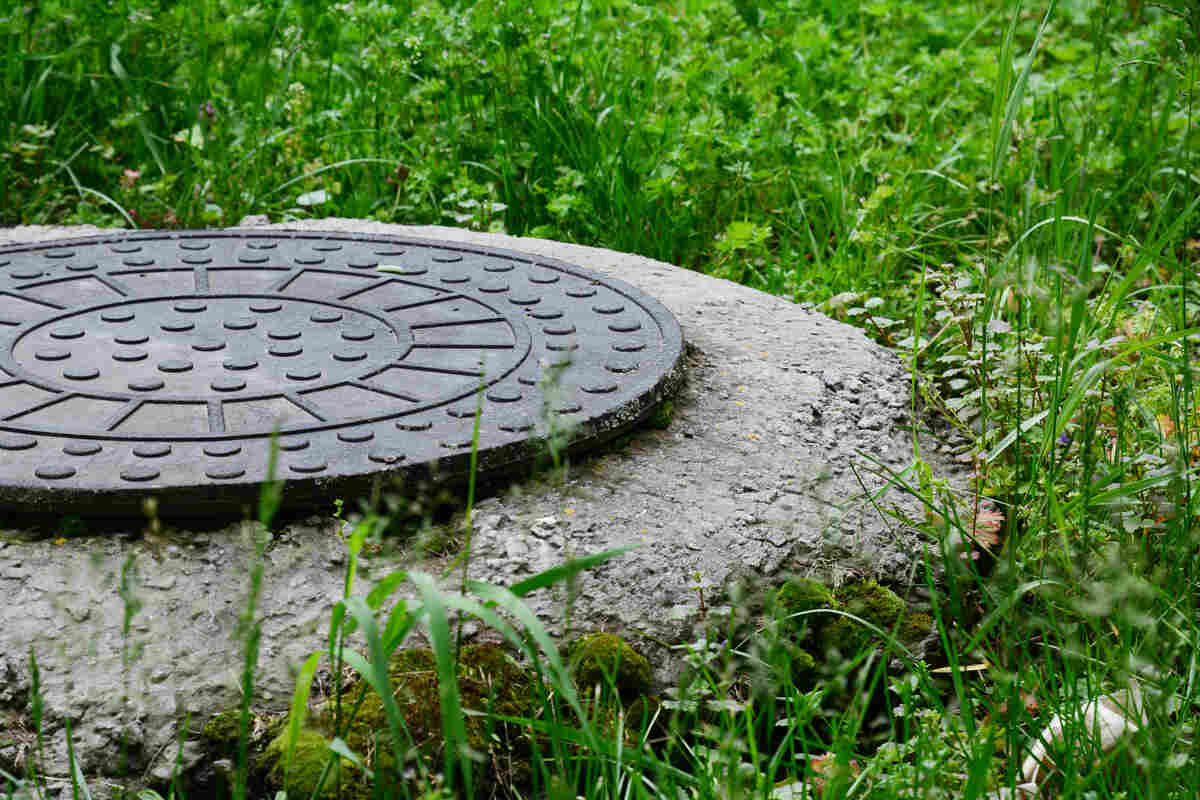
Recognizing the early warning signs of a struggling septic system can save you from costly repairs. Below are some key signs your septic system may need professional attention.
Slow drainage – Sinks, showers or toilets draining sluggishly can indicate a buildup of solids or liquid saturation in the tank.
Unpleasant odours – Foul smells around the septic area or inside your home often signal sludge accumulation or leaks.
Pooling water – Soggy patches or standing water near the drain field suggest an overloaded system or blockage.
Gurgling sounds – Unusual noises from plumbing fixtures may point to air trapped in the pipes due to improper drainage.
These symptoms highlight the importance of regular septic tank maintenance, which includes both cleaning and pumping. For example, neglecting septic tank cleaning can lead to sludge buildup, while skipping pumping may result in overflow or drain field failure.
How Often Should You Schedule Service?
The frequency of service depends on factors like household size, water usage and tank capacity.
Septic tank pumping – Recommended every 3–5 years for most residential systems (if you have few occupants in your household it could go longer or if your system is undersized for your household it could require more frequent pumping)
Septic tank cleaning – May be required less frequently but should not be overlooked, especially for older systems or properties with high water consumption.
By staying proactive and addressing these signs promptly, homeowners can maintain a healthy and reliable residential septic system. Regular pumping not only supports the longevity of your system but also complements septic tank cleaning efforts. Together, these services create a balanced approach to maintaining a healthy and functional septic system.
Images from Depositphotos
Related Read
Important Things Homeowners Need to Know About Septic Tank Maintenance