10 Easy and Effective Ways to Save Water at Home
Put These Tips into Practice to Reduce Water Usage by 20% or More

Residential water use in Canada was tracked over a 20-year period and the results showed that average daily water use per person fell from 342 litres in 1991 to 251 litres in 2011. That’s a 27 per cent drop in per person water use over two decades.
These numbers show that significant change is possible. To build on that reduction in water use, consider implementing these ten water saving tips. They will help reduce your consumption of this valuable resource without sacrificing comfort.
1. Fix Leaks Promptly
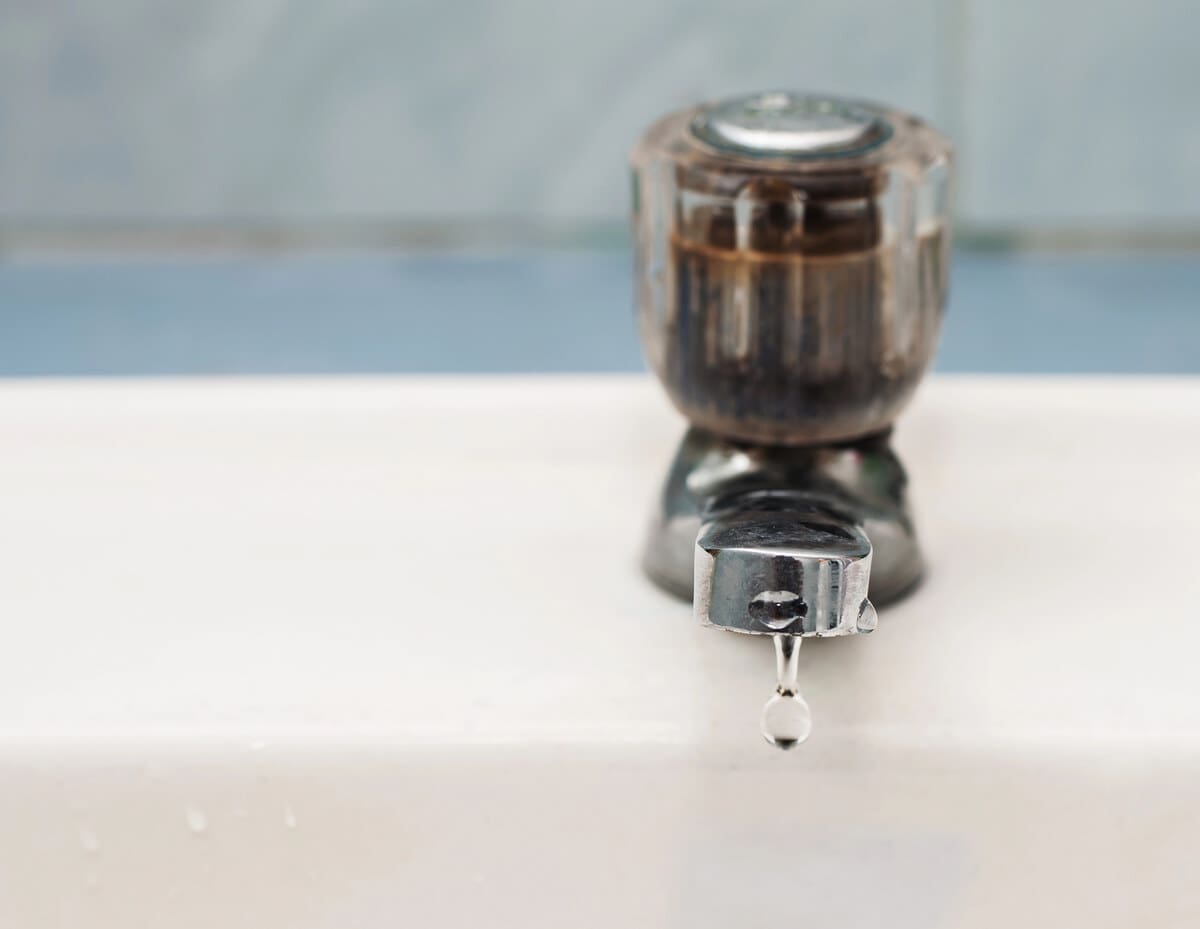
A dripping tap, a leaking toilet or a running shower can waste many litres of water every day. Even a tap that drips every second can waste more than 5 litres per day.
Changing washers, seals or components to fix a leak often costs little yet doing so can save a good amount of water. Checking all taps and toilets at least once per month is a good habit.
2. Install Low-Flow Fixtures
Get the Green Building Project Checklist
Use this handy checklist on your next project to keep track of all the ways you can make your home more energy-efficient and sustainable.
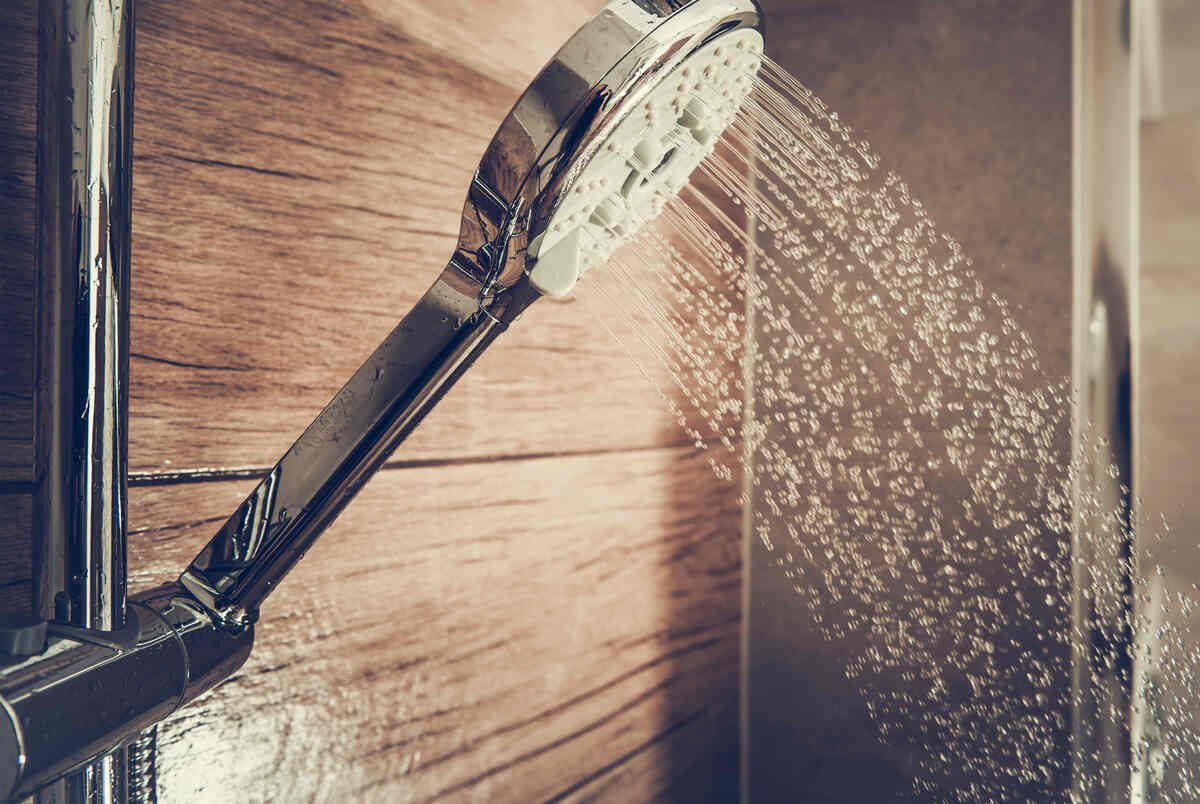
Replacing older faucets and showerheads with low-flow versions makes a big difference. For example low-flow showerheads using about 7.6 litres per minute, which means up to 60 percent less water usage compared to older showerheads while still delivering good pressure. These fixtures also reduce hot water use which saves energy.
A toilet that uses 4.8 litres or less per flush helps reduce large volumes of water used per flush. Many older toilets use 12 litres or more per flush.
3. Shorten Shower Time
Showers are often one of the biggest water wasters in the home. Cutting shower time by two or three minutes can save many litres.
If each person in a household trims three minutes per shower a few times per week this adds up. Another idea is to use a timer or play a short song to remind yourself when time is up.
4. Only Run Full Loads
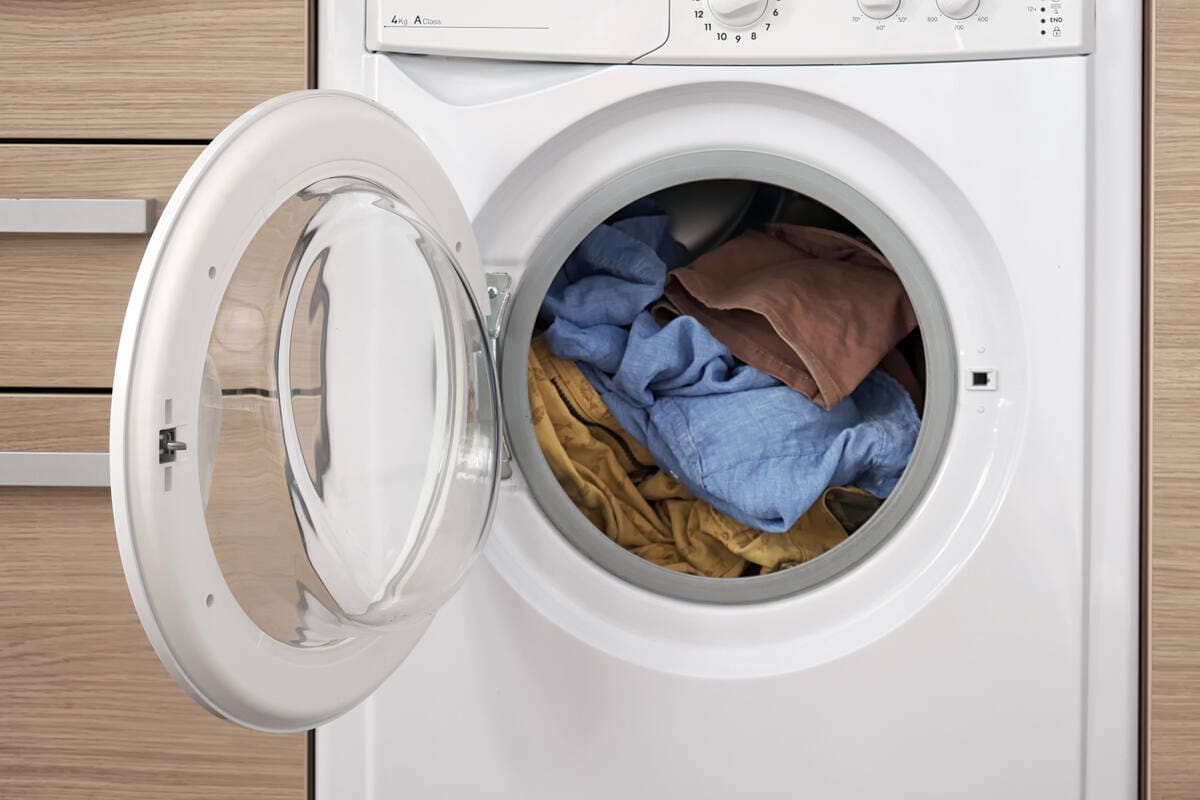
Dishwashers and washing machines should be run only when full to save water and maximize efficiency. Half loads waste water and energy.
If only partial loads are possible, many machines have eco- or water-saving cycle settings that use less water.
5. Turn Off Taps When Not in Use
Many people leave the tap running while brushing teeth, shaving or washing hands. Turning off the tap when not needed saves many litres of water per day.
While soap lathering or shaving, switch off the water and then turn it back on only when rinsing.
6. Use Water-Efficient Landscaping
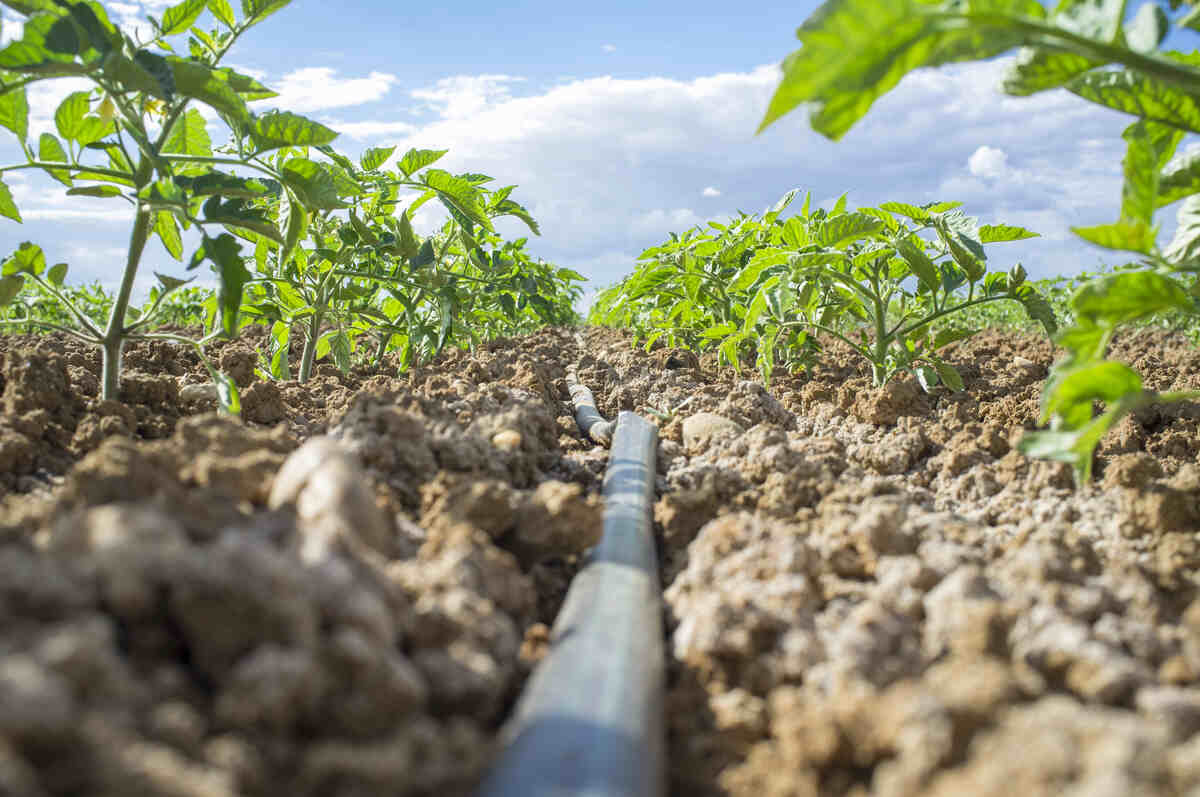
For homes with yards or gardens, use mulch around plants, group plants with similar water needs, water early in the morning or late in the evening to reduce evaporation and use drip irrigation systems instead of overhead sprinklers.
Also try harvesting rainwater in barrels for outdoor watering or if your needs are greater, consider using water storage tanks.
7. Capture and Reuse Greywater
Greywater is water that has been used in showers, baths, sinks or washing machines that is not heavily soiled. If the system is set up properly, greywater can be reused for tasks such as watering gardens or flushing toilets.
Even catching water in a basin while showering to use for watering the plants makes a difference.
Saving water is an important goal, but above all ensure water reuse is safe and follows local regulations.
8. Insulate Pipes
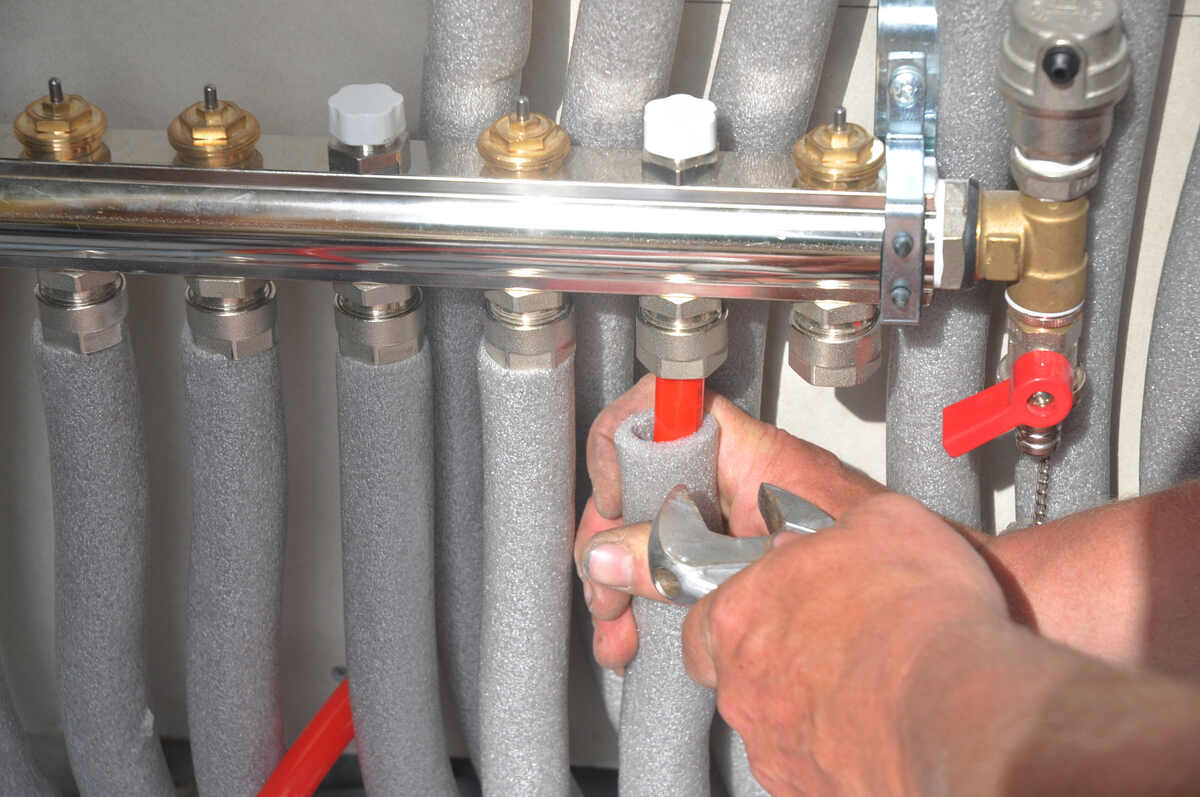
By insulating water pipes one reduces the time it takes for hot water to reach taps. That means less cold water wasted while waiting for hot water. Also, insulated pipes reduce water heat loss which saves energy.
9. Cover Pools and Tune Up Equipment
If you have a swimming pool or hot tub, covering it when not in use reduces evaporation significantly. Also check pool pump timers and filters to make sure they are efficient.
Running filters only when necessary rather than continuously saves both water (by reducing backwash frequency) and energy.
10. Regular Maintenance and Smart Habits
Routine maintenance pays off. Clean aerators on faucets, check hose connections, inspect toilets for internal leaks and make sure showerheads are not mineral blocked.
Also develop habits like filling a pot for cooking instead of running the tap continuously, using a broom instead of hose to clean driveways and reusing cooking water for plants whenever possible.
How Much Can These Tips Save?
Putting all of these together yields noticeable savings. A household that reduces shower times, fixes leaks and replaces fixtures can reduce indoor water use by 20 to 30 per cent or more.
Lower water consumption also leads to lower energy use for heating water, which further reduces bills.
Tracking water usage with a water meter is a good way to keep track of how much water you’ve consumed (and how much you’ve saved). When more households pay based on what they use there is motivation to reduce waste.
Practical Steps to Begin
If one is ready to act, starting is easier than it seems. Make a checklist of all faucets, toilets, showers and outdoor taps. Once you have an inventory of your needs go shop for low-flow fixtures then allocate a weekend or a few evenings to replace fixtures and inspect and repair leaks.
Adjust habits gradually rather than trying to change everything at once. Share the effort with all household members so everyone is aware.
Read more on this topic in Top 5 Water-Saving Fixtures for Your Home.
Images from Depositphotos