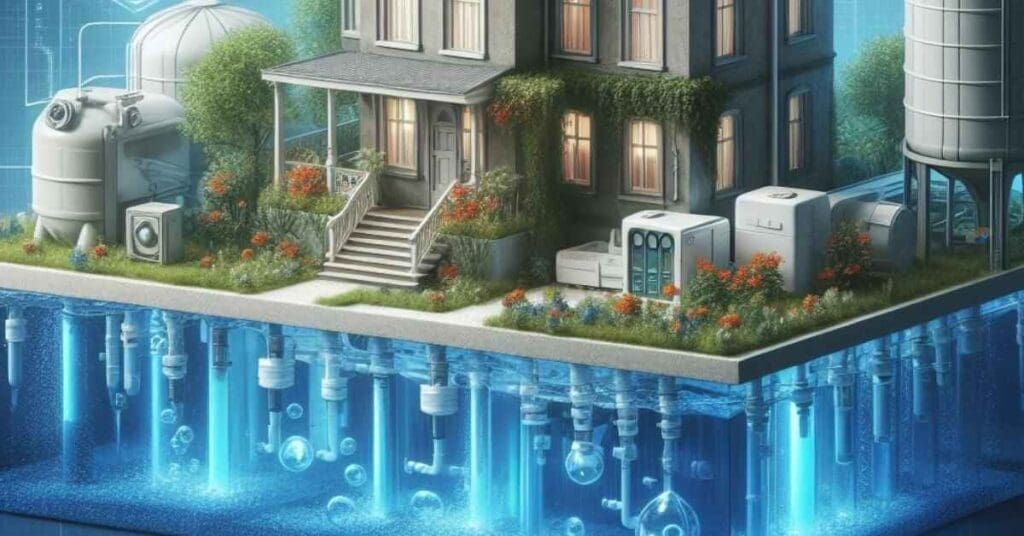

Water softeners are essential devices for the many households grappling with the challenges of hard water. These systems are designed to remove or alter the minerals in water that cause hardness, a condition that affects millions of homes across the globe.
The Benefits of Using a Water Softener
Hard water is rich in minerals like calcium and magnesium, which, while not harmful to health, can have detrimental effects on plumbing, appliances and even personal care. Water softeners come into play by addressing these issues, ensuring that the water running through a home’s pipes is softer and more beneficial for everyday use. The improve the effectiveness of soaps and detergents, leading to cleaner dishes, brighter laundry and softer skin. In addition to that, hard water that has been treated by a water softener tastes better.
The significance of water softeners extends beyond just enhancing water quality; they also contribute to prolonging the lifespan of plumbing systems and household appliances by preventing the buildup of mineral deposits that can lead to inefficiency and damage. By eliminating mineral buildup, these systems also contribute to reduced energy costs over time, as appliances like water heaters operate more efficiently.
Understanding Water Hardness
The phenomenon of hard water originates from the water’s journey through the environment. As water moves through soil and rock, it dissolves small amounts of minerals, primarily calcium and magnesium, and carries them into the water supply systems of homes and businesses.
This natural process is what leads to the varying degrees of water hardness experienced in different geographical locations. The presence of these minerals in water is what defines water hardness. The higher the concentration of calcium and magnesium, the harder the water. While hard water is not considered harmful to health and is, in fact, a dietary source of essential minerals, its effects on household operations are far from benign.

Get the Green Building Project Checklist
Use this handy checklist on your next project to keep track of all the ways you can make your home more energy-efficient and sustainable.
Learn more about hard water in Understanding and Managing Hard Water Problems.
Why Hard Water Is a Problem

The impact of hard water on a home’s plumbing system, appliances, personal care and overall water quality is significant and multifaceted. In plumbing systems, hard water leads to the accumulation of limescale, a hard, chalky deposit that can clog pipes, reduce water flow and decrease the efficiency of water heaters. Appliances such as dishwashers and washing machines are also at risk, with hard water shortening their lifespan and reducing their efficiency by causing scale buildup.
For individuals, the effects of hard water can be seen in the form of dry skin and hair, as the minerals interfere with the natural balance of moisture and reduce the lathering ability of soaps and shampoos, making it harder to rinse off and leaving a residue.
Additionally, hard water can affect the overall quality of water for drinking and cooking, altering the taste and appearance of food and beverages prepared with it. Given these challenges, the use of water softeners becomes a practical solution for mitigating the negative effects of hard water, enhancing household water quality, and ensuring the longevity of plumbing and appliances.
Salt-Based Water Softeners
Salt-based water softeners are renowned for their effectiveness in tackling hard water problems through a process known as ion exchange. This method involves the removal of hardness-causing minerals, calcium and magnesium, from the water. As hard water passes through a tank filled with resin beads that are charged with sodium ions, a crucial exchange occurs.
Calcium and magnesium ions in the water are attracted to and held by the resin beads, and in their place, sodium ions are released into the water. This exchange neutralizes the hardness of the water, rendering it “soft.” The soft water then flows through the plumbing system of the home, alleviating the myriad issues associated with hard water as previously mentioned.
The advantages of salt-based water softeners extend beyond the mere alleviation of water hardness. They ensure that the entire household benefits from soft water, which significantly enhances the lifespan and efficiency of plumbing systems and appliances by preventing scale buildup.
Soft water also improves the performance of soaps and detergents, resulting in cleaner dishes, brighter clothes, and softer skin.
However, salt-based systems are not without their disadvantages. They require regular maintenance, including the replenishment of salt, and periodic regeneration cycles where the resin beads are flushed and recharged, which can add to the household’s water usage.
The environmental impact of these systems is another consideration; the regeneration process discharges salty wastewater into the environment, which can be harmful to certain ecosystems. Additionally, the ongoing cost of salt and potential for increased sodium content in the household water supply are factors that may concern some homeowners.
Salt-Free Water Softeners (Conditioners)
Salt-free water softeners, often referred to as water conditioners, operate on a different principle than their salt-based counterparts. Instead of removing hardness minerals from the water, salt-free systems neutralize these minerals through a process known as template-assisted crystallization (TAC) or other similar technologies.
This process transforms calcium and magnesium ions into microscopic crystals that cannot adhere to surfaces, effectively preventing scale buildup without actually removing the minerals from the water. As a result, the water retains its mineral content, which is beneficial for those who prefer mineral-rich water for health or taste reasons.
The advantages of salt-free systems are particularly appealing to homeowners looking for a low-maintenance and eco-friendly alternative to traditional water softening methods. These systems do not require salt or chemicals, eliminating the need for regular salt replenishment and reducing the environmental impact associated with salty discharge.
They are generally easier to install and maintain, with no need for electricity or complex regeneration cycles. This eco-friendliness, combined with the elimination of scale buildup, makes salt-free softeners an attractive option for those concerned about their environmental footprint and seeking a more sustainable solution.
Despite these benefits, salt-free water softeners have their limitations. They do not actually remove hardness minerals from the water, which means they may not be as effective in areas with very hard water. For households facing severe hardness issues, a salt-free system may not provide the level of softening required to prevent all scale-related problems.
Additionally, because they work by conditioning rather than softening, the results may vary in terms of the water’s feel and the effectiveness of soap lathering, which can be a significant adjustment for those accustomed to the results of a salt-based system.
Comparing Performance
When evaluating the efficacy in water softening between salt-based and salt-free systems, it’s essential to understand their distinct mechanisms and outcomes. Salt-based water softeners are highly effective in removing hardness-causing minerals from water, offering a comprehensive solution to hard water problems.
This process results in water that is truly “soft,” with a noticeable difference in how soaps lather and a significant reduction in scale buildup on appliances and plumbing. Consequently, homes with very hard water or those that experience severe scale-related issues often find salt-based systems to be the most effective solution.
On the other hand, salt-free water softeners, which are more accurately described as water conditioners, do not remove minerals from the water. Instead, they change the minerals’ structure to prevent them from forming scale.
While this method is effective in preventing scale buildup, it does not offer the same “soft water” experience as salt-based systems. As such, salt-free systems may be more suited to homes with moderately hard water or for individuals who wish to retain the mineral content in their water for health or taste preferences.
For a visual comparison of the two systems check out this video:
Health and Environmental Considerations
Concerns about salt intake from salt-based water softeners arise due to the sodium added to the water during the ion exchange process.
While the amount of sodium added is relatively small, it can be a concern for individuals on low-sodium diets or those with certain health conditions. Salt-free systems do not add sodium to the water, making them a preferable option for those concerned about sodium intake.
From an environmental perspective, salt-based systems have a larger ecological footprint due to the salt used in the softening process and the production of salty wastewater during regeneration.
This wastewater can pose challenges to local water treatment facilities and ecosystems. Salt-free systems, in contrast, do not produce wastewater or use chemicals, presenting a more environmentally friendly option.
Installation and Maintenance
The ease of installation varies between the two types of systems. Salt-based softeners typically require a connection to the home’s plumbing system and a drain for the regeneration process, which can be more complex and may necessitate professional installation. Salt-free systems are generally simpler to install, with many models designed for easy DIY installation without the need for a drain connection.
Regarding maintenance, salt-based systems require regular attention, including monitoring and replenishing the salt levels and occasional cleaning of the resin tank. This ongoing maintenance can be a consideration for homeowners looking for a low-maintenance solution.
Salt-free systems, meanwhile, boast lower maintenance requirements. While some models may require periodic replacement of media or cartridges, the overall effort and cost are typically less than those associated with salt-based systems.
In summary, the choice between salt-based and salt-free water softeners depends on a range of factors, including the specific water hardness issues faced, health and environmental considerations, and the homeowner’s willingness to undertake maintenance tasks.
Each system has its advantages and limitations, making it crucial for homeowners to assess their needs and priorities carefully when selecting a water softening solution.
Cost Comparison
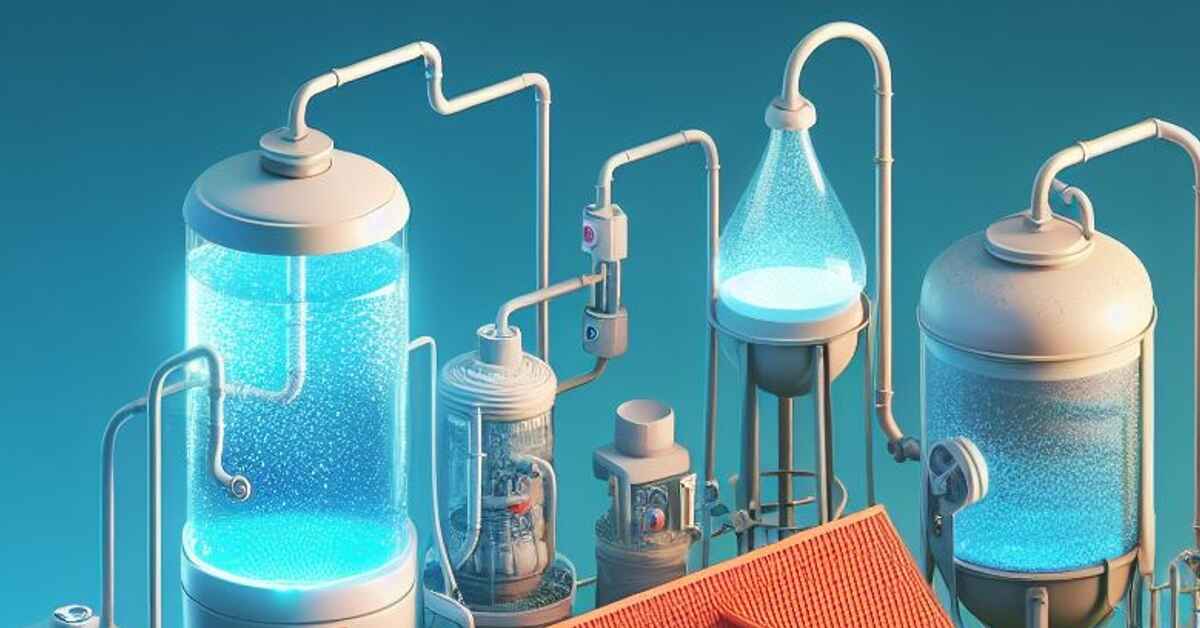
The initial investment for both salt-based and salt-free water softener systems varies widely depending on the brand, capacity and technology used. Generally, salt-based systems tend to have a higher upfront cost due to the complexity of their design and the need for a more elaborate installation process.
This includes the cost of the unit itself, installation by a professional (if required), and any plumbing modifications to accommodate the system. Salt-free systems, on the other hand, often boast a lower initial price point and can be simpler to install, with many homeowners able to undertake the installation themselves, thus saving on professional installation fees.
Operating and maintenance costs further distinguish the two systems over their lifespan. Salt-based water softeners require a consistent supply of salt, which can add up in cost over time. Additionally, the energy consumed during the regeneration process and the potential need for occasional servicing or parts replacement contribute to their ongoing expenses.
Salt-free systems, while generally lower in maintenance due to the absence of salt replenishment and less frequent need for servicing, may still incur costs associated with replacing media or filters, albeit at less frequent intervals. The choice between these systems should, therefore, consider not only the immediate cost but also the long-term financial commitment.
Salt-based and salt-free water softeners present distinct advantages and drawbacks, making the decision between the two a matter of aligning the system’s features with the homeowner’s specific needs, preferences and conditions.
Salt-based systems offer a comprehensive solution to hard water by actually removing hardness minerals, thereby providing significant benefits for households dealing with severe hard water issues. They are particularly effective in ensuring that appliances and plumbing systems are protected from scale buildup, thereby extending their lifespan and efficiency. However, the environmental impact, ongoing maintenance costs and health considerations regarding sodium intake are important factors to consider.
Salt-free systems, while not reducing water hardness in the traditional sense, prevent scale formation through mineral crystallization, offering an eco-friendly alternative with lower maintenance requirements.
They are best suited for homes with moderate hard water or for individuals prioritizing minimal environmental impact and lower ongoing costs. However, their effectiveness in very hard water conditions and the absence of the “soft water” feel may be limiting for some users.
When choosing the appropriate system, homeowners should carefully assess their water hardness level, the specific needs of their household, environmental concerns and budget constraints.
It’s also wise to consult with water treatment professionals who can provide personalized advice based on the home’s water quality and usage patterns. Ultimately, the right water softener system is one that not only addresses the challenges of hard water but also aligns with the homeowner’s values and lifestyle, ensuring a satisfactory balance between cost, convenience and environmental responsibility.