
Thinking of tackling that bathroom reno or backyard deck yourself? You’re not alone – over half of Canadian homeowners take on at least one DIY project a year. But what many don’t realize is that injuries from home improvement work send thousands of Canadians to the ER annually.
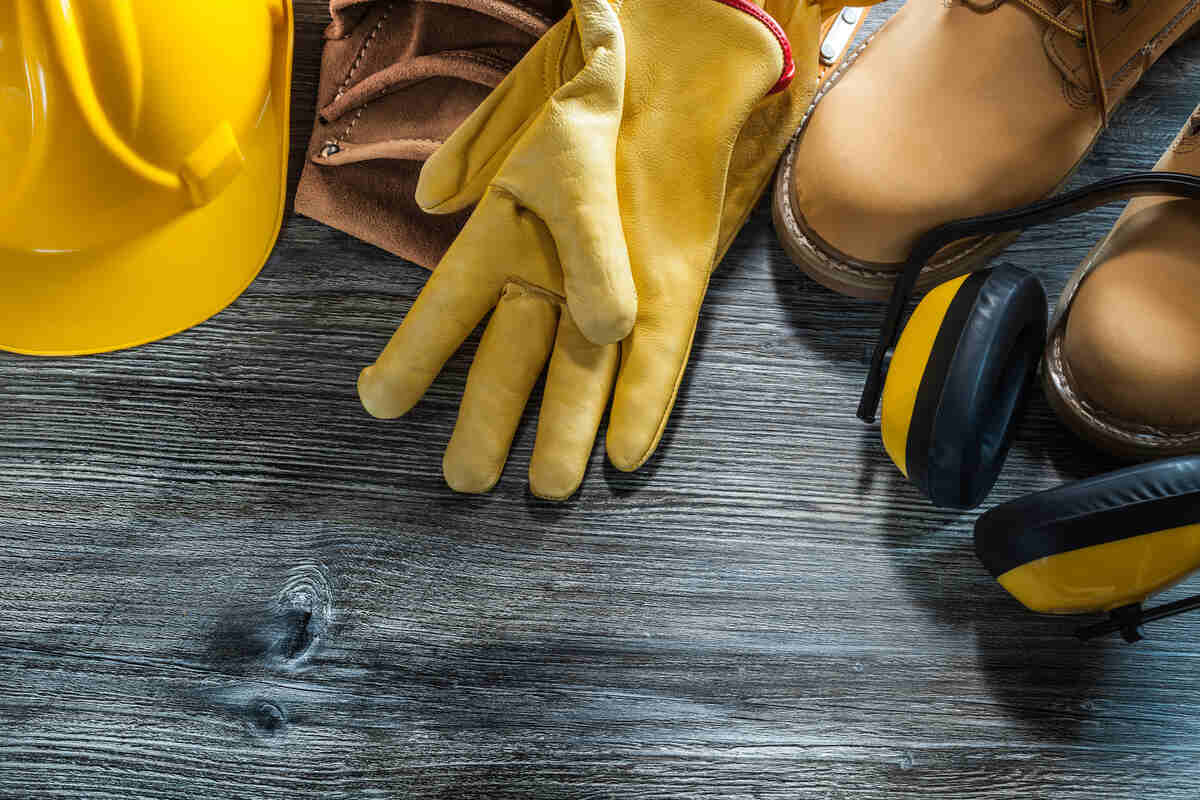
Investing in the right safety equipment isn’t just smart, it’s essential. Choosing the proper protective gear – like CSA-approved eye protection, gloves and proper footwear – can mean the difference between a productive day in your workshop and a visit to the emergency room.
Eye Protection Matters More Than You Think
Your eyes are vulnerable to flying debris, sawdust and chemicals. Even something as routine as drilling a hole in the wall can send particles flying. Protective eyewear, including safety goggles and face shields, helps prevent injury.
Choose goggles that wrap around your eyes to guard against peripheral exposure. For work involving liquid chemicals or airborne irritants, anti-fog goggles or a full-face shield may be more effective. If you wear prescription glasses, look for safety goggles designed to fit comfortably over them without interfering with your vision.
Guarding Your Hearing During Power Tool Use
Many power tools operate at decibel levels that can permanently damage hearing. Repeated exposure, even for short bursts, can lead to tinnitus or hearing loss. Earplugs and earmuffs are two common forms of hearing protection, and they each serve different needs.
Get the Green Building Project Checklist
Use this handy checklist on your next project to keep track of all the ways you can make your home more energy-efficient and sustainable.
Foam earplugs are ideal for short-term, lightweight tasks. For extended projects or louder equipment such as circular saws, earmuffs provide superior insulation and comfort. Some advanced earmuffs even allow for voice communication while filtering out harmful noise levels.
Hand Protection for Grip and Safety
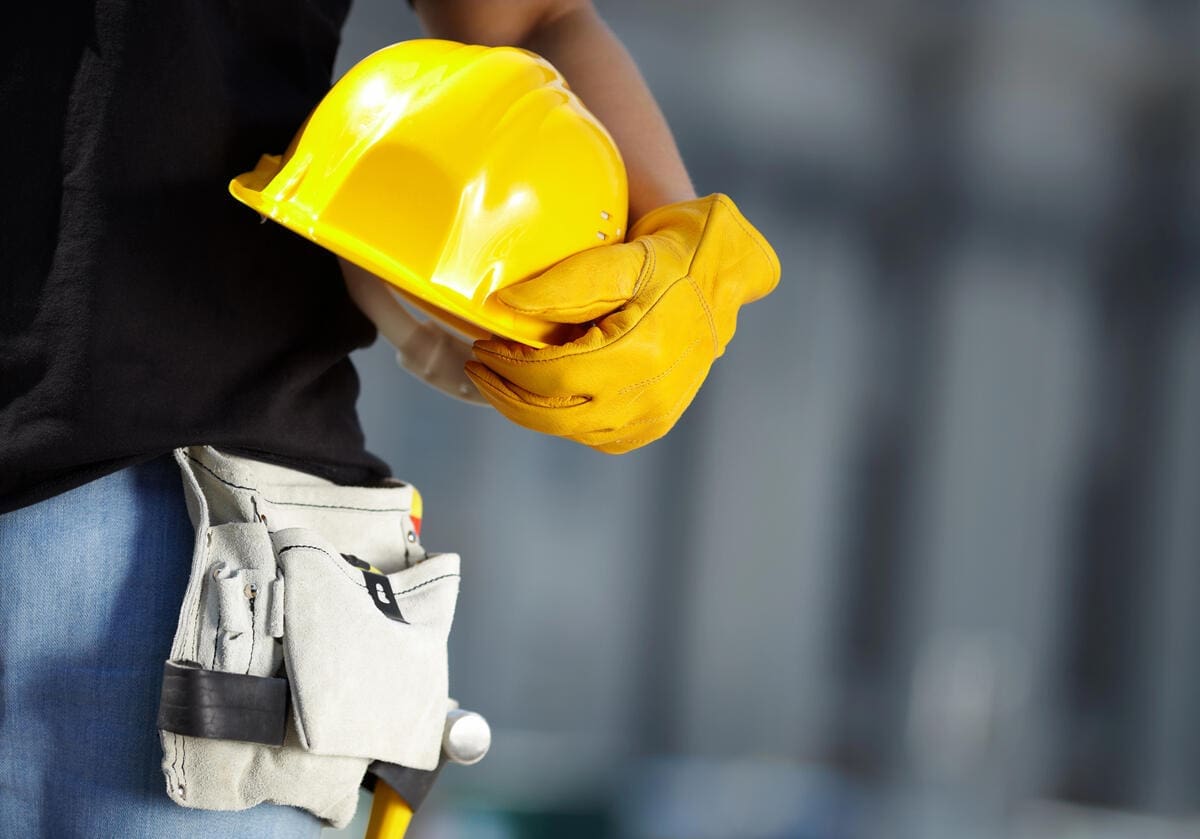
Your hands do everything: grip, guide, hammer, twist. And they’re often the first body part exposed to risk. Luckily, splinters, abrasions, burns and chemical exposure can all be prevented with the right gloves.
For general use, synthetic or leather work gloves provide a solid barrier while maintaining flexibility. When working with solvents, paints, or acids, opt for nitrile or neoprene gloves that offer chemical resistance. Projects that involve heat, such as soldering or welding, require gloves rated for thermal protection.
Respiratory Safety Is Often Overlooked
Dust from drywall, wood and mould can be dangerous when inhaled. Paint fumes and adhesive vapours pose additional risks to your lungs. Wearing a mask or respirator should be non-negotiable in any environment where particles or fumes are present.
A basic disposable mask works for light sanding or cleaning. But for tasks involving insulation, strong chemicals, or extended exposure to particulates, use a respirator with replaceable filters. Make sure it fits snugly and is rated for the specific materials in use.
Sturdy Footwear Prevents More Than Slips
Flimsy shoes or going barefoot in a DIY setting is a recipe for injury. From stepping on nails to dropping tools, your feet take more hits than you might realize. Quality footwear helps reduce those risks significantly.
Steel-toed boots offer the highest level of protection, especially for construction-heavy tasks. Rubber-soled shoes with slip resistance are a must in wet or slick environments like bathrooms or kitchens. Always ensure your footwear provides both grip and structural support to help prevent fatigue and accidents.
Head Protection Isn’t Just for Worksites
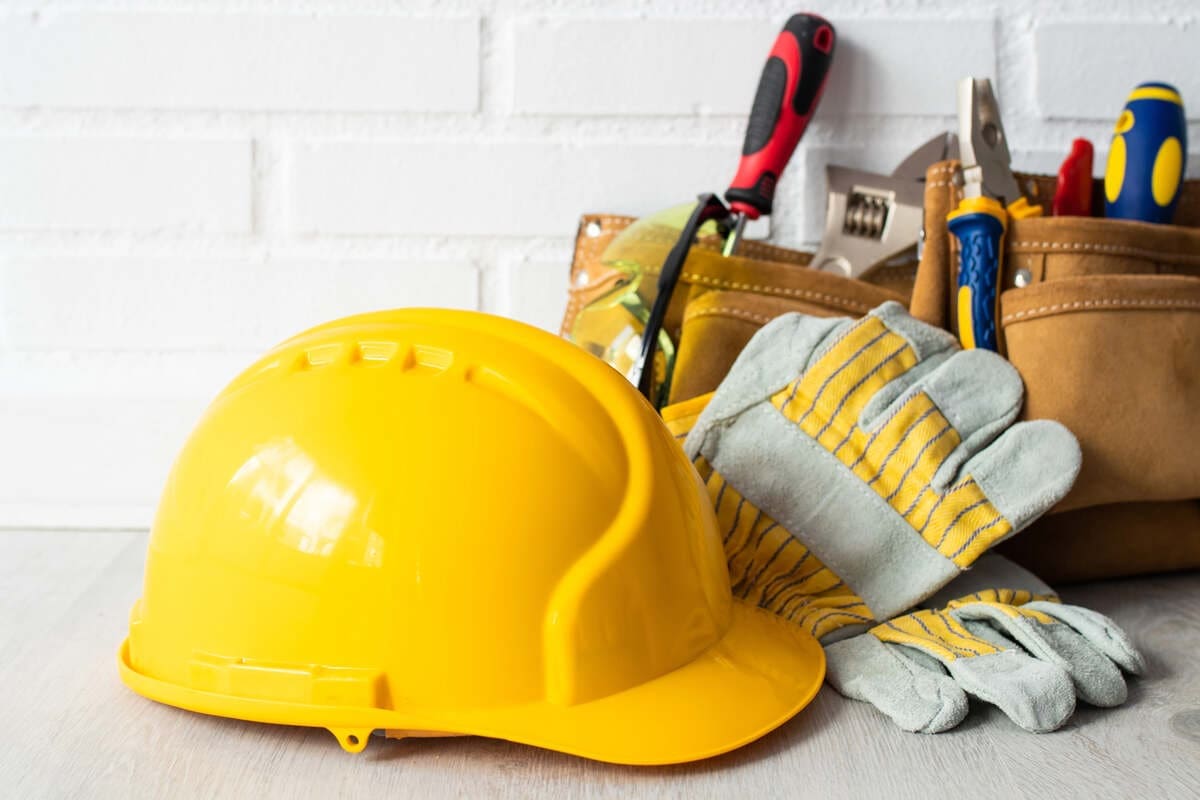
While hard hats are commonly associated with construction zones, they’re also useful in DIY projects that involve overhead work or tall ladders. Falling tools, low beams, or sudden slips can lead to serious head injuries if you’re not prepared.
Lightweight helmets designed for home use can protect without being cumbersome. If you’re painting ceilings, trimming trees or working in tight garage spaces, consider a basic hard hat or bump cap to shield yourself from unexpected impacts.
Clothing That Shields, Not Restricts
Loose clothing can catch on moving parts or tools. On the flip side, tight clothing may limit movement and increase fatigue. Strike a balance with fitted but comfortable attire made of durable materials. Denim, canvas or flame-resistant fabrics offer the best combination of safety and mobility.
Avoid items with dangling strings or frayed hems. If you’re working with chemicals or extreme temperatures, consider long sleeves and protective aprons. Bright or reflective colours can also increase visibility, especially in low-light workspaces like basements or garages.
Eye-Wash Stations and First-Aid Kits
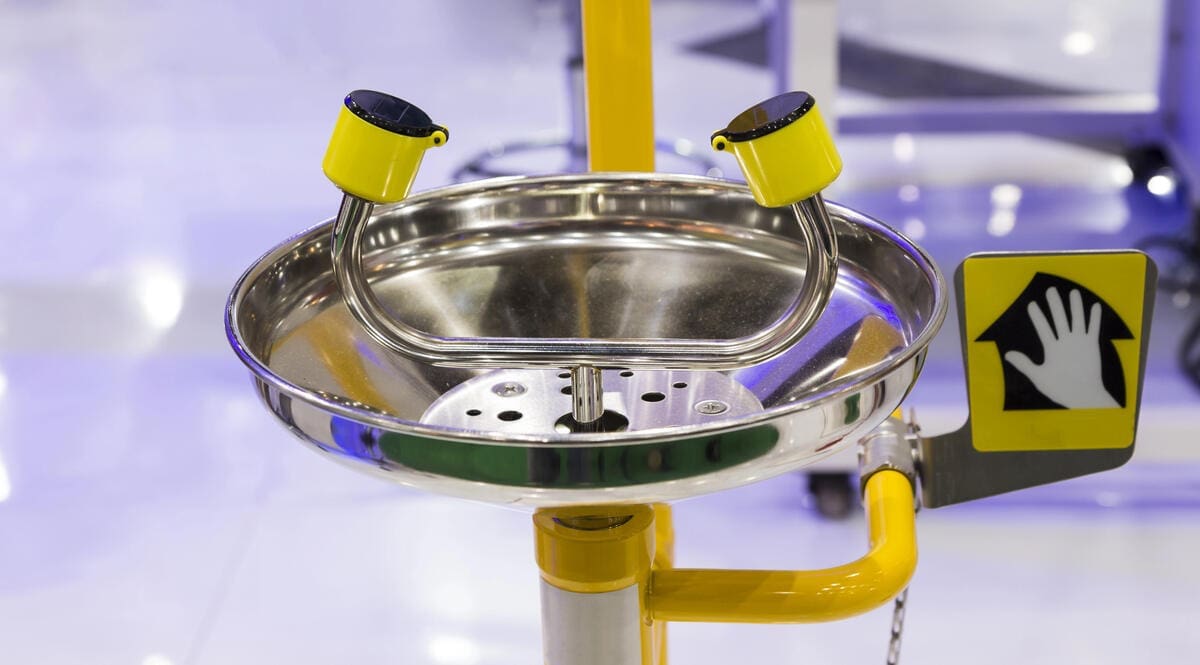
Even with every precaution, accidents can happen. Having a first-aid kit stocked with essentials like bandages, antiseptic wipes, eye drops and burn cream, can minimize the severity of injuries. For projects involving hazardous chemicals, an eye-wash bottle or station should be easily accessible.
Label your kit clearly and keep it within reach of your primary work area. Check its contents regularly and replace expired or depleted supplies to ensure readiness during emergencies.
Fall Protection for Ladders and Roof Work
Falls are one of the most common DIY-related injuries. Whether you’re cleaning gutters or installing shelves, even short climbs carry risk. A stable ladder, proper footing and awareness of your surroundings are vital.
If you’re working at significant height, such as on a roof, consider using a harness system. At the very least, have someone nearby to assist and steady the ladder. Always follow the weight limits and safety guidelines provided with your ladder equipment.
Tool Safety and Proper Handling
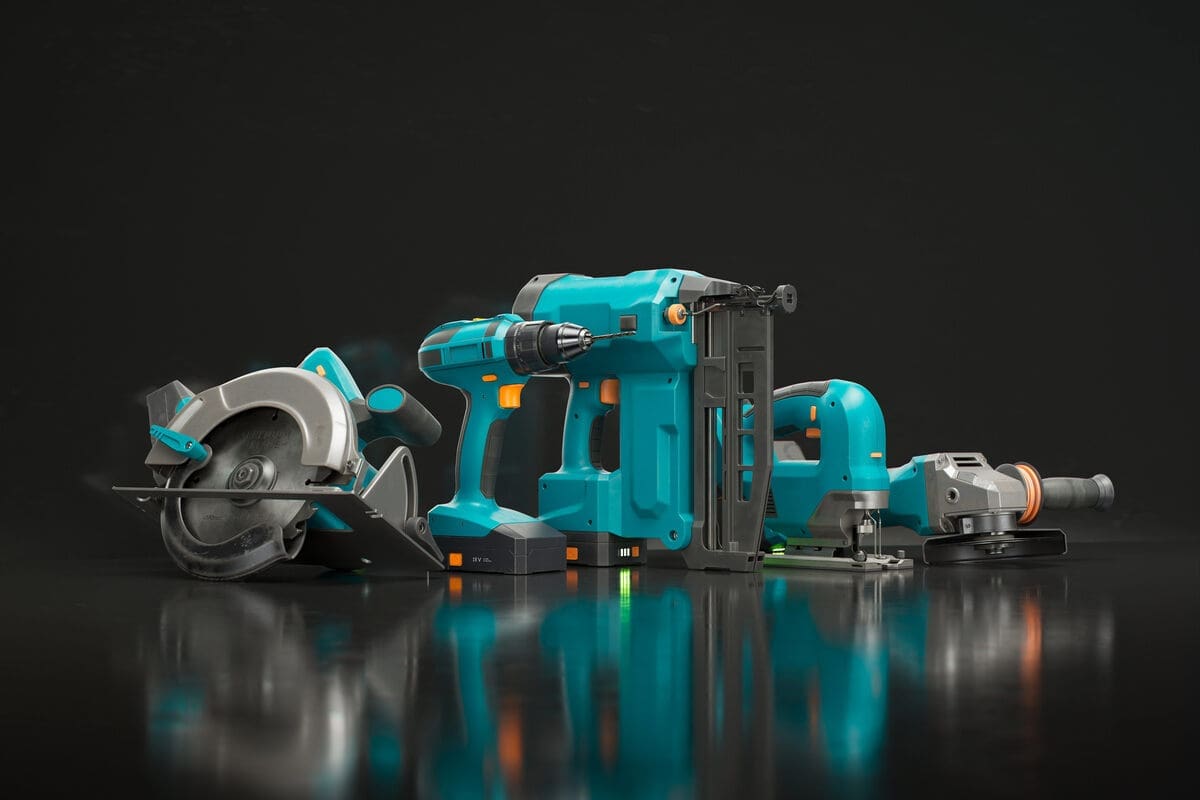
No amount of gear can substitute for responsible tool use. Read the instruction manual for every new device. Inspect power tools for frayed cords, loose parts or dull blades before each use. And always unplug or remove batteries before making adjustments.
Store tools securely when not in use, and never leave sharp instruments unattended, especially in homes with children or pets. Keep a fire extinguisher nearby if your project involves heat or flammable materials.
Lighting Makes a Big Difference
Many injuries occur simply because the work area isn’t well lit. Shadows can distort perception, hide sharp objects or make measurements less accurate. Always use adequate lighting, natural or artificial, to illuminate your task zone.
Clip-on work lights, headlamps and LED task lamps are excellent options for DIY projects. Prioritize lighting for high-risk areas like power tool stations, stairs and crawlspaces.
Creating a Safety-First Mindset
Safety isn’t just about equipment, it’s about attitude. Rushing through a project, skipping safety checks or ignoring warning signs can lead to serious consequences. Take the time to prepare, assess the risks and gear up accordingly.
Stay alert and know when to take breaks! Fatigue can really compromise judgment, leading to costly mistakes. A safety-first mindset, paired with the right gear, allows you to focus on quality workmanship while keeping yourself protected.
Images from Depositphotos