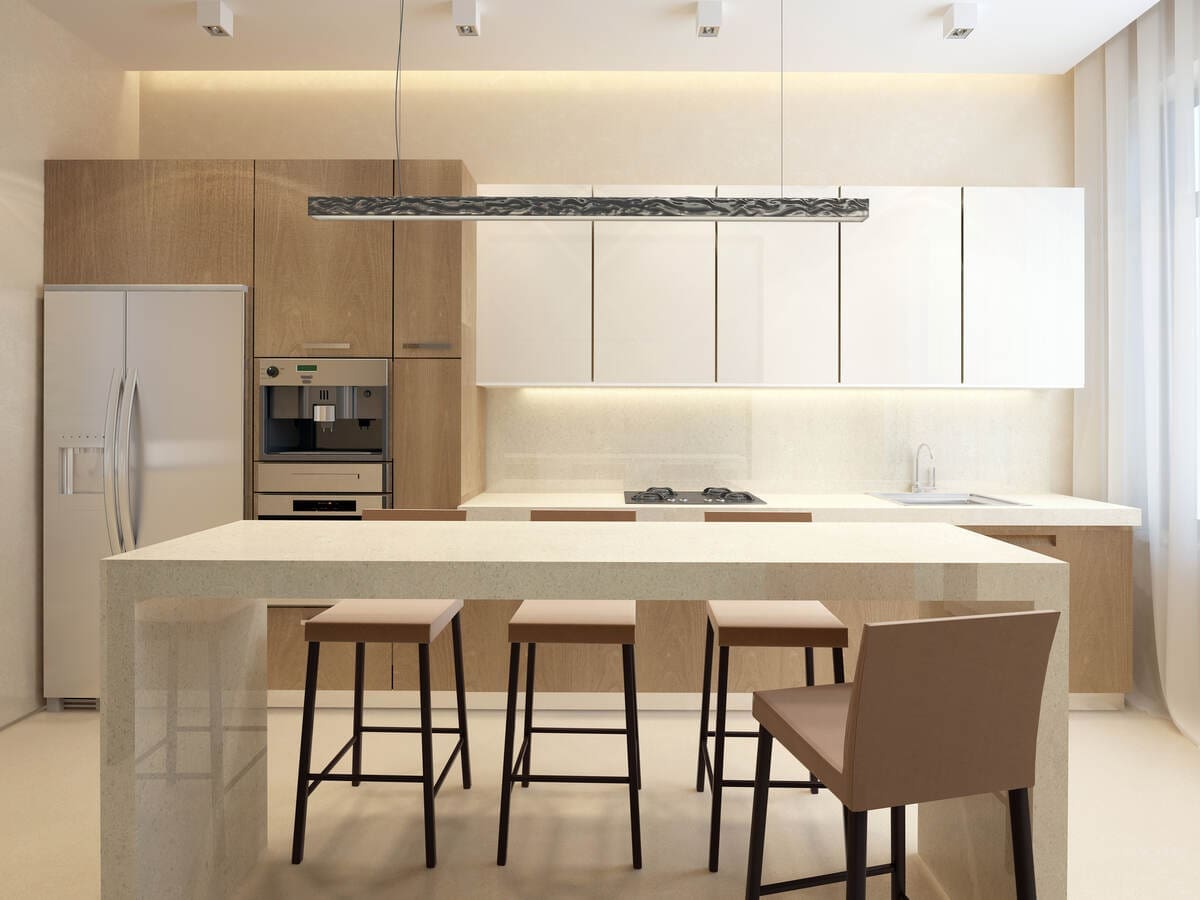
While the kitchen serves as the central hub for cooking and family time, it’s also a space where accidents frequently occur. When planning your next kitchen remodel, consider these must-have safety features to transform your kitchen into a safer and more functional space.
Safety Concerns in the Kitchen
Kitchens are inherently hazardous spaces due to the coexistence of fire, water, electricity and sharp objects. Among the many safety concerns, a pressure cooker explosion is a stark reminder of why attention to detail is critical.
According to TorHoerman Law, a well-functioning pressure cooker relies on its steam release valve to maintain and regulate pressure. This valve releases excess steam, ensuring even pressure throughout cooking. However, issues such as trapped food particles or debris can obstruct the valve, rendering it ineffective.
Problems with the venting system may also prevent pressure regulation. When this happens, steam accumulates uncontrollably, creating an environment that can lead to an explosion upon opening the lid.
A recent example highlights this danger. Debbie Aflalo, Miss Dominican Republic 2021, suffered second-degree burns when her pressure cooker’s silicone ring malfunctioned during use. As reported by Yahoo! Life, the incident caused hot liquid to splatter across her abdomen, chest and arms.
These incidents highlight the need for safer appliances and proper maintenance in your kitchen remodel.
Necessary Fire Safety Features

Get the Green Building Project Checklist
Use this handy checklist on your next project to keep track of all the ways you can make your home more energy-efficient and sustainable.
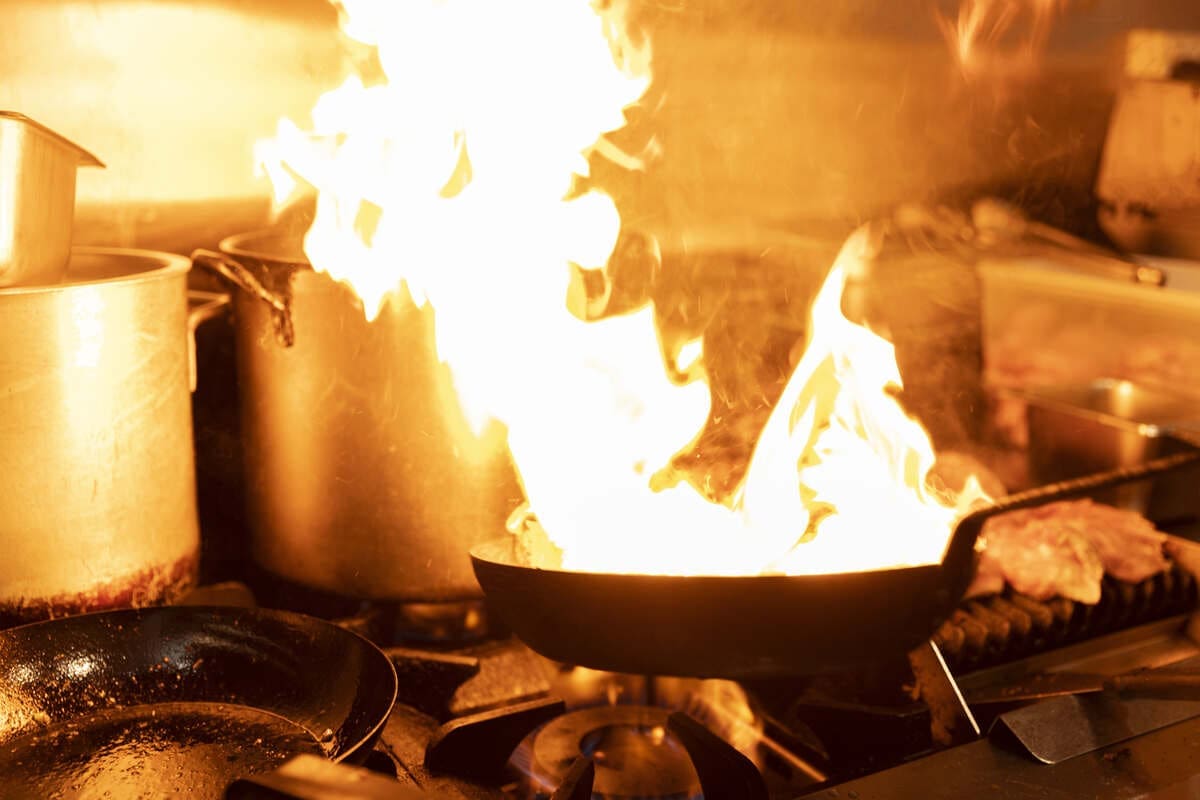
Kitchens are the leading source of home fires, often caused by unattended cooking, grease buildup or improper handling of appliances. According to ScienceDirect, the risk of cooking fire injuries exists across all age groups. However, it is notably higher for individuals aged 75 and above, increasing further for those over 85. Additionally, chip pan or deep fat fryer usage contributed to 35 percent of cooking fire injuries in one study.
To mitigate these risks, several fire safety measures should be implemented. Install fire suppression systems above stoves to automatically extinguish flames in emergencies. Smoke detectors must be strategically placed near kitchens and maintained regularly.
Fire-resistant materials for countertops and backsplashes can help contain potential fires, while accessible fire extinguishers provide a vital first line of defense. These precautions ensure a safer cooking environment and reduce the likelihood of devastating accidents.
Installation of Slip-Resistant Flooring
Kitchens are high-risk areas where water, grease and food spills can create hazardous conditions, leading to falls and injuries. Non-slip flooring materials, such as textured tiles or vinyl with anti-slip coatings, provide enhanced traction and significantly reduce these risks.
The importance of non-slip flooring is underscored by market trends. According to Grand View Research, the global anti-slip coatings market was valued at $149.17 million in 2023. It is projected to grow at a compound annual growth rate (CAGR) of 6.6 percent from 2024 to 2030. This growth reflects an increased focus on safety and accident prevention across various sectors, including residential spaces.
Additionally, using anti-fatigue mats in areas where you stand for extended periods – such as near the sink or stove – can further enhance safety.
Childproofing Measures for Your Kitchen
For households with young children, childproofing is a crucial aspect of any kitchen remodel to prevent accidents. Rounded-edge countertops help reduce injuries from bumps while storing knives and cleaning supplies in high, locked cabinets adds an essential layer of safety.
According to Real Simple, basic solutions like sliding cabinet locks may not be enough for double-door cabinets, as determined children can often bypass them. Instead, magnetic locks or latches provide a more secure option for cabinets and drawers.
To further enhance safety, consider stove knob covers to prevent accidental burns and appliance locks to keep little hands away from dangerous equipment. These measures create a safer, more child-friendly kitchen environment, ensuring peace of mind for parents while maintaining the functionality of the space.
The Importance of Kitchen Ventilation
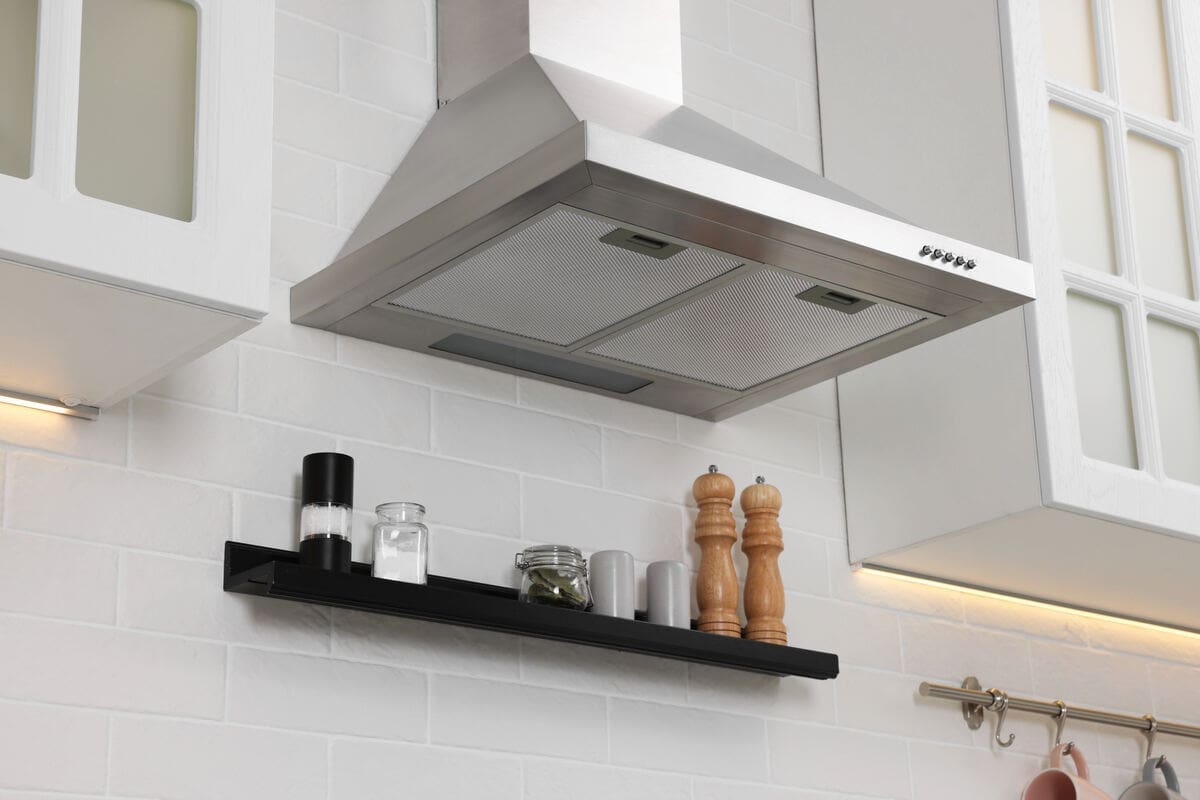
Effective ventilation is a fundamental aspect of kitchen safety and air quality. According to the NIH, a significant proportion of homes utilize gas stoves, which emit pollutants like nitrogen dioxide (NO2) during combustion.
These emissions can reach concerning levels quickly during cooking, potentially exceeding outdoor air quality standards. While building codes often address ventilation for other appliances, specific standards for gas stoves are generally lacking.
Installing a powerful range hood with an efficient exhaust system is therefore essential. This system effectively removes smoke and cooking odours from the kitchen environment, significantly improving indoor air quality.
Proper ventilation minimizes exposure to potentially harmful pollutants, contributes to a healthier living space and enhances overall safety within the kitchen.
Safe Electrical Design for Kitchen Remodels
Electrical safety is paramount in a kitchen, a space densely populated with appliances and often exposed to water. Installing Ground Fault Circuit Interrupter (GFCI) outlets near sinks, dishwashers and other water sources is crucial. These outlets are designed to quickly cut off power in the event of a fault, significantly reducing the risk of electric shock.
Effective cord management is another key aspect of electrical safety. Appliance cords should be neatly organized, avoiding tangles and ensuring they are kept away from heat sources or water.
Overloaded outlets and frayed cords are significant hazards. Regular maintenance, including periodic inspections of electrical wiring, outlets and appliances, is essential for identifying potential issues.
A well-designed kitchen is not just about aesthetics. It’s about creating a space that is both functional and safe for everyone who uses it. By incorporating these must-have safety features into your kitchen remodel, you can significantly reduce risks while enhancing the overall usability of your space.