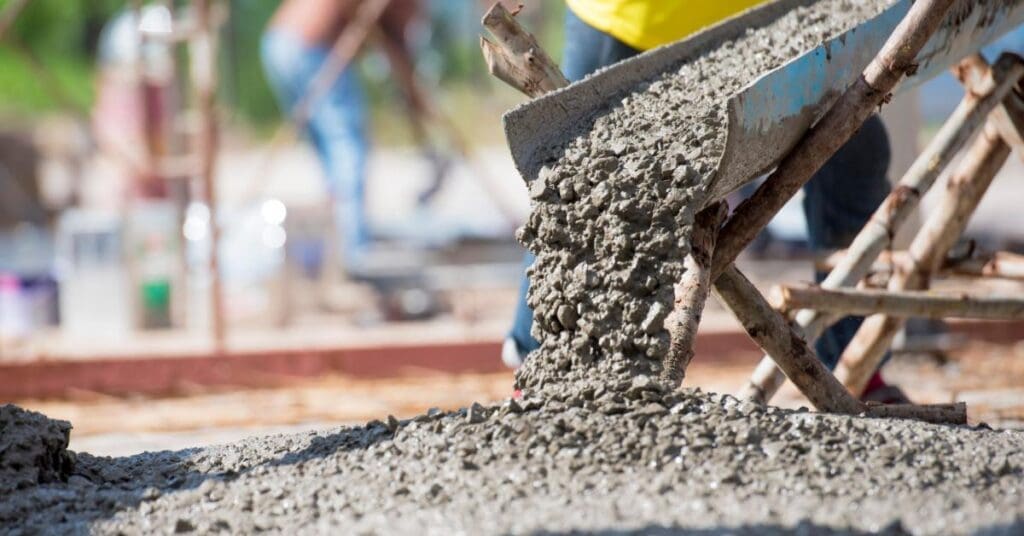
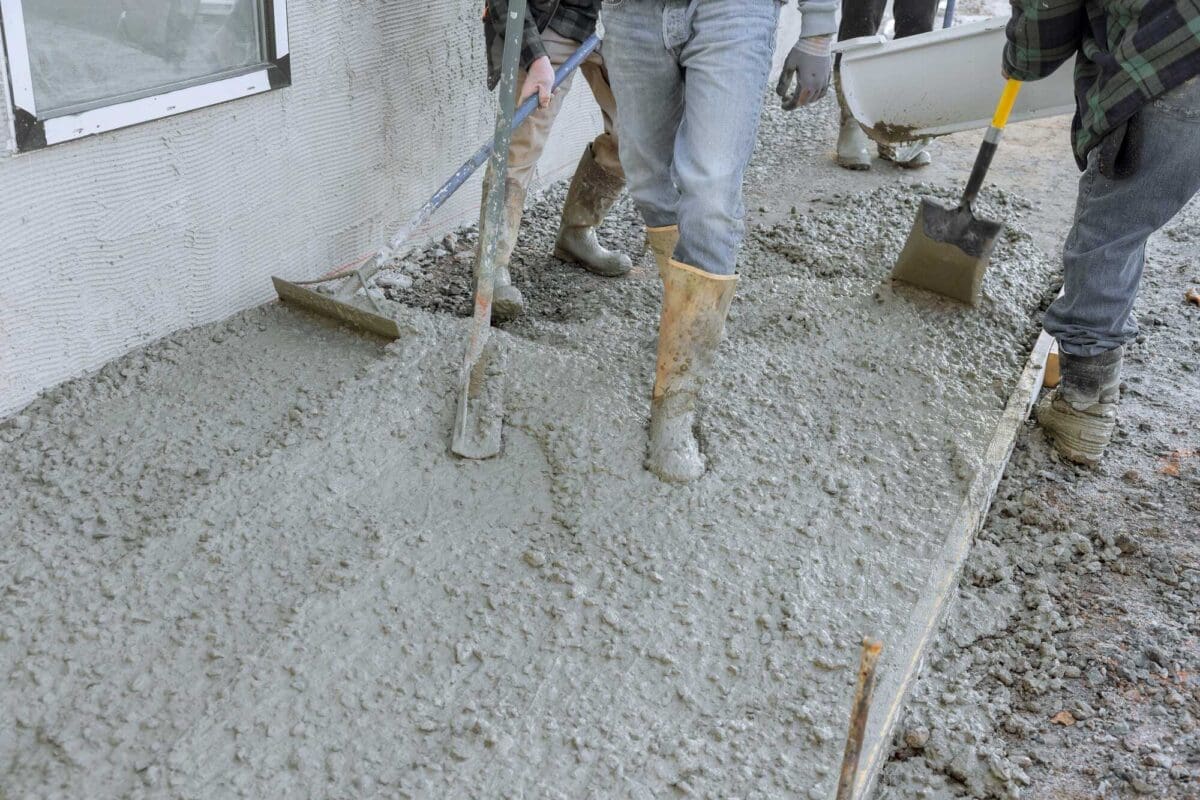
A group of researchers released a report that used machine learning to analyze how rice husk ash (RHA) could partially replace cement in concrete. Studies into using rice husk ash have been ongoing for some years – this study’s use of machine learning takes the research a step further as it was used to predict the strength and other qualities of the RHA-infused concrete.
Using rice husk ash in concrete causes a chemical reaction that forms secondary products that give strength and stability to the resulting concrete mixture.
Since cement is such a major cause of carbon dioxide emissions, by replacing some of the cement in concrete with rice husks, the goal is to reduce carbon dioxide emissions.
Strength of Concrete With Rice Husk Ash
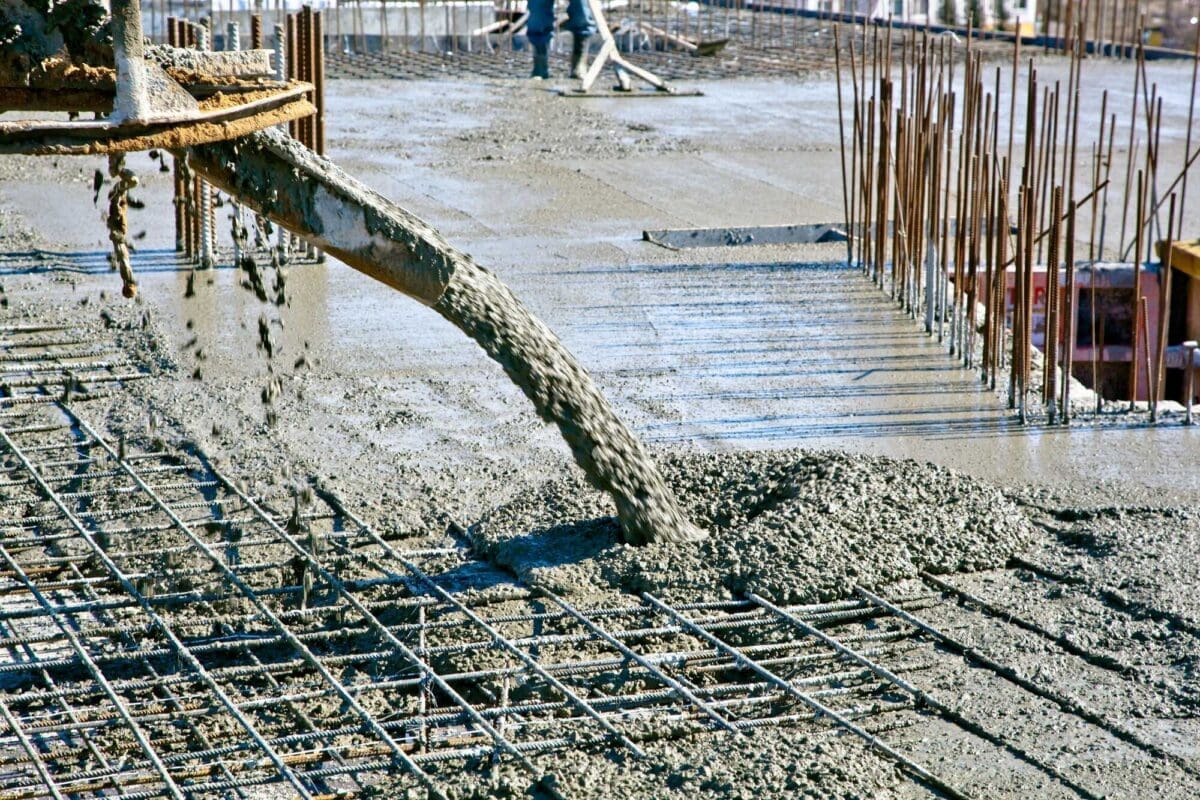
During the study, rice husk ash replaced 5 percent, 10 percent, and 15 percent of cement in concrete mixtures. The resulting concrete allowed for much greater later age compressive strength, better moisture barrier characteristics, and higher abrasion resistance compared to regular concrete made with all cement.
Although it’s unclear exactly how significant the reduction of CO2 emissions would be thanks to the partial replacement of cement with rice husk ash, the researchers are hoping that this concrete can be a part of the solution to climate change.
According to Statista, each ton of cement produces roughly 0.9 tons of carbon dioxide and the hope is that by reducing cement production and by using concrete with rice husk ash, carbon dioxide emissions will also be reduced.

Get the Green Building Project Checklist
Use this handy checklist on your next project to keep track of all the ways you can make your home more energy-efficient and sustainable.
Images from Depositphotos