Retrofitting for the Future
Low-Carbon Solutions for Canada’s Apartment Buildings

Published: July 31, 2025
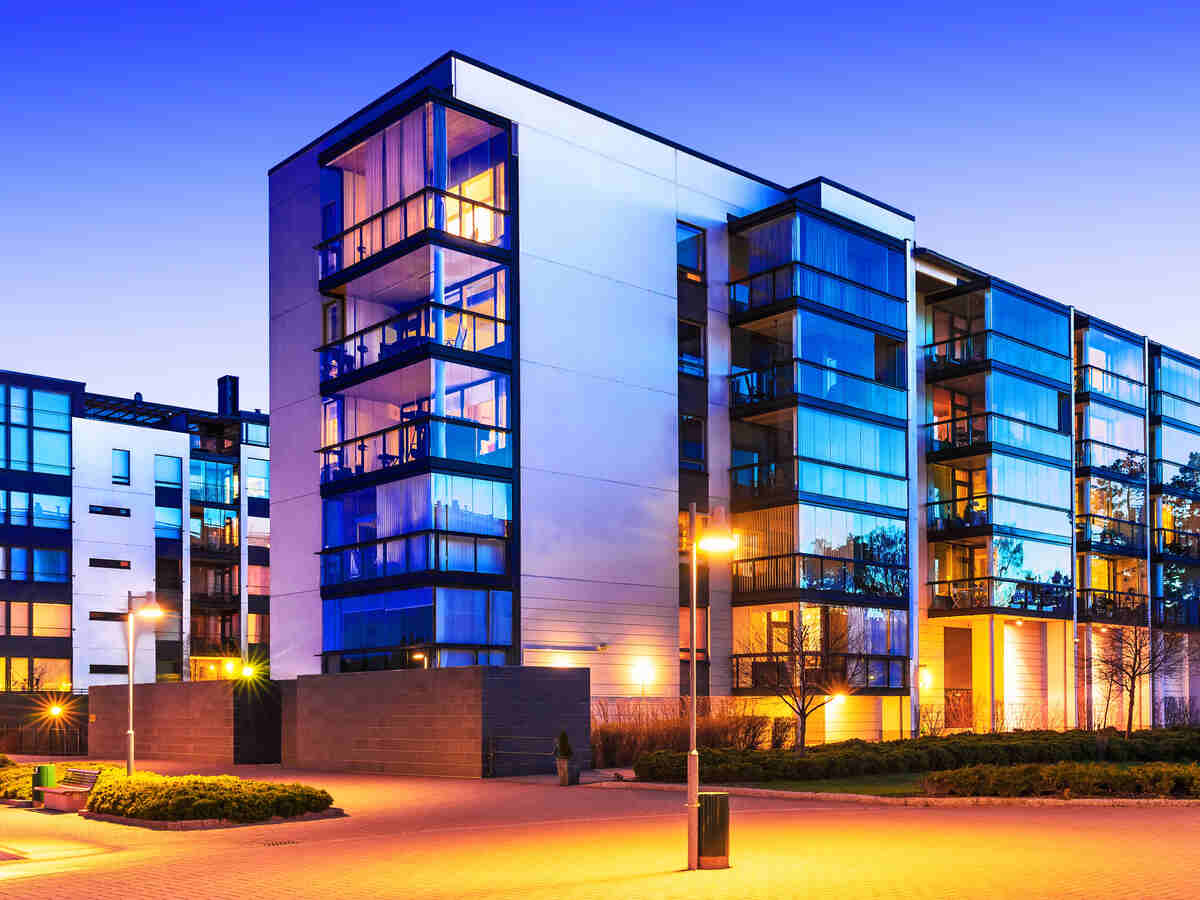
Retrofits are the perfect tactic for balancing climate resilience and infrastructure upgrades. They extend the lifespan of existing buildings which prevents demolition and new construction, while improving energy efficiency, increasing property value and improving tenant comfort and health.
Canada has over 16 million residential buildings (including multi-unit apartment buildings). The built environment remains the country’s third largest emissions contributor while construction and demolition waste accounts for 30 percent of waste. Apartment retrofits could help reduce these emissions and waste to create a better climate future.
Retrofitting is the environmentally friendly choice – retrofitting an existing building results in 50-75 percent less carbon emissions than if that same building was built new.
Many apartments suffer from technological inefficiencies like heating and cooling problems or outdated water systems. Old buildings need to adopt modern energy efficiency standards to mitigate emissions.
Retrofitting also boosts Canadian apartment dwellers’ property values and quality of life. They make areas more attractive to renters and buyers, promoting local economic well-being. In addition to community prosperity, quality of life improvements include better air quality, greater climate resilience, more consistent utility uptimes and improved comfort levels.
Low-Carbon Retrofitting Solutions
These are some of the most significant retrofit solutions to make a difference in lowering carbon emissions for apartments
| Retrofit Solution | Benefits |
|---|---|
| Building envelope improvements | Creates consistent internal conditions / Lowers energy consumption / Promotes a longer life cycle for equipment |
| HVAC systems | Meets modern energy standards / Saves apartments money on energy / Encourages technological innovation |
| Ventilation and air quality | Improves air quality / Causes fewer health issues associated with pollutants / Boosts indoor comfort |
| Lighting and appliances | Improved energy efficiency / Embraces modern equipment compliance / Increases safety |
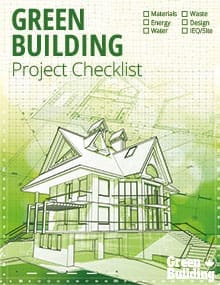
Get the Green Building Project Checklist
Use this handy checklist on your next project to keep track of all the ways you can make your home more energy-efficient and sustainable.
Overcoming Barriers to Retrofitting
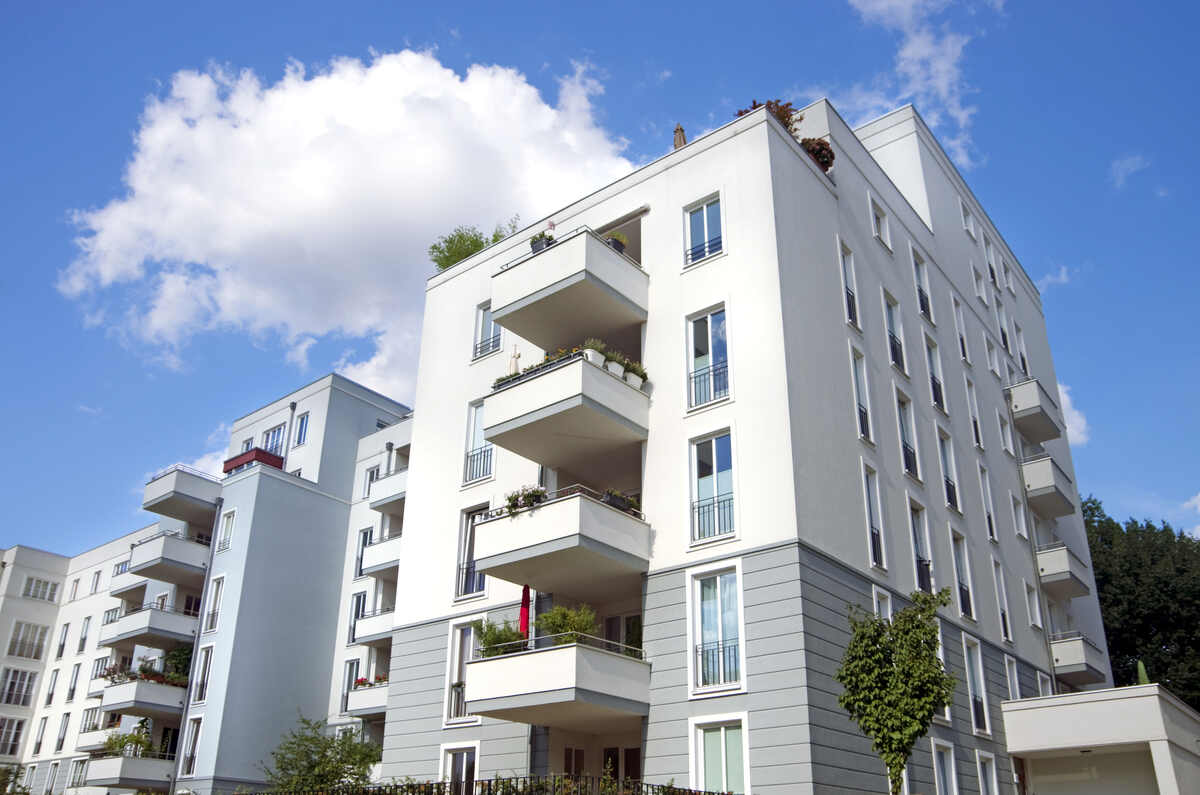
While making retrofits such as the ones mentioned above to your apartment sounds ideal, households, contractors and property managers face obstacles to widespread retrofits.
Financial barriers prevent many people from replacing heating systems or improving insulation. While the upfront costs are burdensome, the return on investment is clear, as lower utility costs save money in the long term. Unfortunately, many need immediate assistance to enjoy those advantages.
Many individuals and companies would obtain help through incentives, but regulatory barriers continue to delay significant incentives. Some exist, but more action is necessary to help more Canadians. This includes updating building codes to ensure the uptake of the most appropriate technologies for carbon reductions.
Additionally, some changes are outside the tenant’s control. While you may want to use more energy-efficient solutions, some landlords are unmotivated to participate. You may need to have open-minded and educational conversations with leadership to convey the urgency of these issues. Your initiative can be the difference-maker in your community.
Finally, there is a knowledge gap about the importance of retrofits among citizens. Many are unaware of the advantages of retrofits and may be putting off improvements because they fear a demolition is necessary. Advocating for minor improvements instead of complete overhauls is critical for inciting momentum and levelling everyone’s foundational knowledge on apartment carbon footprints.
Policy and Incentives Driving Retrofitting Efforts
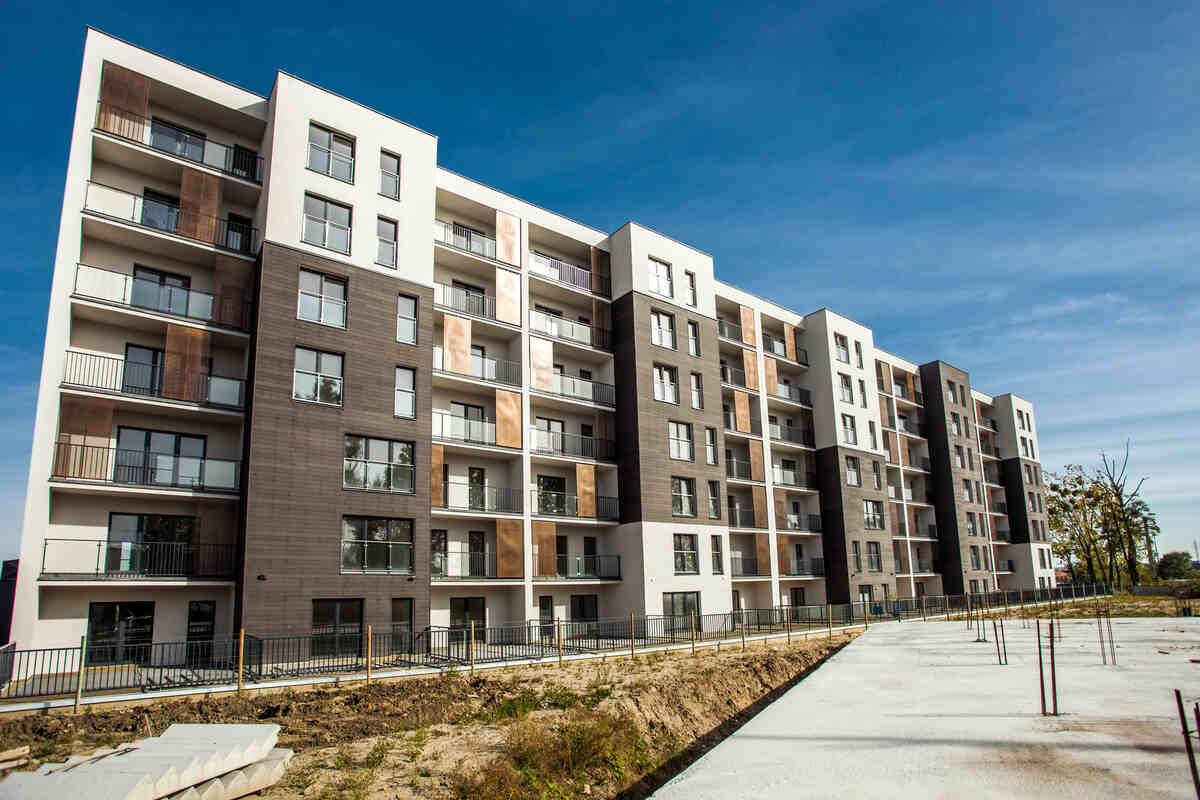
There are a range of federal, provincial, municipal and utility-based programs to explore. The federal government has created a Retrofit Hub to centralize all information about essential programs, and we also maintain our own list of incentives in our Incentive Finder. Some of the programs that would be applicable to apartment retrofits include the Canada Mortgage and Housing Corporation’s Canada Greener Affordable Housing program, Federation of Canadian Municipalities’ Green Municipal Fund and the Indigenous Services Canada’s First Nation Infrastructure Fund.
The guiding framework for these changes is the Canada Green Building Strategy, which encourages accelerated retrofits and affordability. The government estimates it would take 140 years to upgrade all residential buildings, which is why it is essential to start now.
You may also explore less traditional financial models for financing retrofits. Energy performance contracts are a novel way to avoid the financial burdens of expensive retrofits. They cover everything from switching fuel types to replacing window glazing (we maintain a list of energy performance contracts and other funding options in our guide, Loans for Green Homes: Financing Options for Energy-Efficient Home Renovations).
However, all apartment stakeholders need to explore the potential for new policies. Instigating these actions is essential to prevent stagnation. Otherwise, apartment emissions will balloon as demand increases and building codes become more outdated.
Canadians need to advocate for apartment retrofits. The effort will allow individuals and businesses nationwide to meet their climate objectives, contributing to the country’s larger goals. As more communities buy in, it will catalyze a mindset shift throughout provinces to change policy and bolster climate conversations everywhere.
Images from Depositphotos