

Disputes over contract terms are common in business, but going to court isn’t always the best solution. Court battles can be costly, time-consuming, and stressful for all parties involved. Fortunately, there are alternative methods to resolve disputes over contract terms that can save both time and money. Whether you’re dealing with issues in a commercial real estate lease contract or any other legal agreement, knowing how to handle contract disputes without litigation is crucial.
In this article, we’ll explore various approaches to resolving contract disputes outside of court, and offer practical tips to ensure that the process remains fair and effective.
Common Reasons for Contract Disputes (& How to Avoid Them)
Ambiguous contract language – When terms in the contract are vague or unclear, parties may interpret them differently, leading to disagreements. To prevent problems from happening use clear and precise language. Make sure all terms are clearly defined and leave no room for misinterpretation.
Breach of contract – One party may feel that the other hasn’t fulfilled their obligations as outlined in the agreement. To avoid this problem, communicate expectations clearly, making sure both parties have a mutual understanding of their obligations before signing a contract.
Misunderstandings over expectations – Even with well-defined terms, there can still be disagreements about what each party expected from the contract. Reviewing contracts thoroughly helps prevent this issue from arising. Before entering into any agreement, have a lawyer review the contract to ensure that all terms are fair and legally sound.
Changes in circumstances – External factors, such as economic changes or unexpected delays, may make it difficult for one party to fulfill their contractual obligations. Remember to stay flexible and be prepared to renegotiate terms if circumstances change. Flexibility can help prevent disputes from escalating.
When disputes arise, it’s important to remember that litigation isn’t your only option. Many businesses successfully resolve contract disputes through alternative means.

Get the Green Building Project Checklist
Use this handy checklist on your next project to keep track of all the ways you can make your home more energy-efficient and sustainable.
Mediation: A Collaborative Approach
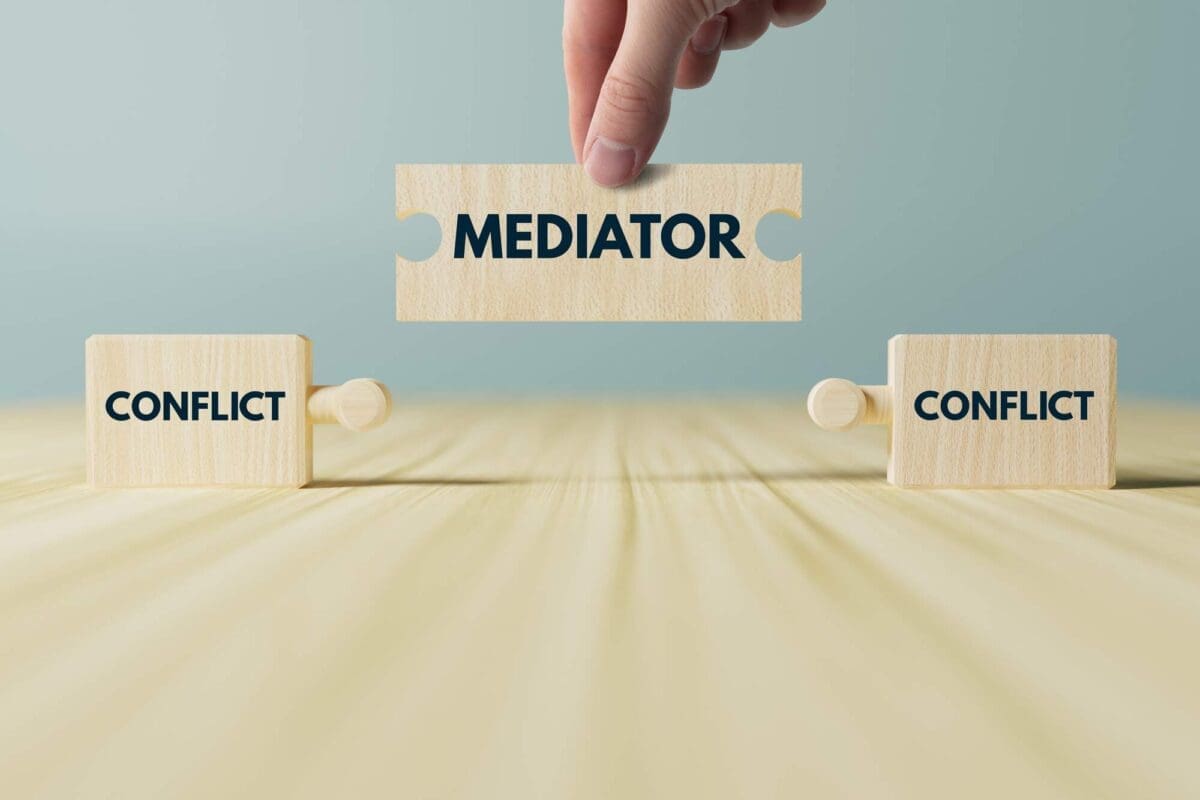
Mediation is one of the most effective ways to resolve disputes without going to court. It involves a neutral third-party mediator who helps both parties negotiate and reach a mutually agreeable solution.
Benefits of Mediation
Confidentiality – Mediation is a private process, so sensitive business details are kept out of the public record.
Control – Both parties have more control over the outcome compared to a court ruling.
Cost-effective – Mediation is typically much less expensive than going to court.
During mediation, the mediator doesn’t make decisions for the parties involved. Instead, they facilitate communication and help both sides understand each other’s positions. This collaborative approach often leads to a quicker and less adversarial resolution.
Arbitration: A More Structured Alternative

If mediation doesn’t lead to a resolution, arbitration is another alternative to court. Arbitration is more formal than mediation, but it’s still less rigid than going through the court system. In arbitration, an arbitrator listens to both sides of the dispute and makes a binding decision.
Benefits of Arbitration
Speed – Arbitration can resolve disputes faster than a traditional court case.
Flexibility – The parties can agree on certain rules, such as choosing the arbitrator or the location of the arbitration.
Finality – The decision made by the arbitrator is usually binding, meaning it cannot be appealed.
This process is often used in contract disputes, particularly in business-related matters. For example, if you have a disagreement over a real estate lease contract, arbitration may be a faster and less costly way to settle the issue than a lengthy court battle.
Negotiation: Resolving Contract Disputes Through Direct Discussion
In some cases, disputes over contract terms can be resolved through simple negotiation between the parties. This approach works best when both sides are open to compromise and have a strong working relationship.
Tips for Successful Negotiation
Stay professional – Keep the conversation respectful and avoid letting emotions take control.
Focus on interests, not positions – Instead of arguing over specific terms, try to understand the underlying interests of both parties.
Be open to compromise – Successful negotiation often requires both parties to make concessions.
Put agreements in writing – If you reach a resolution, make sure to document the new terms to avoid future disputes.
Negotiation is often the quickest and least expensive way to resolve disputes, but it requires both parties to be willing to engage in meaningful discussion.
Include Dispute Resolution Clauses in Contracts
One way to avoid costly disputes in the future is to include a dispute resolution clause in your contracts. This clause outlines the steps that parties must take to resolve any potential disagreements before resorting to litigation.
Regarding the dispute resolution process, the elements to include in your contract are: a clause requiring both parties attempt mediation first; if mediation fails arbitration is the next step; specify which laws will govern the dispute and where arbitration or mediation will take place; indicate whether the decisions made through arbitration are binding or whether there is room for further appeal.
By setting these terms in advance, both parties know what to expect if a dispute arises, which can help prevent conflicts from escalating.
The Role of Legal Counsel

Even when attempting to resolve a dispute outside of court, it’s a good idea to consult with a lawyer. A legal professional can help you understand your rights, clarify the terms of the contract, and ensure that any agreement reached during mediation or arbitration is legally sound.
A lawyer can also help identify potential weaknesses in your case and provide guidance on whether a particular resolution method – such as mediation or arbitration – is appropriate for your situation.
By taking the time to understand alternative dispute resolution methods such as mediation, arbitration and negotiation, businesses can resolve disagreements over contracts more efficiently and cost-effectively. Whether you’re dealing with a real estate lease contract or another type of legal agreement, resolving disputes outside of court can help you protect your business relationships while avoiding the stress and expense of litigation.
Images from Depositphotos