
Why the Building Envelope is One of the Most Important Decisions in Canadian Construction

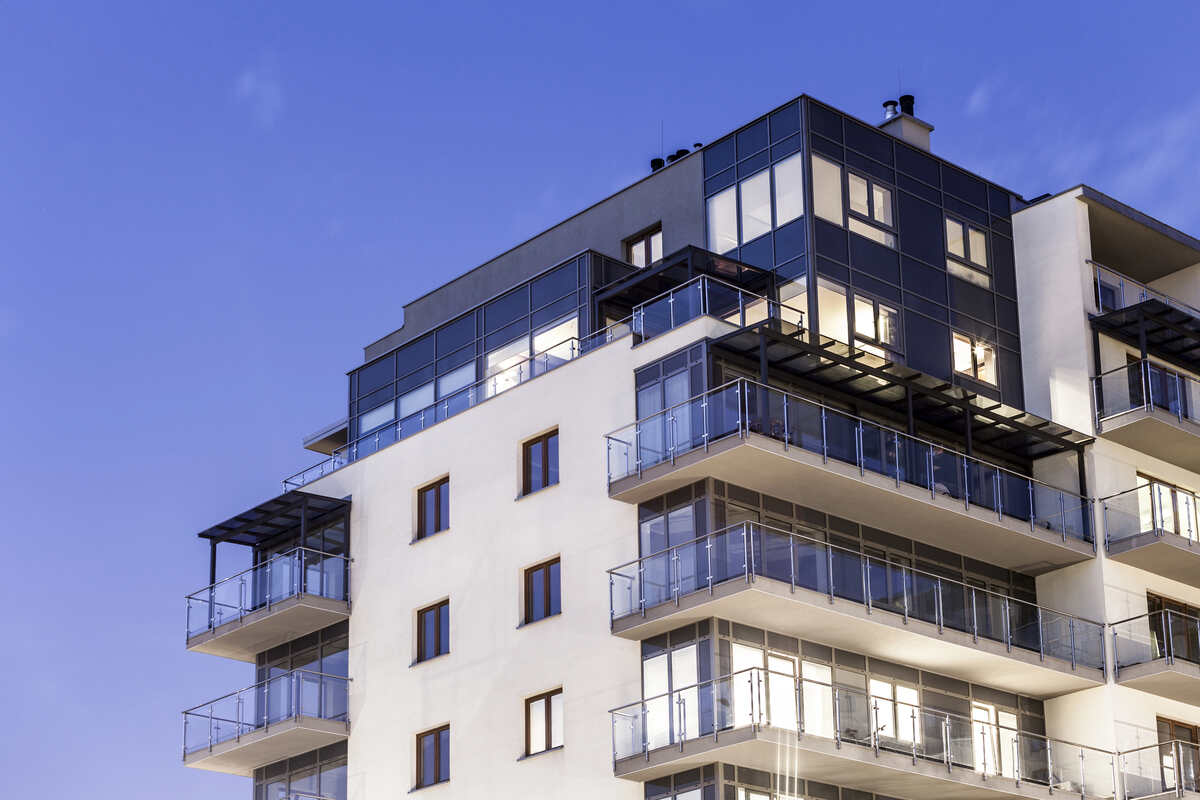
From freeze-thaw cycles in Ontario to coastal moisture exposure in British Columbia and prairie winds in Alberta, buildings in this country endure serious environmental stress. When conversations around sustainability focus only on solar panels or energy efficiency upgrades, they overlook a critical truth: performance begins at the envelope.
The building envelope, comprising roofing, siding, insulation, windows, doors and drainage systems, acts as the primary interface between inside and out. Its design determines not only comfort and durability, but also long-term energy performance, maintenance cycles and embodied carbon impacts.
With climate change increasing the frequency of extreme weather, the demands placed on building envelopes are only growing. Designing a durable, resilient “skin” for buildings is becoming essential not just for energy efficiency and longevity, but for protecting structures from the environmental stresses they will face in the decades ahead.
The Envelope as a Climate Moderator
A high-performing envelope regulates air, water, vapour and thermal movement. In practical terms, this means reducing heat loss in winter, limiting solar heat gain in summer and preventing moisture infiltration year-round.
In Canada’s climate zones, this role is especially critical. Buildings must maintain comfortable interior conditions while facing extreme seasonal temperature swings. Space heating alone represents about 61 percent of energy use in Canadian homes, according to the Natural Resources Canada, making envelope performance the single largest driver of overall energy demand. When walls, roofs and foundations are not properly insulated or sealed, heating systems must work continuously to compensate for energy escaping through the building shell.

Get the Green Building Project Checklist
Use this handy checklist on your next project to keep track of all the ways you can make your home more energy-efficient and sustainable.
Air leakage is often the hidden culprit behind poor performance. Even relatively small gaps around window frames, electrical penetrations, service lines and structural junctions can add up to significant losses. NRCan estimates that air leakage alone can account for about 25 percent of heat loss in older Canadian homes. In fact, the cumulative gaps in a typical Canadian house can equal an opening roughly the size of a basketball in the air barrier.
This is why envelope design focuses heavily on continuity. Even well-insulated interiors can underperform if exterior assemblies are improperly detailed or interrupted by structural elements. Thermal bridging through framing members can allow heat to bypass insulation layers, while discontinuous air barriers allow conditioned air to escape.
Building scientists have long pointed out that traditional wall assemblies lose much of their insulating value through structural framing. Wood studs, steel members, and floor slabs act as thermal bridges that allow heat to bypass insulation layers. According to building scientist Joseph Lstiburek, this means a nominally well-insulated wall can perform far below its rated value in real conditions.
Studies show that framing members such as studs and headers can account for up to 30 percent of heat loss in a wall assembly, highlighting the importance of continuous exterior insulation to reduce thermal bridging.
By placing insulation in a continuous layer outside the structural frame, designers can dramatically reduce thermal bridging while keeping the wall assembly warmer and drier – a critical factor in cold climates where condensation risk is high.
Source of Heat Loss in Buildings
| Source of Heat Loss | Heat Loss % |
|---|---|
| Walls (conduction) | 25% |
| Windows (conduction & solar heat gain) | 29% |
| Roof | 16% |
| Foundation | 10% |
| Air leakage | 20% |
https://web.ornl.gov/sci/buildings/2016/docs/presentations/practices/practices-03/Practices03_Paper39_Hun.pdf
Improving building envelope performance is therefore one of the most effective ways to reduce operational carbon in both residential and commercial buildings. High-performance builders place strong emphasis on airtightness, thermal continuity and moisture management. In short, the exterior shell of a building is not simply aesthetic framing – it functions as a core energy system that determines how efficiently the entire structure operates.
Durability as Sustainability
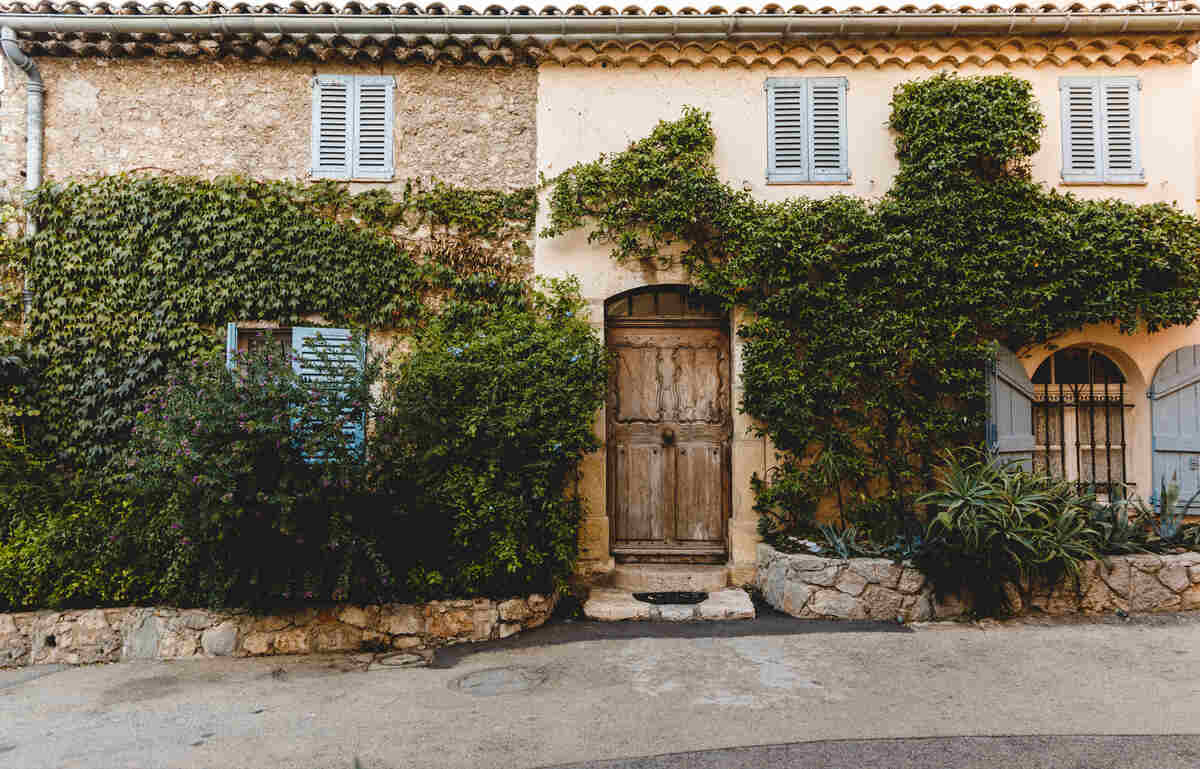
Sustainability is often measured in kilowatt-hours saved. Yet durability is equally important. Materials that degrade quickly require replacement, generating additional embodied carbon, transportation emissions and landfill waste.
The financial stakes of envelope failure in Canada are significant. Claims for building envelope deficiencies (mainly moisture penetration through walls, windows, foundations and roofing) have increased dramatically over the past two decades and now represent approximately 70 percent of all identified construction defects in Canada.
The consequences compound quickly: what begins as a small leak can escalate into structural decay, saturated insulation and interior restoration costs exceeding $100,000, with roof replacements, mould remediation and damaged finishes often far outweighing the cost of proactive maintenance.
The physics of Canadian climate make moisture management the central durability challenge. When water settles into the pores and crevices of building materials and temperatures drop, it freezes and expands by up to 9 percent –widening cracks before thawing, only to repeat the cycle. Even as climate data suggests a gradual decline in annual freeze-thaw events in some regions, their ongoing presence and increasing severity pose a quantifiable threat to aging and thermally inefficient buildings. Freeze-thaw cycles can crack masonry. Ice dams can damage roofing systems. Wind-driven rain can penetrate poorly detailed cladding assemblies. Resilient exterior design focuses on: effective drainage planes, ventilated rain screens, moisture-tolerant materials, impact-resistant roofing and proper flashing and sealing details.
When exterior assemblies are designed for longevity, they reduce lifecycle environmental impact. A façade that lasts 40 years instead of 20 makes a major difference in resource consumption since you only have to replace half as often.
Climate Adaptation and Resilience
Climate change introduces new performance challenges. Increased storm intensity, wildfire exposure and shifting precipitation patterns demand adaptive exterior design.
Fire-resistant cladding, impact-rated roofing, enhanced drainage systems and resilient fastening methods are gaining prominence. Green building today must address mitigation and adaptation simultaneously.
Resilient exteriors also reduce insurance risk and long-term repair costs. Sustainable design cannot ignore the financial stability of property owners; economic resilience supports environmental resilience.
Energy Retrofits Begin Outside
Canada’s existing housing stock presents a major decarbonization opportunity. Many homes built before modern energy codes lack sufficient insulation and air sealing. While interior upgrades help, exterior retrofits often provide deeper performance improvements.
Interior upgrades have their place, but the envelope is where the deepest performance improvements are made. Exterior insulation retrofits, high-performance siding systems, upgraded soffits and fascia ventilation and modern roofing assemblies address the building as a complete thermal and moisture management system rather than a collection of isolated components. The result is measurable improvement in both energy performance and long-term weather resistance.
Because the sequencing and compatibility of these interventions matters enormously, homeowners pursuing comprehensive upgrades increasingly rely on specialized exterior contracting services to assess existing conditions before work begins. A thorough evaluation of cladding condition, water management continuity and insulation gaps ensures that new performance investments aren’t quietly undermined by unresolved envelope weaknesses underneath.
The payoff extends beyond the envelope itself. An airtight, well-insulated exterior assembly reduces the heating and cooling load on mechanical systems – meaning heat pumps can be sized smaller, solar systems work more efficiently and operational costs drop across the board. The exterior retrofit doesn’t compete with broader energy strategies. It’s what makes them work properly.
WATCH || Building Envelope Assessment: Learn How to Identify the Issues that Cost Money
Embodied Carbon and Material Selection

As operational emissions decrease through electrification and renewable energy integration, embodied carbon in materials becomes more significant.
Exterior materials carry substantial carbon footprints depending on extraction, manufacturing and transport processes. Wood-based cladding sourced responsibly can offer lower embodied carbon compared to certain high-intensity materials. Recycled metal roofing, fibre cement products and engineered systems each carry different environmental trade-offs.
Designers and contractors increasingly evaluate Environmental Product Declarations (EPDs) to understand lifecycle impacts. Balancing durability with lower embodied carbon choices is becoming a defining characteristic of advanced green building practice.
Importantly, longevity remains critical. A slightly higher embodied carbon material that lasts twice as long may ultimately outperform a lower-carbon alternative requiring frequent replacement.
Policy and Market Momentum
Federal and provincial initiatives are pushing the industry towards higher performance standards. Building code revisions increasingly incorporate energy efficiency benchmarks, while municipalities adopt stricter envelope requirements.
Incentive programs encourage deep energy retrofits, many of which hinge on exterior improvements. Contractors and designers who understand integrated envelope performance are positioned at the forefront of Canada’s sustainable construction evolution.
Moreover, consumer awareness is growing. Buyers recognize that homes with high-performing envelopes deliver consistent comfort, lower utility bills and improved durability. Exterior upgrades are no longer cosmetic decisions; they are investments in environmental performance.
A well-designed envelope forms the foundation upon which all other green systems depend. As industry standards evolve and climate pressures intensify, attention to exterior assemblies will only deepen. The path towards net-zero and resilient communities runs directly through siding panels, roofing membranes, flashing details and insulation layers.
Images from Depositphotos


Subject: Resilience from the Ground Up: The Role of Backwater Valve Pits
Dear [Author Name/Green Building Canada Team],
Thank you for the insightful piece, “Why Canadian Buildings Live or Die by Their Skin.” Your point regarding moisture management being the central durability challenge for Canadian homes is spot on, especially with the 70% statistic on construction defects.
While the article masterfully covers the “above-grade” envelope, I believe there is an equally critical component of a resilient building “skin” that deserves a spotlight: the Backwater Valve Pit.
As we face the increased storm intensity you mentioned, the building envelope isn’t just fighting wind-driven rain from the outside; it’s fighting hydraulic pressure from the municipal sewer system below.
Why the Backwater Valve Pit belongs in the Resilience Conversation:
The “Internal” Envelope Breach: We often focus on siding and flashing, but a sewer backup is the most catastrophic failure a foundation “skin” can experience. A backwater valve acts as a one-way check valve, ensuring that when municipal systems are overwhelmed, the “envelope” remains un-breached from below.
The Necessity of the Pit: A valve buried under a basement slab is a liability. A proper Backwater Valve Pit provides a recessed, accessible housing unit. This allows homeowners to perform the annual maintenance required to ensure the flap isn’t obstructed by debris—maintenance that is central to the “longevity” theme of your article.
Economic Resilience: You mentioned that interior restoration can exceed $100,000. In many Canadian jurisdictions, a backwater valve is now a prerequisite for sewer backup insurance. Without the accessibility provided by a dedicated pit, these systems are often neglected until they fail.
If the walls are the skin and the foundation is the bone, the backwater valve is the “valve in the vein” that prevents a toxic backflow. Integrating these pits into the initial design of a resilient exterior ensures that the high-performance interiors we work so hard to insulate aren’t destroyed by a single extreme weather event.
I’d love to see more discussion on how below-grade resilience—specifically backwater prevention and pit accessibility—complements the excellent work being done on high-performance cladding and roofing.
Best regards,
Radon Home Defence