
Sizing up the Siding
Is It Worth Replacing Siding and Adding Insulation to an Old Home?

In this weekly Q&A column, retired builder/building inspector Cam Allen answers readers’ home renovation questions. Have a question? Enter it in the form below.
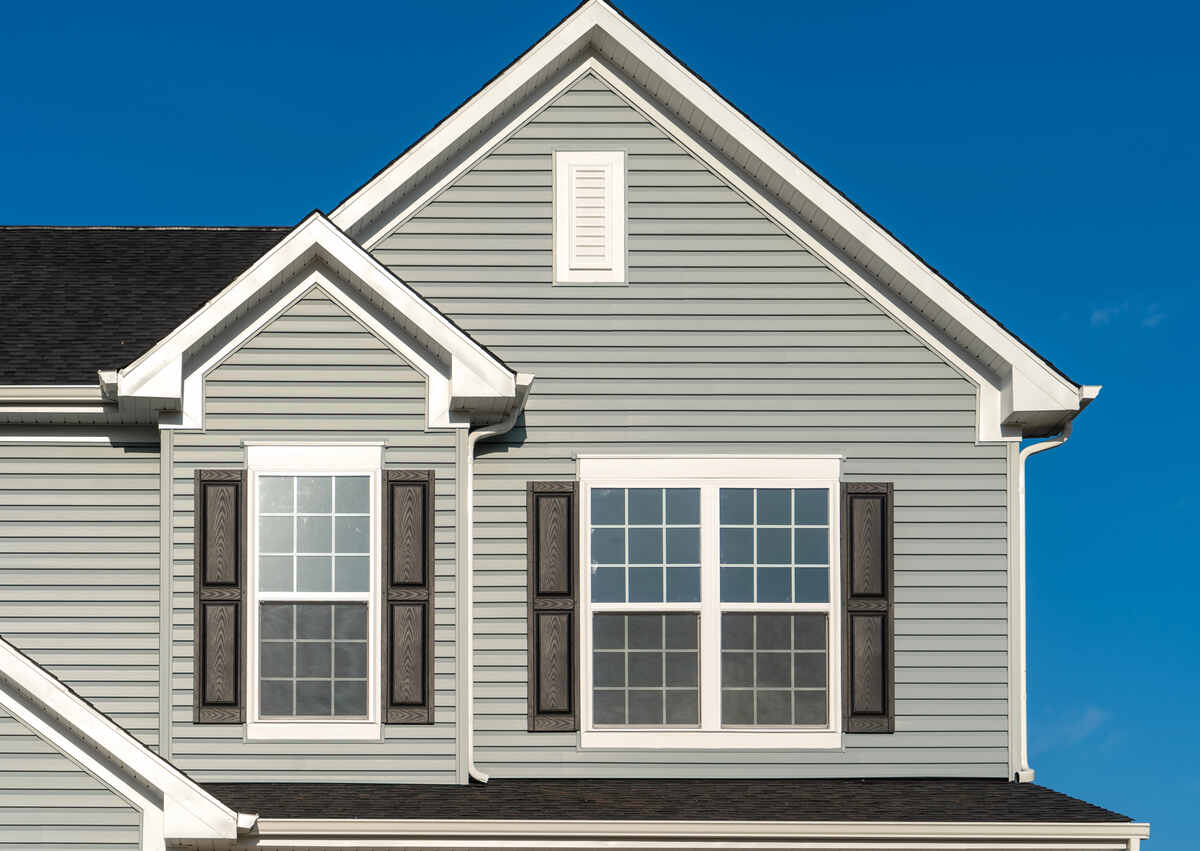
One renovation that can hit the bank account hard, depending upon the level of upgrade you do, is replacing the siding on your home. I have seen this project hit the $20,000+ mark on a number of occasions. A couple of readers asked how much benefit there would be to replacing the old wood siding on a 1950s home. They both asked if adding insulation would help and my answer is a resounding “Yes.”
Both of these homes had a 4×8 sheathing under the siding called “Ten-Test” board. It was popular in the late 60-70s. I put this on a number of homes and hated installing it. It was a ⅝” thick black tar impregnated paper board. You had to wear gloves in the summer, if not your hands got covered in tar and it was miserable to get off your hands. It was the forerunner of OSB that we still see as wall sheathing today.
If you are going to the effort and expense of replacing siding, adding rigid foam board has a major energy saving benefit. It will help reduce the carbon footprint of your home along with significantly reducing your heating and cooling costs. Properly installed it will nearly eliminate the thermal bridge effect that go with a wood frame home. It will add a bit of structural integrity and improve the negative effects of moisture in your wall cavities. By installing rigid foam you will actually move the dew point to the outside of the wall cavity, helping reduce your condensation issue.
The biggest consideration is improving the R-value or RSI value as we know it here in Canada. RSI (Resistance to Heat Transfer) is the metric equivalent. We often see both on insulation products. The higher the R-value, the greater the insulation is in preventing heat transfer from the warm indoors to the cold outdoors in the winter (and the opposite in the summer). Rigid foam insulation does not require a vapour barrier.
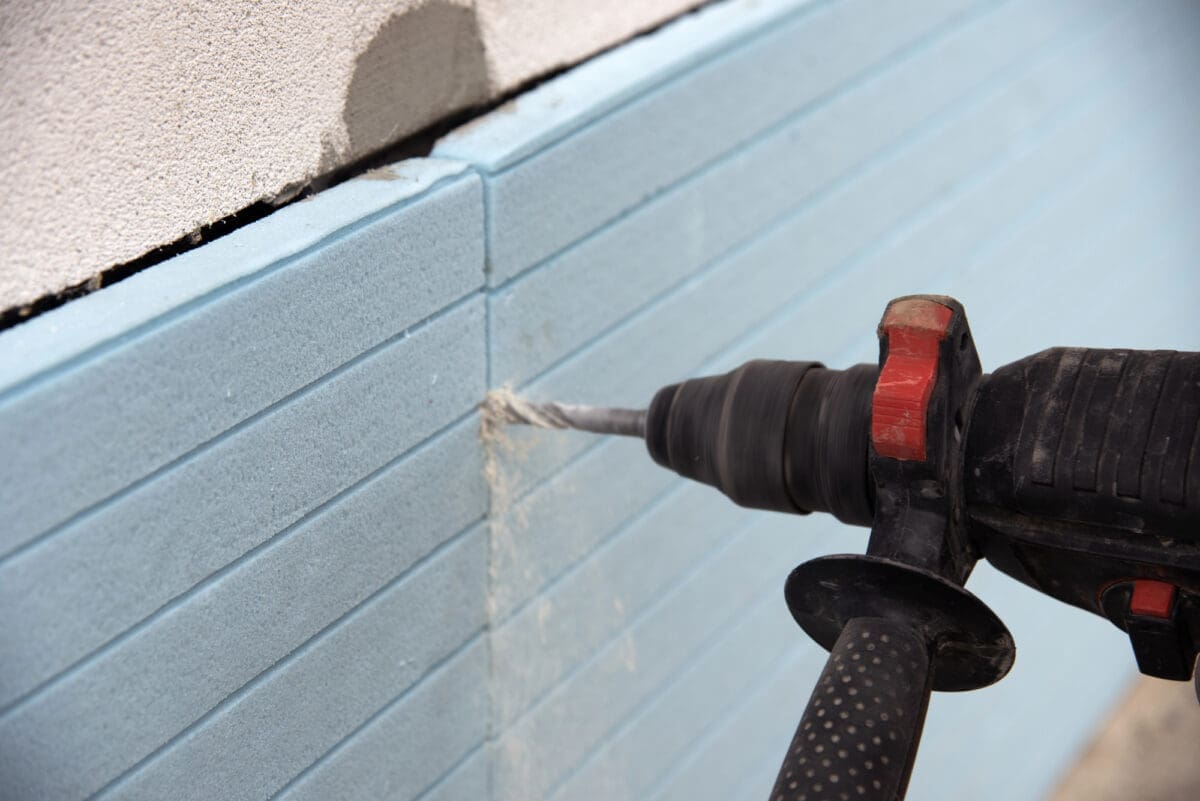
There are a number of kinds of rigid foams boards on the market. EPS (expanded Polystyrene) board has an R factor of about 4 per inch. XPS (extruded Polystyrene) board comes in about R5 and Polyiso (Polyisocyanurate) foam board is recognized at about R6 per inch. If you are going to install this foam board, my recommendation is no less than 2” and I have installed 3” on some older homes.
When you look at older homes with 2×4 walls fitted with fibreglass batt insulation the value was advertised around R12. However, in truth, fibreglass batt 2×4 exterior walls have a considerably lower thermal value. Due to the wood frame’s exterior exposure, the home’s overall wall insulation value is reduced by approximately 11 percent. By adding 3” of rigid foam XPS you have added R15 to the wall, bringing you closer to the insulation wall level of a new home in Canada Zone A. This rigid foam layer also greatly reduces the thermal loss from the 2×4 frame.

Get the Green Building Project Checklist
Use this handy checklist on your next project to keep track of all the ways you can make your home more energy-efficient and sustainable.
[Editors note: More sustainable forms of XPS have come out in recent years that use HFO blowing agents instead of the much worse blowing agent HFC-134a. This Canadian manufacturer’s product has a GWP (global warming potential) of just 1 as compared to conventional XPS of 1,300, resulting in a 99.92 percent reduction in GHG emissions.]
The next consideration is how installing a rigid foam layer will affect your openings, windows and doors. In this case, if present I always removed the exterior trim and extended the openings with pressure treated 2×4 or 2×6 ripped to width that brings this frame to the same depth of the rigid foam. These are sometimes called “jamb extensions.”
At this stage some consideration for the type of siding may be needed. If you are making the siding butt to the door frame, door or window opening trim, you would set the frame extensions level with the rigid foam board. Then we used window formula spray foam to fill in any inconsistencies [Sika Boom Arctic is a Low-VOC option that is CFC and HCFC-free]. In the past it was common to pack in thin, cut up strips of fibreglass insulation between the window or door frame and the rough opening. Today we recognize this method has minimal insulation value. This is the ideal opportunity to remove this largely ineffective insulation and refill the rough opening areas with low pressure window spray foam. Do not fill this space in one application, try to install this spray foam in depths around 2-2.5 inches. Allow full curing time between each application.
There have been numerous discussions ever since building wrap became the norm about the use of building wrap for a rigid foam exterior wall renovation. The jury is still out on this. I have seen where the building wrap was installed before the rigid foam and I have seen it done after the foam is installed. My only recommendation here is to use the right wrap. Tyvex is the recognized industry leader and they make two kinds. If you are going under the foam board, use Tyvex DrainWrap and if you decide to cover the project from the exterior, standard home wrap is fine. Tape all the building wrap joints with special attention to the window and door openings. Do not tape the wrap along the bottom of the wall, allow the drainage path to remain here.
As far as the final selection goes, if your budget is limited then vinyl siding has a decent track record. Try to budget for one of the insulated vinyl sidings like CERTAplank by Certainteed. It’s one of a number of thicker, insulated vinyl siding. Both our readers asked what I would use and I admit my preference is a siding that has two main features. Ability to retain its integrity during our changing climate and not fade or warp. Second is having a good amount of eco-friendly content.
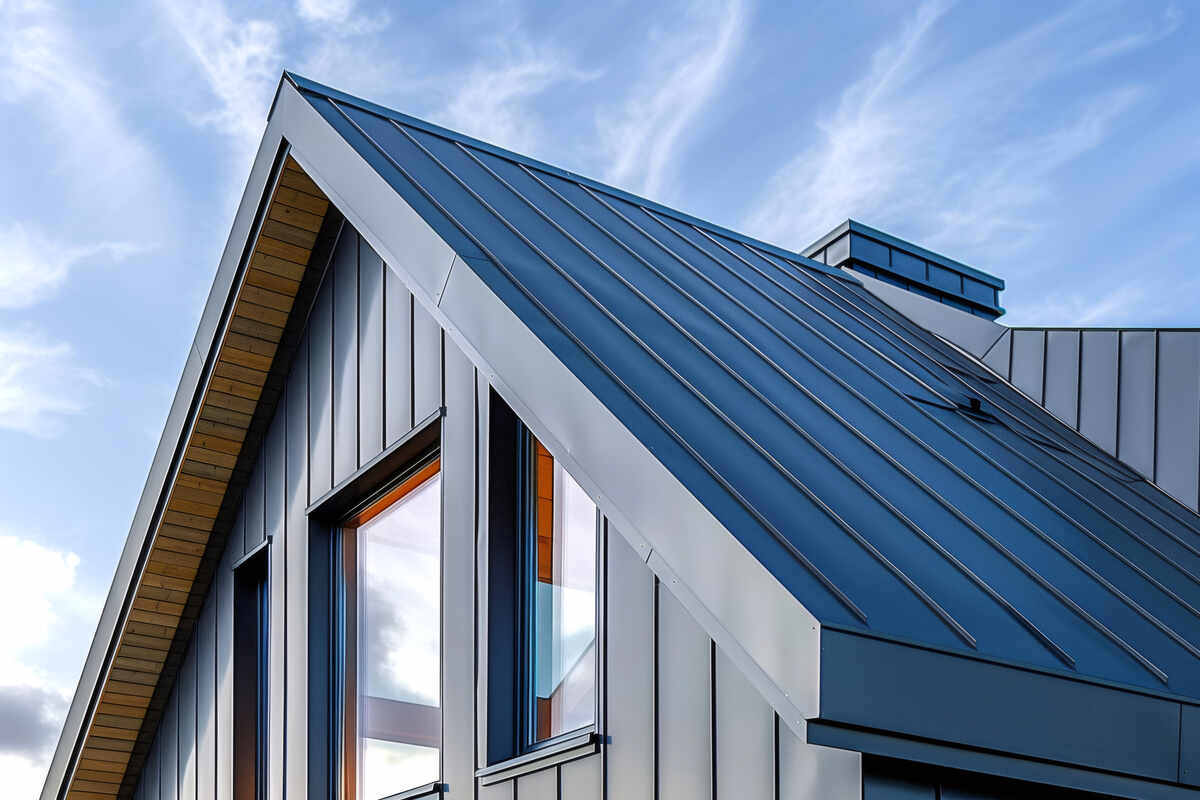
This leaves me with only two other options. My first choice is steel siding. Steel is one of the most recycled materials on the planet. Recent improvements in the “look of wood” appearance and a wider variety of colours are a plus factor. Maintenance is minimal, a power wash if it gets dirty. The largest negative: steel siding is not cheap.
My second choice is fibre cement siding and in this marketplace the folks at Hardie Board have really set the standard. It is made of cement, sand and cellulose fibres. It is very durable, stands up to severe rain or extreme winds and is very fire resistant. The biggest drawback is you must maintain the joints regularly. This means inspection and replacing the caulking at the joints. There are some colour limitations but they are getting better compared to 10 years ago.
From a renovation perspective, coupled with reducing your carbon footprint, upgrading your home with a rigid foam exterior is one of the most energy efficient upgrades you can do. There is one other plus that is often not considered. I have been in a 1950s home both before and after we did a rigid foam/residing job. Once you are done you will be amazed how much quieter your home will be!
Images from Depositphotos
Have a Home Renovation Question?
Write it down below and we’ll get back to you. All questions get answered – every week, we’ll select one for publication in the column.