
As a major producer of both natural gas and electricity, Canadians benefit from relatively low rates on both. Depending on where you are in the country, one may cost more than the other. Throughout most of the country, natural gas has traditionally been the cheapest option with about two-thirds of Canadians (7.6 million households) using it to heat their homes.
With heat pumps that has changed. Not only are they cheaper to run and use less energy to operate due to their high efficiency, they run on electricity so are better for the environment (hybrid models give you the flexibility of using both electricity and natural gas).
With improvements in heat pump technology that have enabled them to operate in cold temperatures (called cold-climate heat pumps) and government incentives to make the switch, there’s never been a better time to switch out your old furnace or boiler.
So, how much does a boiler replacement cost, and what are the alternatives? Here, we explain why you should look closely at heat pumps as an alternative and how you can save on your utility bills while promoting a healthier environment.
Boilers and Heat Pumps: How Do They Work?
A boiler works by heating up water and circulating that water through radiators, where the heat is then transferred to the interior of the building. A system that uses water to create heat is called hydronic heating.
The boiler’s water can be heated by natural gas, oil or electricity and then distributed through the piping system to radiators. Alternatively, underfloor heating could be used, which is more efficient since it doesn’t have to be heated to as high a temperature. In this system, the heated water moves through the piping below the finished flooring and heats the flooring, which then radiates heat throughout the room.
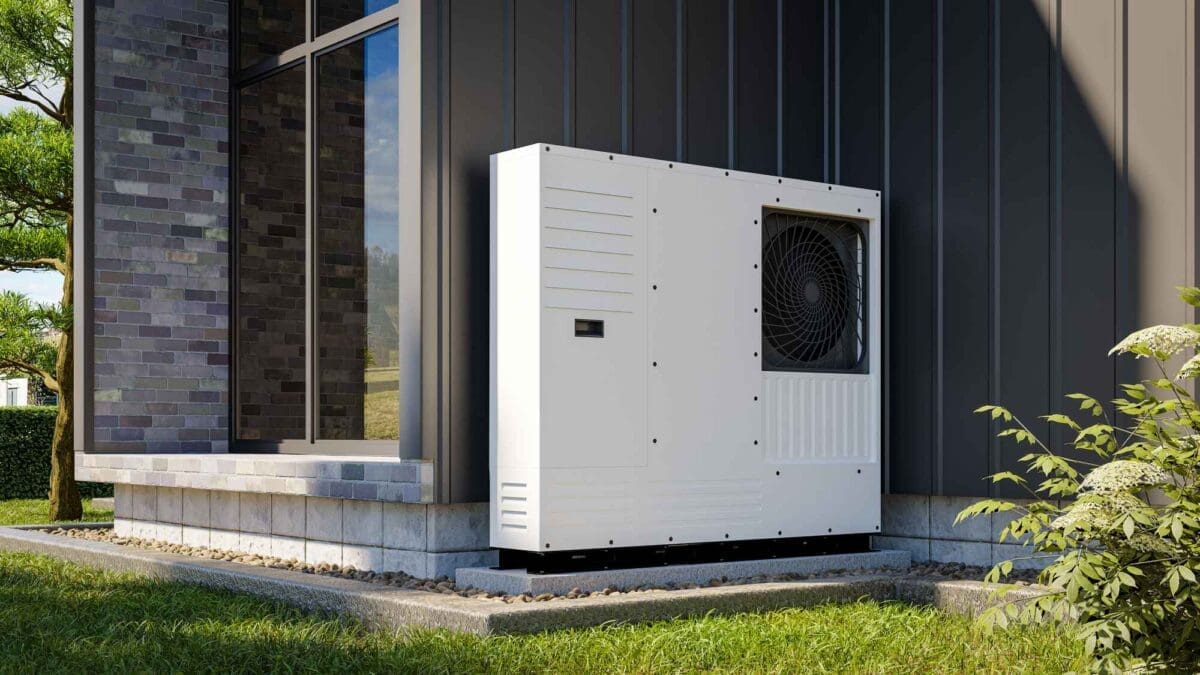
Instead of creating heat from fuel, heat pumps work on a different basis that’s much more efficient. They are not creating heat, but they are actually transferring existing heat from one location to another. In the winter they transfer whatever heat is in the air from outside to the inside. And in the summer they can also provide cooling by transferring the heat from indoors to outdoors, thus cooling down the building.

Get the Green Building Project Checklist
Use this handy checklist on your next project to keep track of all the ways you can make your home more energy-efficient and sustainable.
Heat pumps achieve this in the following sequence: the refrigerant absorbs heat in the evaporator coil; the compressor increases the pressure of the refrigerant, which raises its temperature; the refrigerant flows into the condenser coil where it releases heat and then that heat is transferred throughout the house via the emitters (eg. radiators, underfloor heating coil); the refrigerant then goes through the expansion valve to return it to normal pressure and the cycle continues.
There are a few types of heat pumps. The most common are air source heat pumps (ASHP). Of those there are two types: air-to-air and air-to-water heat pumps.
Air-to-air heat pumps are used for buildings that have ducts where conditioned air is forced through those ducts to heat or cool the building. These type of heat pumps are also implemented in buildings without ducts as there are ductless minisplit and multisplit models that work on the same principle, but don’t require ducts running throughout the buildings.
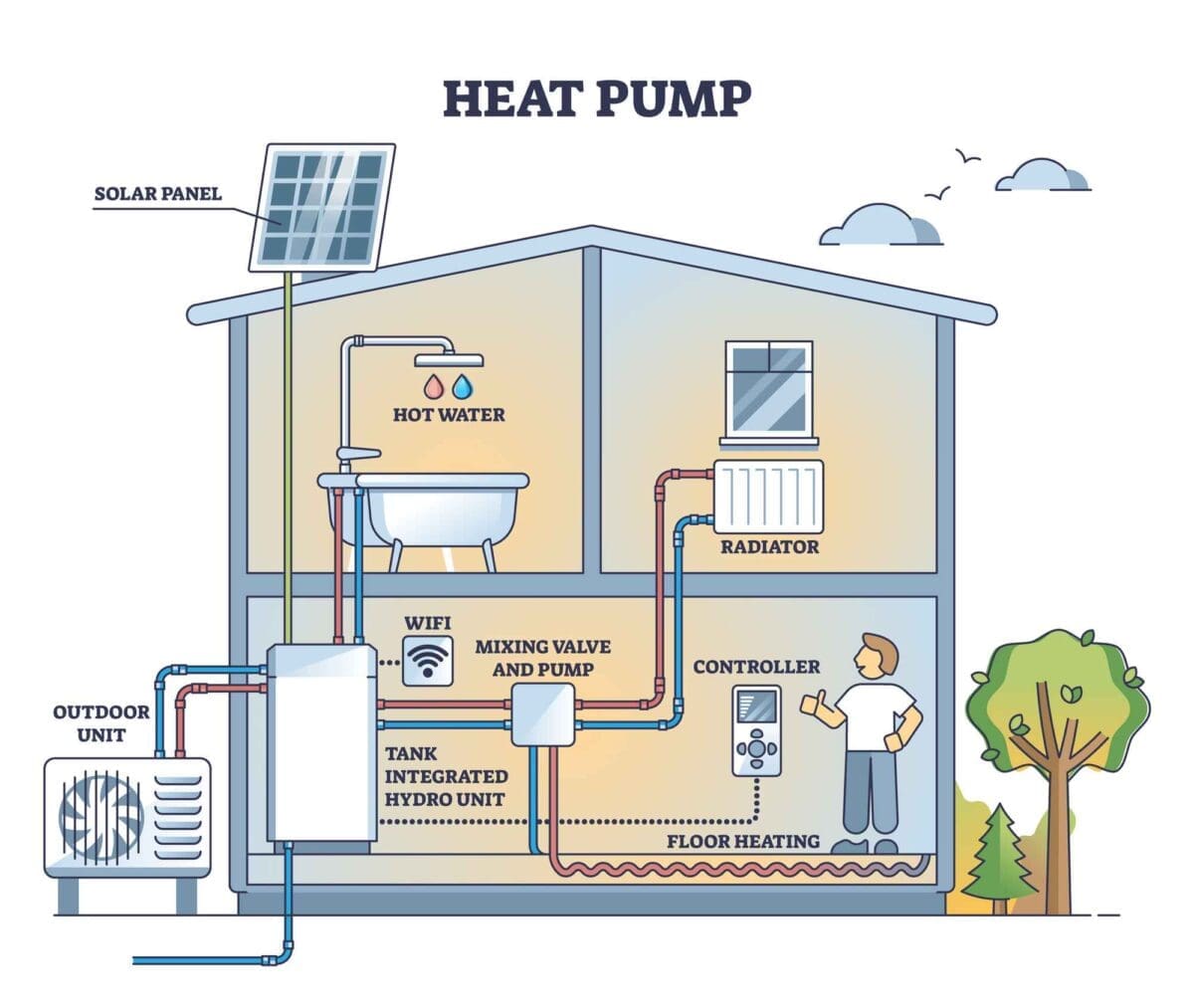
Air-to-water pumps transfer heat in the air to a water tank. That water is then transferred throughout the building’s emitters to heat or cool down the building. These hydronic heating systems function in the same general way as boilers do, which is why they are a compatible with your home’s existing emitters and why you can swap out your old boiler for a heat pump. They also provide domestic hot water, so they’re a complete solution for your home’s heating, cooling and hot water needs.
The Benefits of Replacing Traditional Heating Sources with a Heat Pump
Replacing traditional energy sources with heat pumps supports the move towards a cleaner and greener environment. Replacing fossil fuels such as oil and gas with heat pump technology will significantly reduce your carbon footprint.
Heat pumps heat the air and water in homes very efficiently compared to the more traditional gas, oil, and radiant electricity methods. The heat pump’s efficiency translates into energy savings and a positive environmental impact.
Suppose you currently use radiant electricity to heat your home and water supply. In that case, you can expect to use about 60 percent less electricity by replacing your system with a heat pump.
They can offer precise temperature control and the opportunity to digitally control the system’s operation. Sophisticated technology allows for remote management of the system.
While their initial cost is higher, its anticipated lifetime is significantly longer than traditional electrical units. Modern heat pumps that enjoy correct maintenance are estimated to have a lifetime double that of conventional boilers.
Government incentives to replace old fossil fuel systems with heat pumps have resulted in the introduction of attractive financial incentives to offset the initial price barriers, such as the Oil to Heat Pump Affordability Program.
Recent advances in design have created more space-efficient pumps that can be fitted in smaller areas and are easier to combine with existing ducting or piping systems. Even better is that heat pumps can also be combined with solar panels to generate the much-needed electricity to power the heat pump (they consume a lot of electricity so they make a good pair). Read The Dynamic Duo: Heat Pump Combined with Solar Panels to learn more about this kind of setup.
Using What You Have With a Heat Pump
Switching to a heat pump as your primary heat source doesn’t mean your existing infrastructure becomes obsolete. Whether you have a radiator or underfloor heating system or radiant panels, these innovative systems can happily work with your existing system and offer a more efficient system to keep the home comfortably warm during the colder months.
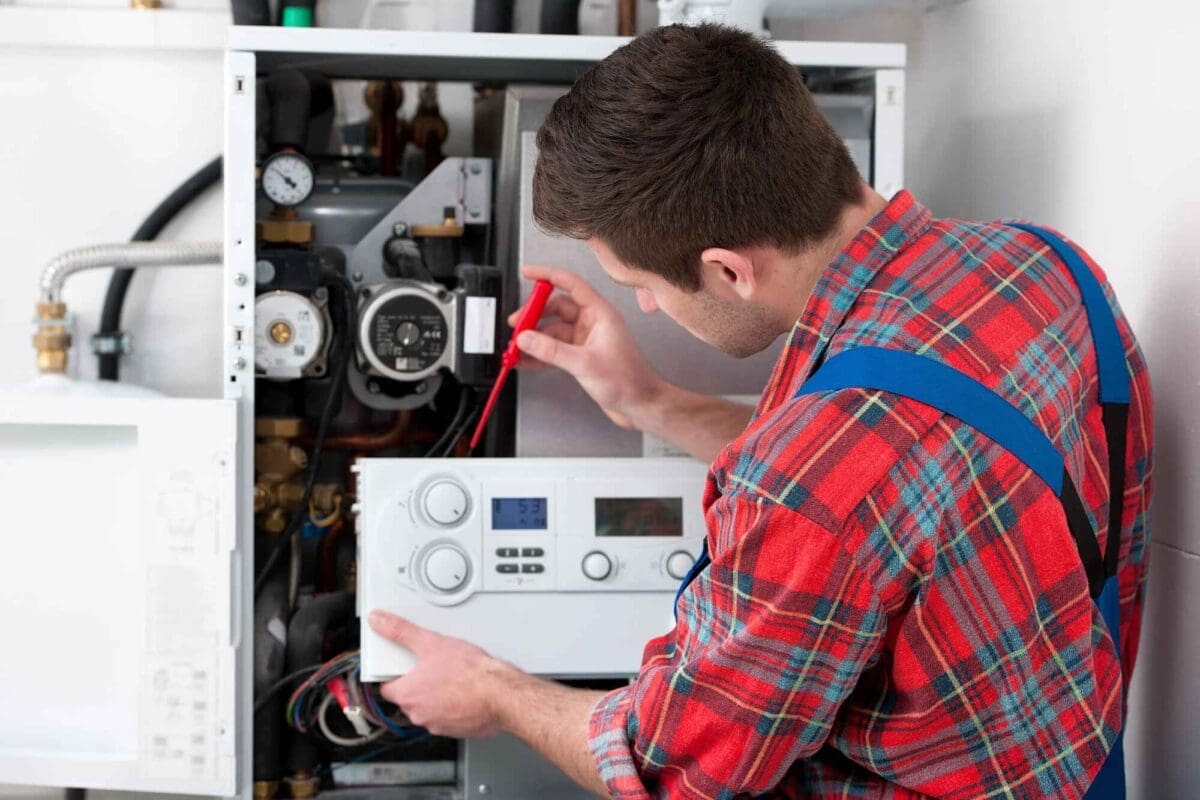
Adding an air-to-water heat pump to an existing hydronic system creates a dual-function capability that can be set up with redundancy in case one of the systems fails, the other takes over. They can also be set up to share the load. e.g. when temperatures are not that cold the heat pump can be used. When it’s frigid outside, the boiler can take over. Alternatively, the heat pump can be integrated to help raise the system’s water temperature, reducing the load on the boiler.
If completely replacing your old boiler, you can use the heat pump to do everything the boiler can do and then some. It will provide you with heating, domestic hot water and, as a bonus, cooling.
High-temperature vs Low-temperature Heat Pumps
There was a time when heat pumps were only good to raise water temperature to around 55°C or 130°F, which would not be compatible with radiators, since they require the water to be heated to about 65 to 75°C (149 to 167°F).
However, the temperature limitation of heat pumps has been lifted with high temperature heat pumps that can raise the water temperature to 75°C (167°F ). The temperature range, both for the cold operating temperature and the limit to the water temperature, depends on the refrigerant used in the system.
For example, R410 refrigerant is excellent for extracting heat from temperatures as low as -42°C (-45°F), but it will not be able to raise the water temperature above 54°C (130°F).
To heat water high enough, the heat pump could either use a different refrigerant, such as R32, that works for high temperature systems or the heat pump could utilize two compressors, one filled with R410A refrigerant and the other with R134a, allowing the heat pump to deliver water at 75°C (167°F). In either of these scenarios conventional radiators could be used with these heat pumps.
When Switching to a Heat Pump System May Not Be a Good Idea
Although government incentives can lessen the pain of the initial purchase cost, the higher price of heat pumps is a deterrent to switching from cheaper traditional systems.
Although modern cold-climate designs significantly increase heat pumps’ ability to operate in severe cold, their efficiency decreases with lower temperatures.
Heat pumps have compressors and fans that can cause noise. Although this is limited because of the units’ external positioning, placing the unit where it will not cause a disturbance while running is essential.
Homes that use hydronic systems require an air-to-water heat pump system to avoid making their existing system obsolete, as a ductless multi-split unit would be unable to utilize the existing system.
The Cost of Replacing Your Boiler With a Heat Pump
The Canadian Climate Institute undertook a comprehensive cost comparison across various Canadian provinces and suggested that the most efficient hydronic system was a heat pump with an electric backup to cater to heavy demand periods or extremely low ambient temperatures.
While electric backup would be required for low-temperature regions, homes in cities with climates similar to Vancouver’s should be able to rely solely on the pump for their heating requirements.
An electrically powered backup system costs around $300 to $1,500, while a hybrid gas furnace backup system would be more expensive at around $4,000.
The costs to switch from a traditional heating system to an air-to-water system are dependent on:
- Size of unit required
- Area to be heated
- Installation complexity
- Local labour rates
You then need to investigate the status of rebates for making the switch. As a general guideline, supplying and installing an air-to-water heat pump costs between $4,000 and $10,000 depending on the size of your home.
Taking the Longer-Term View
Installing an air-to-water heat pump will reduce your energy bill in the long term. The system is quiet, efficient and requires minimal annual maintenance. With zero emissions, it supports a healthier lifestyle for you and your family and the wider environment.
Read more on this topic in Heat Pumps vs Baseboard Heaters: Which Is More Efficient?
Images from Depositphotos

I live in Vancouver Canada. We have a hot water radiant system. We would like to change over to heat pumps. Who can you recommend.
I’d suggest looking through our directory for an HVAC contractor: greenbuildingcanada.ca/directory
I have a hot water heating system installed in 1981. Would a heat pump be worth considering?
In most cases yes. I did this same upgrade to a heat pump for my hydronic system, though my system is about 20 years younger. There’s a lot of options when looking for air to water heat pumps that can be connected to your radiators. Hydronic systems have a lot of benefits that I like such as being silent, no draft, even temperature so it’s a good thing to keep and upgrade. It’s worth getting a few quotes from HVAC contractors to check it out.