How to Responsibly Handle Renovation Waste in Ontario

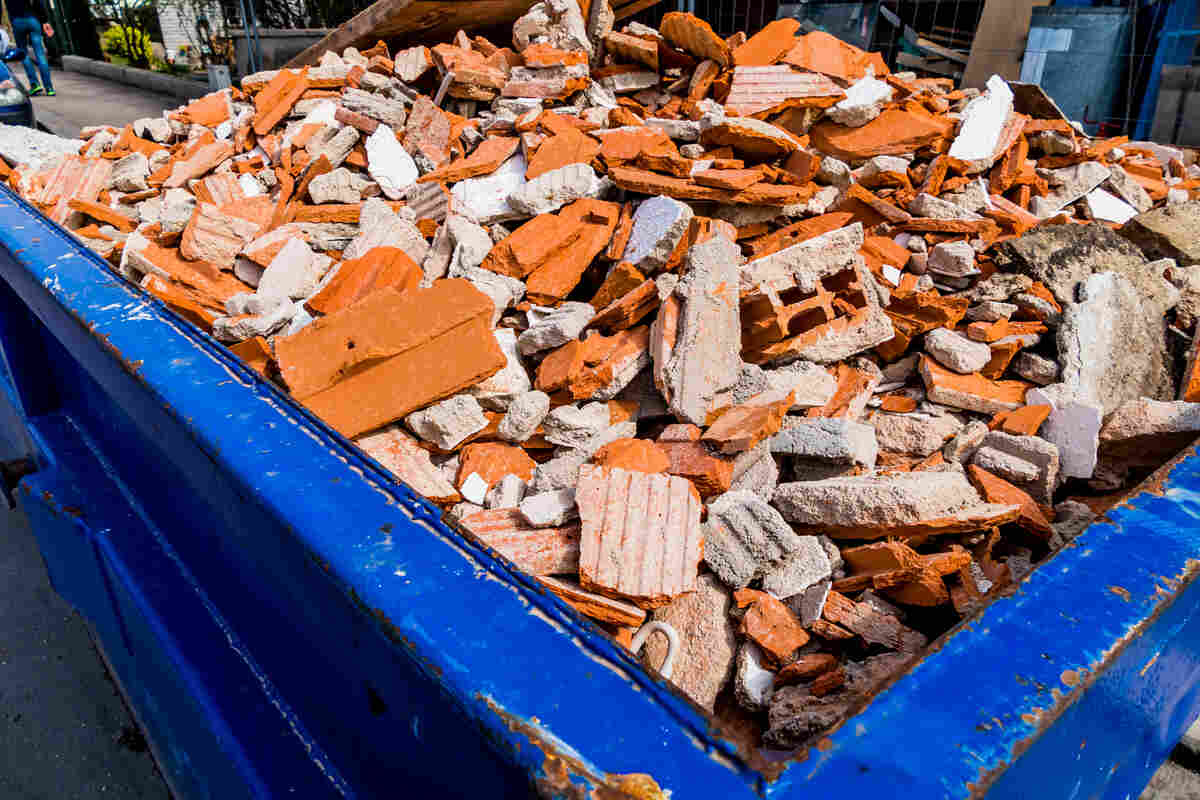
The average 2,000-square-foot home renovation produces roughly 3,000 to 6,000 kg of debris. Drywall, lumber, old cabinets, worn carpet, broken tiles. It adds up fast. And without a plan, most of it gets tossed into a single bin and hauled straight to the dump – 4 million tonnes of construction, renovation and demolition (CRD) waste generated in Canada every year, and the majority still ends up in landfill.
The good news? With a little planning, you can divert the vast majority of your renovation waste away from landfill. In this guide, we’ll be looking at how to properly handle renovation waste with a specific focus on Ontario.
First, Know What You’re Dealing With
Not all renovation waste is created equal. Before you start swinging a sledgehammer, it helps to understand the three main categories of material you’ll be dealing with.
Recyclable Materials
This is the bulk of most renovations: clean wood and lumber, drywall and gypsum, metals (copper pipe, steel studs, aluminum flashing), concrete and masonry, cardboard packaging and certain plastics. Ontario recycling depots accept most of these for free or a nominal fee.

Get the Green Building Project Checklist
Use this handy checklist on your next project to keep track of all the ways you can make your home more energy-efficient and sustainable.
Reusable Items
Cabinets, doors, windows, light fixtures, hardware, appliances, sinks and bathtubs. These often have years of life left. Donating or reselling them keeps them out of landfill and puts them back into circulation.
Hazardous Waste
This is the category that requires the most caution. Lead paint (common in homes built before 1978), asbestos-containing materials like old floor tiles and pipe insulation, chemical solvents and adhesives, CFL bulbs and old batteries all require special handling under Ontario’s Environmental Protection Act. They cannot go in a regular bin or be taken to a standard recycling depot.
| ⚠️ Asbestos in Ontario If your home was built before 1990, there’s a real chance it contains asbestos in floor tiles, ceiling texture, pipe wrap or vermiculite insulation. Ontario Regulation 278/05 requires that asbestos-containing materials be tested and removed by a licensed professional before any renovation work begins. Never disturb suspected asbestos yourself. |
Ontario Rules You Should Know Before Demo Day
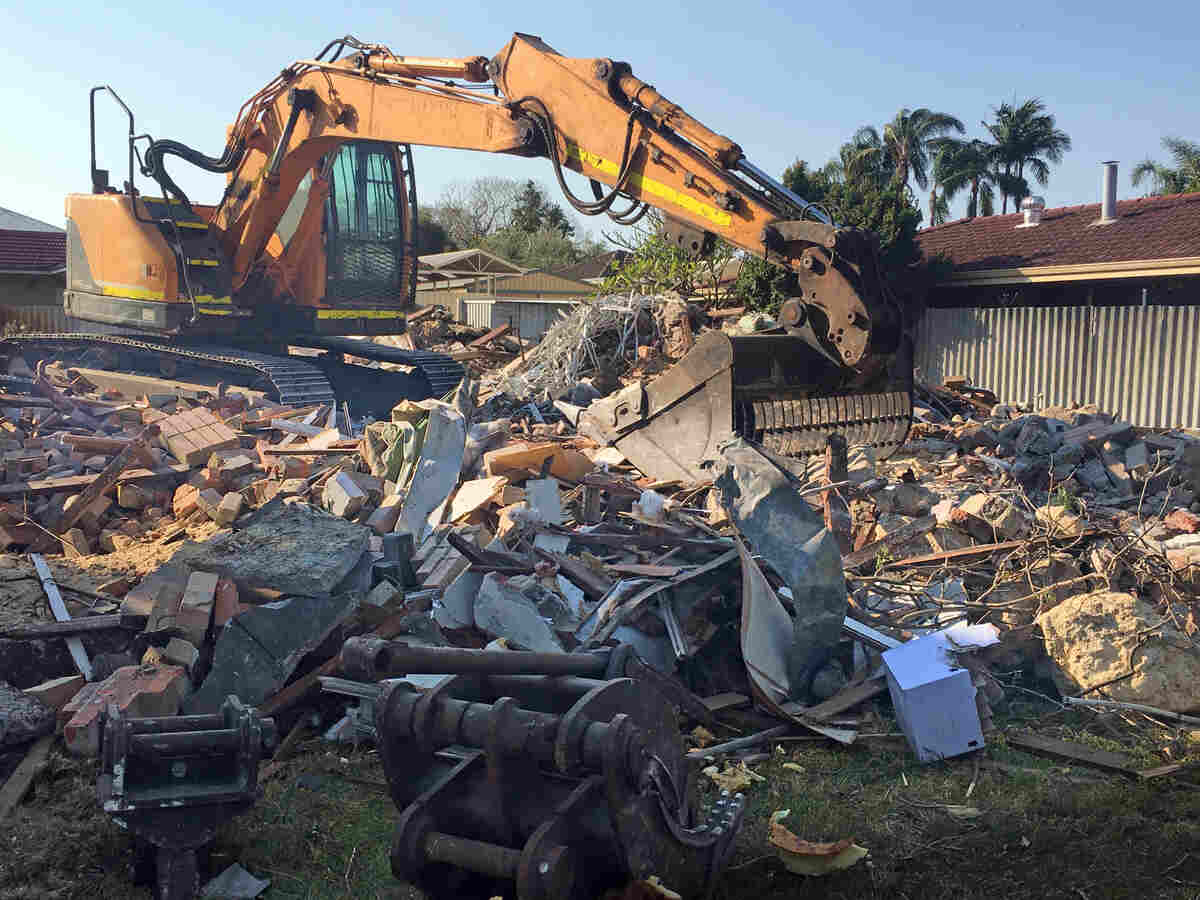
Ontario doesn’t have a single, province-wide regulation for residential renovation waste. Instead, the rules are a patchwork of municipal bylaws, provincial environmental standards and federal guidelines. Here are the key ones:
Municipal curbside limits
Most Ontario municipalities cap curbside pickup at a handful of bags or containers per collection day. Renovation debris (especially bulky items like drywall, lumber and old fixtures) typically doesn’t qualify for regular pickup at all. Most cities require you to arrange separate disposal.
Hazardous waste drop-off
Every Ontario municipality operates Household Hazardous Waste (HHW) depots, either as permanent facilities or periodic community collection events. Paint, solvents, pesticides, batteries and fluorescent bulbs must be brought to these depots. Fines for improper disposal can be significant.
The Environmental Protection Act
Ontario’s EPA governs how waste is transported and where it ends up. If you’re hiring anyone to haul away renovation debris, they need to be taking it to a provincially approved facility. Ask for confirmation.
Extended Producer Responsibility (EPR)
Ontario’s Blue Box transition under the Resource Recovery and Circular Economy Act is shifting recycling costs to producers. While this primarily affects packaging, it signals a broader policy direction toward waste diversion, and homeowners should expect more stringent requirements in the years ahead.
Quick Reference: Ontario Renovation Waste Sorting
| Material | Disposal Method | Where in Ontario |
| Clean wood / lumber | Recycle | Municipal CRC or bin rental |
| Drywall / gypsum | Recycle | CRC (must be clean / uncontaminated) |
| Metals (copper, steel) | Recycle / sell | Scrap yard or CRC |
| Concrete / brick | Recycle | CRC or aggregate recycler |
| Cabinets / fixtures | Donate / sell | Habitat ReStore, online |
| Appliances | Donate / recycle | ReStore, municipal pickup |
| Carpet / underlay | Landfill (limited options) | Bin rental or junk removal |
| Paint / solvents | Hazardous waste | Municipal HHW depot |
| Asbestos materials | Hazardous waste | Licensed removal contractor |
| Electronics | E-waste | Municipal e-waste depot |
5 Ways to Dispose of Renovation Waste Responsibly
You have more options than you think. The right choice depends on the volume of waste, the types of materials, your budget and how much physical labour you’re willing to do.
1. Drop It Off at a Municipal Recycling Depot
Best for: Small to medium renovations where you have a truck or trailer.
Most Ontario municipalities operate Community Recycling Centres (CRCs) that accept clean wood, drywall, metals, concrete and other common renovation materials. Many are free for residential drop-offs, though some charge tipping fees for large loads. This is the most affordable option, but it requires you to sort materials yourself, load them and make potentially multiple trips.
2. Rent a Roll-Off Bin or Dumpster
Best for: Larger renovations where waste is generated over days or weeks.
Bin rental companies will drop off a container (typically 10 to 40 cubic yards) and pick it up when you’re done. This is convenient for ongoing projects, but the environmental outcome depends entirely on the company. Some guarantee high diversion rates; others send everything straight to landfill. Always ask what percentage of the bin’s contents will be diverted, and get it in writing if possible.
Wondering how much it’ll cost to rent a bin? Read Average Cost to Rent a Garbage Bin in Canada.
3. Hire a Junk Removal Service
Best for: Homeowners who want a hands-off solution with fast turnaround.
Professional junk removal is the most convenient option. A crew comes to your home, loads everything, and handles the sorting and disposal. The best operators separate recyclable materials on-site or at their facility, diverting reusable items to donation centres and recyclables to processing plants. When evaluating any junk removal company, ask the following questions:
- What is your landfill diversion rate
- Where do materials end up?
- Do you donate reusable items?
- Which recycling centres and donation partners do you work with?
- Can you provide documentation of proper disposal for hazardous materials?
4. Donate or Sell Reusable Materials
Best for: Fixtures, appliances, cabinets and building materials in good condition.
Habitat for Humanity ReStores across Ontario accept donated building materials, appliances, furniture and fixtures. They’ll even pick up larger items for free in many regions. You can also list materials on Kijiji, Facebook Marketplace or specialized platforms like the Building Material Exchange. Selling or donating keeps usable items in circulation and often comes with a tax receipt.
5. Deconstruct Instead of Demolish
Best for: Gut renovations and full teardowns where material salvage is practical.
Deconstruction is the practice of carefully dismantling a space so that materials can be recovered and reused, rather than smashed into a pile and hauled to the dump. It takes more time and planning, but the payoff is significant: reclaimed lumber, vintage hardware and architectural features often have resale value that offsets the extra labour. Ontario has a growing network of deconstruction specialists and salvage companies.
How to Minimize Waste Before You Even Start
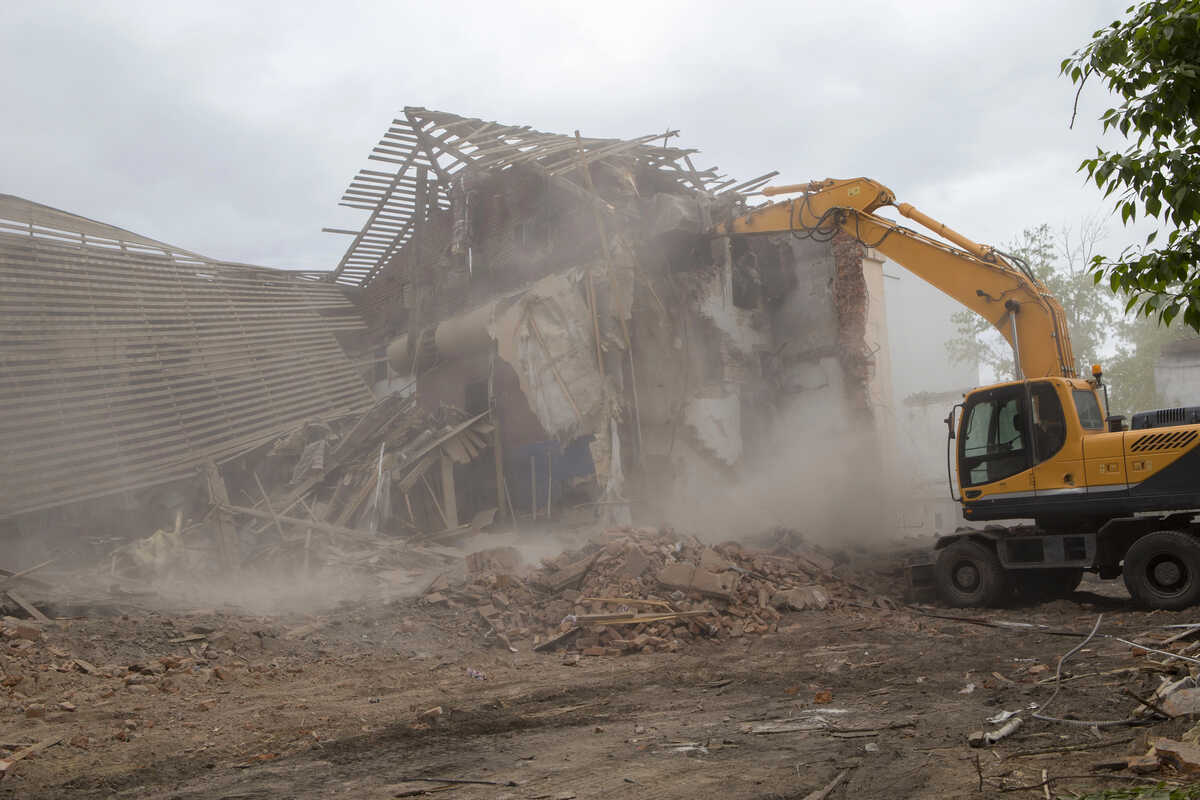
The most sustainable renovation waste is the waste you never create in the first place. A few smart decisions at the planning stage can dramatically reduce the volume of debris your project generates.
Create a waste management plan before work begins. Identify what materials you’ll be removing, which ones can be salvaged, and where everything will go. Share this plan with your contractor. A simple spreadsheet works.
Order materials accurately. Over-ordering is one of the biggest sources of construction waste. Measure twice, order once. Most suppliers will accept returns on unused materials.
Choose durable, low-waste materials that are easily recyclable. Products with recycled content, those certified by programs like LEED or BUILT GREEN and materials with long service lives all contribute to a lighter environmental footprint over the life of your home. Aim for materials that do not just have recycled content but are also recyclable at the end of their service life. Read 5 of the Most Recyclable Materials Used in Construction (and 5 that are Not).
Set up on-site sorting from day one. Designate separate areas or bins for wood, metal, drywall and general waste. Sorting as you go is far easier (and more effective) than trying to separate a mixed pile at the end.
Talk to your contractor about diversion targets. If waste reduction matters to you, make it part of the conversation before you sign a contract. The best contractors already have systems in place and will welcome the discussion.
Read more on this topic in Green Building Guide to Construction & Demolition Waste Recycling.
Images from Depositphotos