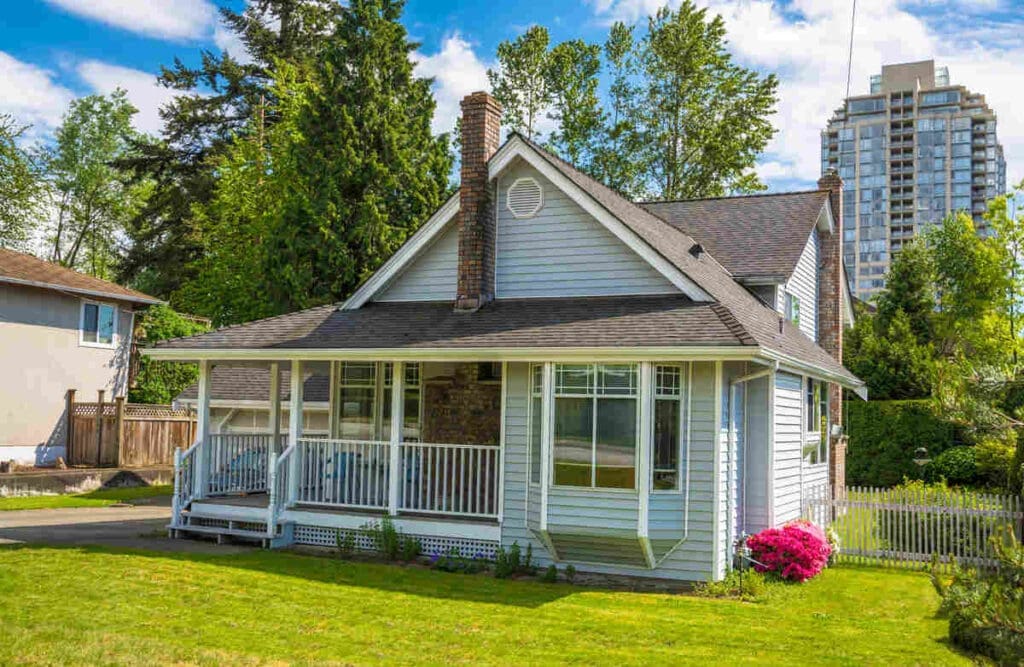

Exterior renovations boost your home’s curb appeal and make a strong first impression on potential buyers. After all it’s the first thing people see before they enter the home, and likely the first picture they’ll see in online listings. But upgrading your exterior can also offer significant environmental and energy-saving benefits, which we’ll explore here.
Mind Your Landscaping
Making your home’s exterior eco-friendly starts with landscaping. Landscaping is one of the largest aspects of exterior home renovations and it can go a long way to mitigating your home’s impact on the planet. If you take care of your landscaping, it will not only save you money but also help the environment.
Planting trees is a great way to start. They provide shade and can reduce the amount of energy needed to cool your home in the summer. They also help improve air quality and can absorb carbon dioxide and other pollutants from the atmosphere. Plus, they may protect your home from the potential effects of climate change, some of which are outlined in our guide to How Climate Change Could Impact Your Home’s Exterior.
Another good solution is to use native plants. They’re adapted to the local climate and require less water, fertilizer and pesticides than non-native plants. They also provide important habitat for pollinators and introduce more biodiversity onto your property than conventional lawns and gardens.
By using native plants in your landscape, you can reduce your environmental impact while still having a beautiful yard.
You can also seed your lawn with clover instead of grass. There are a lot of benefits to clover – it requires less water, no fertilizer, reduces weeds, and it attracts pollinators and beneficial insects.
Install a Water-Catchment System
Get the Green Building Project Checklist
Use this handy checklist on your next project to keep track of all the ways you can make your home more energy-efficient and sustainable.
Use a water-catchment system to harvest the rainwater that falls onto your roof and cut down on your water use.
There are any number of DIY rainwater harvesting systems you can install, from simple rain barrels to more complex water storage tank setups. In addition to providing water for your garden, rainwater catchment systems also reduce the amount of runoff that ends up in local waterways, where it can harm delicate ecosystems.
Depending on how much rainfall your area gets, you could also think about a rain garden. Rain gardens divert water away from your home while providing nourishment for water-loving plants.
Create a Compost Station
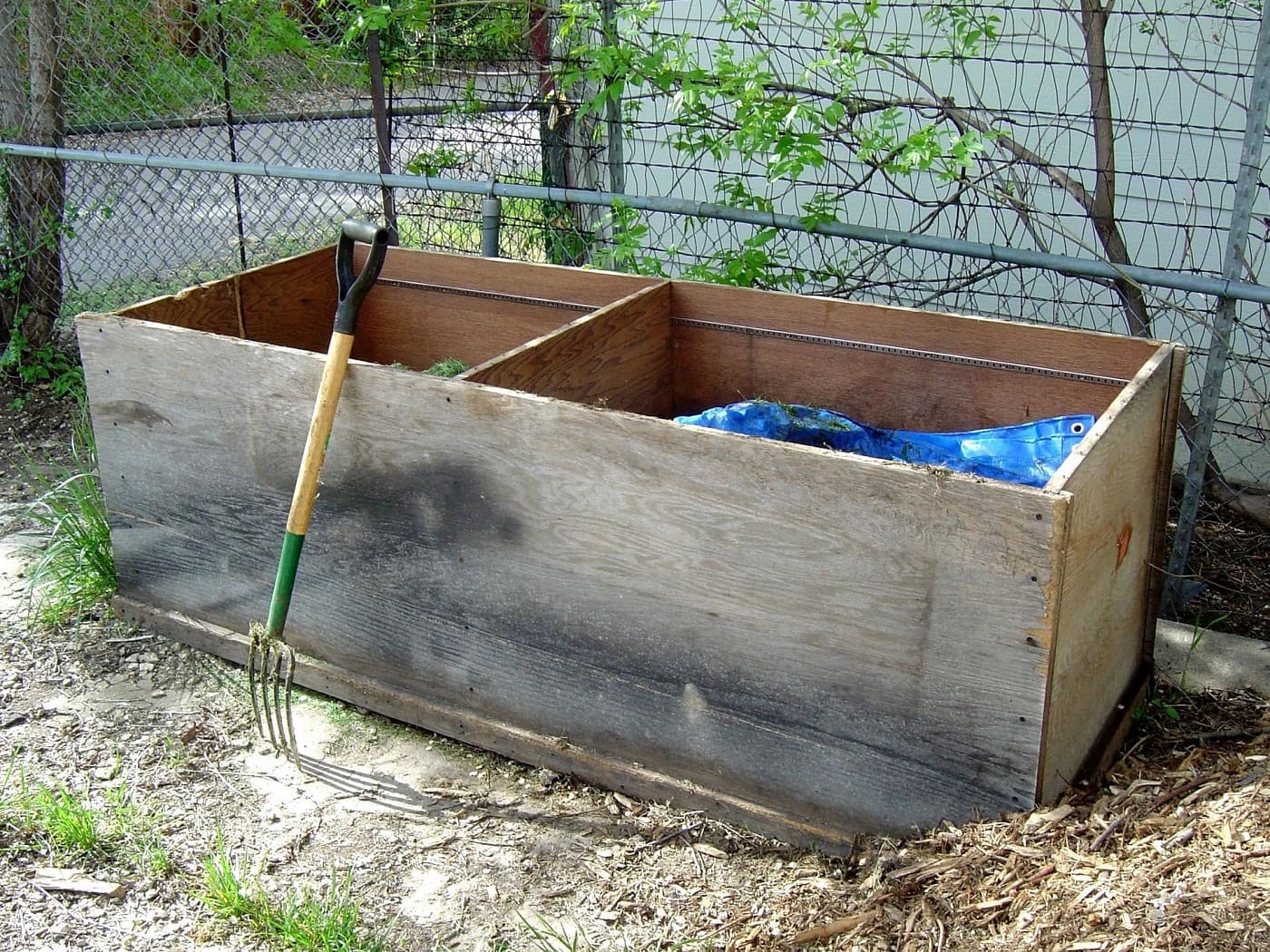
Don’t throw your fruit and vegetable scraps in the trash. Create a compost station to turn them into nutrient-rich soil for your plants. It’s easy to do and it’s a great way to help the environment. Here’s what you’ll need:
- A large bin or container with a lid
- Smaller bins or containers for storing scraps
- Soil
- Compost activator (optional)
To put it together, just drill some holes in the bottom of your large bin for drainage. Then, fill it with a layer of soil and add your scraps. Once it’s full, cover it with a lid and wait for the magic to happen. In a few weeks to months, you’ll have nutrient-rich compost that’s ready to use.
Composting is easy, cheap, and good for the environment. So why not give it a try? You might be surprised how much you enjoy it.
Siding and Insulation
You need to pay special attention to both siding because its large surface area gives you more opportunities to make your home greener.
Siding serves two purposes. It protects the exterior walls from weather elements like rain, wind, and snow and it also provides insulation. These two combined functions prevent air and moisture from penetrating the walls of your home.
If it’s time to replace the siding on your home, this is a great chance to add insulation to the exterior walls of your home and to make your building envelope tighter.
Exterior insulation delivers greater performance than interior insulation since it avoids the problem of thermal bridging – by giving your home a complete wraparound you’re completely insulating your home rather than if you had interior insulation that just gets placed in wall cavities and the wooden studs don’t get insulated.
Painting Your Exterior Walls
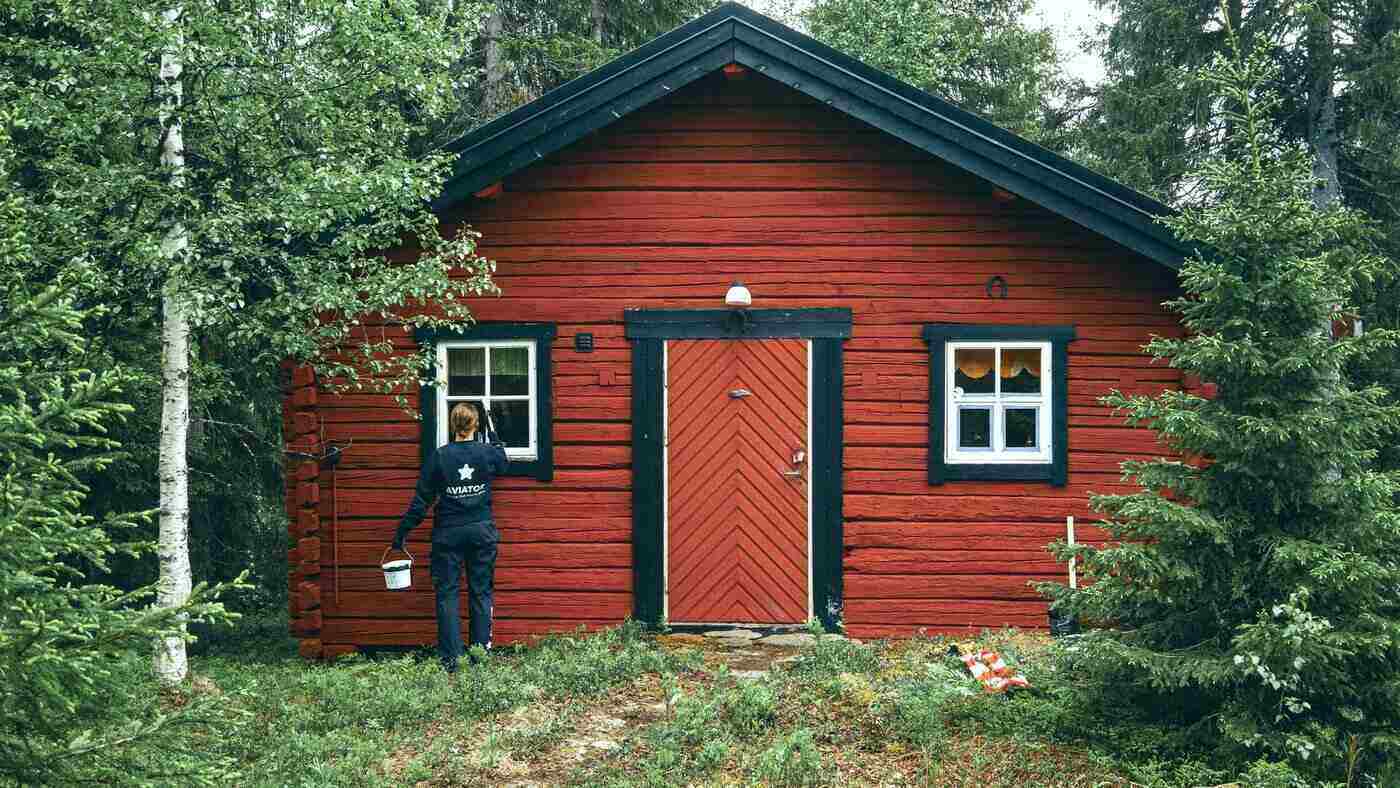
Painting the exterior of your home is one of the largest and most important painting projects you will ever do, and it can make a huge difference to your home’s appearance and value.
To go the environmentally friendly route, it’s important that the paint you choose for your project contains low or no VOCs and is formaldehyde-free. Choose long-lasting, lead-safe compliant products and natural sealants.
To learn more about eco-friendly painting read The Scoop on Eco Paint Options: Limiting Your Environmental Impact.
Install Solar Panels
One of the most cost-effective energy-efficiency investments is installing solar panels. Solar panels offset your energy usage and save money on your utility bills. We usually think of using solar panels to generate electricity, but solar systems can also heat water and even provide space heating and cooling.
Determine if your home is suitable for solar panel installation. This includes assessing the amount of sunlight that hits your property, as well as the angle of your roof. If you live in an area with a decent amount of sunlight and your roof is angled towards the south (if in the northern hemisphere), then installing solar panels could be a great option for you.
There are many different types of solar panel systems available, so it’s important to do your research to find the best option for your home. To learn more about choosing solar panels read An In-depth Look at Choosing Solar Panels.
Install LED Lights for Exterior Lighting
Installing LED lights is a quick and easy way to make your home more environmentally friendly and energy-efficient.
LED lights last much longer than traditional incandescent bulbs and they use far less energy. They also don’t contain any mercury, which makes them safer for the environment.
Build a Permeable Driveway
A permeable driveway will allow rainwater to seep through it, rather than run off it like water on a conventional pavement driveway does. This will reduce the amount of stormwater runoff, which is a major contributor to water pollution. In addition, a permeable driveway can also help to retain more water in the ground, meaning you might find you water your lawn less.
There are a few things to keep in mind when building a permeable driveway. First, you will need to make sure that the area is well drained so that the water can seep through easily. You should also consider using an edging to keep your pavers in place. Finally, you’ll need to regularly maintain your permeable driveway by sweeping it and removing any debris that could block the pores.
Seal Air Leaks
Air leaks can cause high energy bills and make your house drafty and cold. Sealing them off is a great way to reduce these costs and make your home more comfortable. It’s also one of the easiest ways to renovate your home’s exterior.
Look for gaps around doors and windows to find air leaks. You can also check for cracks in the caulking around doors and window frames. Cracks are a good sign that air is getting into your home.
Once you’ve found the leaks, seal them with caulk or weatherstripping. Caulk is best for sealing cracks around windows and door frames, while weatherstripping works well for sealing gaps around doors and windows. You can also use spray foam insulation to fill larger gaps.
Low-E Windows
Low-emissivity windows can be a great green exterior project to improve the return on investment for your home. Low-e windows minimize heat transfer between the interior and exterior of a building. They reflect infrared heat while allowing visible light to pass through, which helps keep interiors warmer in winter and cooler in summer thus reducing heating and cooling costs.
Low-E windows also block harmful UV rays, protecting furnishings from sun damage. For a more detailed treatment of this topic read The Pros and Cons of Low-E Glass.
Feature image: Paul Kapischka; Image 1: PPD