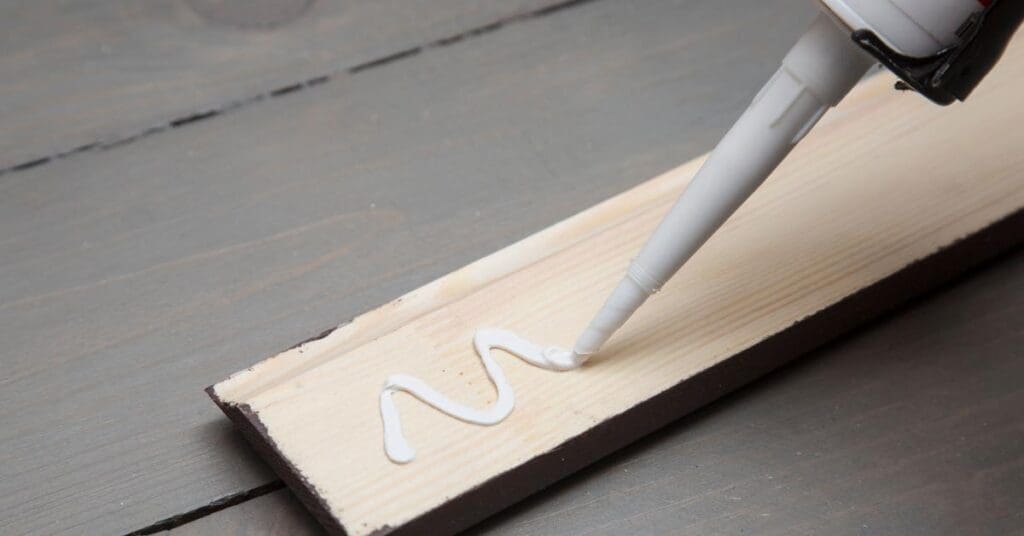
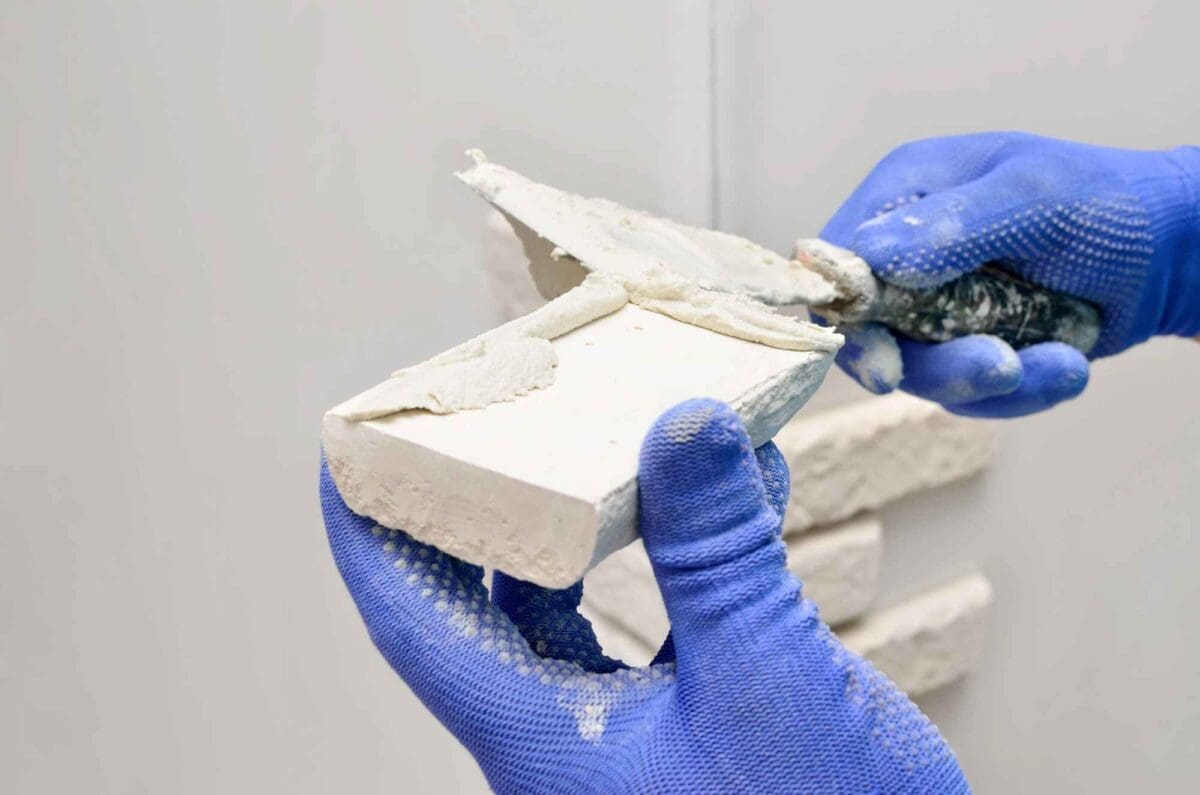
How does glue not stick to the inside of the container it is stored in, and what is the difference between adhesion and cohesion? These questions swirled through my mind as I tried to remove some construction adhesive that had formed a close connection with a board I wanted to use to make some shelving.
Another question was about what makes the people applying the construction adhesive so liberal with the glue and how they manage to spread it to places where it will cause the most problems to remove.
Here’s a collection of the methods I’ve used over the years. At the outset, it’s important to understand that the removal tips are in no particular order, and the condition and type of adhesive may favour one approach over another.
Removing adhesive typically involves mechanical (the hard work one) and chemical (sometimes smart) methods, and more often than not, a combination of the two. So, let’s start with products specifically designed to do the job with minimum effort.
Some Useful Tools and Their Application
Here are some useful tools to have ready when trying to remove construction adhesive from wood:
- Plastic scraper
- Metal scraper
- Putty knife
- Paint scraper
- Sandpaper
- Hot air gun
- Small grinder
- Belt sander
The Obvious Choice, Industrial Adhesive Remover

Get the Green Building Project Checklist
Use this handy checklist on your next project to keep track of all the ways you can make your home more energy-efficient and sustainable.
Industrial adhesive removers provide a chemical solution for removing construction adhesive, but sadly, they are not quite as selective as one would like and can damage sensitive surfaces. To avoid damaging surfaces, read the instructions for their application and try a little on a hidden section of the item to check.
Patience is your friend here. Give the solvent about an hour to react with the adhesive and then use a scraper (often included with the adhesive remover kit) to remove the softened adhesive.
Ensure good ventilation when using any of these products and the solvents mentioned below.
If the adhesive shows signs of softening but isn’t quite ready to separate from the wood, try scraping the softened adhesive away, reapplying the adhesive remover and giving it another hour. It’s a slow process, but alternative solvents may offer renewed hope.
Solvents you could try:
- Brush cleaner
- Acetone, nail polish remover
- Paint thinners, turpentine
- Rubbing alcohol
- Vinegar or lemon juice, acetic acid
Here are some additional alternatives, but these are not suitable if you intend to apply adhesive to the area again unless you remove all residue before applying the new adhesive.
- Vegetable or eucalyptus oil
- Petroleum jelly
If you run out of patience and the adhesive remains firmly attached, it’s time to turn the heat on.
Using Heat to Remove Stubborn Construction Adhesive
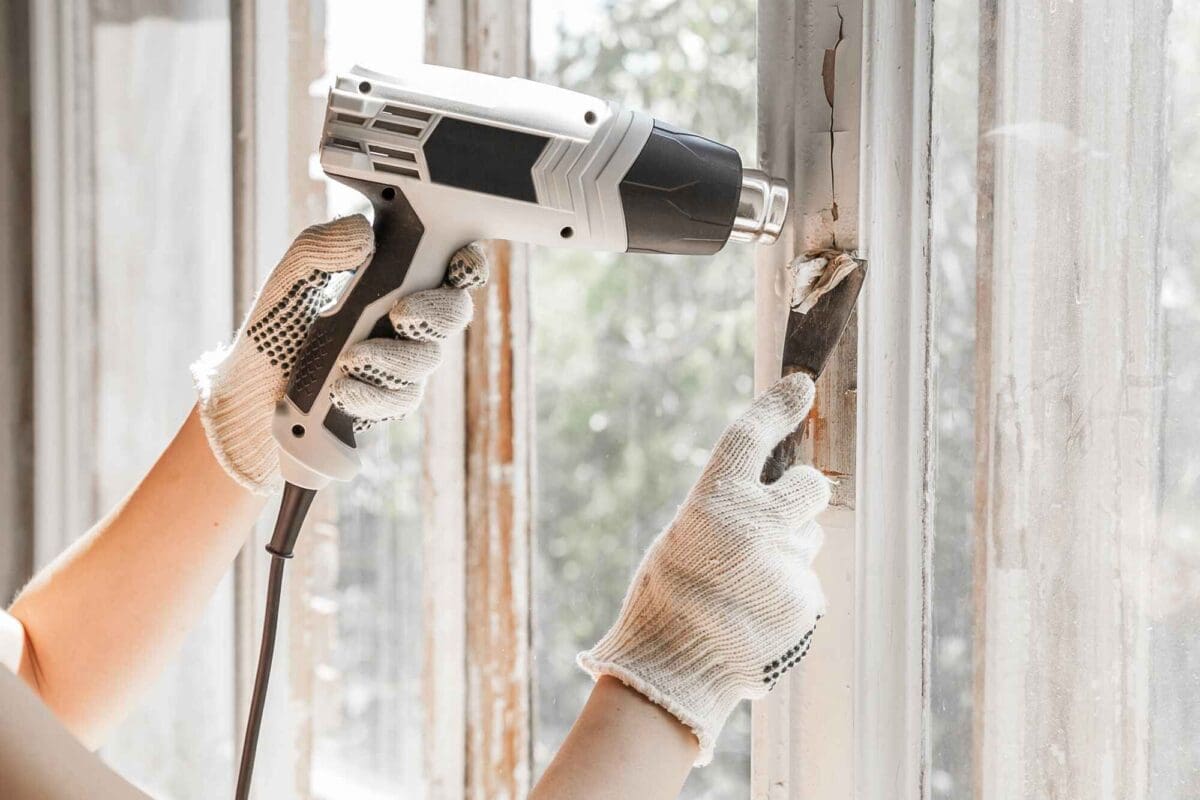
Before applying heat, ensure you have a good scraper ready to remove the glue. Be cautious about surrounding materials that may be inflammable, as heat guns can deliver super-hot air at around 700°C or 1,400°F.
Keep the heat gun a couple of inches away from the surface of the wood, and carefully watch the surface of the adhesive. As soon as you notice the surface of the adhesive beginning to soften, direct the hot air to the surrounding adhesive to create a larger softened area. Switch off the heat gun and use the scraper to remove the adhesive while it is still hot. Letting the adhesive cool will make it brittle and difficult to remove.
Take care not to cause any heat damage to the surrounding areas and don’t touch the softened glue with your bare hands as it will burn you. You can always use a hair dryer for a more gentle approach, but the process will take a little longer.
Removing Liquid Nails
Products like Liquid Nails can withstand high temperatures and seem resilient against most chemicals. You may have some success with using acetone, but beware that the acetone doesn’t damage the surface you’re trying to clean. Removing Liquid Nails seems to require mechanical removal. This involves some energetic sanding unless you have access to an electric sander or grinder fitted with an abrasive flexible disc. However, there is another trick you may want to try.
For this, you will need about two feet of fishing line and two sticks or handles to secure the ends of the fishing line. You can remove the glue from the surface by keeping the fishing line taut and moving it backwards and forwards between the surface and the Liquid Nail adhesive.
This is also a great way to remove items like mirrors glued to walls. You can also use very thin wire for this. An old top E guitar string works well.
For areas where the surface is of little concern, a small four-inch grinder fitted with a flexible abrasive pad will be the fastest tool to remove the adhesive. However, don’t combine grinding with using a solvent; otherwise, you will be left with a sticky mess on your abrasive pad.
If you have delicate chisel control, you may want to try using it with a light mallet to tap the chisel through the adhesive. Always move the chisel in the direction of the grain to avoid gouging the wood.
Here’s another way to remove Liquid Nails, Loctite or Gorilla Glue:
Removing Glue from Painted or Varnished Wooden Surfaces
It’s important to remember that glue spilled on painted or varnished wooden surfaces will affect the surface. Removing the glue will likely also remove the paint or varnish below the spill, so sanding down the affected area after removing the glue will be necessary before applying new paint or varnish.
If the glue can be softened with a mild solvent like vinegar or warm, soapy water, you could try using a plastic scraper or even an old credit card to avoid damaging the surface.
How to Remove Loctite from Bolts and Nuts
Loctite has been one of the favourite adhesives in engineering for decades. It is used to secure items together permanently. Items stuck together with blue or purple Loctite can usually be separated using a wrench, but the red Loctite may require the additional assistance of some heat.
How to Remove Construction Adhesives From a Brick
Renovating and remodelling a home often produces an exposed brick coated with old adhesives. There are a couple of remedies to try, and in order of severity, here are the options:
- Apply Spirits of Salt with a brush on the affected area and follow up with a wire brush.
- Apply some heat with a heat gun or a propane torch. The small torches that plumbers use are suitable for this because the flame can be finely adjusted to focus on a small area.
- Fit a cup wire brush to a four-inch grinder, but be careful not to alter the appearance of the brick. Remember eye protection for this operation.
- If the adhesive is on an external brick, you may want to try a high-pressure washer, but be aware that this will change the colour of the brick, so you may end up washing the entire wall.
Ways of Removing Construction Adhesive From Flooring
Whether you’re trying to clean up the mess of spilled construction adhesive or have removed the finish on an original wooden floor, the restoration process will involve a fair amount of work.
Once all the construction adhesive has been exposed, I suggest buying a small quantity of industrial adhesive remover and doing a test section. If the results are good, you’re on your way, but if the results are disappointing or the time for the remover to work is too long, I’m afraid sanding will be your best option.
Safety Considerations
Removing old construction adhesive involves using chemicals or abrasives, so wear eye protection and ensure good ventilation. A dust mask is also recommended when using a grinder or sander. Take care when using a heat gun, as it can quickly cause serious damage.
Images from Depositphotos