Reducing Waste During a Home Move
Practical Tips for Sustainable Homeowners

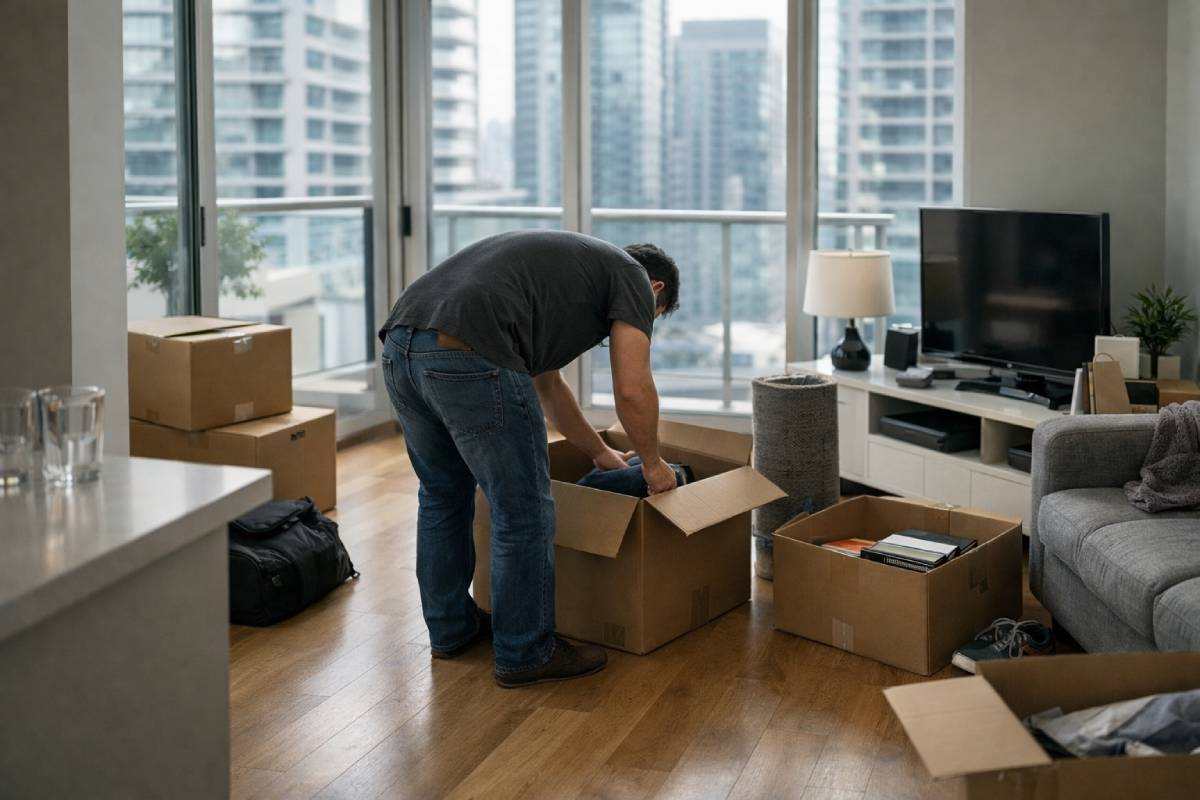
For many homeowners, moving represents a fresh chapter and a chance to reimagine how they live in their space. However, it is also one of the most resource-intensive moments in everyday life. Boxes pile up quickly, plastic wrapping becomes unavoidable and household items are often discarded simply because there is not enough time to deal with them properly. For those who value sustainability, this can feel like a step backward.
The reality is that relocating does not have to generate excessive waste. With thoughtful preparation and a few intentional choices, a home move can align with environmentally responsible values without becoming complicated or overwhelming. Small adjustments made before, during and after the move can significantly reduce its environmental impact while still keeping the process practical and manageable for homeowners.
Why Home Moves Generate So Much Waste
Moving creates waste largely because it disrupts daily routines. Items that might normally be reused or recycled are thrown away due to time pressure. Packing supplies are purchased in bulk and discarded shortly after. Food spoils as kitchens are packed up and transportation inefficiencies increase fuel consumption.
These challenges are not the result of moving itself, but of how moving is typically approached. When sustainability is considered early, many of these issues can be reduced or avoided altogether.
Planning Ahead Makes Sustainable Choices Easier

Get the Green Building Project Checklist
Use this handy checklist on your next project to keep track of all the ways you can make your home more energy-efficient and sustainable.
One of the simplest ways to reduce waste during a move is to start planning earlier than usual. Last-minute decisions often lead to unnecessary purchases and disposal of usable items.
Giving yourself several weeks to prepare allows time to sort belongings, plan meals strategically and think through packing needs. It also creates space to consider options beyond throwing things away when something no longer fits your lifestyle or your new home.
Planning ahead is especially important if you’re doing a long-distance move. If you’re looking, for example, to move from Vancouver to Toronto, you’ll have to start the process of contacting Vancouver movers about four or five months in advance to book them for the move.
Decluttering With Purpose Instead of Pressure

Decluttering is a natural part of moving, but it does not have to result in large amounts of waste. Instead of viewing decluttering as a task to finish quickly, it can be approached as a chance to responsibly rehome items.
Furniture, appliances and household goods in usable condition can often be donated or passed along to others who need them. Clothing, books and décor items may find a second life through donation centres or local sharing networks. Electronics and batteries should be recycled through appropriate programs to prevent environmental harm.
Reducing the number of items being moved also has a secondary benefit: fewer belongings require fewer boxes, less packing material and less transportation space.
Read 9 Simple Decluttering Tips That Are Both Effective and Eco-Friendly for more on this topic.
Rethinking Packing Materials
Packing materials are one of the most visible sources of waste during a move. Cardboard boxes, plastic wrap and foam cushioning are often used once and discarded.
Homeowners can reduce this impact by thinking creatively. Household items like towels, bedding and clothing can be used to protect fragile belongings. Boxes can be sourced second-hand from local businesses or community groups rather than purchased new.
When planning a sustainable residential move, focusing on reducing overall material use can be just as effective as choosing specific products. The goal is not to eliminate packing materials entirely, but to use fewer resources wherever possible during the process of residential moving.
Packing Efficiently to Reduce Waste
The way items are packed has a direct impact on how much material is used. Packing efficiently reduces the number of boxes needed and lowers the risk of damage.
Organizing packing by room helps avoid unnecessary duplication and confusion. Filling empty spaces in boxes with soft household items reduces the need for additional packing paper. Clearly labeling boxes also minimizes unnecessary unpacking and repacking, which can lead to damaged supplies and wasted materials.
Taking time to pack thoughtfully often results in a smoother move and less waste overall.
Addressing Food Waste Before Moving Day
Food waste is an often-overlooked part of relocating. As moving day approaches, many households throw away groceries simply because transporting them feels inconvenient.
Planning meals around existing pantry and freezer items in the weeks before a move can significantly reduce waste. Avoiding large grocery purchases close to moving day helps ensure food is used rather than discarded. Unopened non-perishable items can often be donated locally if they cannot be moved.
On moving day itself, simple meals and reusable containers help reduce reliance on disposable packaging during an already busy time.
Responsible Donation and Disposal
Some items cannot move to a new home, but that does not mean they need to become waste. Planning donations ahead of time makes it easier to part with belongings responsibly.
Many charities accept furniture, household goods and building materials. Scheduling donations in advance prevents last-minute disposal. For items that cannot be donated, researching proper recycling options ensures they are handled responsibly.
This approach keeps usable materials in circulation and reduces the amount sent to landfills during a move.
Transportation Choices and Environmental Impact
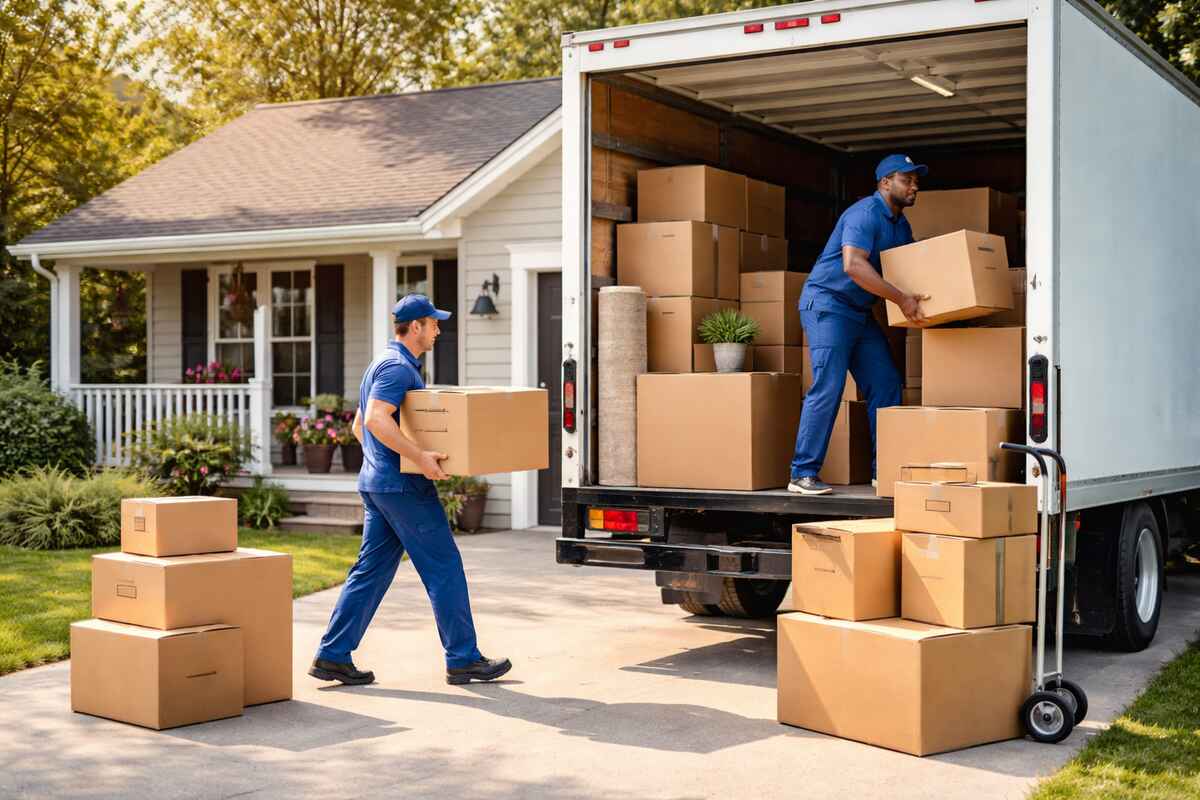
Transportation is a major contributor to a move’s environmental footprint. Multiple trips, poorly organized loads and inefficient routing all increase fuel use.
Combining belongings into a single, well-planned move helps reduce unnecessary travel. Choosing move times that avoid heavy traffic can also lower fuel consumption and emissions. Even small logistical adjustments can have a noticeable environmental benefit.
While transportation cannot be eliminated, thoughtful planning helps minimize its overall impact.
Unpacking Without Creating New Waste
Waste reduction should continue after arrival at the new home. Unpacking often leads to the immediate disposal of boxes and materials without considering reuse or recycling.
Breaking down boxes for recycling, passing them on to others, or storing them for future use helps extend their lifespan. Packing paper and protective materials can be reused for storage or other household needs.
Delaying unnecessary purchases during unpacking also helps prevent waste. Taking time to understand the new space often reveals that fewer storage products are needed than initially expected.
Using a Move as an Opportunity to Reset Habits
Moving provides a rare opportunity to reassess everyday habits. As homeowners settle into a new space, they can establish systems that support long-term waste reduction.
Setting up recycling and composting areas early encourages consistent use. Choosing durable household items instead of disposable alternatives supports sustainability beyond the move itself. These small decisions add up over time.
Moving as Part of a Sustainable Lifestyle
Sustainable living is not limited to how a home is built or renovated. It also includes how major life transitions are handled, especially ones as resource-intensive as moving. A home move, when approached thoughtfully, can reflect the same environmental values that guide green homeownership and everyday decision-making.
By planning ahead, reducing unnecessary purchases, minimizing waste and making intentional choices throughout the process, homeowners can relocate without compromising their commitment to sustainability. Moving does not have to be wasteful by default. With awareness, preparation and a willingness to rethink common habits, a relocation can become a practical expression of responsible living rather than an environmental setback, setting a positive tone for life in the new home.
Images from Depositphotos