
Are you aware that stone surfaces like countertops and floors can lose their shine and beauty over time if not properly cared for?
Stone surfaces require proper upkeep to preserve their appearance and durability. The maintenance of stone surfaces depends on the type of material and its integration into your home.
If you want to keep your stone features looking elegant and pristine for years to come, then this article is for you.
Choosing the Right Stone Cleaners
When it comes to protecting your stone surfaces, it’s essential to choose the right stone cleaners. Here are three key factors to consider when selecting stone cleaners:
1. Compatibility
Ensure that the cleaner you choose is specifically designed for the type of stone you have. Different stones have different properties and require specific cleaning solutions. Using the wrong cleaner can harm the stone and affect its appearance.
2. pH Levels

Get the Green Building Project Checklist
Use this handy checklist on your next project to keep track of all the ways you can make your home more energy-efficient and sustainable.
Opt for stone cleaners with a neutral pH level. Acidic cleaners can cause ‘acid etch,’ which dulls the surface and, if extreme, can mar its texture. Cleaners with high acidity levels are especially harmful for porous stones like marble and limestone. Neutral cleaners effectively remove dirt and grime without damaging the stone.
3. Safety
Prioritize stone cleaners that are safe for both you and the environment. Look for products that are biodegradable and free from harmful chemicals. This way, you can clean your stone surfaces effectively without compromising your health or the planet.
Effective Spill Prevention and Cleanup
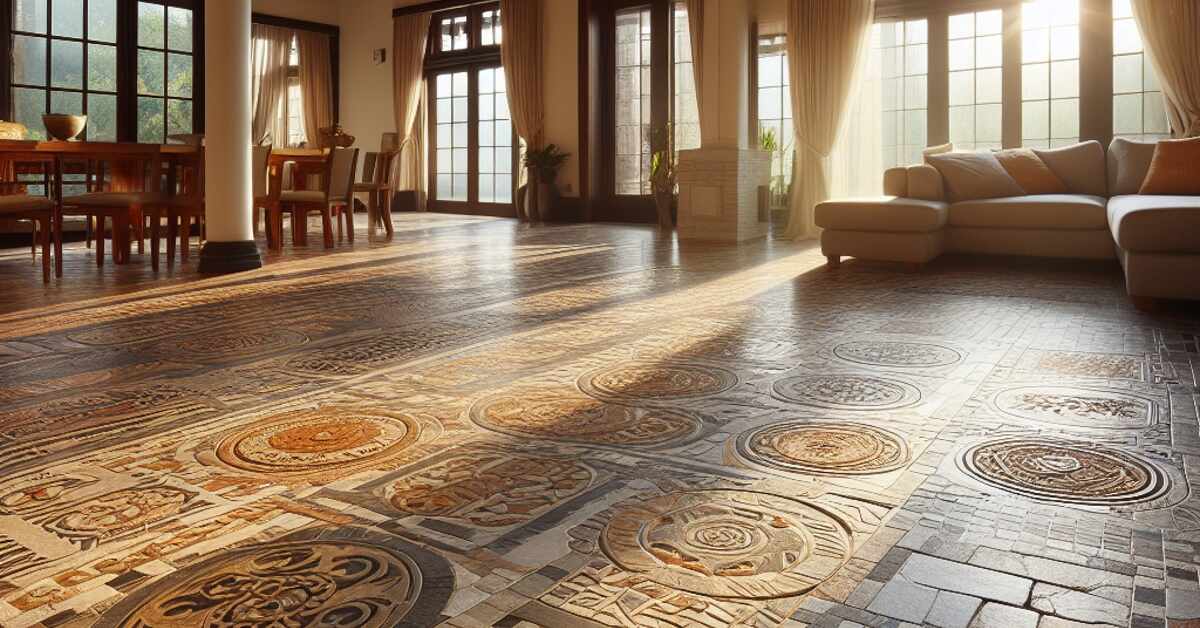
Spills can’t be avoided, but quickly dealing with them can stop damage.
Instead of wiping spills, dab them with a cloth instead. This helps stop the spread and keeps the spill from getting deeper into the stone.
Natural stains like those from oils can often come out with hydrogen peroxide, but do your research to ensure peroxide is safe for your type of stone.
For tougher stains, you might need a poultice that can soak up the spill.
Put on the stain remover and leave it for the time recommended by the manufacturer before giving it a gentle scrub with a soft brush. Make sure to rinse it well and dry it off.
Sealing Your Stone
One fundamental preventative maintenance practice is using an impregnator sealer, which is a special coating specifically designed to safeguard the aesthetic and structural integrity of your stone surfaces.
This essential coating provides a blanket of protection, barring any damaging substances, particularly water, from penetrating the stone. Rainwater, spills, and even everyday humidity can all contribute to the slow, often invisible, degradation of stone surfaces if not properly prevented.
The sealing process, however, does not fall in the “do it once and forget” category of maintenance. How often a stone surface needs resealing largely depends on the type of stone, its location, usage and the amount of foot traffic it endures on a daily basis. For instance, stone countertops in the kitchen or bathroom typically require resealing every few years owing to exposure to moisture and other elements.
On the other hand, high-traffic stone floors may call for more frequent sealing due to increased wear and tear.
The sealing process may not feel like a straightforward task if you’re not familiar with it. Therefore, if you’re uncertain about where or how to start the process, consider hiring expert stonemason services to do the job. Professionals in this field have the requisite knowledge, experience and skills to ensure your stone surfaces are optimally protected.
Selecting and Applying Impregnator Sealers
Here are some key points to consider when choosing and using impregnator sealers:
- Ensure that the sealer is suitable for the type of stone you have, as different materials may require specific formulations.
- Determine the coverage area of the sealer to ensure you have enough for your project. Consider factors like the porosity of the stone and the number of coats needed.
- Follow the manufacturer’s instructions for proper application. This may involve using a brush, roller or sprayer. Apply the sealer evenly and allow it to penetrate the stone for the recommended time.
- Regularly reapply the sealer as recommended to maintain its protective qualities. This will help preserve the longevity and appearance of your stone surfaces.
It’s essential to follow the manufacturer’s guidelines for sealing products and consult with professionals if you’re unsure about the appropriate frequency for your specific stone surfaces.