
How to Protect Your Architectural Designs Online

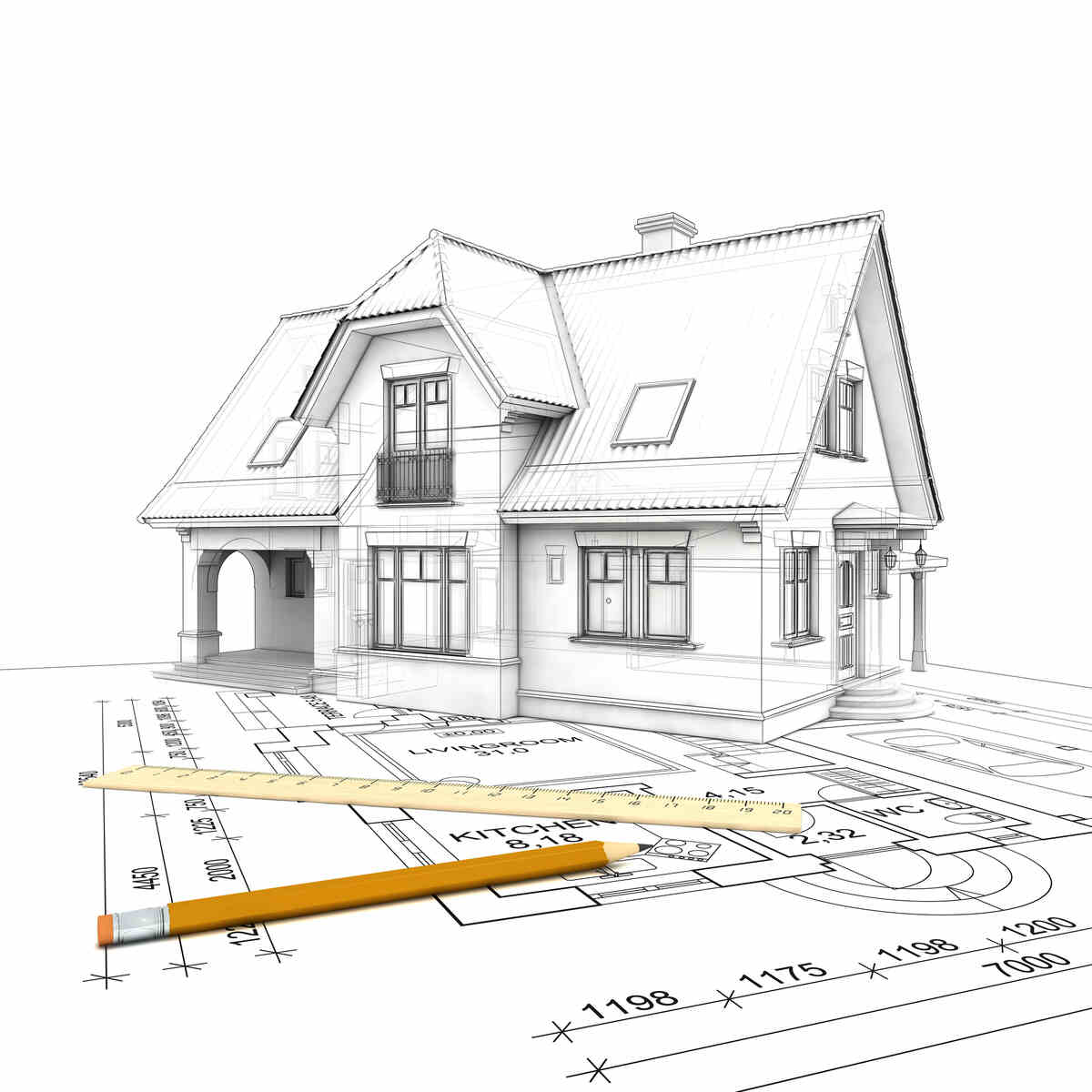
As architectural designs move from paper files to cloud folders, the digital age has unlocked new creative possibilities. But with this shift has come a new set of risks: cyber theft, intellectual property infringement, ransomware attacks and unauthorized resale of proprietary designs. For architects, designers and homebuilders, protecting their architectural drawings is not just a legal or technical concern, it’s fundamental to maintaining ownership, reputation and financial security.
Ransomware and Cyber Extortion
Unlike traditional theft, cyberattacks can lock you out of your own work entirely. Ransomware attacks targeting design firms or independent architects are on the rise, sometimes encrypting entire portfolios until a fee is paid. Worse still, if those designs are for a high-profile or in-progress build, the consequences can stall the entire project and damage reputations.
But cybercriminals may do more than simply hold your files hostage. In some cases, they may manipulate or alter the original designs – either maliciously or for resale. A single unauthorized change to a load-bearing wall or energy system plan could create downstream safety issues and compliance violations. Even if caught, it forces costly rework and undermines trust with clients and contractors.
To defend against this, routine backups are key. Files should be stored in multiple secure locations (both cloud-based and offline). Use reputable cloud providers that offer versioning and real-time rollback capabilities. By keeping your operating systems and design software updated it reduces vulnerabilities. And though this may sound basic, strong password policies and two-factor authentication for email and file-sharing accounts can prevent many breaches.
In some high-risk cases, using encrypted project management platforms or private VPNs can add additional layers of security. When accessing design files, you can leverage a VPN for safer surfing as it offers end-to-end encryption and uses secure proxy routing to shield IP addresses, credentials and transfers. This helps protect cloud logins, BIM uploads and client revisions from snooping or man-in-the-middle attacks without sacrificing speed, making remote collaboration safer for architects and contractors.
Get the Green Building Project Checklist
Use this handy checklist on your next project to keep track of all the ways you can make your home more energy-efficient and sustainable.
The above safeguards are not enough, however, if your staff or collaborators fall victim to phishing attacks. Education is important here. Teach them how to spot phishing emails as clicking even a single link is all that’s needed to create a problem.
Intellectual Property Theft and Unlicensed Resale
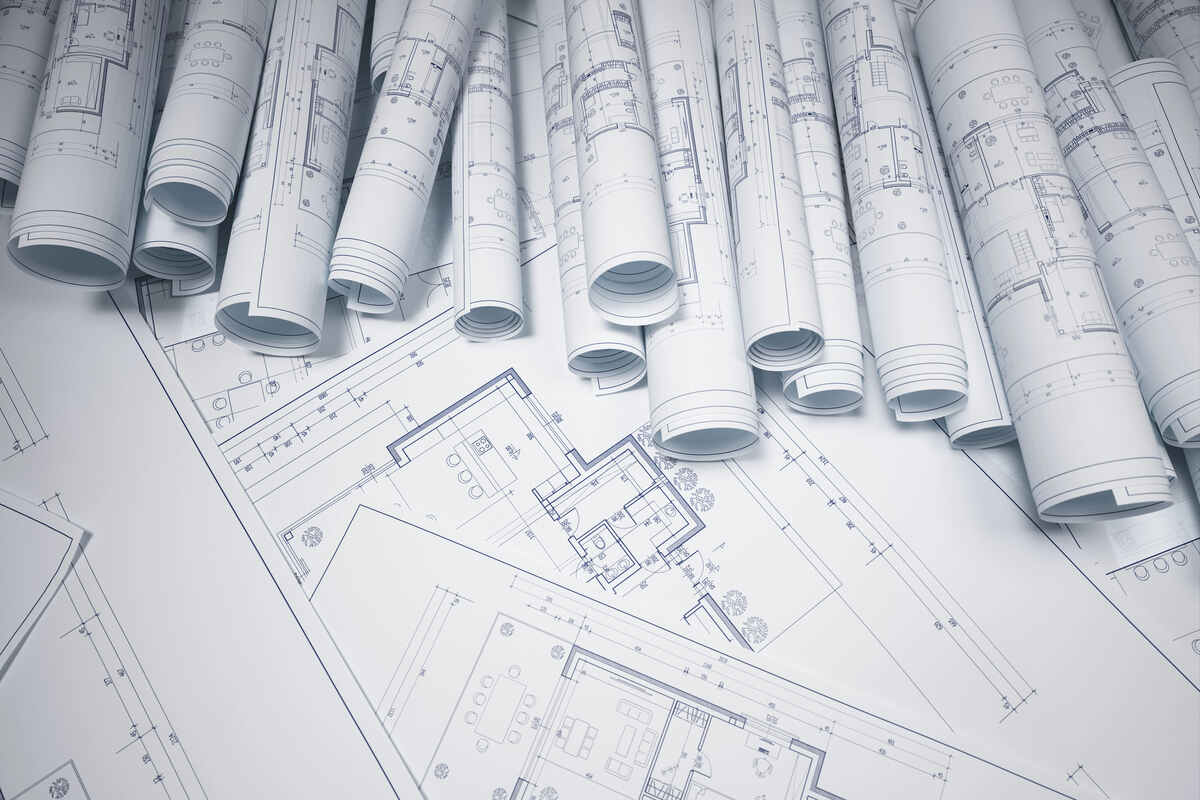
One of the most common threats to online architectural designs is the unauthorized use or resale of designs. Once a floor plan or 3D rendering is shared online (eg. on a portfolio site, a third-party platform or in client communications) it can be easily copied, reused or sold without permission. Some unscrupulous actors scan the web for original blueprints, strip identifying marks and resell them as templates on freelancing platforms or builder marketplaces.
Intellectual property theft can be difficult to detect if you’re not actively monitoring your digital footprint. This is especially problematic when dealing with residential or commercial concepts that are popular or replicable. To mitigate this, architects and designers should watermark shared visuals, restrict high-resolution downloads and include copyright notices clearly in their file metadata.
Using platforms like DocuSign to timestamp your designs and tie them to your name can provide a clear chain of ownership. If you discover your work has been stolen and shared on a specific platform, you can contact the companies by filing a takedown – such as a Facebook, YouTube or Telegram takedown request to have the infringing content removed.
Contractual Risks and Client Disputes
Sometimes, the risk is not from a stranger online, but from someone closer to the project. If a client shares your designs without authorization, misrepresents your authorship or uses them for additional construction phases not agreed upon, the result is a diluted brand and potential revenue loss. It’s not uncommon for a developer to commission a design for one site and reuse it in another, leaving the original designer unpaid and uncredited.
To address this, clearly defined contracts are essential. Licensing agreements should specify exactly what the design can and cannot be used for, including location, duration and modification rights. Make sure your deliverables include watermarking or digital signatures, and keep track of all project versions sent to the client. If you notice your work reused without proper licensing, a cease and desist letter or takedown request can be your first legal recourse.
Competitive Espionage and Portfolio Scraping
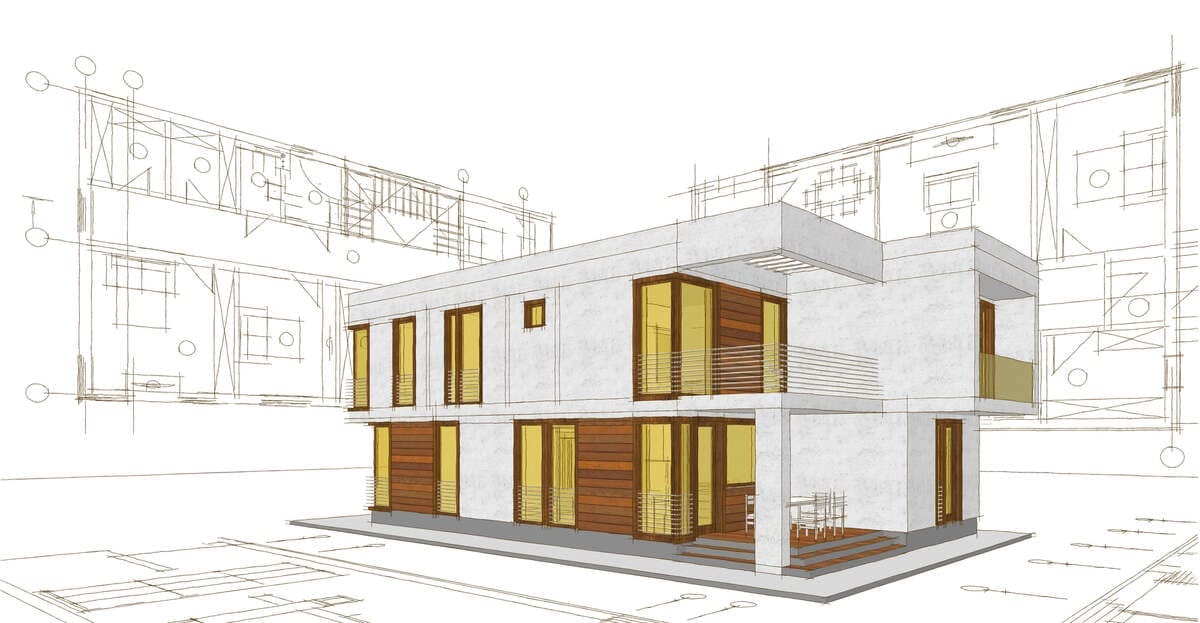
With so many architecture firms publishing case studies and design previews online, competitors may try to scrape content like floor plan dimensions and render walkthroughs to reverse-engineer ideas or gain an edge in bids. While some imitation may be inevitable in the design world, systematic copying or presentation of your work as someone else’s can cross ethical and legal lines.
One way to address this is to obfuscate full drawings online: only show partial layouts or watermarked previews unless behind a secure login or access-controlled area. Services like Pixsy can help monitor unauthorized use of images, while Google Alerts or reverse image search can detect copies of your renderings.
In many cases, reaching out directly to the infringing party with a takedown request is enough. If not, digital copyright registration in advance can bolster your claim should you pursue legal action.
Best Practices to Future-Proof Your Designs
Across all these risks, the most effective protection is proactive rather than reactive. Use layered security: encrypt files, use password-protected sharing, watermark visuals and restrict access to sensitive documents. Make cybersecurity training a routine part of your team’s workflow. Keep a log of who accessed what and when. For especially valuable or proprietary designs, consider digital rights management (DRM) tools that limit how files can be shared or printed.
And finally, understand your rights. Registering your architectural designs as copyright works in Canada at the Canadian Intellectual Property Office (CIPO) or with the U.S. Copyright Office gives you a more solid legal standing should disputes arise. It also gives you peace of mind knowing you’ve done your part to preserve the integrity of your creative work.
In a world where design files travel faster than concrete can set, protecting your digital assets is now just as vital as protecting a job site. Whether it’s guarding against IP theft, ransomware attacks, unauthorized resales or misuse by clients, today’s designers must wear a second hat: digital gatekeeper. The good news is that with the right mix of legal tools, tech safeguards and awareness, it’s possible to build securely both on and offline.
Read more on this topic in Cyber Risk Management for Construction Companies
Images from Depositphotos