
The Hidden Ways Property Managers Improve Energy Efficiency


Energy efficiency isn’t just a “green feature.” To buildings, it’s one of the fastest ways to keep operating costs predictable, improve comfort and reduce avoidable wear on equipment. The catch is that efficiency doesn’t come from one big upgrade – it comes from dozens of small decisions made consistently.
That’s why professional property managers treat energy as an operations issue, not a one-time project. A good manager keeps systems tuned, tracks performance and makes sure vendors and occupants aren’t accidentally working against the building. Some owners handle this internally while others contract it out to property management services when they want a structured approach.
Here’s how energy efficiency shows up in property management and why it’s usually worth prioritizing.
Energy Waste Is Usually “Process Failure”
Most buildings don’t waste energy because they’re “bad buildings.” They waste energy because equipment isn’t serviced on schedule or vendors fix symptoms without addressing causes. In other cases small faults could go unnoticed (stuck dampers, failing sensors, leaking valves) or occupants simply override systems and then nobody resets them. Another potential cause is that control settings drift over time.
Property management sits at the intersection of all of the above. When the management process is disciplined, energy use tends to stabilize, even without major renovations.

Get the Green Building Project Checklist
Use this handy checklist on your next project to keep track of all the ways you can make your home more energy-efficient and sustainable.
The Daily Levers Managers Can Actually Control

HVAC Operation and Routine Tuning
Heating and cooling are the biggest energy line item. Property managers help most by keeping the system predictable by doing the following:
- filter changes on schedule (dirty filters force fans to work harder)
- coil cleaning and drain-line checks (performance and moisture control)
- verifying thermostat setpoints and schedules match real occupancy
- checking for “always-on” zones that shouldn’t be always on
Controls, Sensors and “Set-and-forget” Drift
Building controls don’t stay optimized forever. Sensors drift, schedules get edited and temporary overrides become permanent. A manager who treats controls as part of routine maintenance can prevent months of unnecessary runtime.
Even a basic habit, such as reviewing schedules seasonally, can catch issues like overnight conditioning in empty spaces.
Lighting and Common “Left on” Loads
Lighting efficiency isn’t only LED vs non-LED. It also depends on timers and occupancy sensors that actually work and are positioned correctly, daylight controls that don’t get permanently disabled after a single complaint, exterior lighting schedules that are adjusted with the seasons and reducing unnecessary always-on lighting loads in common areas.
Property managers are often the ones who coordinate these fixes quickly, rather than letting “it’s always been like that” become the standard.
Preventive Maintenance Is Energy Efficiency
Energy efficiency improves when systems run in their intended range. A practical maintenance plan typically includes seasonal servicing (pre-heating, pre-cooling); checks for air leaks around doors/windows in high-traffic areas; calibration checks for key sensors (where applicable); and quick response to water leaks (hot water waste adds up fast).
When maintenance is reactive, equipment tends to run longer and harder than it needs to.
Track a Few Metrics, Not a Mountain of Data
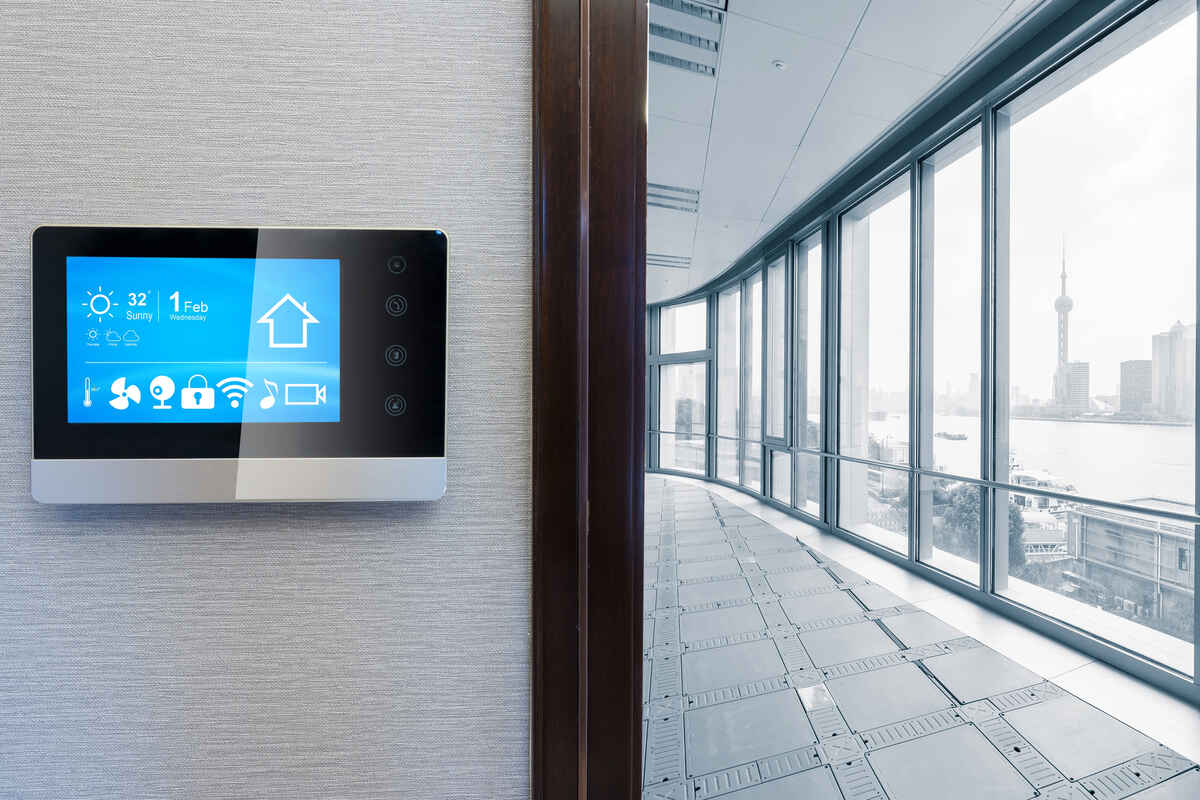
You don’t need complex analytics to manage energy better. You need consistency. Many properties benefit from tracking:
- monthly utility use and cost (with notes on unusual weather or occupancy)
- major equipment service dates (so you can link performance to upkeep)
- recurring comfort complaints (often a clue to control issues or imbalance)
- after-hours calls (sometimes tied to poor scheduling or drift)
This is also where property management adds value: they’re already collecting invoices, work orders and timelines so the tracking can be simple and tied to real actions.
Vendors Matter: “Efficient Fixes” Come from Good Scopes
A manager’s vendor process can either support efficiency or quietly sabotage it. Two habits make a real difference. The first is clear scope of work. It’s not just “fix the issue,” but “fix it and document the cause.” The second is close-out notes. Log what was adjusted, what settings changed and what should be monitored next.
Without that discipline, buildings fall into repeat callouts that waste both money and energy.
This is also why it helps to understand what your vendor’s services include around preventive maintenance, inspection routines and reporting because efficiency depends on the routines being real, not implied.
Occupant Behaviour: Manage It With Clarity, Not Conflict
Even in well-run buildings, occupant behaviour influences energy use. Property management can reduce waste without turning everything into a rulebook by focusing on offering simple guidance on how to use thermostats, what “normal” looks like, etc.
Also by providing fast response to comfort issues (so occupants stop improvising) and making sure settings are consistent in common areas (so nobody is “fixing” them daily).
Comfort and efficiency aren’t enemies. Most conflict comes from systems that aren’t tuned and communication that’s unclear.
How to Spot an Energy-smart Property Manager
If energy efficiency is a priority, ask a short set of practical questions:
- What preventive maintenance schedule do you follow for HVAC and controls?
- How do you handle seasonal setpoint and schedule reviews?
- What gets inspected routinely, and what’s documented?
- How do you track recurring issues and prevent repeats?
- Can you show a sample report that includes actions taken and what’s next?
You’re looking for a manager who can describe a process – not one who only talks about upgrades.
Energy efficiency is a priority in professional property management because it’s largely operational. When maintenance is planned, controls are kept honest, vendors work to clear scopes and performance is tracked in a simple way. Buildings tend to run more comfortably and waste less. The result isn’t just lower bills, it’s fewer breakdowns, steadier performance and a property that’s easier to live in and easier to manage.
Images from Depositphotos


Sure!…simple fixes like the Ecolosynergy Nanotechnology….no permit required, no trades skill, DiYers, immediate benefits, rapid deployment, …..and great savings!….needed now!…well done!
https://lfpress.com/news/as-heat-relief-bylaw-moves-ahead-critics-say-low-income-tenants-left-out