Haze-Free Haven
How to Prevent Wildfire Smoke from Entering Your House

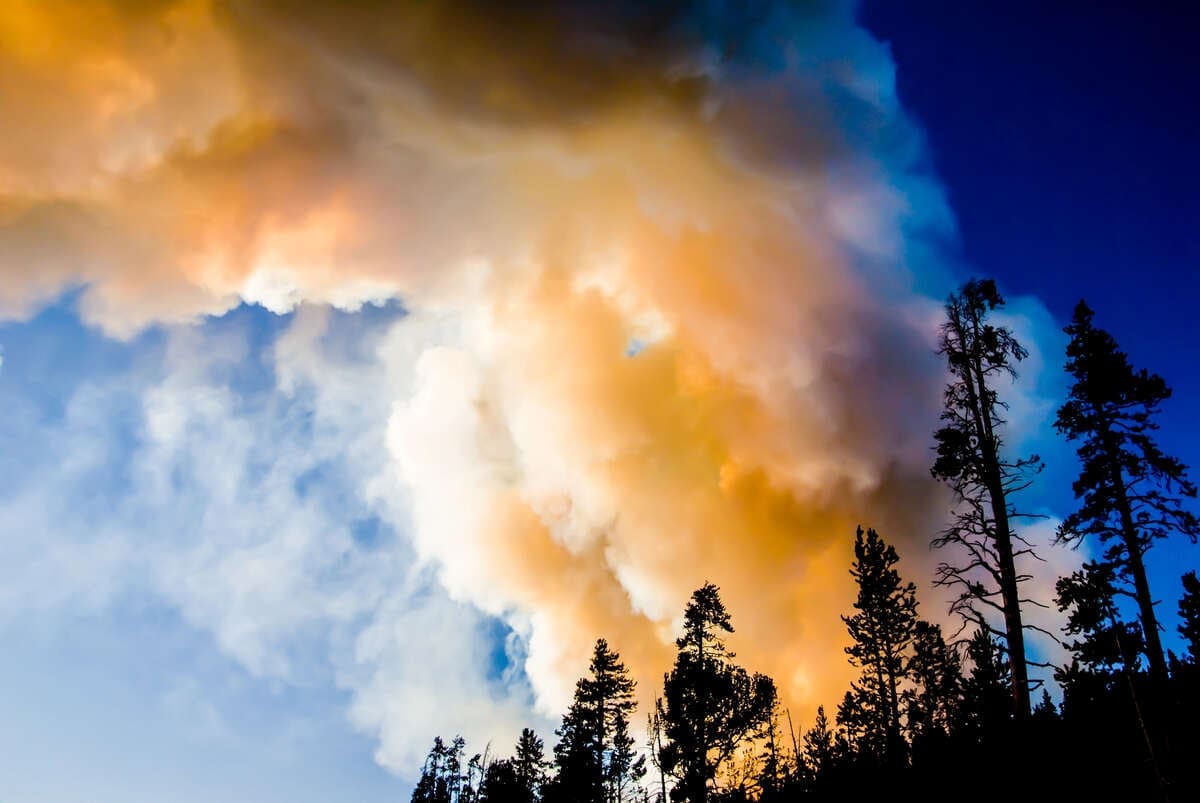
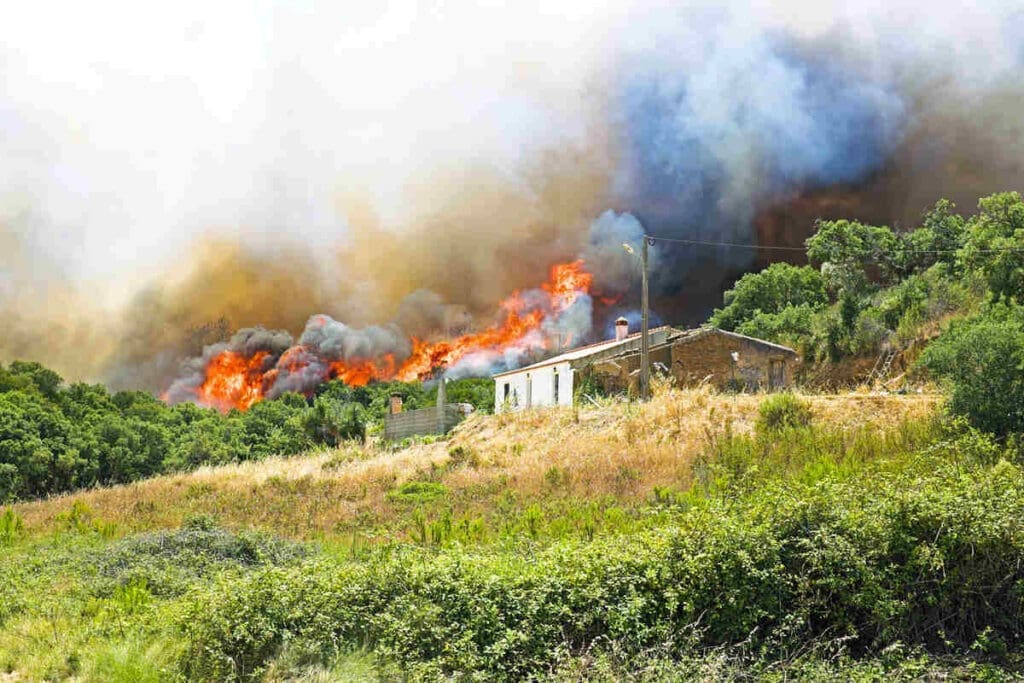
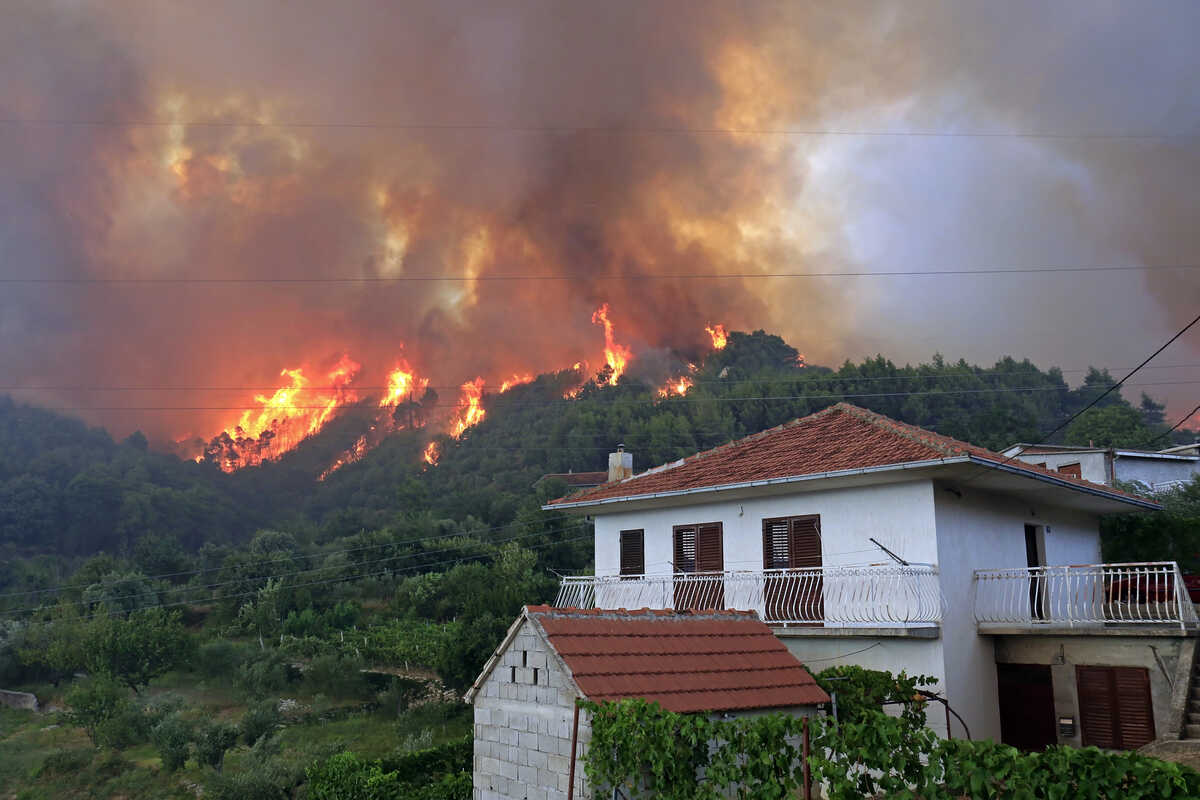
It’s no secret that summer and wildfires have become two words that are connected in conversations today. An area as big as New Brunswick has burned so far this year in Canada, making it our second worst wildfire season on record. The damage to our forests is beyond measure, though fortunately forests do recover.
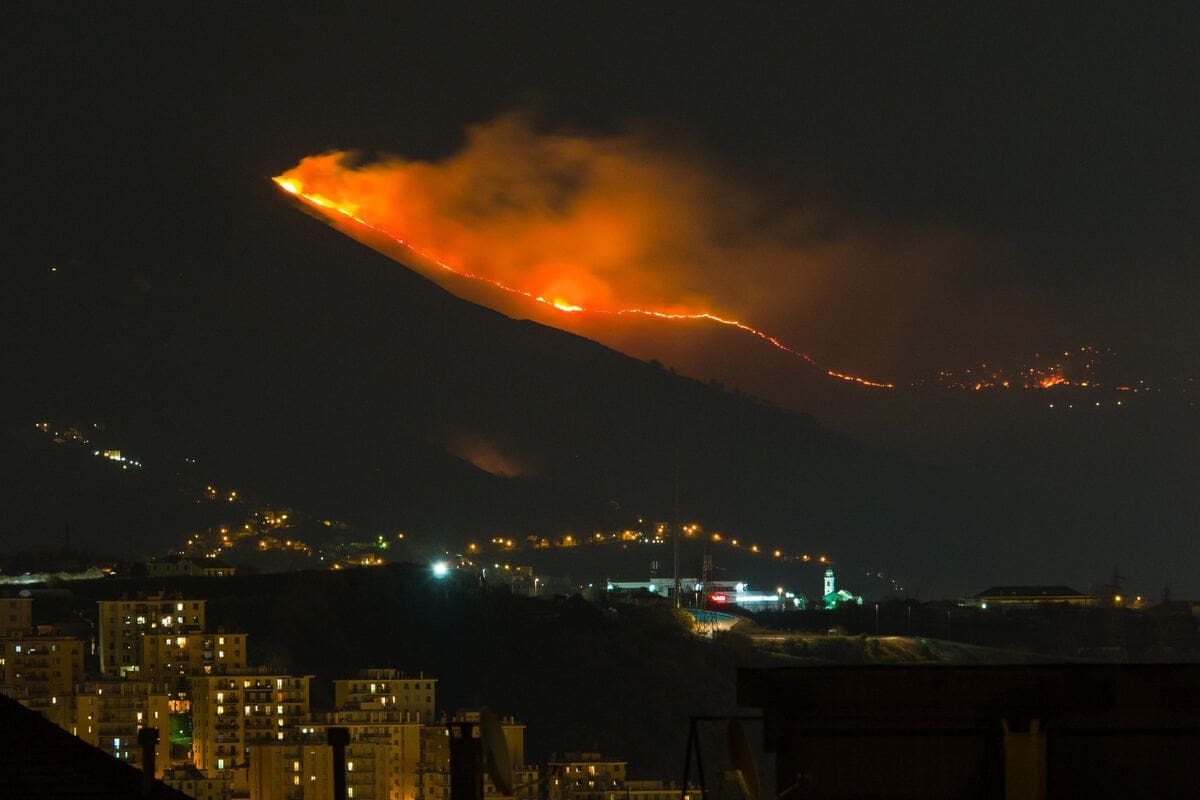
While the forests are regional, the smoke effect is national and I suspect this will become the new norm due to climate change. The internet is filled with articles about the health effects of smoke, especially to humans. It’s well documented that microscopic particles in smoke can get deep into your lungs and cause multiple health issues. Seniors and children are the most at risk.
It is also widely recognized that some fine particles and odour from smoke can penetrate a well air-sealed home. That’s why it’s important to not only seal your home, but implement some method of constant air filtration within your home.
Canada Wildfire Smoke Map
Corci-Rosenthal Box

Get the Green Building Project Checklist
Use this handy checklist on your next project to keep track of all the ways you can make your home more energy-efficient and sustainable.
Last year my co-author Paul, who lives in the Ottawa Valley, experienced the wildfire smoke from the NWT fires. He built one of the simplest and most effective whole home DIY air filtration boxes known as the Corci-Rosenthal Box. He lives in a restored two-storey heritage brick home and can attest to its effectiveness.
“I had been working outside all day with limited respiratory capacity and burning eyes. I built one of these boxes quickly when I got home, and in a matter of hours, the air in my home was clear of the smoke’s pollutants,” he commented. “It has also served me well during ragweed season and I’m still using it today.”
We must give full credit to two Americans, Dr. Richard Corsi and Jim Rosenthal. They designed, tested and then made this simple filtration box available to anyone who wants to improve their household air quality, especially when wildfire smoke is a factor.
There are numerous studies attesting to the effectiveness of this filter box. One such study happened at Brown University in Rhode Island last summer when the wildfire smoke was blanketing New York City. Students put the box together at an academic building on campus. Over a two-month period they ran it constantly and did random air quality testing. They found that this simple, yet effective, air filtration box reduced contaminants by 40 to 60 percent.
You can find instructions on making your own Rosenthal Box here. Depending upon the cost of the 20” box fan, expect to spend in the $100 to $125 range for materials.
Air Filters and Purifiers
There are other options to improve your indoor air. If you have a home with a forced air heating system, upgrade your filter rack from the standard 1” thick to a 4” thick HEPA (High Efficiency Particulate Air) filter. This type of filter is capable of capturing 99.97 percent of particles that are 0.3 microns in size. I recommend at least a MERV (Minimum Efficiency Reporting Value) of 14 for effective filtration.
There is one additional type of filtration that should be used in conjunction with a HEPA filter and that is a carbon filter. They are recognized to be effective for removing wildfire smoke and most odours. Carbon filters utilize active carbon, a highly porous material with a large surface area that allows carbon to capture pollutants by absorption. This process allows gas molecules to adhere to the carbon particles, reducing the odour in your home.
You can buy carbon sheets to cut and fit over your existing furnace filter and small fitted standard floor vent carbon inserts are available for short-term use. If you upgrade your filter rack and run your furnace on fan only it is an effective method of air purification. With this increased filtration you must clean or replace your filters on a regular basis as this increased air flow resistance is harder on your furnace fan operation.
The next options are individual room or large area air purifiers. Before investing in a zone unit there are some factors to consider. Most air purifiers have size or square footage limitations. Larger ones can purify an area upwards of 600 sq ft. You should research what type of filtration the unit offers. Some of the better ones offer HEPA 3 stage filtration and most include a carbon filter. This type of filter package helps reduce odours and some VOC vapours. If you use room air purifiers they should be in a contained space – make sure the door to the room remains closed for most effective use.
Air Sealing
While it is practically impossible to seal a home from wildfire smoke, you can reduce it to some degree. The first step is to close all windows and make sure they are locked. This sets the air seal the manufacturer designed for the window. If you have any type of makeup air for your furnace, it will likely have an external vent, close it.
If your home has an HRV or an ERV installed for air circulation, turn it off and take two small trash bags and cover over the outside vent openings.
If you use portable air conditioners of any kind, turn them off. And for the portable canister models with the single hose, remove the window hose and close the window.
Turn off window air conditioners and cover the space with a large plastic bag and tape the bag to the window frame. Use door mats outside and wipe your shoes fully before entering the home.
Reducing Exposure
Lastly, keep a supply of good face masks in your home. Seniors and young children are more affected by smoke so wearing a mask in the home may be worth considering. The N95 standard mask is recognized as effective to reduce the effects of wildfire smoke. They reduce your exposure to fine particles but they will not protect against gases.
Read the first part of this series on Climate-Proofing Your Home.
Images from Depositphotos
Have a Home Renovation Question?
Write it down below and we’ll get back to you. All questions get answered – every week, we’ll select one for publication in the column.