Before the Freeze
What Every Homeowner Should Do Now to Prepare Their Home for Winter

In this weekly Q&A column, retired builder/building inspector Cam Allen answers readers’ home renovation questions. Have a question? Enter it in the form below.
While this subject is a bit around the edge of renovation guidance, it is nonetheless one I get this time of year and one every homeowner in the “Great White North” faces….. winter. There are numerous lists and just about every homeowner has some process they do every year to get their home ready for winter. Over the years I have found that readers and customers have added a number of “damn, I didn’t think of that” points to my winter preparation list.
Caring for Your Equipment
I will start with a couple of comments from a small engine mechanic shop owner I know. He said, with a chuckle, they patiently wait for the urgent spring phone calls, “My lawn mower won’t start” and inevitably it is fuel. He recommends you buy a cheap turkey baster, siphon out almost all the gas, add a small amount of fuel stabilizer and run the engine dry. Many gas lawn mowers and especially riding lawn mowers have a battery, invest in a basic trickle charger. This will considerably improve the lifespan of your battery. Lastly, once you have run the mower dry, change the oil.
If you have a gas generator, follow the manufacturer’s recommendations for winter storage. One extra tip, have some backup gas. If your power goes down, so do most local gas stations’ pumps. Don’t forget the fuel stabilizer. My last tip outside, clean your BBQ grill burner and then coat it with vegetable oil. This will save a lot of “cleaning off the rust” come spring.
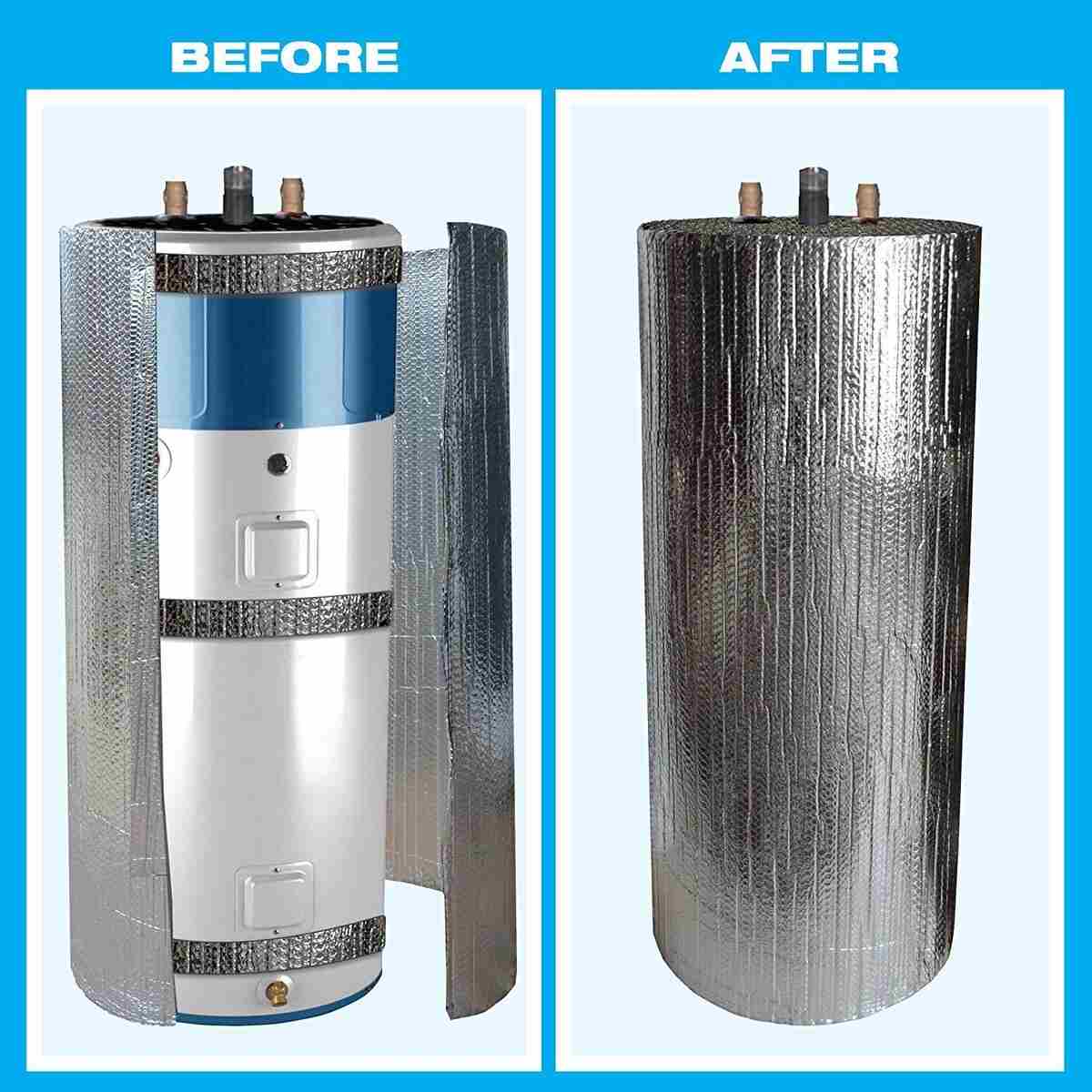
Moving inside, your water heater is one appliance that is usually forgotten. If it’s an older tank it’s not likely energy efficient. When it’s running, put your hand on the body of the tank, if it’s warm I have an energy saving tip. Invest in a water heater insulation blanket. They are made from insulated foil or fibreglass and are simple to install. If you have a gas hot water tank follow the instructions around the gas valve and vent carefully. Most of these wraps will reduce your heat loss upwards of 40 percent. In most cases you will recover the cost of the blanket in your first year.

Get the Green Building Project Checklist
Use this handy checklist on your next project to keep track of all the ways you can make your home more energy-efficient and sustainable.
Programmable Thermostats
I am always amazed how many homes still don’t have a programmable thermostat. Some government agencies have rebate programs. In Ontario there is one right now that offers a $75 rebate.
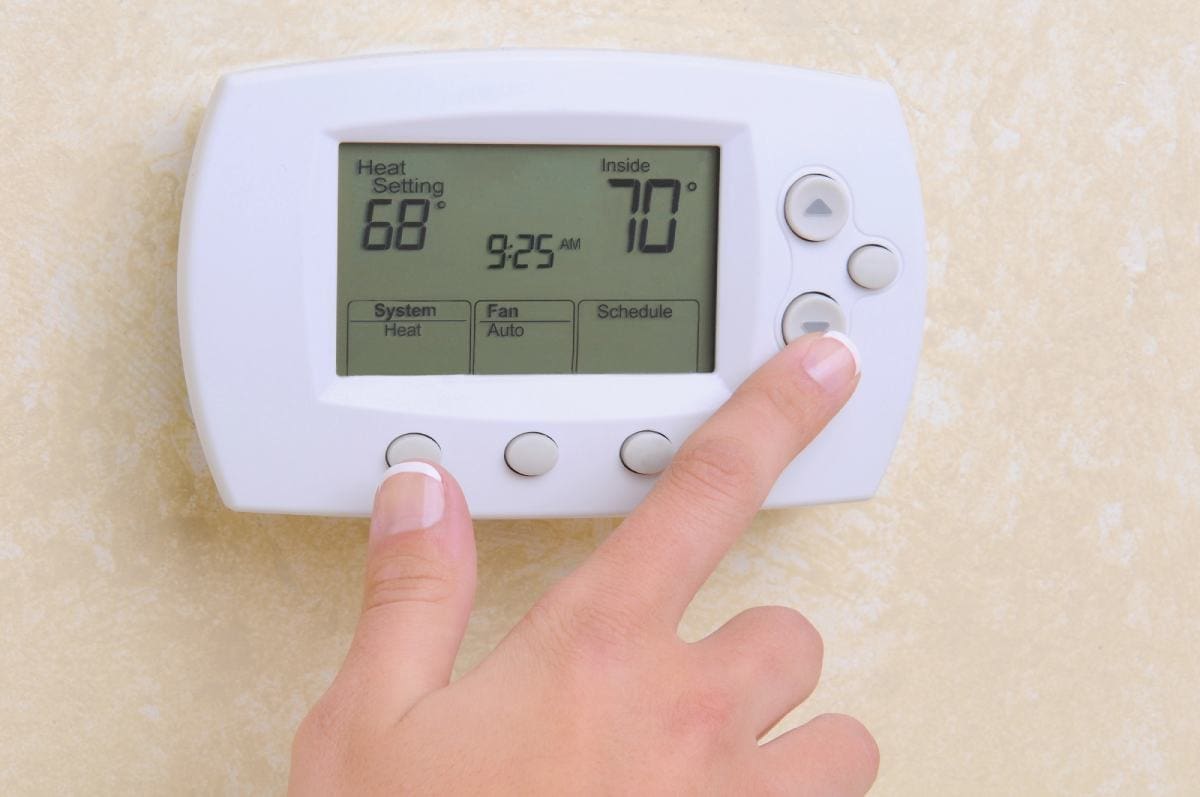
In most homes, if you lower your living temperature by 1 degree, you drop your heating bill by 1 percent. Lowering your thermostat when you are at work or school can significantly add to these savings. These thermostats have become very user friendly. I recently upgraded from an older programmable to the latest Nest model and using the app was simple, even for an old lad like myself. Ecobee and Honeywell also make excellent units.
Manage Dry Air While Lowering Your Heating Costs
One winter appliance that I think should be mandatory in every home in the winter is a humidifier. Simply put, humidifiers release water vapour or steam inside your home. The health benefits are well documented – they prevent dryness that can irritate your nose, throat, lips and skin. In some cases it will help with allergic reactions and snoring.
Something many people don’t realize is the effect dryness has on the home. Cracks and loose joints in wood furniture and solid wood kitchen doors, for example. A humidifier may also help lower your heating costs as air with a humidity level in the 35 to 45 percent range is recommended. To better understand, let’s take a home with the thermostat set at 24°C and 10 percent humidity. It actually feels like 21°C. You may be tempted to turn up the thermostat. If you do nothing other than increase the humidity to 40 percent, your home feels closer to that 24°C even though you have not touched the thermostat.
We have a large portable evaporative style humidifier in our open concept home of 1600 square feet. In the winter I fill the two water tanks daily to keep us at 35 to 40 percent. That is 34 litres (9 gallons) of water we introduce as humidified air into our home every 24 hours. There are permanent models for installing on your furnace ducting. My only suggestion is avoid the drum style – they are notorious for scaling up and for mould. The type with the water panel are the ones we recommend.
Moving the Air With Ceiling Fans
One of the simplest air flow systems that any homeowner can install are ceiling fans. I have never understood why more homes, especially those with higher ceilings or are open concept, don’t have them installed. This gentle movement of air, be it summer or winter can help reduce energy consumption and create a more comfortable living environment.
Ceiling fans don’t create heat or cooling, they simply move the existing air so you feel the benefit of the distributed air. The single most important thing to remember is to reverse the blades in the winter so the warm air that rises to the ceiling is cycled towards the floor, making the home feel warmer.
Ice Dams and Vents
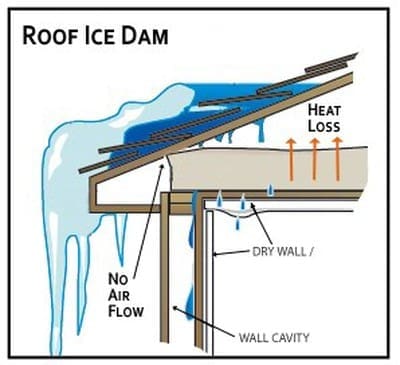
My last tip is one that may seem a bit odd, but in fact it can make quite a difference to protecting your home. The condition is called ice damming. In extreme cold this issue can cause a water buildup behind the ice that forms at the edge of your roof to back up under shingles and leak into your home. All of this is caused by a lack of ventilation at your roof edge. If you have an older home with wood soffits that have metal screen vents cut into this plywood face, this is a common issue. These vents are usually either 4”x16” or 8”x16” long and have been located between the rafter spaces.
Soffit vents are notorious for plugging up, especially if your attic has blown insulation. Over time air movement can disturb this insulation, coupled with dust and cobwebs will reduce the effectiveness of these vents. You don’t have to remove the actual metal vents to give this a quick fix. Using an air compressor with a blow gun on the end, gently apply bursts of compressed air into the vent screen. Check it with an LED pen flashlight. This has shown to be effective in clearing this type of vent.
In the Garden
One last thing, don’t forget to take the garden hose inside your home. It is well documented that they will last a lot longer if not allowed to get brittle or crack from the cold. Now double check you have shut off the taps, either the exterior frost back style with the anti-siphon feature or inside where you should have a manual shut-off tap at least two feet from the outside wall. Now open the outside tap and allow the remaining water to drain out.
Images from Depositphotos
Have a Home Renovation Question?
Write it down below and we’ll get back to you. All questions get answered – every week, we’ll select one for publication in the column.