Before You Break Ground
How to Prepare Your Build Site Responsibly and Minimize Habitat Disruption


Building projects come with a lot of responsibility. Not only do you need to ensure that the project is completed safely and efficiently, but you also have to consider any potential environmental impacts your construction may cause. One way to mitigate these effects is by preparing a building site properly and minimizing habitat disruption.
Creating an effective build site plan requires knowledge of the local environment, as well as an understanding of how your building activities will impact it.
This means researching the area’s ecosystems, flora and fauna before starting any work, as well as considering possible alternatives that could reduce disruptions or even provide benefits for wildlife in the long run. Here are just a few tips for preparing a building site and mitigating habitat disruption.
1. Dredge and Fill Thoughtfully
When preparing a building site that involves water bodies, dredging and filling thoughtfully is an essential part of the process. Dredging involves the removal of sediments from the bottom of bodies of water to make them deeper or wider. In contrast, filling involves adding soil or other material to create landforms such as islands.
Both processes can significantly impact local ecosystems if done incorrectly, so planning these activities carefully and taking steps to minimize their environmental effects is essential.
Get the Green Building Project Checklist
Use this handy checklist on your next project to keep track of all the ways you can make your home more energy-efficient and sustainable.
To ensure that dredging and filling are done responsibly, builders must research any potential impacts before beginning work. This includes looking at existing regulations governing development in the area, consulting experts familiar with local ecology and wildlife habitats, and considering possible alternatives that could reduce disruptions for aquatic ecosystems.
In addition, builders should consider how much material needs to be removed or added during dredging/filling operations. Too much can cause severe damage above and below ground level.
Finally, proper disposal techniques must also be used when dealing with materials removed from a building site. Proper disposal helps prevent pollutants from entering nearby waterways, which could negatively impact aquatic life.
2. Develop an Environmental Impact Assessment (EIA)
Developing an Environmental Impact Assessment (EIA) is crucial in preparing a building site and mitigating habitat disruption.
An EIA helps to identify potential environmental impacts of the project, as well as ways to reduce or eliminate them. EIAs can serve as important educational tools for teaching builders about respecting local environments while completing their projects responsibly.
They also allow for public input on the project, which can be invaluable when deciding how best to proceed with construction.
The first step in creating an EIA is researching the local environment, including any sensitive areas that could be affected by your building activities. This should include consulting local environmental experts.
Once the information has been gathered, you can begin identifying the potential effects of your construction plans and start exploring possible mitigation measures.
3. Create Buffer Zones and Protection Areas
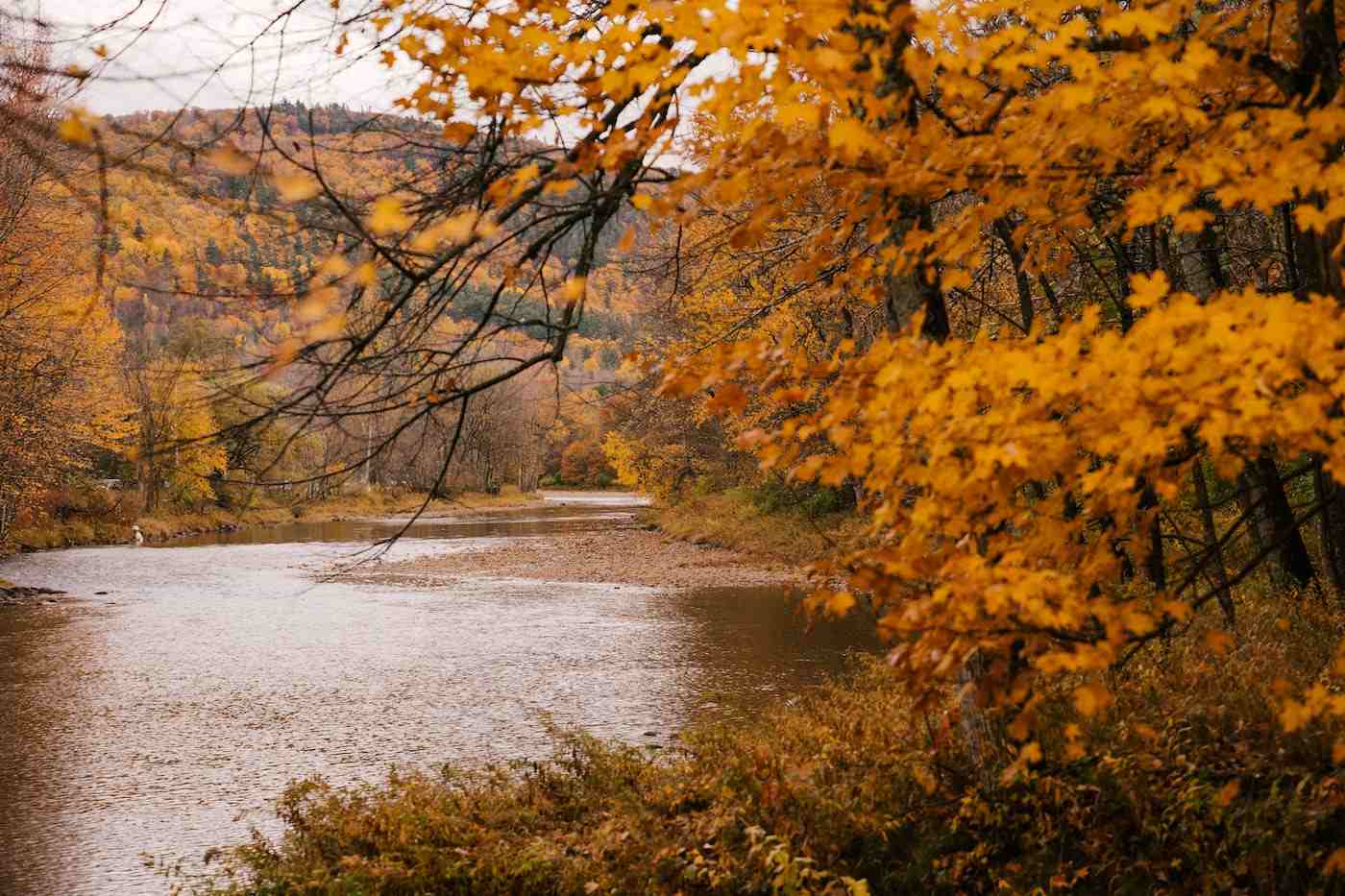
Buffer zones are strips of land that separate the construction area from sensitive habitats such as wetlands or conservation areas. They provide a physical barrier between the two areas, helping to reduce potential impacts on the surrounding environment.
Protection areas can also be set up to provide safe havens for wildlife during construction activities, allowing them to remain in their natural habitat without being disturbed by human activity.
In addition to providing physical separation, buffer zones and protected areas can also help protect fragile ecosystems by reducing noise pollution, dust particles and other pollutants generated by building projects.
These measures also help ensure that new development doesn’t encroach too closely to existing habitats or disrupt the migratory patterns of native species.
4. Incorporate Green Infrastructure Solutions
Green infrastructure solutions such as living walls, green roofs and rooftop gardens can benefit local wildlife habitats and also help mitigate habitat disruption caused by construction activities.
Living walls are vertical surfaces that are densely planted with vegetation. They provide shade and shelter for birds, insects and other animals while also helping to absorb pollutants from the air.
Green roofs and rooftop gardens provide similar benefits while providing additional insulation for any below buildings.
Incorporating these green infrastructure solutions into your construction plans ensures that you’re taking steps to protect the surrounding environment and mitigate potential habitat disruption.
These solutions can also help reduce energy costs by keeping buildings cooler in the summer and warmer in the winter, making them a worthwhile investment for any builder.
Read more on this topic in Green Infrastructure Ideas for Effective Stormwater Management
5. Utilize Best Management Practices (BMPs)
Best management practices (BMPs) are guidelines for minimizing habitat disruption when preparing a building site. These include avoiding development in wetlands or other sensitive areas, using erosion control blankets or sediment basins to limit runoff and soil loss during construction and planting native vegetation after the project has been completed.
Utilizing these best management practices can help ensure that your build site has as minimal an impact on existing habitats and wildlife as possible.
Additionally, it’s essential to be aware of any local policies or regulations concerning development in your area. Researching these rules and regulations before beginning work can save you a lot of time, energy and money in the long run while also helping to protect local wildlife and habitats.
6. Monitor and Document Any Changes in the Environment
Builders must clearly understand the area’s natural ecosystems before work begins. This includes carefully studying the region’s topographical maps so you can track any changes that occur due to construction activities.
Throughout the project, monitoring and documenting any environmental changes is essential. This can help you identify potential problems before they become too severe and allow you to adapt your building plans as needed.
Additionally, this information can inform future construction projects so that builders are better informed and able to make more informed decisions regarding protecting local habitats and wildlife.
Following these tips will help you prepare your build site properly and minimize potential habitat disruptions.
It’s also important to remember that careful planning is key to a successful construction project, so take the necessary steps before starting any work. Doing so can save you time and money and even help protect the environment in the long run.
Feature image: Magda Vrabetz; Image 1: Marta Wave