
Thinking of Expanding? Here’s Why Prefab Additions Beat Traditional Builds

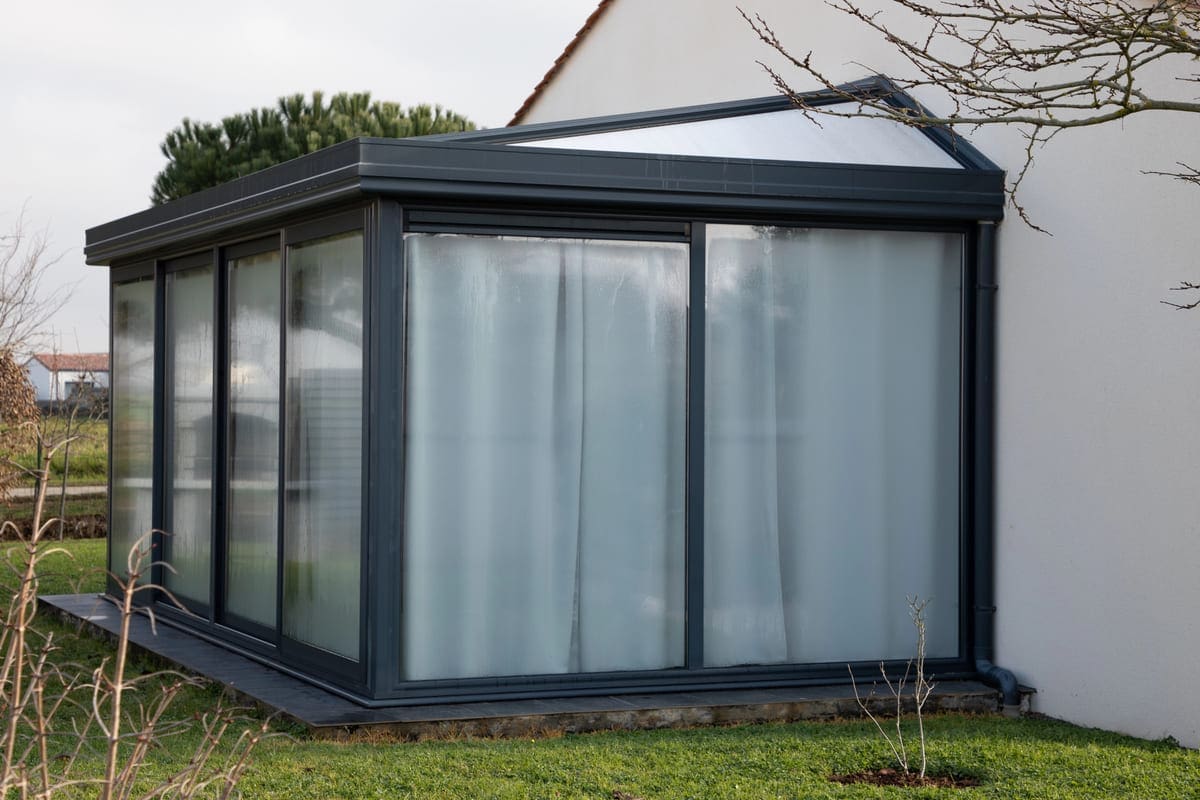
Renovating is getting expensive. Across Canada, the cost to renovate has increased nearly 10 percent a year on average since 2017, according to the Residential Renovation Price Index. And renovation is high up on people’s list, as a poll by Point2Homes found that 42 percent of Canadians desire more living space in their homes.
The answer, for many, is coming from a factory instead of a job site – prefabrication is revolutionizing how we expand, improve and future-proof our homes.
But what exactly are prefab home additions? And why are eco-conscious homeowners choosing them over traditional builds? Let’s take a closer look.
What Are Prefab Home Additions?
Prefab home additions, short for prefabricated home additions, are extensions that are partially or fully built off-site in a controlled factory environment before being transported to your property for assembly.
Rather than dealing with months of noise, waste and unpredictable weather delays, much of the structure – including walls, flooring, insulation, wiring and roofing – is manufactured under precise conditions. Once complete, it’s delivered to your property, lifted into place and secured onto a prepared foundation or existing structure.
Get the Green Building Project Checklist
Use this handy checklist on your next project to keep track of all the ways you can make your home more energy-efficient and sustainable.
This approach can range from simple, single-room modules to complex, multi-storey additions that integrate seamlessly with your existing home. In essence, prefab home additions allow you to expand your living space without the inefficiencies and environmental footprint of a full on-site construction project.
How Do Prefab Additions Work?
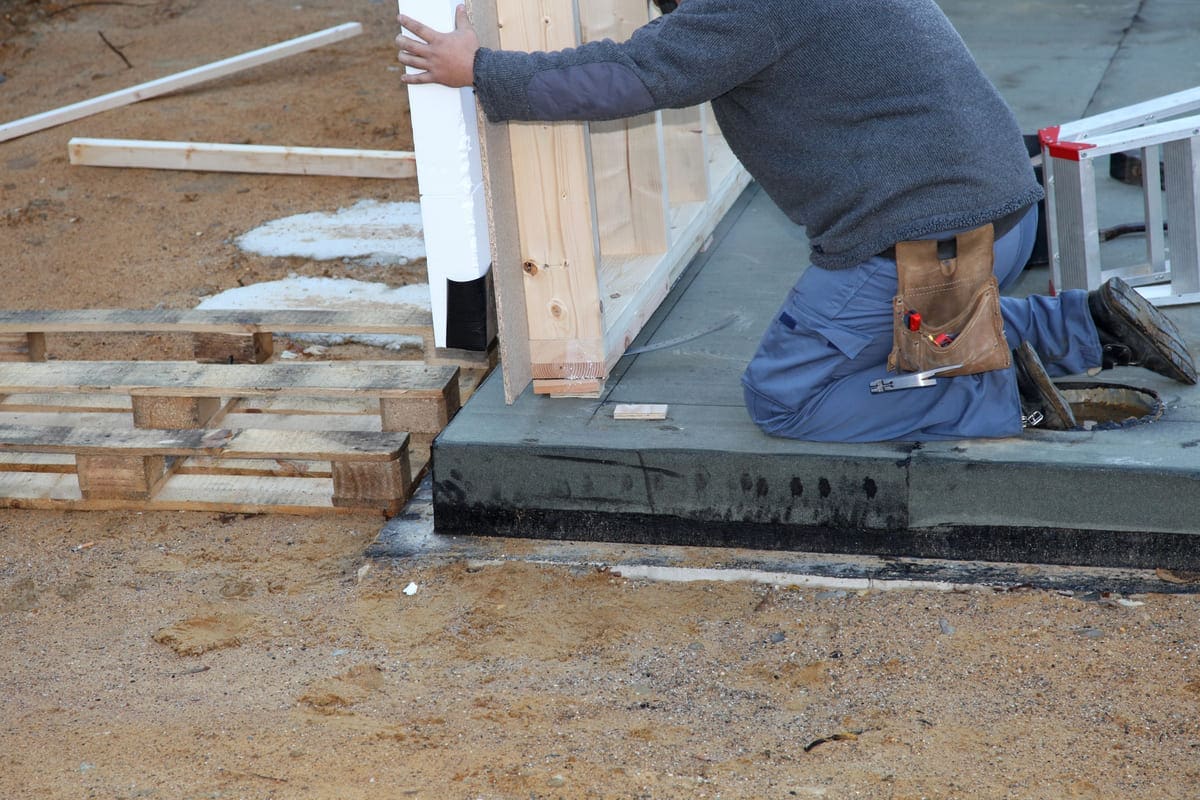
The process of creating a prefab addition generally follows five key stages:
- Design and planning – Homeowners work with architects or prefab specialists to determine layout, finishes and how the new addition connects to the existing building. This stage is highly flexible, allowing for customization in everything from window placement to materials.
- Factory construction – The components are built in a climate-controlled facility. This ensures consistent quality, precision fitting and less material waste.
- Site preparation – While your addition is being fabricated, the site is readied – foundations laid, utilities planned and connections prepared.
- Delivery and assembly – The prefab modules are transported to your property, typically by truck or crane and positioned on-site.
- Connection and finishing – Electrical, plumbing and finishing touches are finalized to ensure the new addition is fully integrated and ready for use.
Because these steps happen largely in parallel, project timelines are dramatically shorter than with conventional builds – sometimes by months.
Why Prefab Home Additions Are More Eco-Friendly
Prefab construction is increasingly recognized as a cornerstone of sustainable architecture. It’s not just about building faster; it’s about building smarter, cleaner and with greater respect for the environment.
In traditional construction, excess materials often end up in landfill. Prefab manufacturing, by contrast, happens in a controlled environment where waste is minimized and recycled efficiently. Offcuts of timber, metal or insulation can be reused rather than discarded.
This study of prefab construction in Australia found that waste can be reduced by 50 to 75 in prefab construction. The study breaks the numbers down by material with a 51 to 60 percent reduction in concrete usage, 35 to 55 percent reduction in steel reinforcement and 72 to 87 percent reduction in timber formwork. Total savings resulted in a reduction of 19 percent in cost and 34 percent savings in time.
Because prefab components are made with precision, materials are cut to exact dimensions – reducing waste and transportation emissions. The shorter on-site build time also means fewer vehicles, less machinery idling, and less disturbance to the surrounding environment. According to Canadian Homebuilders Association (CHBA), modular construction can result in a more than 40 percent reduction in greenhouse gas emissions.
Prefab designs often use advanced insulation, airtight construction and passive solar design principles, resulting in lower heating and cooling demands. Many prefab modules come pre-fitted with energy-efficient windows, LED lighting and low-flow fixtures, making it easier to achieve net-zero or low-energy performance standards.
Many prefab systems use recycled steel, sustainably sourced timber and non-toxic finishes. The controlled build environment ensures that materials are stored and handled properly, preventing warping, mould or damage – all of which can lead to waste in traditional construction.
The Benefits of Choosing Prefab Over Traditional Additions
While sustainability is a key motivator, it’s far from the only advantage. Prefab home additions offer practical and financial benefits that appeal to homeowners across the spectrum – from growing families to retirees and eco-build enthusiasts alike.
Faster construction times – Because off-site fabrication and on-site preparation happen simultaneously, a prefab addition can often be completed in a matter of weeks instead of months. This is particularly appealing in climates like Canada’s, where weather delays can stall traditional construction for entire seasons.
Cost predictability – Prefab builds typically come with fixed pricing, as materials and labour are calculated before production begins. This makes budgeting easier and reduces the risk of unexpected cost blowouts – something all too common in conventional home renovations.
Minimal disruption – Since much of the work happens elsewhere, there’s less noise, dust and intrusion on your daily life. You don’t have to live in a construction zone for months, which can make prefab an ideal option for families or those working from home.
High quality and consistency – Factory-controlled conditions mean each component is precision-built and thoroughly inspected. There’s less room for human error or weather-related damage, ensuring your addition meets strict quality standards.
Design flexibility – Prefab doesn’t mean generic. You can still tailor the look and feel to match your existing home – from rooflines and cladding to colour palettes and internal layouts. In fact, modern prefab firms often collaborate with architects to create bespoke designs that blend seamlessly with traditional homes.
Future-proofing and resale value – As eco-conscious building codes tighten, adding a sustainable prefab addition can boost your home’s energy performance rating and resale value. Buyers are increasingly attracted to homes that demonstrate efficiency, durability and modern construction techniques.
Popular Types of Prefab Home Additions

Prefab additions aren’t one-size-fits-all. Depending on your needs, property layout and local zoning, there are several popular configurations homeowners tend to choose.
Bedroom Additions
Ideal for growing families or homeowners wanting a private guest suite. These modules can be attached directly to the main structure or built as a standalone retreat in the garden. Prefab bedrooms are often designed with large windows, integrated storage and energy-efficient climate control.
Home Offices or Studios
With remote work on the rise, many Canadians are installing backyard prefab studios or office pods. These small, self-contained spaces offer privacy, insulation and acoustic comfort – perfect for professionals, artists or anyone seeking a creative sanctuary.
Garage Additions
A prefab garage can serve as secure parking, workshop space or even an EV charging hub. Modular garages can be built as single or double units and later upgraded with storage lofts or green roofing systems for added sustainability.
Second-Storey Additions
Adding a second level used to be a messy, disruptive process. Prefab modular construction now allows entire upper-floor modules to be craned into place within days. These can include bedrooms, bathrooms or living areas, instantly doubling your usable space with minimal downtime.
Accessory Dwelling Units
Also known as granny flats or in-law suites, these are small self-contained homes typically built in the backyard. They’re a sustainable and cost-effective solution for multi-generational living or rental income.
The Global Shift Towards Sustainable Prefab Living
As prefab homes become more common, prefab additions are also gaining in popularity. They represent more than just a new way to build – they’re a new way to think about home design altogether.
By combining efficiency, sustainability and architectural flexibility, they offer a path forward for homeowners who want to live responsibly without compromising comfort or style.
Images from Depositphotos