As extreme weather events become increasingly frequent across the globe, power outages are no longer rare occurrences but a pressing reality for many homeowners. From devastating hurricanes to severe winter storms, these events expose the vulnerability of our electrical grid and raise critical questions about emergency preparedness.
While gas-powered whole-home generators have long been the go-to solution, battery-powered portable power stations have emerged as a potentially more flexible and environmentally friendly alternative. But can they truly provide reliable whole-home emergency power when needed most? To answer this question, we’ll examine their capabilities and limitations to determine if they can effectively protect your home during extended power outages while meeting your family’s critical energy needs.
The Reality of Portable Power Stations for Whole-Home Backup
When considering portable power stations for whole-home backup, it’s essential to understand what “whole-home” truly means in an emergency context. Rather than powering every device simultaneously, effective emergency power management focuses on maintaining critical loads that ensure safety and basic comfort. Critical loads typically include medical equipment, refrigeration, basic lighting and communication devices, while non-essential loads like entertainment systems and heavy appliances can be temporarily suspended.
Most portable power stations, even high-capacity models, face inherent limitations in their ability to power an entire home continuously. A typical Canadian household consumes approximately 30 kWh daily, far exceeding the capacity of most portable systems. During multi-day outages, this reality necessitates strategic load management and prioritization. Success lies in identifying and rotating critical loads while maintaining sufficient reserve capacity for extended emergencies. This approach transforms portable power stations from an inadequate whole-home solution into a viable emergency power source when properly matched to essential needs and managed with realistic expectations about capacity and runtime limitations.
Get to Know Your Home’s Power Requirements
Get the Green Building Project Checklist
Use this handy checklist on your next project to keep track of all the ways you can make your home more energy-efficient and sustainable.
Understanding your home’s power requirements is crucial when selecting a portable power station for emergency backup. Start by calculating your essential loads in watt-hours – multiply each device’s power consumption by its expected hours of use. To get an accurate picture of your home’s electricity requirements you should look at each appliance’s stated power rating then add them all up. For a general overview you can have a look at the chart below which states the power rating of individual appliances.
Most homes require at least 2-3kWh daily for basic necessities like a refrigerator, internet router, some lighting and perhaps some medical equipment or well pump. The power station must deliver sufficient continuous output wattage, typically 2000-3000W minimum, to handle startup surges from appliances like refrigerators.
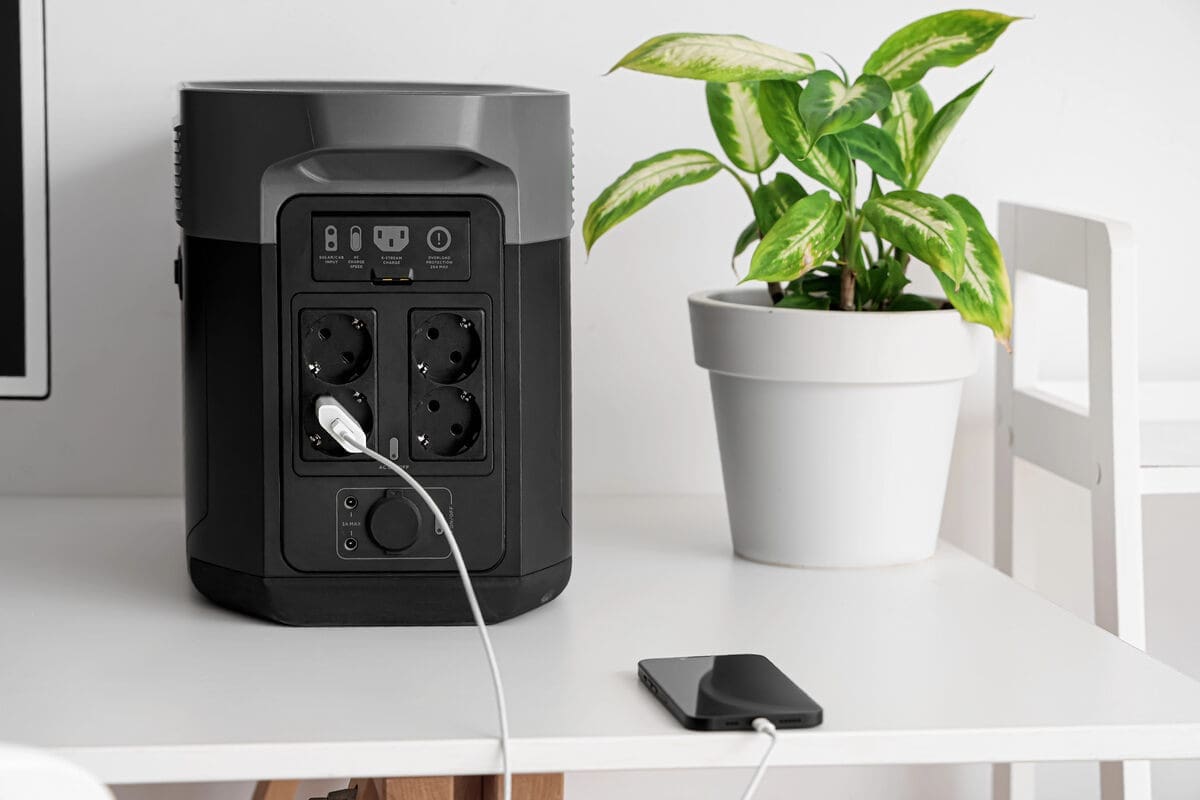
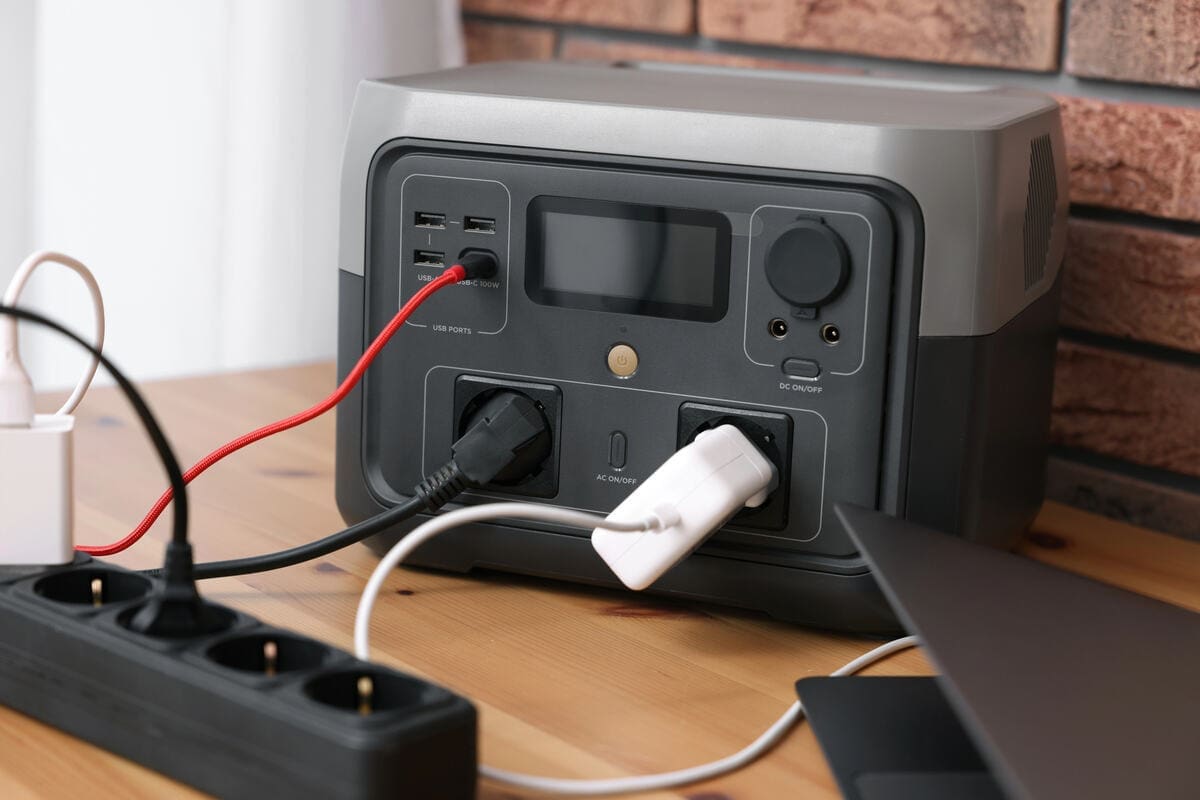
Pure sine wave inverter technology is non-negotiable for sensitive electronics and medical devices, as modified sine wave alternatives can damage equipment or cause malfunctions. Multiple AC outlets allow simultaneous connection of various devices without dangerous daisy-chaining of power strips. For extended outages, look for expandable battery systems that can scale up capacity through additional battery modules.
Average Appliance Power Rating & Runtime
| Appliance | Avg. Power (Watts) | Est. Runtime (Hours) on 3.5 kWh Power Station |
|---|---|---|
| LED light bulb (10W) | 10 W | 350 hours |
| Wi-Fi router | 15 W | 230 hours |
| Laptop (charging) | 50 W | 70 hours |
| Phone charger | 5 W | 700 hours |
| Refrigerator (Energy Star) | 150 W (avg.) | ~23 hours (cycling) |
| TV (LED, 40–50″) | 100 W | 30–35 hours |
| Microwave (small) | 900 W | ~3.3 hours |
| Toaster | 1,200 W | ~2.5 hours |
| Coffee maker | 800 W | ~4.3 hours |
| Electric kettle | 1,500 W | ~2.3 hours |
| Portable fan | 50 W | 70 hours |
| Space heater (low setting) | 750 W | ~4.6 hours |
| Washing machine (no dryer) | 500 W | ~7 hours |
| CPAP machine | 40 W | ~75–80 hours |
An Example of Powering Medical Equipment During Blackouts
Medical equipment poses unique challenges during power outages. A typical oxygen concentrator draws 400-600 watts continuously and cannot tolerate power interruptions. Medication refrigeration requires 100-150 watts intermittently but must maintain stable temperatures 24/7.
When calculating runtime for critical medical devices, factor in a 20 percent power reserve for unexpected needs. For example, a 3kWh power station running an oxygen concentrator (500W) and mini-fridge (120W average) provides roughly 4-5 hours of continuous operation, necessitating either battery expansion or careful power cycling strategies to extend coverage through longer outages.
Advanced Power Station Capabilities
Modern portable power stations have made significant advancements in capacity and functionality. For example, a portable generator of about 3.5kWh can power essential circuits including refrigerators, lighting, and communication devices for 8-12 hours of continuous use.
If the generator is expandable and you were to connect a second unit you could run 240V appliances like electric water heaters and HVAC systems, though runtime varies significantly based on load demands. For example, a dual-unit setup running a heat pump typically provides 4-6 hours of climate control.
Note that even with multiple units running in parallel, continuous operation of high-draw appliances like electric ranges or clothes dryers can deplete batteries within hours, necessitating careful load management or supplemental power sources.
Solar Charge Capacity for Sustainable Emergency Power
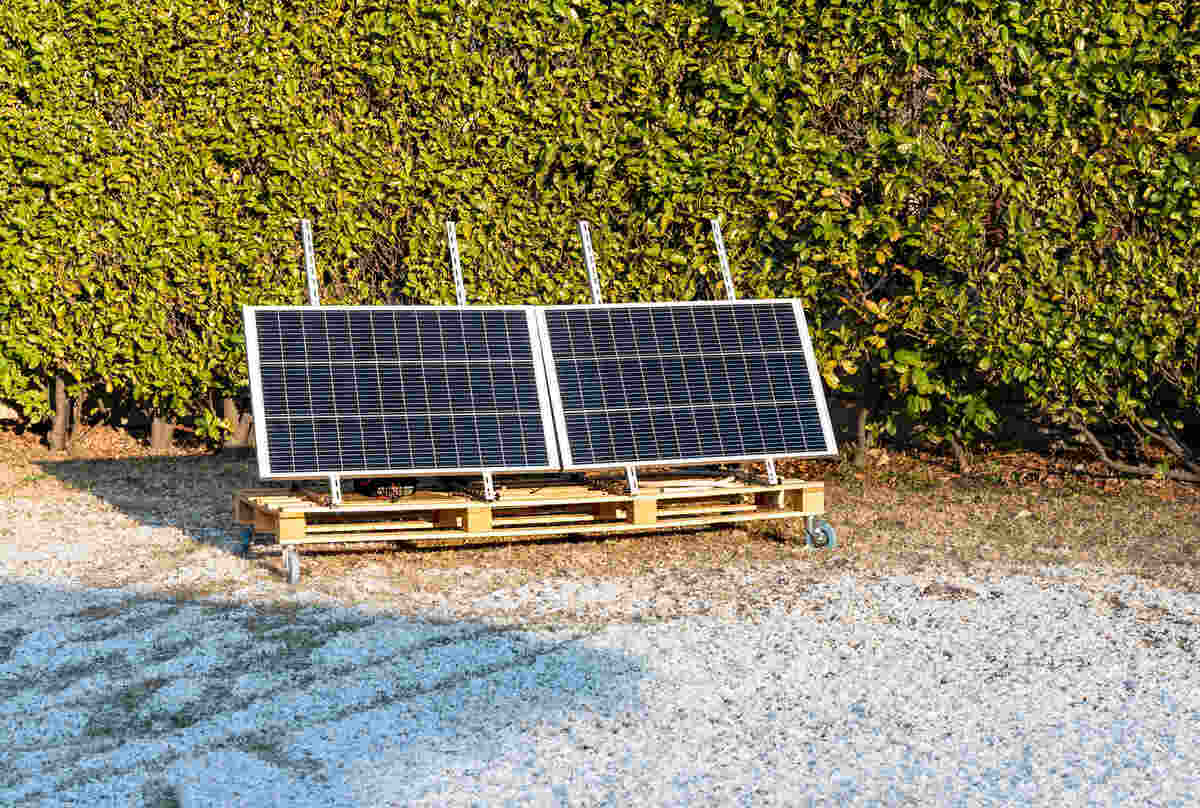
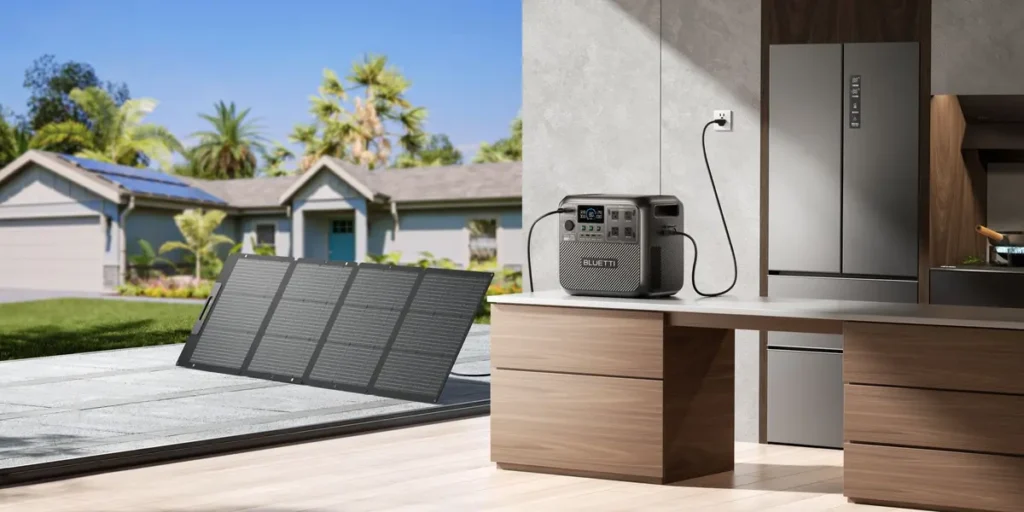
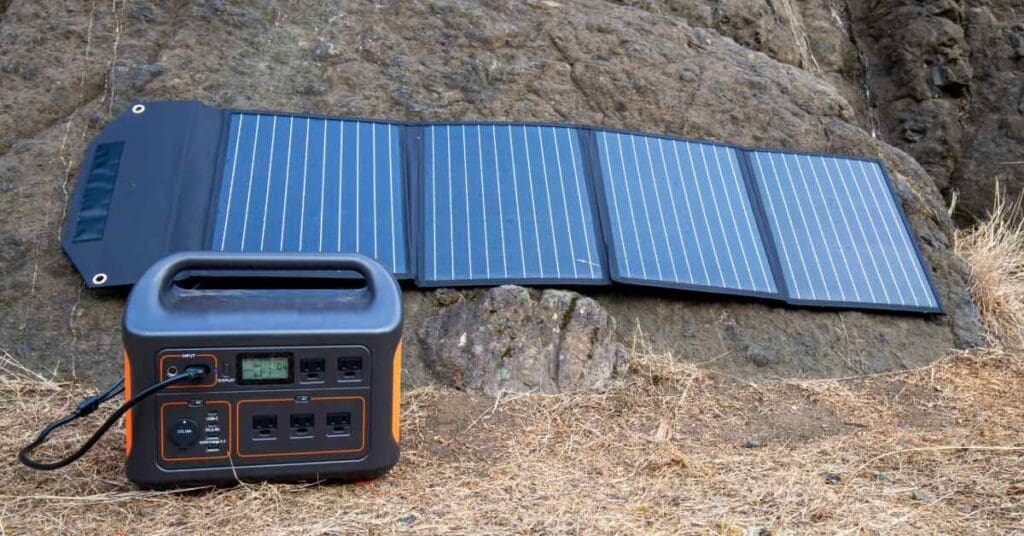
Solar charging is critical for battery-powered generators to maintain function. While manufacturers often advertise impressive solar input specifications, real-world charging performance depends heavily on environmental conditions. For effective emergency preparedness, a minimum solar panel array of 800-1000 watts proves necessary to meaningfully recharge larger capacity stations within daylight hours. During overcast conditions, charging efficiency can drop by 50-70 percent, requiring either expanded panel arrays or extended charging times. Modern portable power generators achieve 90-95 percent charging efficiency in optimal conditions, but this typically requires direct sunlight between 10 AM and 2 PM. To overcome weather-dependent challenges, implementing a hybrid charging strategy becomes essential – utilizing grid power when available while maximizing solar input during clear weather to maintain battery reserves.
Step-by-Step Home Emergency Power Setup
Establishing a reliable emergency power system begins with a comprehensive home energy audit. Document every device’s wattage requirements and categorize them into essential and non-essential tiers. Essential devices typically include medical equipment, refrigeration and communication tools, while secondary tiers might include comfort items like fans or limited HVAC usage. When selecting a portable generator, choose a capacity that can sustain your critical load tier for at least 12-24 hours.
Professional installation of a manual transfer switch is crucial for safely connecting larger appliances, preventing dangerous backfeeding into utility lines. For solar integration, position panels where they’ll receive maximum sunlight during peak hours, typically facing south at a 30-45 degree angle, with minimal shading obstruction.
Maintaining Power During Extreme Weather Events
Before severe weather hits, implement a thorough preparation protocol. Fully charge all power stations and test their functionality at least 48 hours before anticipated events. Create a written load rotation schedule that specifies which devices connect when and for how long. Monitor battery levels hourly during the first day of use to establish accurate runtime patterns.
For indoor operation, maintain at least 3 feet of clearance around the generator for proper ventilation, and never operate them in enclosed spaces or near water sources. Keep spare charging cables organized and easily accessible. During extended outages, implement a strict 30 percent battery reserve policy, disconnecting non-critical loads when capacity drops below this threshold.
Battery-powered vs. Gas Generators
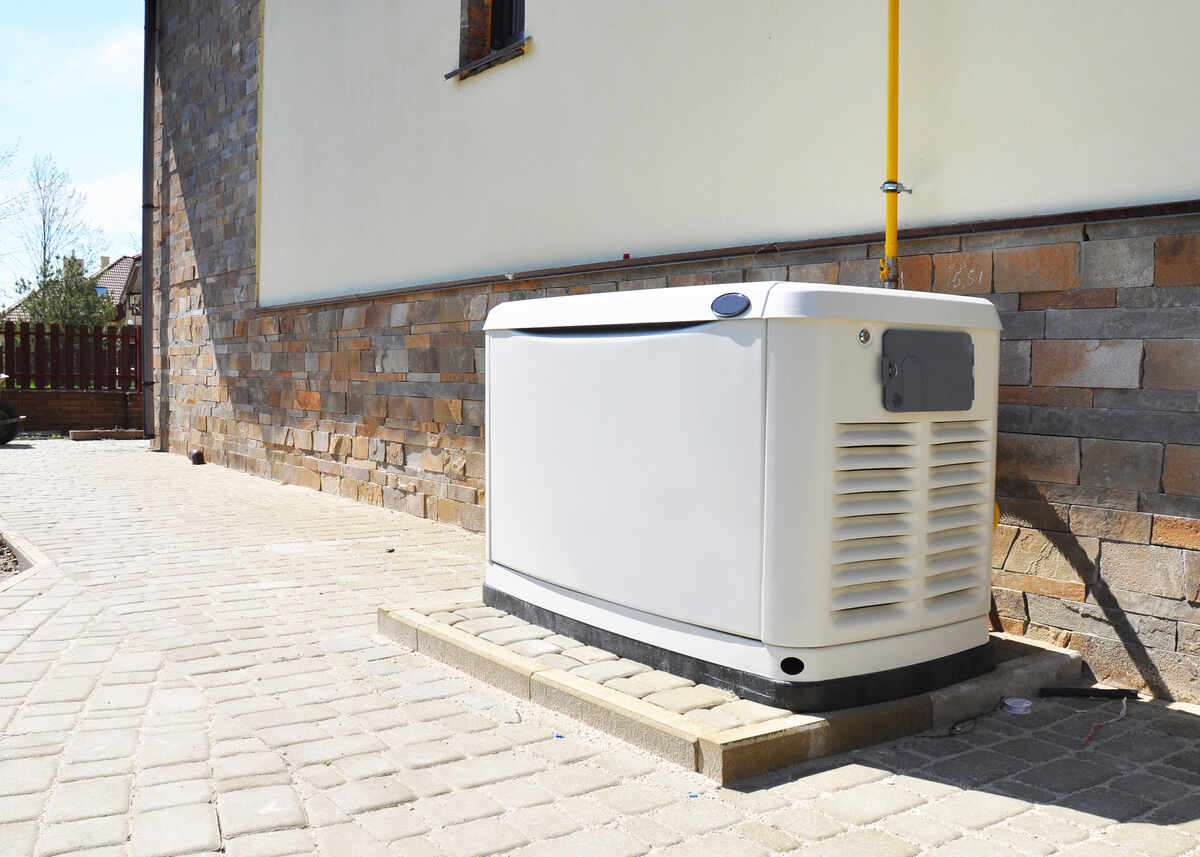
When comparing battery-powered and gas generators, several critical factors influence the choice for emergency backup power. Portable stations eliminate the constant fuel supply concerns that plague generator owners during extended outages, when gas stations may be inoperable or fuel scarce. The near-silent operation of power stations, typically under 50 decibels, contrasts sharply with generators’ 60-70 decibel output – equivalent to a running vacuum cleaner.
Indoor safety represents another significant advantage, as power stations produce zero emissions and can safely operate inside, unlike generators which cause approximately 430 carbon monoxide deaths annually. Gas generators require regular oil changes, spark plug replacements, and fuel system maintenance, while battery-powered generators need only occasional battery conditioning. Though initial costs favour generators, the long-term equation shifts when considering fuel costs, maintenance and the increasing integration of solar charging capabilities.
Strategic Emergency Power Management: Finding the Right Balance
While portable power stations offer innovative solutions for emergency backup power, they cannot fully replicate traditional whole-home generator capabilities without careful planning and realistic expectations. Their strength lies in providing reliable, emission-free power for essential loads when properly sized and managed.
Success depends on implementing a tiered approach to power management, where critical devices receive priority and non-essential loads are strategically rotated. The latest portable power stations, particularly when combined with solar charging capabilities, represent a viable alternative for many households – especially those prioritizing indoor safety, silent operation and environmental consciousness. However, achieving true whole-home coverage typically requires either significant battery capacity investment or acceptance of limited runtime for high-draw appliances.
The optimal solution for most homeowners may be a hybrid approach: utilizing portable power stations for critical loads while maintaining alternative backup options for extended outages or high-power demands. Before investing, conduct a detailed power audit of your home’s specific needs, focusing on essential equipment and realistic daily power requirements. This personalized assessment will ensure your emergency power solution aligns with both your critical needs and practical limitations.
Images from Depositphotos