The Growing Insurance Risk of Poly-B Piping for Canadian Homeowners

For decades, Poly-B (polybutylene) plumbing quietly sat behind walls in hundreds of thousands of Canadian homes. In the 1980s and 1990s, it was embraced as a modern material: cheaper than copper, easier to install, flexible enough to snake through tight spaces and widely accepted under building codes of the time.
For many homeowners, Poly-B was simply “what houses had.” But as the years passed, weaknesses in the material began to surface – in some cases literally – and a pattern of leaks, failures and insurance claims started to alarm the industry.
By 2025, the situation has shifted dramatically. In recent years, insurers across Canada have been tightening their policies, raising premiums, excluding water-damage coverage or outright refusing to insure homes that still contain Poly-B plumbing. For homeowners this is no longer a background issue. It is an urgent one, especially because some insurance providers now reserve the right to void the water-damage portion of your policy if Poly-B piping remains in place. That means a single unexpected leak could immediately become a major, uninsured financial disaster.
Why Poly-B Piping Became a Problem
One of the major concerns with Poly-B is that it degrades from the inside out, often without any visible exterior warning. The material is particularly sensitive to chlorine, commonly found in municipal water systems, which causes the inner surface of the pipe to weaken over the years. Heat accelerates this process, which makes hot-water lines especially vulnerable. As microscopic cracks grow, the pipe can burst or leak suddenly and without obvious stress signs beforehand.
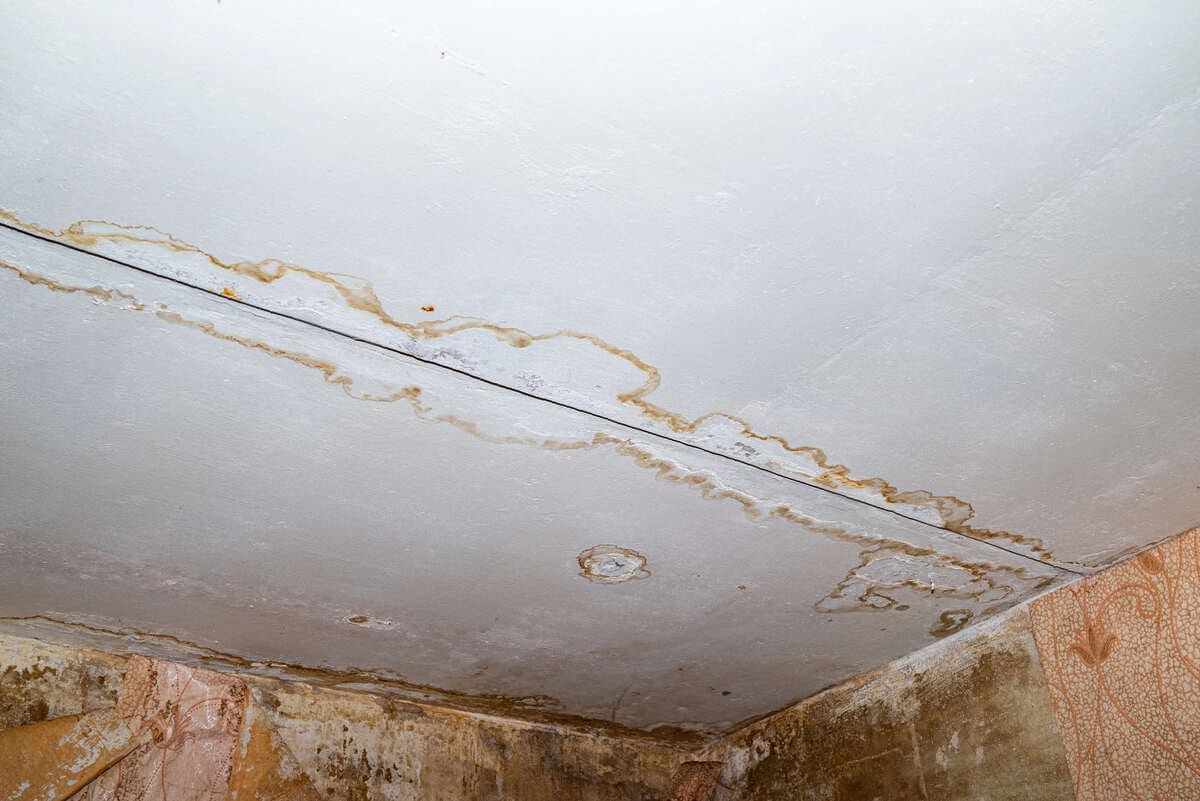
Compounding the issue, failures frequently occur at fittings, joints or bends. Even when the Poly-B itself looks intact, the system as a whole may be structurally compromised. This leads to unpredictable water damage, sometimes catastrophic in nature. Homeowners have reported situations where a pinhole leak soaked drywall for weeks before being discovered, while others have experienced sudden pipe bursts that caused severe flooding.

Get the Green Building Project Checklist
Use this handy checklist on your next project to keep track of all the ways you can make your home more energy-efficient and sustainable.
From an insurance perspective, this unpredictability is the core problem. Claims involving Poly-B failures have historically been more frequent and more expensive and insurers are increasingly unwilling to shoulder that risk.
Why Insurers Are Taking Action
Until recently, many insurance companies simply increased premiums or applied higher deductibles for homes with Poly-B. But as the housing stock ages, and as the oldest Poly-B installations are now approaching 40 to 50 years old, the likelihood of failure continues to increase. That brings higher risk for insurers, especially in the water-damage category, which is already one of the most expensive claim types in Canada.
As a result, more insurance providers are now adopting stricter underwriting rules. In 2025, several insurers have introduced policies stating that they will no longer cover water damage if Poly-B piping remains in the home. Others may still insure the property but specifically exclude damage caused by plumbing failures, meaning the homeowner bears full responsibility for cleanup, repairs, mould removal and structural restoration.
This trend is not limited to a handful of companies or niche regions. It reflects a broader recalibration across the industry. Insurance companies rely on national actuarial data, not local anecdotes. When the numbers show that a certain material poses a persistent and heightened risk, insurers respond accordingly.
What This Means for Sustainability-Minded Homeowners
Sustainability isn’t just about energy efficiency or eco-friendly materials. Another major factor is waste reduction. Water damage is enormously wasteful. Not only does a leaking pipe waste water, but the resulting damage often leads to removal of drywall, flooring, insulation and sometimes structural materials. These materials typically end up in landfills, adding to the home’s overall environmental footprint.
Moreover, leaks behind walls often lead to mould, which requires chemical remediation and additional material waste. By replacing Poly-B piping proactively, homeowners can prevent all of this environmental and financial damage. Alternatives such as PEX or copper provide far greater longevity and reliability, reducing both long-term cost and risk.
Proactive replacement also helps preserve the value of the home. Many buyers, especially younger ones concerned about sustainability and major unexpected costs, will walk away from a property with Poly-B. Replacing the system not only protects your insurance but also strengthens resale appeal.
What You Should Do if You Have Poly-B
Identify Whether Your Home Has Poly-B
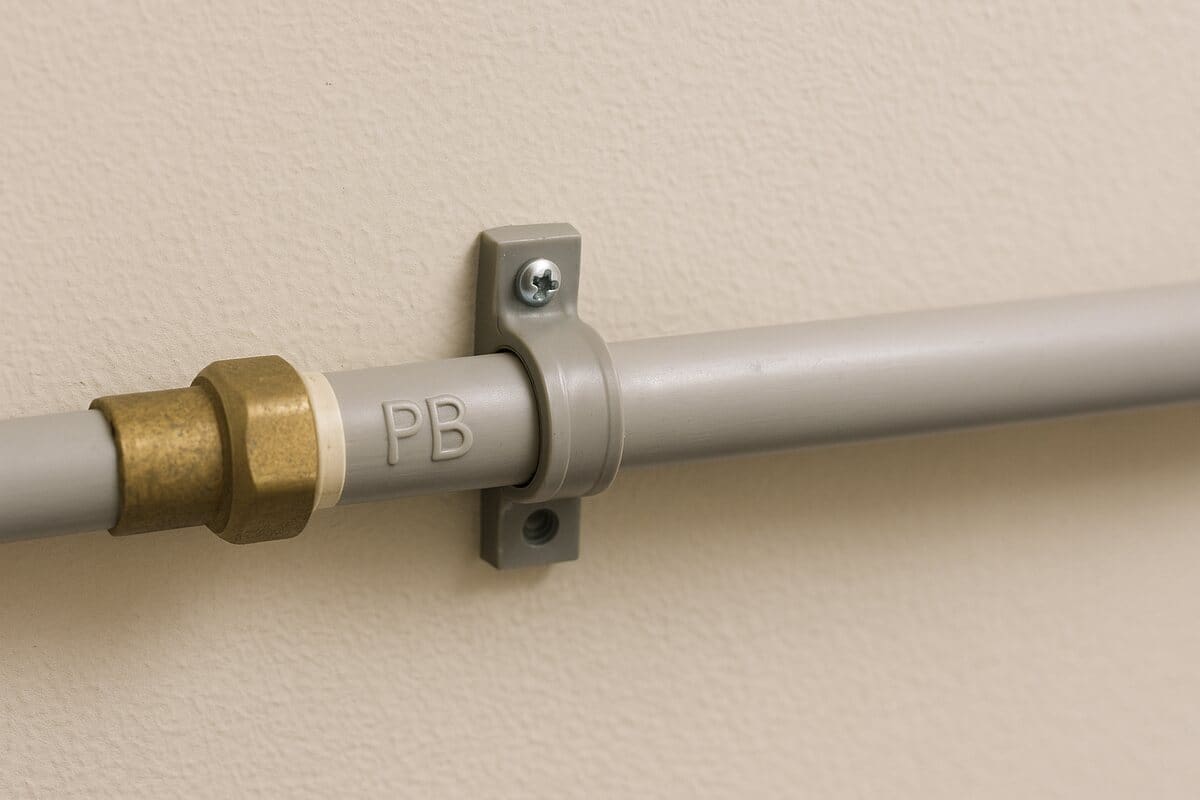
Poly-B pipes are typically grey, flexible plastic tubing and may be stamped with “PB,” “PB2110,” or similar markings. Inspect basements, utility rooms, exposed piping under sinks and behind removable access panels. If you’re unsure, a plumber can confirm quickly.
Contact Your Insurance Broker Before Renewal
Do not wait for your renewal letter to find out whether Poly-B affects your coverage. Ask your broker the following questions:
- Does my policy exclude water damage if I have Poly-B?
- Will my premiums change?
- Will I need to replace the piping before renewal?
Getting clarity early prevents surprising and potentially expensive coverage gaps.
Get Professional Quotes for Replacing Poly-B
Modern repiping options vary in price depending on the home’s size and layout, but many homeowners are surprised that repiping is not as disruptive as they feared. PEX systems can often be installed quickly with minimal wall removal. Getting a few quotes ensures you understand the true scope and cost of the project.
Plan the Replacement With Long-Term Value in Mind
If you intend to stay in your home for years, replacing Poly-B now prevents future failures and makes your home more insurable. If you may sell soon, completing the replacement increases resale value and avoids negotiations or price reductions tied to outdated plumbing.
WATCH || How To Replace Polybutylene Water Piping
Images from Depositphotos