What Plumbing Maintenance Should You Tackle Before Winter?

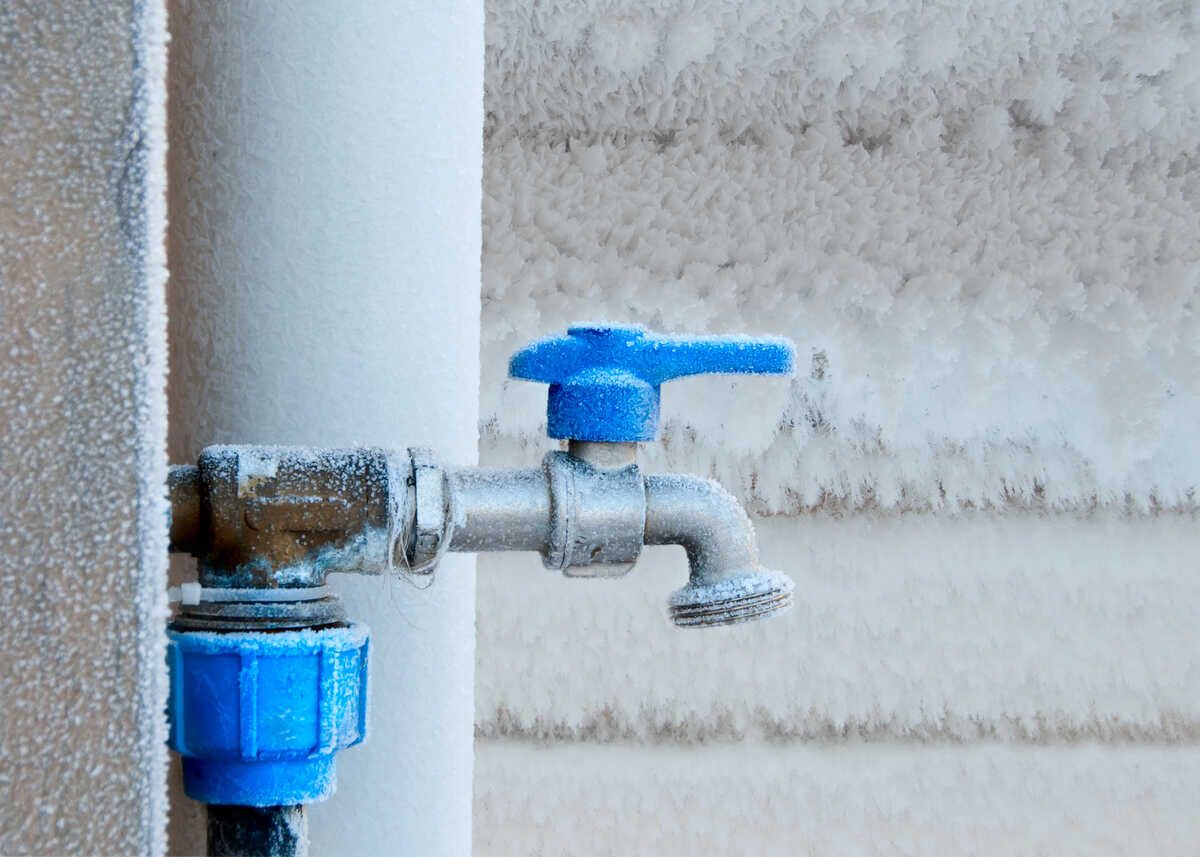
Cold weather can put a lot of stress on a home’s plumbing system. Pipes, faucets and water heaters all face extra pressure as temperatures drop and small issues can quickly turn into costly repairs if left unchecked. By taking care of plumbing maintenance before winter, homeowners can prevent damage, save money and avoid major disruptions.
This article explains the key steps that help protect plumbing before the deep freeze sets in. From outdoor faucets to indoor pipes, each part of the system plays a role in keeping water flowing safely. With the right preparation, homes stay safer, more efficient and ready for the months ahead.
Shut Off and Drain all Outdoor Faucets and Garden Hose Connections
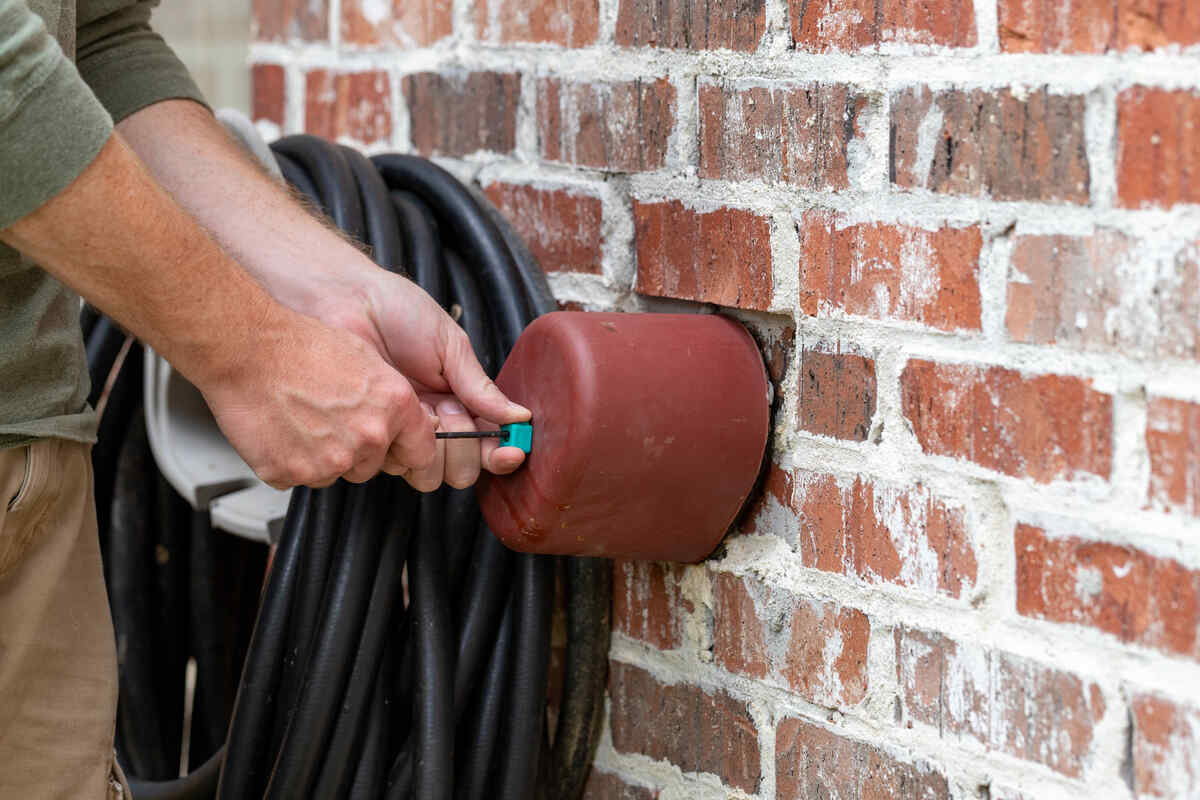
Before temperatures drop, homeowners should shut off the outdoor water supply. This step helps prevent water from freezing inside the pipes, which can cause cracks and leaks. Outdoor faucets left with standing water face the highest risk once frost sets in.
After shutting off the valve, the faucet should be opened to let any leftover water drain out as even a small amount of trapped water can expand in cold weather. Installing an insulated cover on top of your outdoor tap is also worth doing. Hoses should also be disconnected and stored indoors to avoid damage.

Get the Green Building Project Checklist
Use this handy checklist on your next project to keep track of all the ways you can make your home more energy-efficient and sustainable.
You may have to deal with early cold snaps, so preparing outdoor plumbing early in the season is wise. A frozen faucet can quickly lead to more costly repairs inside the home.
For those unsure about the shut-off valve location or proper drainage steps it’s worth consulting a plumber. Plumbers charge around $80 to 200 per hour depending on where in Canada you’re located. If you live in a remote area they can cost more due to the lesser number of professionals working in the vicinity (and the consequent higher travel costs). In big cities high demand can drive up costs. If, for example, you’re looking for a plumber in Toronto or a plumber in Vancouver, you’re going to be paying top dollar. But in the end the cost can be worth it if it saves you major problems down the road (which you’d have to hire a plumber to fix anyways).
Homeowners should also inspect faucets for leaks before winter. Small leaks that seem minor in warmer months can worsen once freezing temperatures arrive. This simple maintenance can save time and money later.
Finally, disconnecting sprinklers and other attachments is important. Outdoor tools connected to the faucet can trap water inside the line. Homeowners who take these steps reduce the risk of frozen pipes and avoid unnecessary plumbing issues.
Insulate Exposed Pipes in Unheated Areas
Pipes in basements, crawl spaces, attics and garages face the highest risk of freezing once temperatures drop. Cold air in these spaces can reach unprotected pipes quickly, which may lead to cracks or bursts. Homeowners often deal with this issue due to long periods of sub-zero weather.
The simplest defence is pipe insulation. Foam sleeves fit directly around the pipe and keep heat inside. Fiberglass pipe wrap can also be used though the installation process is a little more involved. If you’re dealing with extreme cold another option is heat tape. It requires an electrical current, but it is effective at keeping pipes warm.
Homeowners should also look for gaps or cracks in walls and floors near exposed pipes. Sealing these openings reduces the amount of cold air that reaches the plumbing. This step is especially helpful in older houses where drafts are more common.
By insulating pipes in unheated areas, residents reduce the chance of frozen plumbing and avoid costly repairs. Proper preparation helps keep water flowing smoothly throughout the winter.
Inspect and Repair any Leaks or Weak Spots in Indoor Plumbing
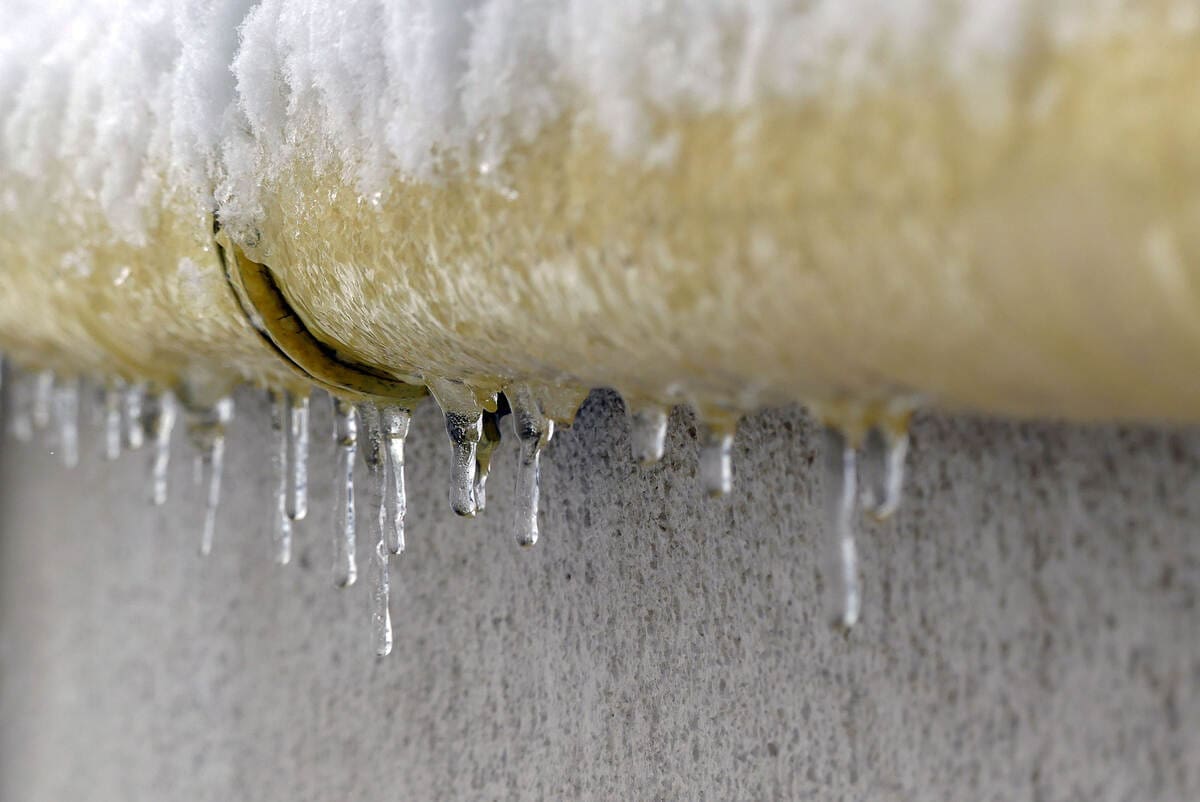
Before temperatures drop, homeowners should check all visible pipes, faucets and connections for any signs of leaks. Even a small drip can waste water and create higher bills. Older homes often have pipes that show wear, so early inspection helps prevent bigger problems later.
Look under sinks, around toilets and near water heaters for damp spots or stains. These marks often point to hidden leaks. In addition, listen for unusual sounds in the pipes, as rattling or hissing may signal weak spots that need attention.
A leak left untreated can freeze and burst once the cold sets in. Therefore, repairing even minor issues before winter protects the home from costly water damage. This step is especially important because freezing temperatures arrive quickly and put extra stress on plumbing systems.
If a homeowner cannot locate the source of a problem, a professional plumber can perform a full inspection. Many residents schedule this service before the first frost to avoid emergencies during the coldest months.
Drain and Winterize Your Pressure Washer Pump and Hoses
Before cold weather arrives, homeowners should remove all water from their pressure washer pump and hoses. Leftover water can freeze, expand and damage the equipment. This step helps extend the life of the machine and avoids costly repairs.
First, drain the reservoir and clear the hose lines. Run clean water through the system to flush out any dirt or detergent. After that, disconnect the hoses and let them dry fully before storing.
Next, add antifreeze to the pump chamber. This protects the seals and internal parts from freezing temperatures. Many people use a pump saver product for this step because it coats the parts and prevents moisture damage.
It is also important to clean the filters and nozzles. Dirt or residue left inside can harden during the winter months. By keeping everything clean, the washer will be ready to use again in the spring.
Homeowners often store their pressure washer in a dry indoor space. A garage or shed works well as long as the temperature stays above freezing. Taking these steps helps avoid problems once spring returns.
Seal Gaps Around Pipes to Prevent Cold Air Infiltration
Cold air often slips through small cracks around pipes, especially in older houses. These gaps may seem minor, but they allow cold drafts to reach plumbing and increase the risk of frozen pipes.
Homeowners can use caulk, spray foam or weatherstripping to close off gaps near plumbing. Each option creates a barrier that blocks cold air and reduces heat loss. In addition, sealing around pipes helps keep indoor temperatures more stable during cold winters.
It is also helpful to check areas near windows, doors and basement walls. Pipes in these spots often face more exposure to cold air. By sealing cracks early in the season, homeowners reduce the chance of pipe damage.
A careful inspection of the home’s foundation, attic and crawlspaces often reveals hidden gaps. Addressing them before the first freeze saves time and prevents costly repairs.
Images from Depositphotos