Do you know Canadians throw away over 3 million tonnes of plastic waste every year? Plastic pollution is a pressing global issue. Governments worldwide are actively seeking ways to address this environmental challenge. In Canada, the federal government has taken significant steps to fight plastic pollution, particularly in the building sector.
Plastic Pollution and the Building Sector in Canada
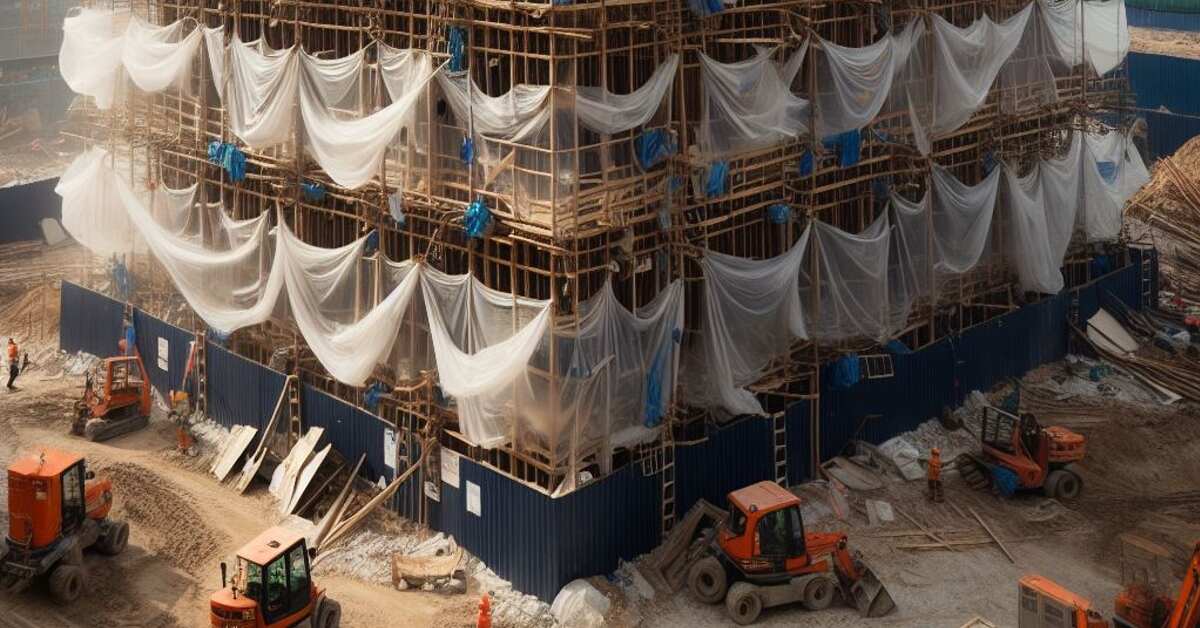
In Canada, the construction industry is a significant contributor to plastic pollution, accounting for over 26% of the country’s total plastic waste. This substantial share emphasizes the challenges that the sector poses in terms of plastic pollution.
Challenges
- Construction generally involves a number of plastics. It is in so many materials, from the floors to the roof, windows to water pipes.
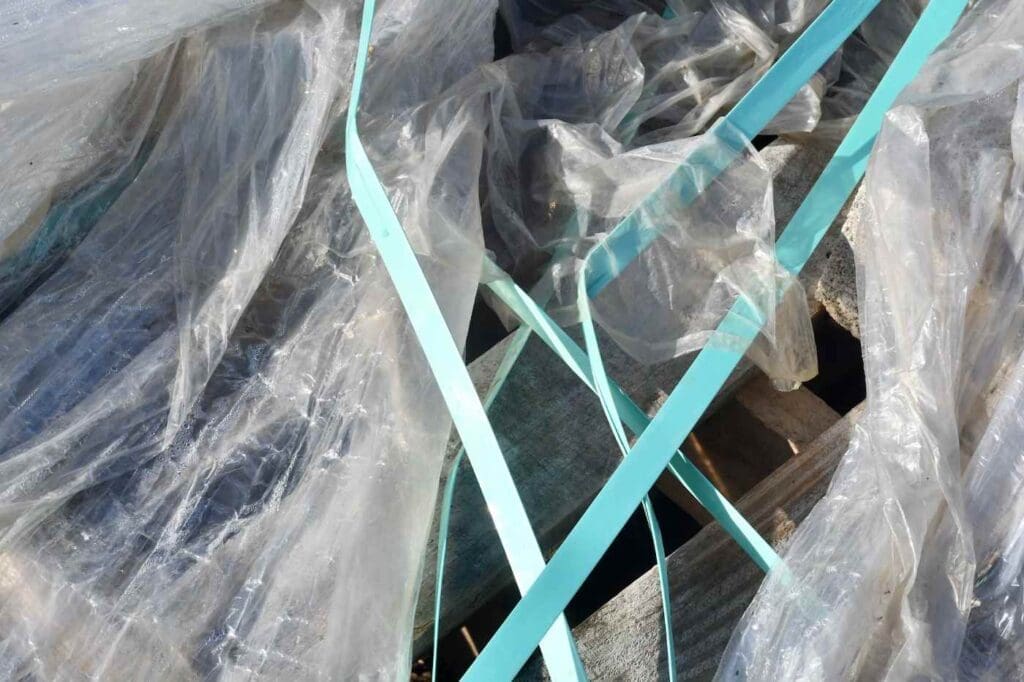
- It’s not just the materials themselves, single-use plastic packaging for large building products increases the volume of waste.
- The need to cut building materials creates plastic dust and unusable debris.
- Certain plastics used in construction, such as those containing fire retardant additives and polyvinyl chloride (PVC), pose recycling challenges. Their complex composition makes recycling a cumbersome process.
- The presence of incompatible materials like glass, cement or metal in construction waste further complicates recycling efforts. This not only hinders the efficiency of the recycling process but also damages equipment, jeopardizes the safety of recycling personnel and adds to overall recycling costs.
Government Initiatives

Get the Green Building Project Checklist
Use this handy checklist on your next project to keep track of all the ways you can make your home more energy-efficient and sustainable.
Canada’s vision, however, is to achieve zero plastic waste and significantly reduce plastic pollution.
To that end, Canadian federal, provincial, and territorial governments are actively collaborating through the Canadian Council of Ministers of the Environment (CCME) to develop a comprehensive national strategy for achieving zero plastic waste.
Policymakers and federal workers are moving to establish targets, standards and regulations to eliminate plastic pollution in Canada.
As per the Canadian federal government, it has also provided $5 million (CAD) to the United Nations Environment Programme to endorse transparent negotiations towards an international legally binding agreement on plastic pollution. This is aimed at establishing a circular plastics economy.
Canada’s Plastics Science Agenda (CaPSA)
A big move happened in 2019 with the Plastics Science Agenda (CaPSA), which is like a guide for future research. It helps put money where it matters most. CaPSA focuses on what we need to know about plastic, from start to finish.
These initiatives have kickstarted a move towards greener industries and become a major contributor to the economy, offering employment opportunities to many Canadians. In fact, there are remote Canadian federal government jobs available for individuals interested in contributing to environmental conservation efforts. These positions provide a unique opportunity for professionals in shaping and implementing policies that address plastic pollution and promote sustainable practices.
Alternatives to Plastic Construction Materials
Building usually means using plastic, but we’re not stuck with it. There are alternatives that don’t create the same environmental issues.
These materials do less damage to the environment and they’re just as strong and sturdy. Some even go above and beyond, making buildings more energy-efficient and sustainable.
The Alternatives
Bio-Based Plastics – Materials derived from plant-based sources, bio-based plastics offer a renewable and eco-friendly alternative to traditional plastics in construction.
Recycled Plastic Lumber – Utilizing recycled plastic to create lumber substitutes reduces demand for new materials, providing a sustainable option for various construction applications.
Bamboo Construction – Renowned for its rapid growth and durability, bamboo serves as a renewable resource in construction, offering a strong and versatile alternative to traditional materials.
Mycelium-Based Materials – Mycelium-based materials create sustainable, biodegradable alternatives for insulation and packaging, contributing to a circular economy.
Hempcrete – Blending hemp fibres with lime creates a lightweight material with insulating properties. Hempcrete has proven to be an environmentally friendly alternative since it sequesters carbon in the house. It can be used in a range of applications such as wall construction, flooring, and insulation.
Recycled Metal – Repurposing metal from salvaged sources minimizes its environmental impact, offering a durable and aesthetically pleasing alternative to plastics in finishings.
Rammed Earth Construction – Employing natural raw materials like earth and chalk, rammed earth construction provides a low-carbon alternative, showcasing energy-efficient and locally sourced building solutions.
Cross-Laminated Timber (CLT) – Engineered wood products like CLT offer a sustainable alternative to traditional timber, promoting responsible forestry practices and reducing environmental impact.
Transparent Wood – Made through a simple treatment process, transparent wood retains its strength while allowing natural light, opening the door to applications where wood could replace clear plastics.