Planning a Basement Renovation
9 Steps to Consider When Renovating Your Basement

In this weekly Q&A column, retired builder/building inspector Cam Allen answers readers’ home renovation questions. Have a question? Enter it in the form below.
What is your advice for renovating the dreaded basement area of the house?
If there is one sentence I heard during my contractor days it was “Damn, I wished I had planned for that!” and basements were the one area that I heard it most often. There is an urgency to “Gitter-done” after all the prep work to get the basement dampness issue corrected and checked. I have seen dozens of lists over the years for planning your new home or major renovation yet they have only a few steps dedicated to finishing a basement. So now, this is my suggested basement renovation list.
1. Watch and Wait
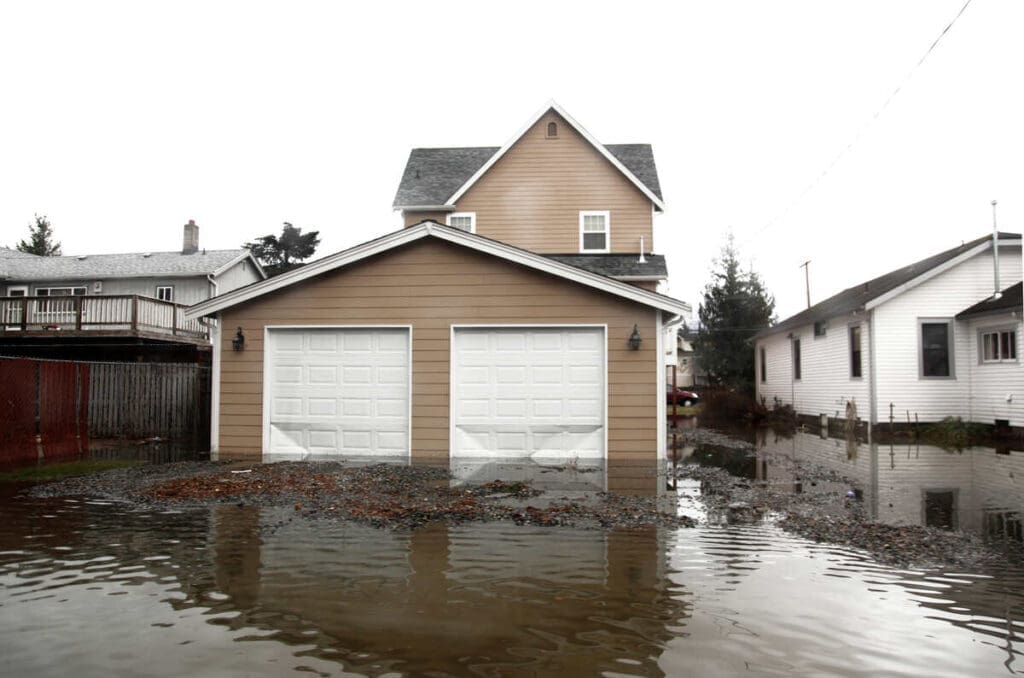
Last week we looked at the methods available to reduce or hopefully eliminate water or dampness in a basement. If you have completed an upgrade then number one on my checklist, if at all possible, is to wait a period of time (preferably over a spring thaw) just to be sure your water intrusion has been corrected before you start the basement interior finish.
2. HVAC Upgrade
Get the Green Building Project Checklist
Use this handy checklist on your next project to keep track of all the ways you can make your home more energy-efficient and sustainable.
Number two on the checklist, you are now creating an entire floor of new living space. Does your heating system have the capacity to comfortably heat this new area? If you have a forced air furnace some lack the BTU capacity for additional living space and for sure you will have to add ducting, preferably to the floor of the basement.
I have seen more basement renos with the ducts in the ceiling tapped off the main home ducts leaving the basement floor cold. This can also affect the air flow balance for the entire home. Are there enough return air ducts in the basement? And where are they located now, if at all?
There is nothing more frustrating and uncomfortable than a cool basement while the upstairs is hot as your furnace is trying to heat the basement. We will look at secondary heating options later in this column.
3. Electrical Supply
Number three on the list, do you have enough electrical supply and is it readily available? Most older homes have a 100 amp service and some still have a fuse panel with limited circuit access. You may need a subpanel and if your home entrance panel is on the main floor, for sure a subpanel will be needed to reduce the amount of wiring needed. If you hope to install a workshop or pottery studio, then you should bring in an electrician to review your electrical system for upgrades as a new service entrance may be needed.
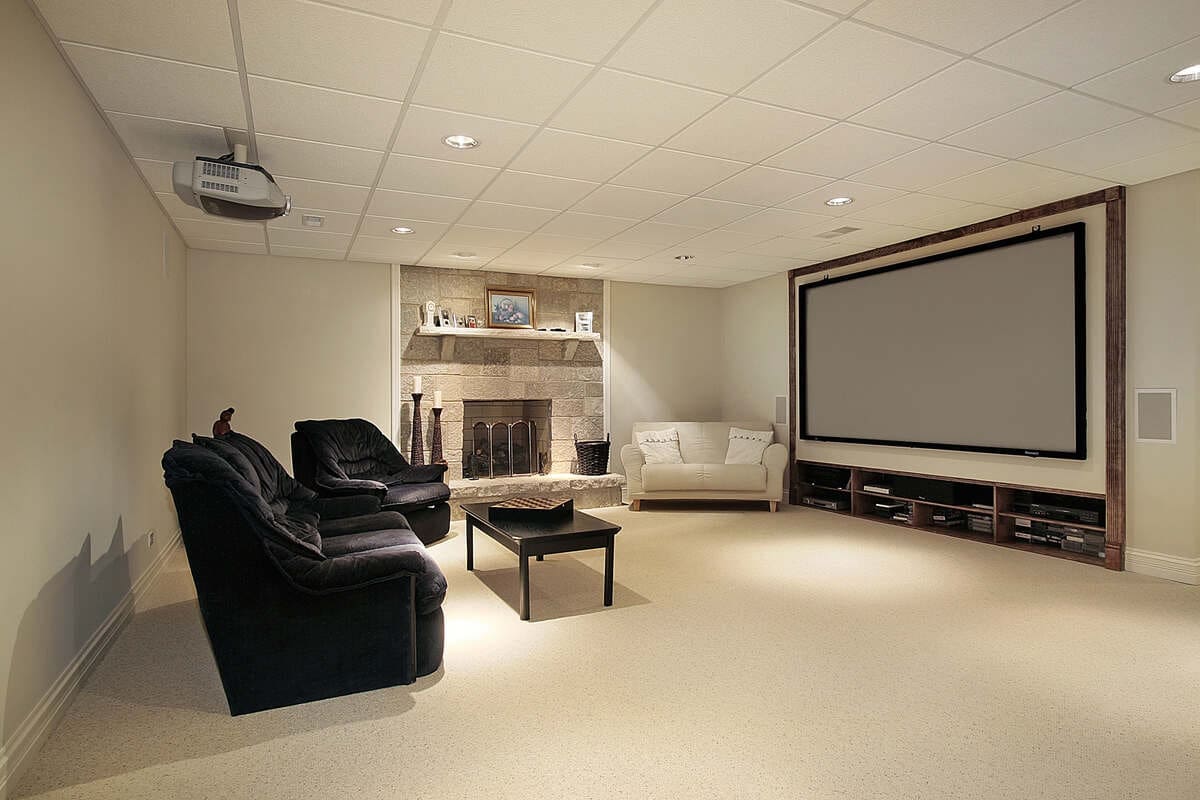
Look at plug locations, designated circuits for your sump pump and dehumidifier and if a home theatre is planned, arrange the necessary plug groups.
4. Floor Plan
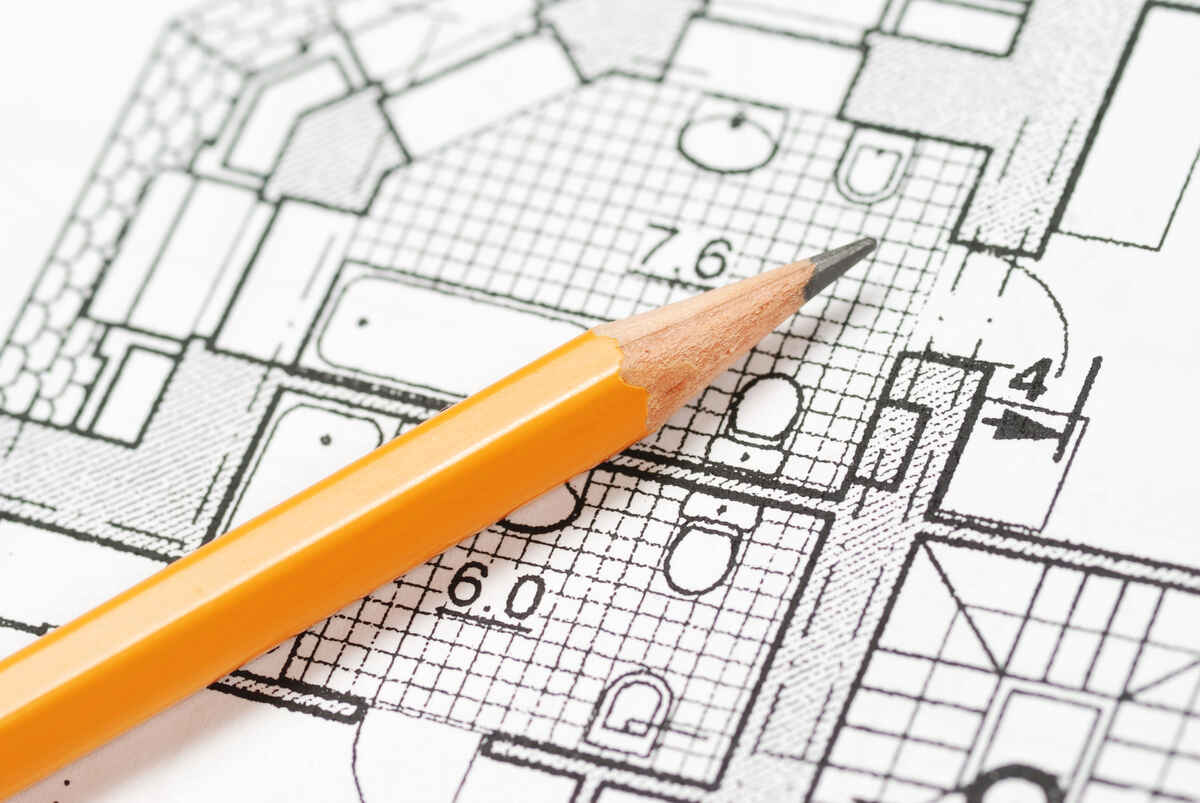
Step four is drawing up an accurate floor plan and taking the time to accurately measure, including any additions or bathroom upgrades. If you plan a bedroom, make sure the required window is large enough. Most jurisdictions have minimum sizes for means of egress in a basement window in case of a fire. Lastly, make sure your basement walls are clean and dry.
5. Insulation
The next step is insulating your basement walls and from here on in, I am going to suggest a method that I have used and where other trades I trust have had similar, long-term success. I do not recommend any manner of batt insulation, I have seen far too many basements with damp (or simply wet) batt insulation after soaking up the foundation dampness.
There are two kinds of rigid foam insulation I have used: polyiso (also called iso-board) and XPS board. Both are good, but I prefer polyiso because it’s easier to work with, cuts cleaner and has a lower environmental impact due to blowing agents with reduced ozone depletion potential. I recommend a minimum of 2.5-inch thickness which will give you an R factor of around 15. Any of the recognized brands of polyurethane construction adhesive will work to apply the foam board directly to your basement walls.
One tip, apply the adhesive liberally and have the beads of adhesive applied vertically on the foam board. If you ever get any dampness from your foundation, this will allow the dampness to drain to the french drain system. Measure and cut the rigid board to fit about 2 inches above the floor, overlapping the drain dimple wall that is attached to the wall. Using some 2x4s, brace the foam board to the wall and allow it to set for the entire manufacturer’s recommended set time. Tape all the joints and the edges around the windows with blue tuck-tape.
6. Wall Framing
Next up on the list is installing all your wall framing and here my main recommendation is to use a pressure treated 2×4 as your base plate. Underneath this base plate, lay heavy plastic on the floor and staple up the walls about a foot. Now your electrical has structure to install it to, adding any media cables and any plumbing or duct work can be fitted in the walls as needed.
Consider blocking in the walls where your TV may be going. There are a number of brands of mould-resistant drywall and I would recommend you do your entire basement with this kind of drywall. The better brands also have some sound absorption too.
7. Subfloor
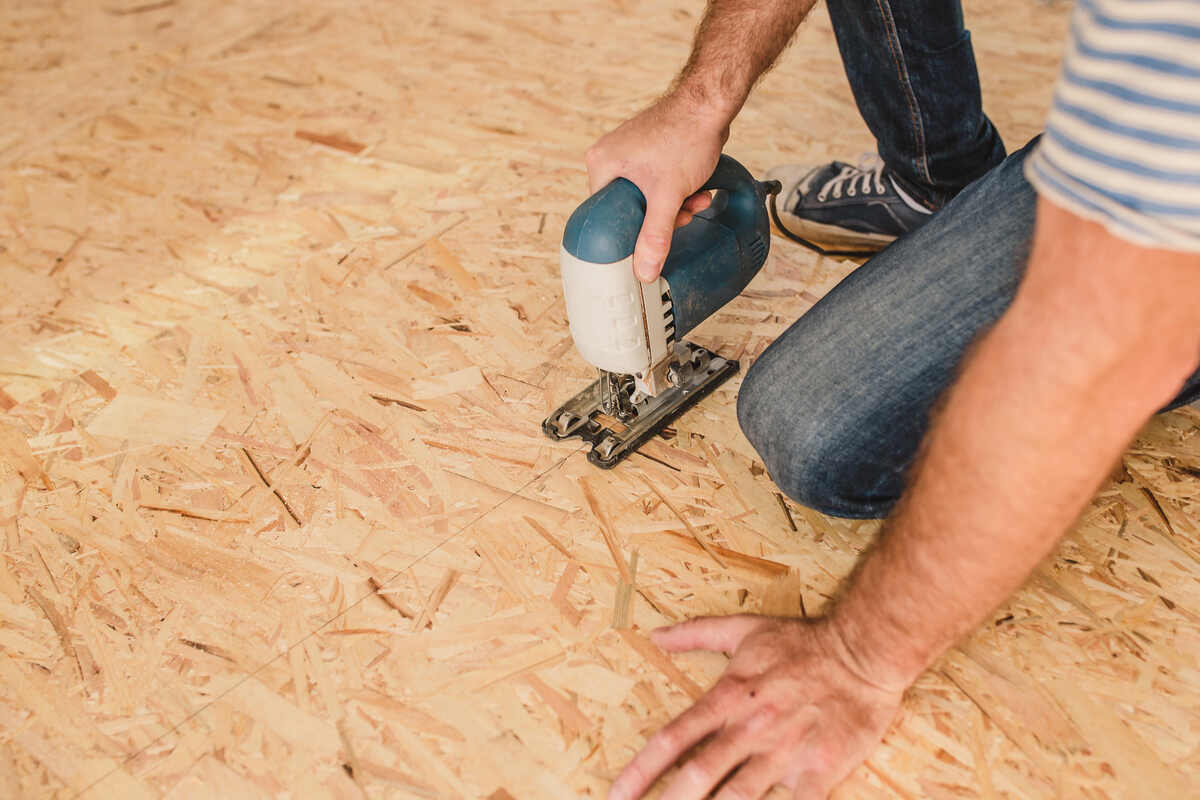
Number seven on the list is a subfloor and I have lost count of the clients who have thanked me for “sticking to my guns” and getting them to put down a subfloor. While there are numerous brands on the market I admit to a preference for Dri-Core.
These are 2 foot square, tongue and groove “tiles” with an OSB (Oriented Strand Board) top and either a high-density plastic or an XPS foam bottom. The XPS has nearly double the insulation, going from R1.4 with the plastic to R2.7 with the XPS foam. The XPS foam tiles are, on average, about $1.50 more per tile. These tiles have an air gap in the bottom allowing warm air flow that protects against moisture and mildew. You can install most types of finished floors other than Luxury Vinyl over this type of subfloor. You will be amazed how warm your floor will be.
8. Radiant Floor Heating
Nothing is more frustrating than a basement where the floor area is cool. So my recommendation, if budget allows, is installing electric radiant floor mats. It is a labour intensive installation as each dri-core tile must be attached to your concrete floor with 5 concrete screws. Then you install the radiant mats – I have used a number of types with no real favourite. Follow the manufacturer’s installation for fitting, attaching to the subfloor and then seal the subfloor.
The last step is a thin layer of self levelling underlayment. This is a powder mix type of cement that will give you a nice smooth, level floor for your final floor. One tip here, follow the manufacturers mix recommendations especially with the amount of water in the mix.
There is nothing wrong with using your forced air system provided the furnace has the capacity to handle heating your new basement. By adding professionally installed supply and return ducting in the wall at the floor it can make a basement quite comfortable. Foil tape every joint in the ducting. This step should be done when your framing is open for access to install the ducting.
9. Dehumidification
Every basement should have a portable dehumidifier and this is one appliance where you get what you pay for. Look for one with a digital climate control and the capacity to pump the condensation vertically as well as horizontally so you are not limited as to where you can locate the drain line to discharge at the sump pit.
Check the sones rating as some of these units are noisy and can be annoying to listen to. A frost sensor is a nice feature that shuts the unit off before any ice crystals can form on the coil.
Take your time, plan and design the basement before you lift a hammer, then you will not get caught with the “I wish I had planned for that!!”
Have a Home Renovation Question?
Write it down below and we’ll get back to you. All questions get answered – every week, we’ll select one for publication in the column.
Images from Depositphotos