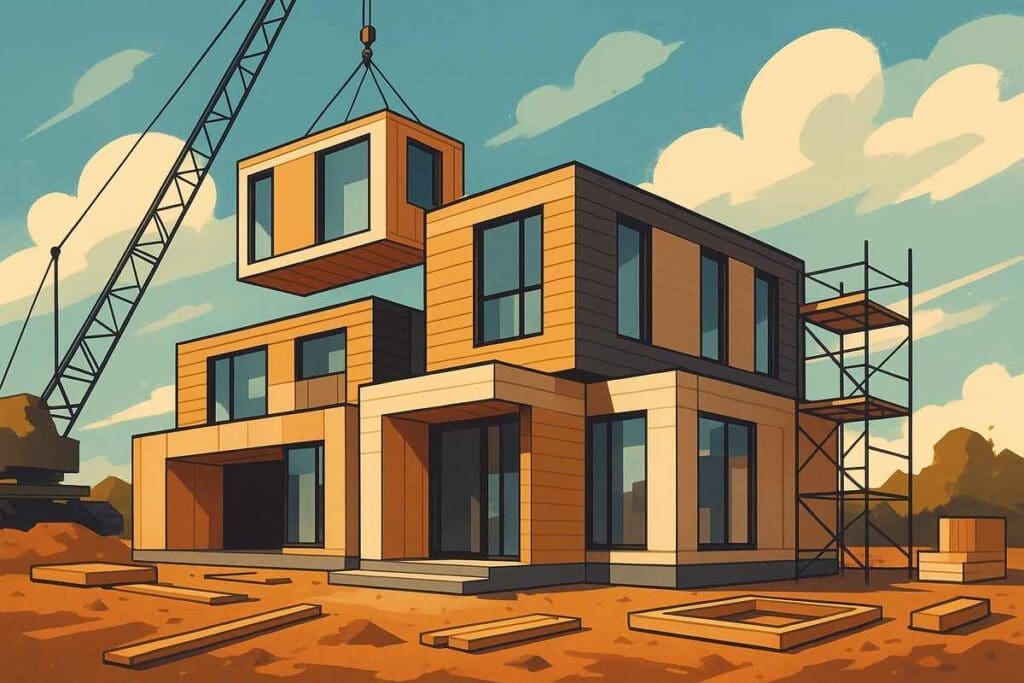
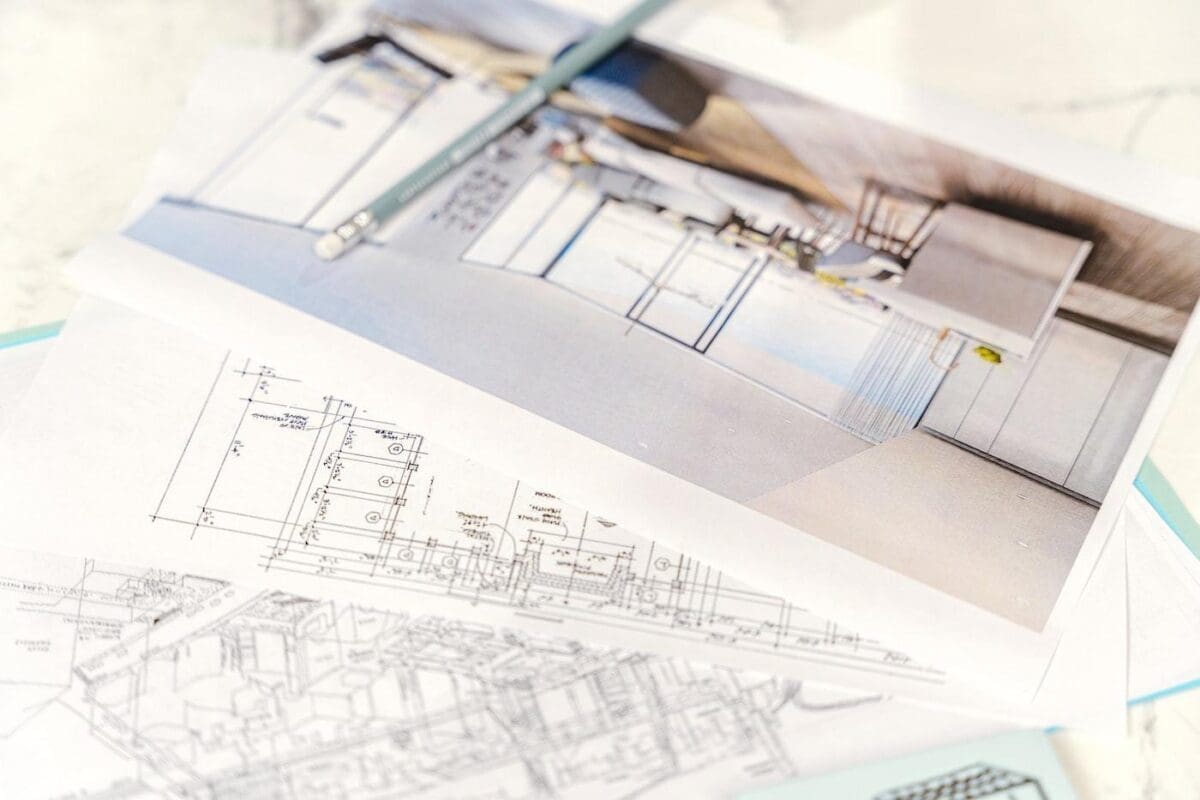
Are you planning to build a new home or office? If so, planning for sustainability before you start construction is essential.
There are many things to consider, such as the materials you will use and how the building will be heated and cooled. This blog post discusses some of the most critical aspects of sustainable construction.
By planning, you can ensure that your new building will be environmentally friendly and energy-efficient.
Select Suitable Materials
It’s essential to select the most suitable materials for your building. Various green building products are available today that use sustainable materials, such as recycled steel and bamboo.
Recycled steel is a great choice, as it is both environmentally friendly and cost-effective. Bamboo is also an excellent option for flooring, panelling and other components of your building.
Additionally, you can opt for eco-friendly options such as cork and linoleum when selecting flooring materials. Cork can be sustainably harvested and is a renewable resource, while linoleum is a durable, low-maintenance material that comes from natural materials such as linseed.
If you’re working with a contractor, it will also help to have everything in writing to ensure that the contractor will use sustainable materials and adhere to green building standards.
Get the Green Building Project Checklist
Use this handy checklist on your next project to keep track of all the ways you can make your home more energy-efficient and sustainable.
A reputable provider of contract bonds suggests that you also consider involving a third party to inspect the building during and after construction. This way, you can ensure that the materials used meet green building standards.
Surety bonds can also help protect you if the contractor fails to deliver on their promises. For instance, if the contractor does not use sustainable materials, the surety bond will help you get compensated for any damages or losses.
Design for Energy Efficiency
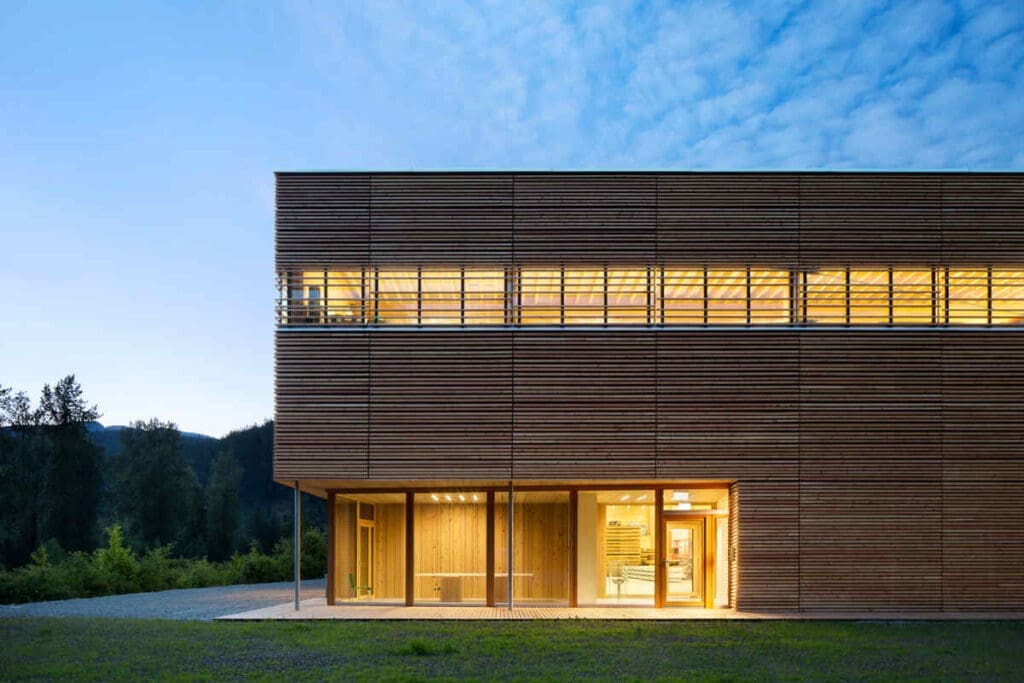
The design of the building is just as important as the materials used. You should consider features such as natural lighting and passive cooling systems that help reduce electricity costs.
Natural lighting can be achieved by utilizing large windows, skylights and other openings that allow sunlight to enter the building. This will help reduce the need for artificial lighting and keep your energy costs low.
Passive cooling systems, such as rooftop gardens and green roofs, can also help keep your building cool during the hot summer. Additionally, you should ensure that the building is properly insulated to reduce heat transfer.
Additionally, you may want to install a renewable energy system, such as solar panels or geothermal heat pumps.
Solar panels can help you generate electricity and reduce your reliance on the grid. Geothermal heat pumps are an efficient way to keep the building warm during winter and cool in summer, as they use thermal energy from the ground.
Choose Energy-Efficient Appliances
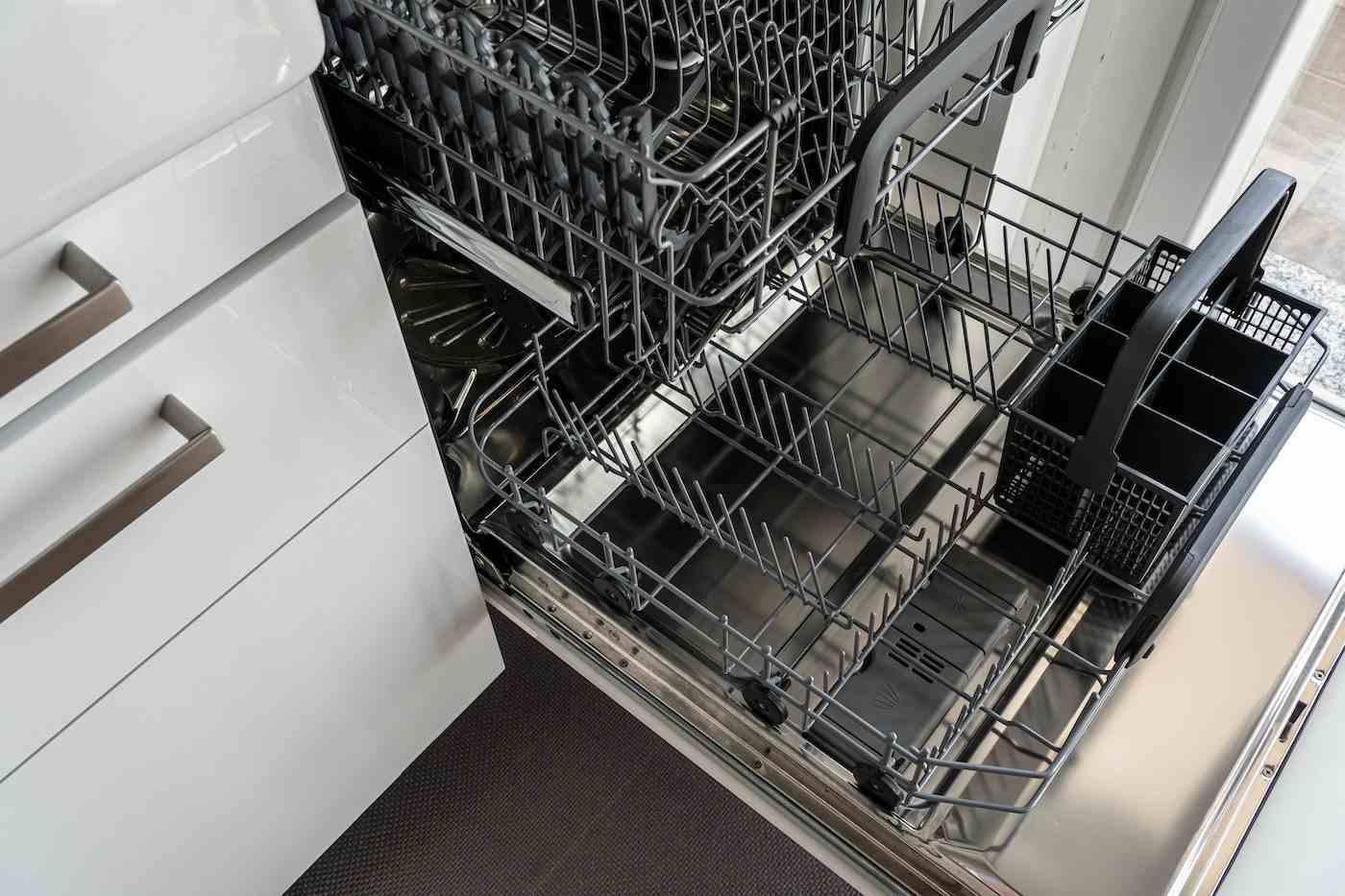
When building a new home or office, choosing energy-efficient appliances is vital. This will help reduce your energy costs and lower your carbon footprint. Look for appliances with the Energy Star label, which indicates that they meet strict efficiency standards.
Additionally, look for appliances with the latest energy-saving features, such as LED lighting and more efficient heating systems. LED lights use less energy than traditional bulbs and last longer. Heating systems such as electric heat pumps are also more efficient than fossil fuel-burning systems.
Plan for Efficient Water Usage
Plan for efficient water usage by installing low-flow toilets and showers, rainwater collection systems and water-efficient fixtures. Low-flow toilets and showers use less water than conventional ones, while rainwater collection systems can help you collect and reuse runoff from storms.
You should also consider collecting and reusing greywater from washing machines, dishwashers and other appliances if possible. You can connect your home’s plumbing to a greywater recycling system. This entails setting up a series of tanks and pipes that capture, clean, and store the used water for reuse.
Additionally, installing water-efficient appliances and fixtures can help reduce water consumption significantly and make for a more cost-effective option in the long run.
Consider Going Off-Grid
There is also the option to build an off-grid house, which does not rely on the electrical grid for power. Off-grid homes use renewable energy sources such as solar panels, geothermal energy or wind turbines to generate their electricity. This is a great option to reduce your carbon footprint and live more sustainably.
Depending on the province or territory you live in, you can make money from this by selling the excess energy you generate back to the grid. However, it is essential to note that building an off-grid home is complex and requires careful planning and the right equipment.
Additionally, you need to research your local building codes to ensure that your off-grid house meets all the necessary regulations.
For instance, the first step you need to follow is to determine the size of your house and its energy needs. You then need to calculate how much solar or wind power you need to generate enough electricity for your home.
Adding battery storage to your system is essential for large households, as it allows you to store the energy generated by solar panels or wind turbines for later use.
You will also need to consider which appliances and fixtures will be compatible with off-grid living. After that, you can purchase the equipment required for generating off-grid electricity and install it on your property. Finally, you must connect all the components of your off-grid system and maintain it regularly.
All these steps require careful planning and the knowledge of an experienced professional.
Conclusion
By planning, you can ensure that your new building is as sustainable and energy-efficient as possible.
Ensure that you hire a contractor with experience working with green building materials and technologies. By researching and selecting the right team for the job, you can ensure that your new building is as energy efficient and environmentally friendly as you want it to be.
With suitable materials, design, and appliances in place, your building will be a great example of sustainable construction.
Taking the time to select suitable materials, design for energy efficiency, and plan for water usage can help you create a building that is both environmentally friendly and cost-effective.
With careful planning and suitable materials, you can have an eco-friendly building perfect for your needs.
Feature image: Antoni Shkraba production; Image 1: Castorly Stock