
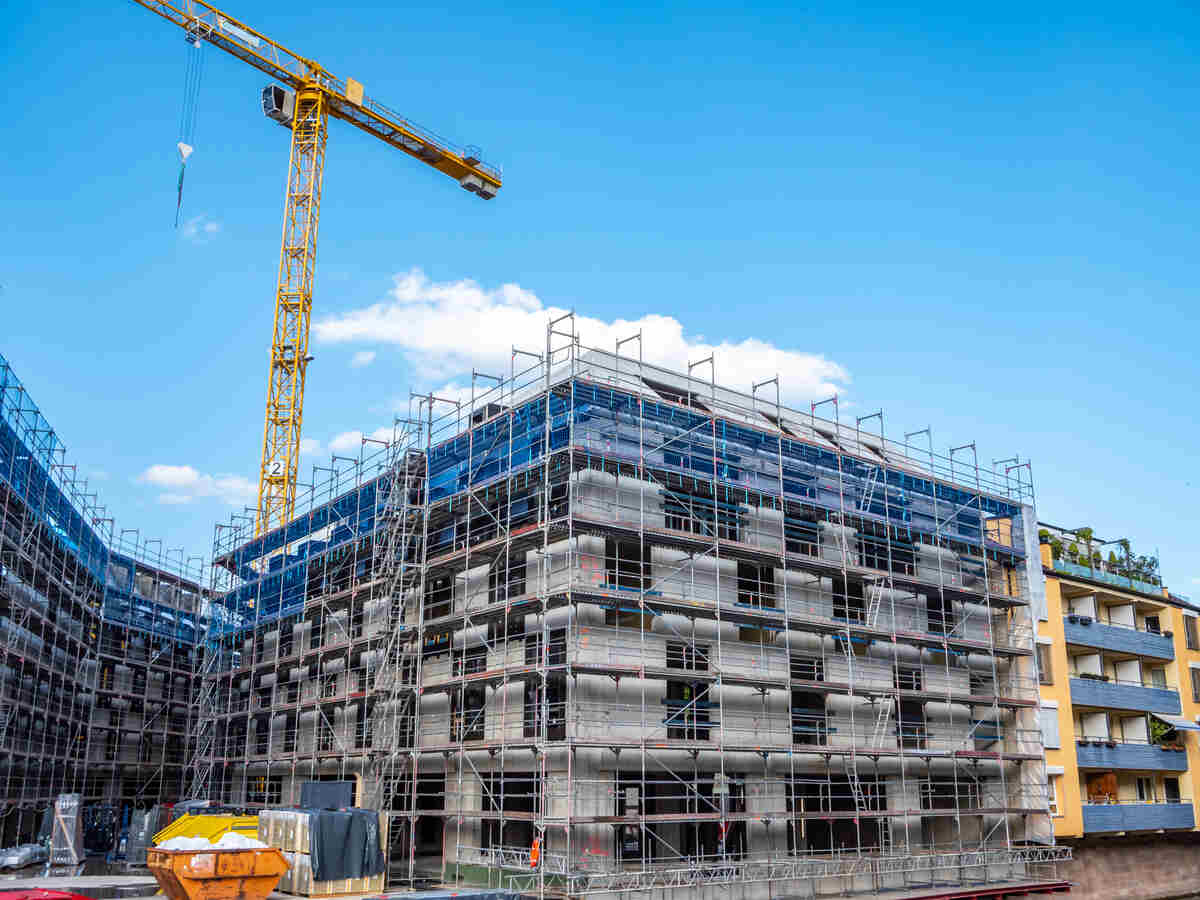
Sustainable construction projects demand precision, collaboration and focus on environmental performance. Whether striving for LEED certification, implementing renewable energy systems or designing a net-zero energy building, success hinges on having the right expertise guiding your team. Enter the Owner’s Engineer (OE). They represent the project owner’s interests in green building and other large-scale construction and infrastructure projects, focusing exclusively on optimizing project outcomes.
Let’s explore why this specialized role is essential, the scenarios where they are best suited, and the advantages of having one on a project.
What is an Owner’s Engineer?
An Owner’s Engineer (OE) is a professional or team hired by a project owner to represent their interests during a project’s planning, design and construction phases. They work on large-scale commercial, industrial and infrastructure projects, like transportation systems and are common in renewable energy projects like large-scale wind and solar generation.
What Does an OE Do?
An Owner’s Engineer (OE) ensures projects meet the owner’s quality, budget and schedule goals by providing technical oversight and bridging communication between owners and contractors. They verify designs, optimize plans for efficiency and cost-effectiveness and address potential issues before or during construction to prevent future challenges for management or maintenance.
OEs also manage risks by identifying and mitigating technical, financial and regulatory concerns. At project completion, they validate systems, oversee handovers and ensure a seamless transition to operations, aligning technical complexities with the owner’s strategic priorities.
Get the Green Building Project Checklist
Use this handy checklist on your next project to keep track of all the ways you can make your home more energy-efficient and sustainable.
6 Reasons to Have an OE on Your Project
1. Owner Advocacy
Owner’s Engineers focus on the owner’s objectives, providing impartial advice on critical decisions to ensure the project meets cost, schedule and quality expectations. In contrast, a general contractor or design-build firm may prioritize their profit motives over the owner’s needs.
2. Technical Oversight
By analyzing designs, materials and construction methods on complex and innovative projects, an Owner’s Engineer acts as a second pair of eyes to catch errors or inefficiencies, potentially saving millions in change orders or rework. Technical oversight is significant with sustainable building projects, where an OE must provide knowledge of green building and sustainability practices and ensure compliance with environmental regulations and green standards.
3. Cost Efficiency
An Owner’s Engineer optimizes designs, negotiates contracts and identifies cost-saving opportunities to deliver substantial financial benefits for large-scale projects. They ensure contractors don’t cut corners and the owner doesn’t overpay for services or materials.
4. Thorough Risk Management
Building projects face numerous risks, including regulatory challenges, design flaws and unforeseen construction delays. An OE can identify risks early, offer mitigation strategies and ensure compliance with industry regulations and standards.
5. Improved Communication
Large projects often involve multiple stakeholders, like architects, engineers, contractors, suppliers and regulators. An Owner’s Engineer acts as an intermediary between all parties, streamlining communication to ensure alignment with the project goals.
6. Project Accountability
Since the OE reports directly to the owner, they provide a layer of accountability often missing in traditional contracting arrangements by ensuring contractors meet their obligations, complete deliverables on time and stick to budgets. With green infrastructure projects, an OE ensures that the energy efficiency and renewable systems under construction will perform as intended.
4 Considerations Before Hiring an Owner’s Engineer
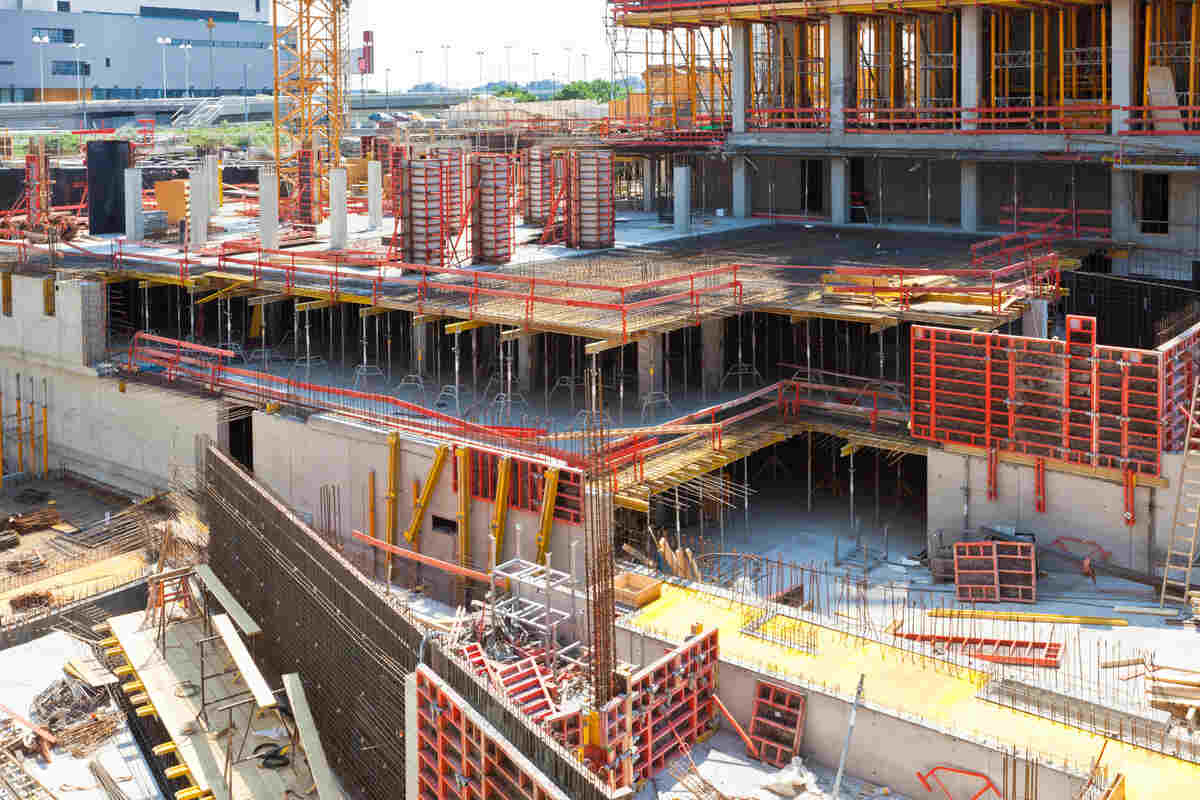
While hiring an Owner’s Engineers can provide significant benefits to a project, it is vital to consider the following.
1. Added Cost
Hiring an OE can be expensive and will add to the overall cost. Depending on the size and scope of the project, hiring an OE may not be cost-effective.
2. Conflict and Overlapping Roles
Conflicts can arise between OEs and contractors if roles and responsibilities are unclear. Without clear boundaries, overlapping roles between an OE and other consultants may lead to confusion and inefficiencies.
3. Gauging Expertise
The OE’s effectiveness hinges on their expertise. Choosing the wrong OE can lead to suboptimal results.
4. Dependency
Over-reliance on an OE can lead to a lack of internal capability development within the owner’s organization.
The Right People for the Project
An Owner’s Engineer can provide significant advantages in navigating the complexities of green construction and infrastructure projects. While they may add an extra layer of cost on top of hiring construction companies to handle the project, their ability to advocate for the owner’s interests, optimize project outcomes and manage risks often justifies their value, particularly in large or highly technical endeavours.
Before proceeding with your next project, evaluate whether an Owner’s Engineer could be the guiding hand you need to succeed on time, within budget and to the highest quality standards. Their specialized expertise and acute focus on the owner’s goals make them essential in many scenarios where complexity and stakes run high.
Images from Depositphotos