
How to Choose the Right Dining Pod for Your Space
What to Know About Pod Types, Materials, Pricing and Year-Round Use

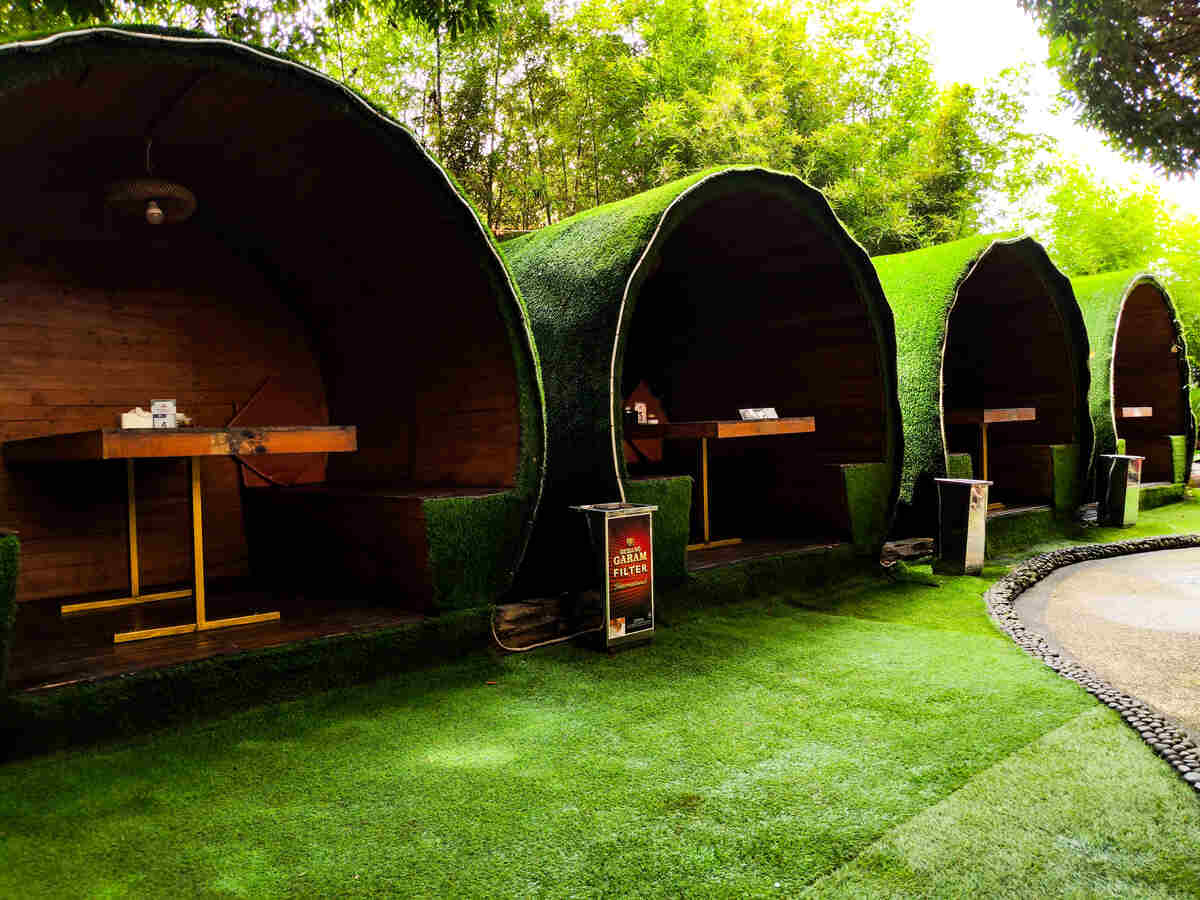
Dining pods, whether they’re for restaurants, event spaces or backyard dining, are one of the fastest-growing trends in outdoor dining and private entertainment. They offer privacy, weather protection and a memorable experience for guests. But with so many styles, features and price points on the market, choosing the right outdoor dining pod can feel overwhelming.
This guide breaks it all down, helping you understand the different types of pods, key features to consider, what to look for in materials and design, the pros and cons of different options and average pricing so you can decide with confidence.
What Is an Outdoor Dining Pod?
A dining pod is a self-contained structure designed to host people for outdoor meals and social experiences. Pods range from simple tents and igloos to elegant glass enclosures and permanent wooden/prefab structures. They can be mounted on decks, lawns, patios or commercial outdoor spaces.
Outdoor dining pods improve usability of outdoor space year-round, boost comfort and create distinctive areas that feel intimate and unique.
Types of Dining Pods
Get the Green Building Project Checklist
Use this handy checklist on your next project to keep track of all the ways you can make your home more energy-efficient and sustainable.
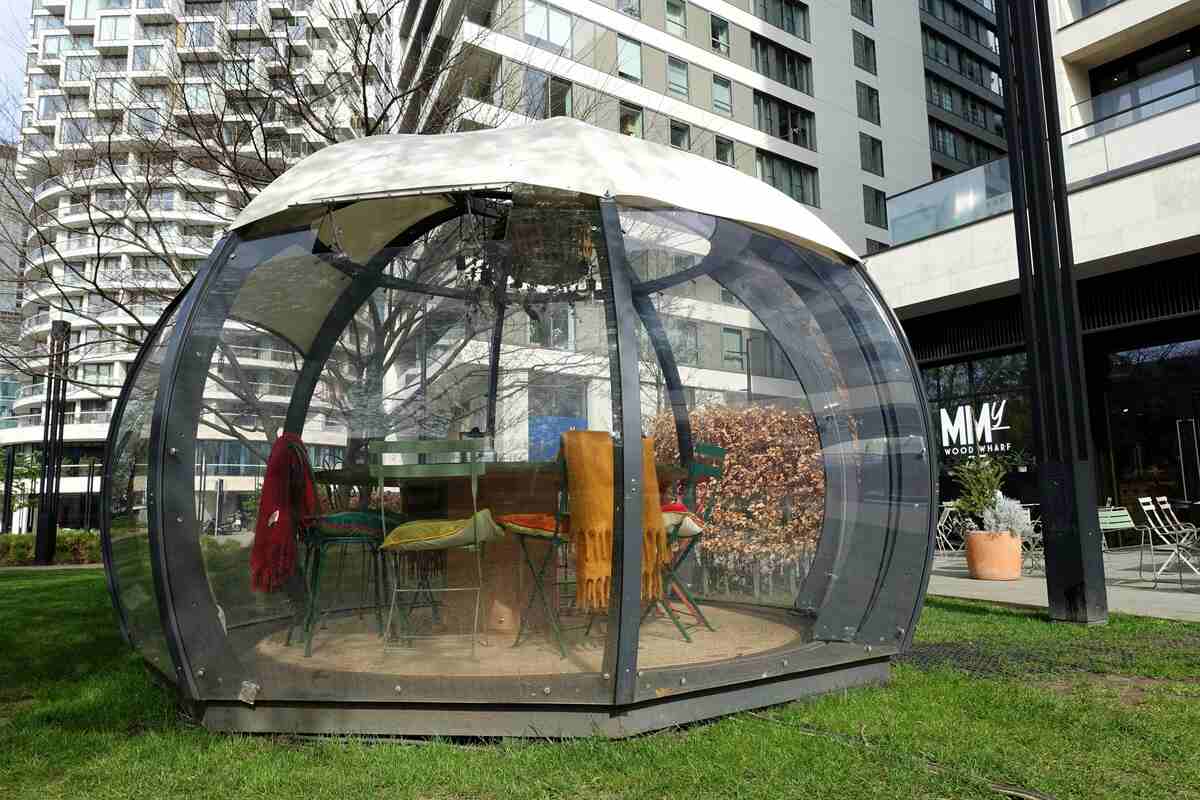
1. Inflatable or Transparent Bubble Pods
These are lightweight structures typically made from clear PVC or TPU membranes with a frame or air chambers. They are best suited for restaurants, event hosts and homeowners looking for novelty and all-weather visibility.
Features
- Transparent walls for panoramic views
- Inflatable or lightweight steel frames
- Often includes LED lighting, floor mat, ventilation
Pros
- Eye-catching and Instagrammable
- Quick to install and remove
- Good for small groups
Cons
- Less durable over long term
- Condensation and ventilation must be managed
- Not insulated for cold weather
Typical Price Range
$400 – $2,000 (depending on size and accessories)
2. Wooden or Prefab Pods
Solid wood pods are sturdier, often with insulated walls and integrated seating or lighting. They are also the more sustainable pick among these different types of pods. These are best for restaurants and hospitality businesses that want a long-term solution.
Features
- Insulated panels
- Glass doors and windows
- Integrated lighting and climate control options
Pros
- Sustainable option
- Durable and long-lasting
- Better insulation and comfort
- Customizable designs
Cons
- More expensive
- Requires more installation effort
Typical Price Range
$5,000 – $15,000+ (depending on size, materials, and features)
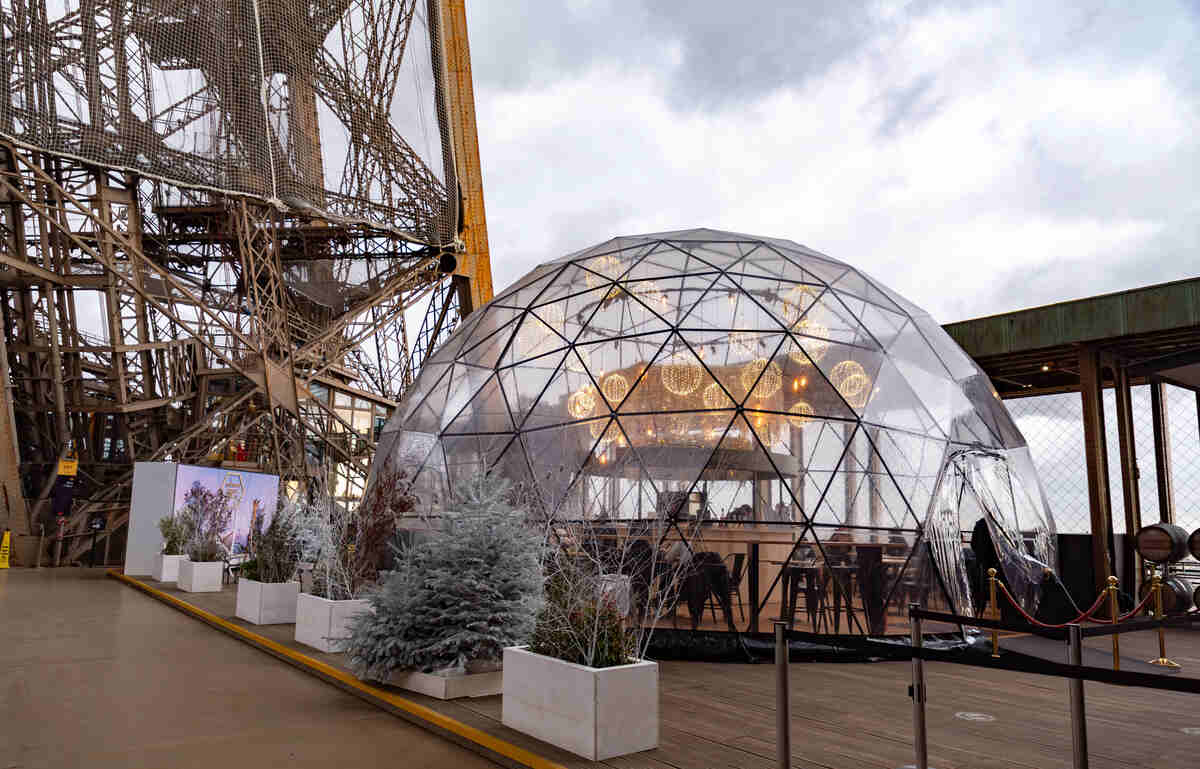
3. Dome and Geodesic Pods
These geometric structures can be made from wood, metal or high-grade plastic. They often offer high ceilings and modern aesthetics that gives them a stunning look.
Features
- Geometric shape for structural strength
- Options for skylights
- Can include built-in seating and utilities
Pros
- Unique architectural look
- Strong structural stability
- Good acoustic properties
Cons
- Higher cost per square foot
- Complex custom options can push price up
Typical Price Range
$3,000 – $20,000+
4. Canopy or Tent-Style Pods
These are more like structured tents. They are generally used in seasonal settings or temporary installations, making them an ideal fit for seasonal restaurants, pop-ups and events.
Features
- Fabric roof and walls
- Zippable panels
- Portable and modular
Pros
- Budget-friendly
- Easy to set up and reposition
- Good for short-term use
Cons
- Less insulation
- Shorter lifespan than hard shells
Typical Price Range
$500 – $3,000
Dining Pod Comparison Chart
| Pod Type | Pros | Cons | Average Price |
|---|---|---|---|
| Inflatable / Bubble Pods | Affordable, visually appealing, lightweight and portable | Less durable materials, harder to insulate, temperature control can be tricky | $400 – $2,000 |
| Canopy / Tent Pods | Budget-friendly, flexible, easy to move or store | Shorter lifespan, weaker insulation, not ideal for harsh weather | $500 – $3,000 |
| Geodesic / Dome Pods | Strong structure, modern design, customizable, good wind resistance | Higher cost, more complex assembly, may require anchoring | $3,000 – $20,000+ |
| Wood / Prefab Insulated Pods | Highly durable, comfortable year-round, best weather protection | Higher upfront cost, professional installation often needed | $5,000 – $15,000+ |
Key Features to Look For
Choosing the right dining pod requires balancing function, comfort, budget and long-term durability.
Size & Seating Capacity
One of the first considerations is size and seating capacity. Think carefully about how many people you want the pod to accommodate and how much space each guest will realistically need. Pods range from intimate two-to-four-person setups to larger enclosures that can seat eight, ten or more.
Beyond just fitting chairs around a table, you’ll want to allow for comfortable spacing, proper table size and enough room so guests don’t feel cramped. For restaurants, mid-sized pods that seat four to six people tend to be the most versatile and profitable, while private homeowners often prefer smaller pods that create a cozy, personal dining space.
Material & Weather Performance
Material choice plays a major role in both durability and comfort. Transparent PVC or TPU materials, commonly used in bubble-style pods, offer striking visibility and a memorable aesthetic, but they are more vulnerable to UV degradation over time.
Insulated panel systems made from wood or metal provide much better temperature control and are well suited for year-round use, especially in colder climates. Fabric canopy pods are usually the most budget-friendly option, but they are less resilient when exposed to strong winds or heavy snow. Regardless of style, it’s important to check UV resistance, waterproof ratings and wind tolerance before making a purchase.
Ventilation and Climate Control
Ventilation and climate control are equally important, as enclosed dining spaces can quickly become uncomfortable without proper airflow. Good ventilation helps prevent condensation buildup, overheating on sunny days and general stuffiness. Features such as roof vents, window vents and mesh panels can dramatically improve comfort. Some pods are also designed to work with portable heaters or fans, while higher-end models may include built-in HVAC compatibility or pre-installed wiring for heating and lighting systems.
Lighting and Amenities
Lighting and additional amenities can turn a simple shelter into an inviting, memorable environment. Integrated LED lighting enhances evening use and atmosphere, while interior electrical outlets allow for added conveniences such as small heaters, charging stations or decorative features. Some modern pods even support Bluetooth speakers or mounted media systems, helping transform the pod from a functional structure into a full experience for guests.
Portability vs. Permanence
Another major consideration is whether you want portability or permanence. Some buyers need a pod that can be moved, stored or reconfigured seasonally, while others are investing in a long-term installation. Inflatable and tent-style pods are generally lightweight and portable, making them ideal for temporary setups or changing layouts. In contrast, wooden, prefab and geodesic dome pods are heavier and more permanent, often requiring more involved installation but providing greater durability and year-round usability.
Average Price of Dining Pods
Costs for dining pods vary widely depending on size, materials, climate features and brand reputation.
Inflatable or bubble pods typically range from about $400 to $2,000, making them one of the most accessible options. Canopy or tent-style pods often fall between $500 and $3,000, depending on size and frame quality. Dome or geodesic pods usually start around $3,000 and can exceed $20,000 for larger or more customized installations. Wooden or prefab insulated pods generally range from $5,000 to $15,000 or more.
On top of the pod itself, professional installation can add another $500 to $3,000 or beyond, particularly if site preparation, decking or utility connections are required.
How to Choose the Right Dining Pod
The first step in choosing the right dining pod is defining its purpose. A pod intended for a busy restaurant patio has very different requirements than one designed for a private backyard or occasional events. Commercial settings often prioritize durability, weather resistance and year-round comfort, while residential buyers may focus more on aesthetics, flexibility and budget.
Establishing a realistic budget early in the process is essential, as prices increase quickly once you move beyond basic models. Lower budgets under $2,000 typically limit you to portable or inflatable pods. Mid-range budgets between $2,000 and $8,000 open the door to sturdier domes or insulated canopy systems. Higher budgets above $8,000 allow for custom wooden or prefab structures with enhanced comfort and longevity. It’s important to factor in additional costs for installation, heating or cooling equipment, lighting and any electrical work.
Climate should also guide your decision. In regions with cold winters, heavy rain or snow, insulated hard-shell pods are often worth the higher upfront cost because they extend usability throughout the year. In milder climates, a tent or lightweight dome structure may provide sufficient protection without the added expense of full insulation.
Warranty coverage and manufacturer support are often overlooked but can make a significant difference over time. Reputable suppliers commonly offer material warranties that range from one to five years, along with access to replacement parts and installation guidance. Strong support helps protect your investment and ensures the pod remains functional and safe.
Finally, it’s important to review local building codes and regulations. Some dining pods, especially permanent structures, may require permits or need to meet specific safety standards. This is particularly relevant for commercial installations, where compliance with local regulations is essential.
Images from Depositphotos