
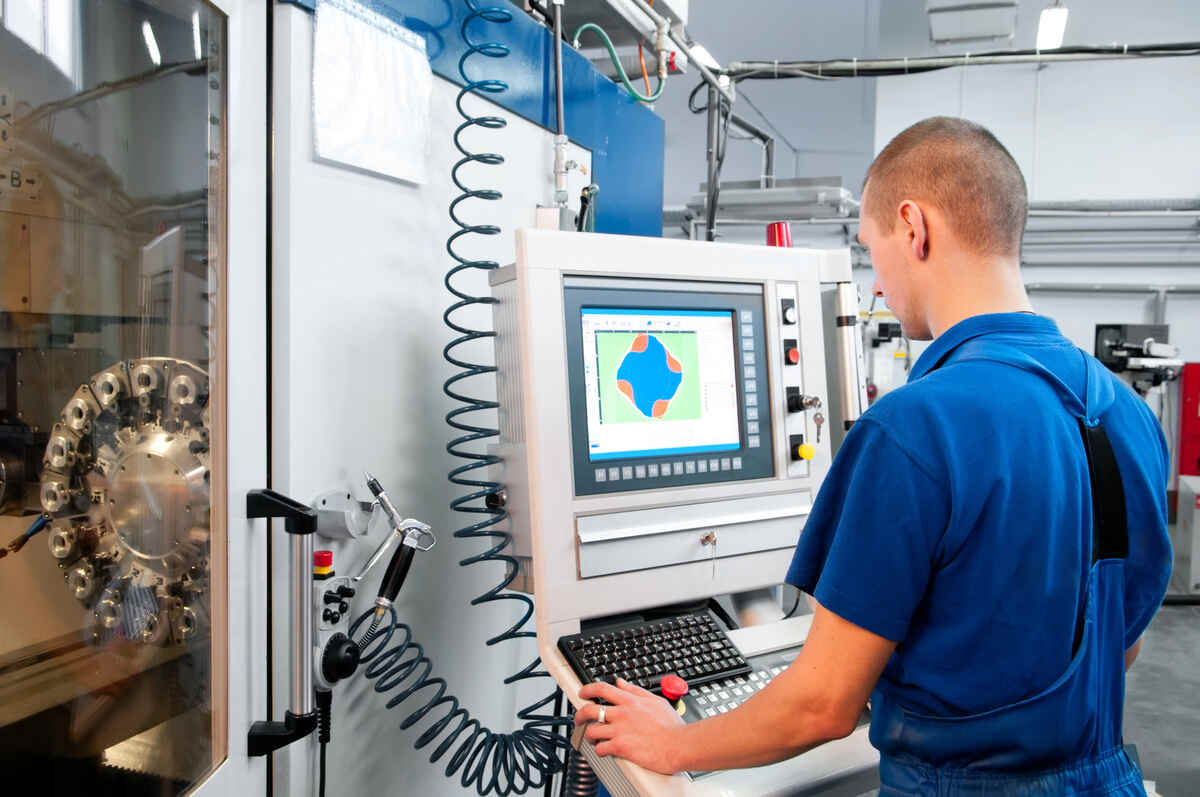
Managing facility operations is a complex but essential task for any industrial or commercial enterprise. From overseeing personnel and equipment to ensuring a seamless supply chain, every aspect of operations must be carefully orchestrated to maintain efficiency and productivity. Without a strategic approach, businesses risk inefficiencies, delays and costly disruptions.
Understanding Facility Operations
Facility operations encompass a wide range of responsibilities, including staffing, equipment maintenance, supply chain management and overall efficiency optimization. Effective facility management ensures that every component of the business functions smoothly, allowing operations to meet demands without unnecessary delays or resource waste.
A structured approach to managing facility operations can significantly enhance a business’s ability to scale and adapt to market fluctuations. Without a clear plan, companies may struggle to balance operational demands, leading to downtime, increased costs and employee dissatisfaction.
Key Aspects of Effective Facility Operations
1. Staff Management and Workplace Efficiency
One of the most critical components of facility operations is workforce management. Ensuring that the right personnel are in the right roles at the right time improves efficiency and morale. This involves recruiting skilled employees with relevant experience, providing ongoing training and professional development, implementing clear communication channels between management and staff and fostering a positive work environment to reduce turnover.
A well-managed workforce contributes to increased productivity, fewer errors, and a safer work environment, ultimately benefiting the entire operation.

Get the Green Building Project Checklist
Use this handy checklist on your next project to keep track of all the ways you can make your home more energy-efficient and sustainable.
2. Equipment Maintenance and Reliability
Equipment is the backbone of any industrial facility, and its maintenance is paramount to preventing costly downtime. Regular maintenance strategies include preventive maintenance (scheduled servicing to avoid unexpected breakdowns); predictive maintenance (using data-driven insights to anticipate and prevent failures); reactive maintenance (addressing issues as they arise, though this should be minimized to prevent unplanned downtime).
By implementing a strong maintenance strategy, businesses can extend equipment lifespan, improve safety and enhance operational efficiency.
3. Supply Chain and Inventory Control
A well-structured supply chain ensures that production runs smoothly without unnecessary interruptions. Effective supply chain management includes inventory optimization (keeping the right balance of stock to prevent shortages or excess); supplier coordination (establishing reliable relationships to ensure timely deliveries); contingency planning (preparing for supply chain disruptions with alternative sourcing strategies).
Without proper supply chain oversight, even the most efficient operations can grind to a halt due to material shortages or logistical delays.
4. Cost Reduction and Efficiency Optimization
Optimizing facility operations is not just about keeping things running – it’s also about maximizing efficiency and cutting costs without sacrificing quality. This involves things like streamlining workflows to eliminate unnecessary steps, leveraging technology to automate repetitive tasks, reducing waste by improving material utilization and implementing energy-efficient practices to lower operational costs, which we’ll be covering in more detail below.
Efficiency optimization directly impacts profitability by lowering production costs while maintaining high output levels.
Enhancing Sustainability in Facility Operations

Optimizing facility operations for maximum efficiency isn’t just about reducing costs and improving performance – it’s also about making operations more sustainable. Facilities that integrate sustainable strategies can significantly lower energy consumption, minimize waste and reduce their environmental impact.
Key Strategies for Sustainable Facility Operations
Energy Efficiency Upgrades
- Implementing occupancy sensors, LED lighting and daylight harvesting can reduce electricity usage.
- Upgrading HVAC systems to high-efficiency models and integrating smart controls can optimize heating and cooling while minimizing energy waste.
- Investing in renewable energy sources, such as solar panels or wind power, can further reduce reliance on nonrenewable energy.
Water Conservation Measures
- Installing low-flow faucets, toilets and water-efficient irrigation systems can significantly cut water consumption.
- Implementing rainwater harvesting and greywater recycling systems can reduce dependence on municipal water supplies.
Waste Reduction and Recycling
- Adopting a zero-waste approach by implementing comprehensive recycling and composting programs can help facilities divert waste from landfills.
- Encouraging reusable materials and reducing single-use plastics in operations can further decrease environmental impact.
Sustainable Procurement and Materials
- Sourcing materials and supplies from sustainable vendors that prioritize eco-friendly, recycled or biodegradable products can reduce a facility’s carbon footprint.
- Choosing low-VOC (volatile organic compound) paints, finishes and cleaning products can improve indoor air quality while supporting sustainability.
Smart Building Technologies
- Using IoT (Internet of Things) sensors and AI-driven systems to monitor energy and resource usage in real time can identify inefficiencies and optimize performance.
- Implementing demand-response systems that adjust energy use based on occupancy and peak demand can lead to further savings.
Employee Engagement and Sustainability Initiatives
- Educating staff on energy conservation, waste reduction and sustainable practices encourages a culture of sustainability.
- Offering incentives for employees who carpool, bike or use public transportation can help reduce the facility’s overall carbon footprint.
A structured and flexible operations management strategy ensures that businesses can adapt to market changes, technological advancements and evolving customer demands while minimizing environmental impact.
By prioritizing key operational areas such as workforce management, equipment maintenance, supply chain logistics and cost optimization through a sustainability lens, businesses can enhance efficiency while reducing waste and energy consumption. Integrating eco-friendly practices, such as using renewable energy, optimizing resource utilization, and adopting circular economy principles, not only improves long-term profitability but also strengthens a company’s commitment to environmental responsibility.
Images from Depositphotos