
The federal Government of Canada just announced that it will invest more than $19 million into three clean energy projects in Nunavut. This was announced by federal Minister of Northern Affairs Dan Vandal and Sakku Investments president David Kakuktinniq.
Three Clean Energy Projects in Nunavut
Part of the funding will go towards a 1+ MW solar and battery clean energy storage facility located in Naujaat. This community relies entirely on diesel for all of its electricity, with diesel emitting great amounts of greenhouse gases when combusted.
The town will get roughly 30 percent of its electricity from this renewable energy source. Construction is set to begin this summer.
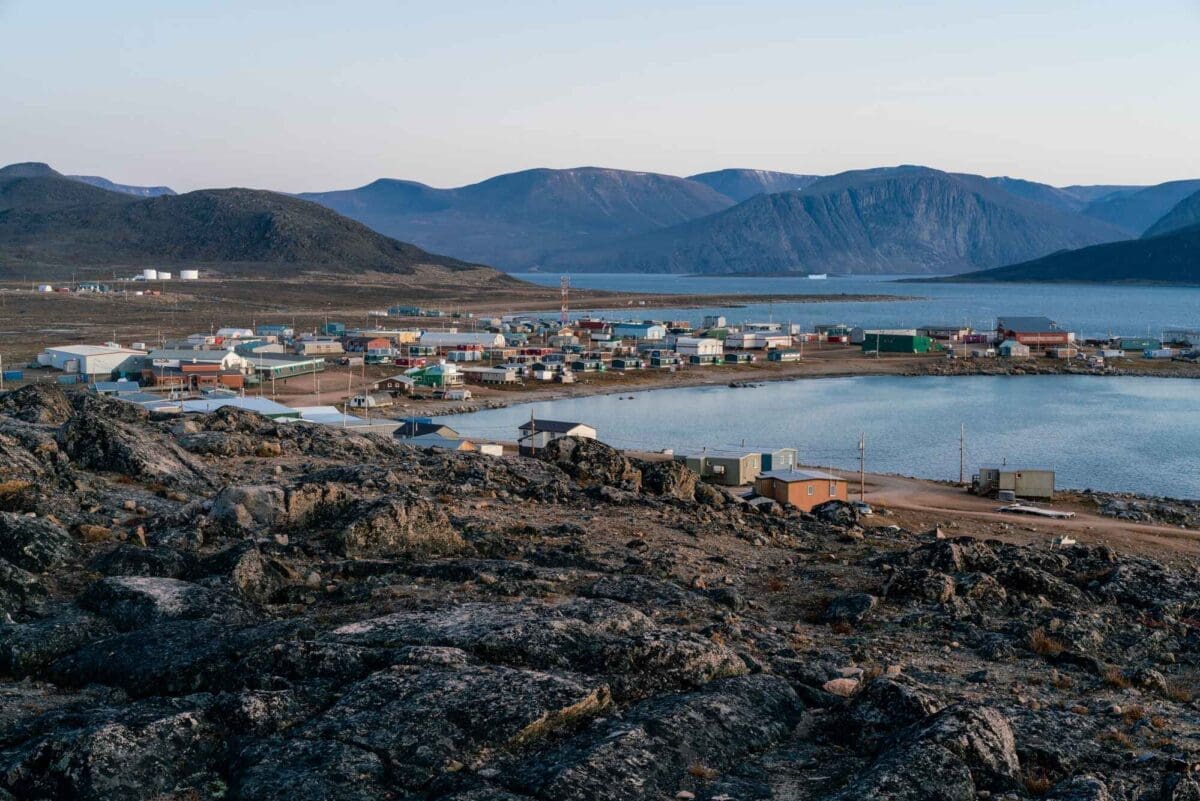
Next, a good deal of the funding will go towards early-stage work on three separate solar installations on buildings that are owned by Sakku Properties. This is a subsidiary of Sakku Investments Corp.
This will take place in Rankin Inlet, and the system will produce over 300 kilowatts of clean energy. This is predicted to reduce greenhouse gas and diesel emissions by more 178,000 kg per year and 56,000 litres per year, respectively. The systems are expected to be active by 2025.
Rankin Inlet and Baker Lake will also receive funding for wind energy development projects. This is also designed to reduce the community’s reliance on diesel and to produce more clean energy.

Get the Green Building Project Checklist
Use this handy checklist on your next project to keep track of all the ways you can make your home more energy-efficient and sustainable.
This project aims to incorporate traditional Inuit knowledge into community-driven wildlife studies for wind development projects in northern Canada, while also supporting capacity building, training, economic development and local labour.
“These Inuit-led and delivered initiatives will reduce pollution, save money and create good jobs in Nunavut,” said Dan Vandal. “They are crucial to tackling climate change and growing a clean energy economy in the North.”
Images from Depositphotos