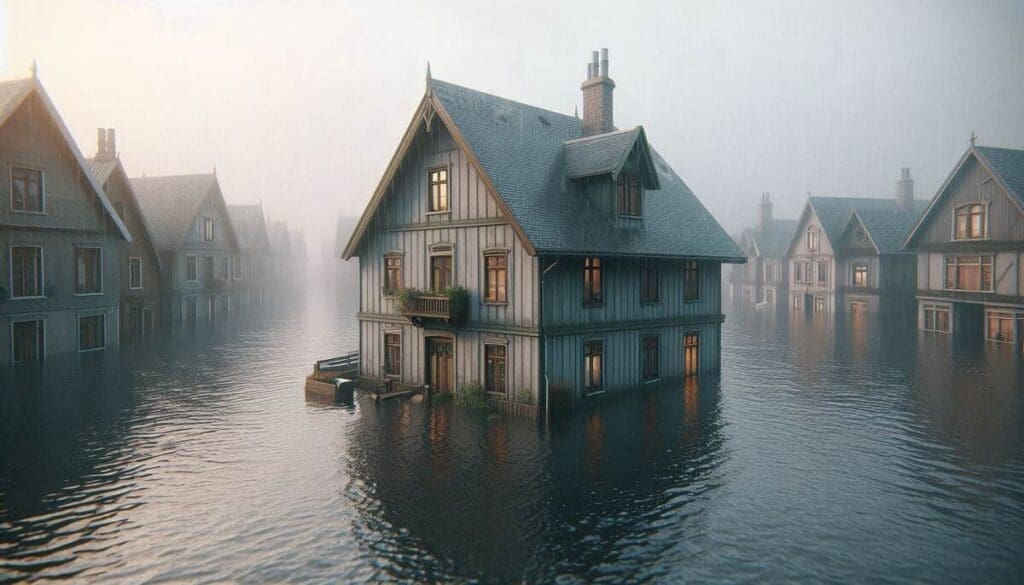
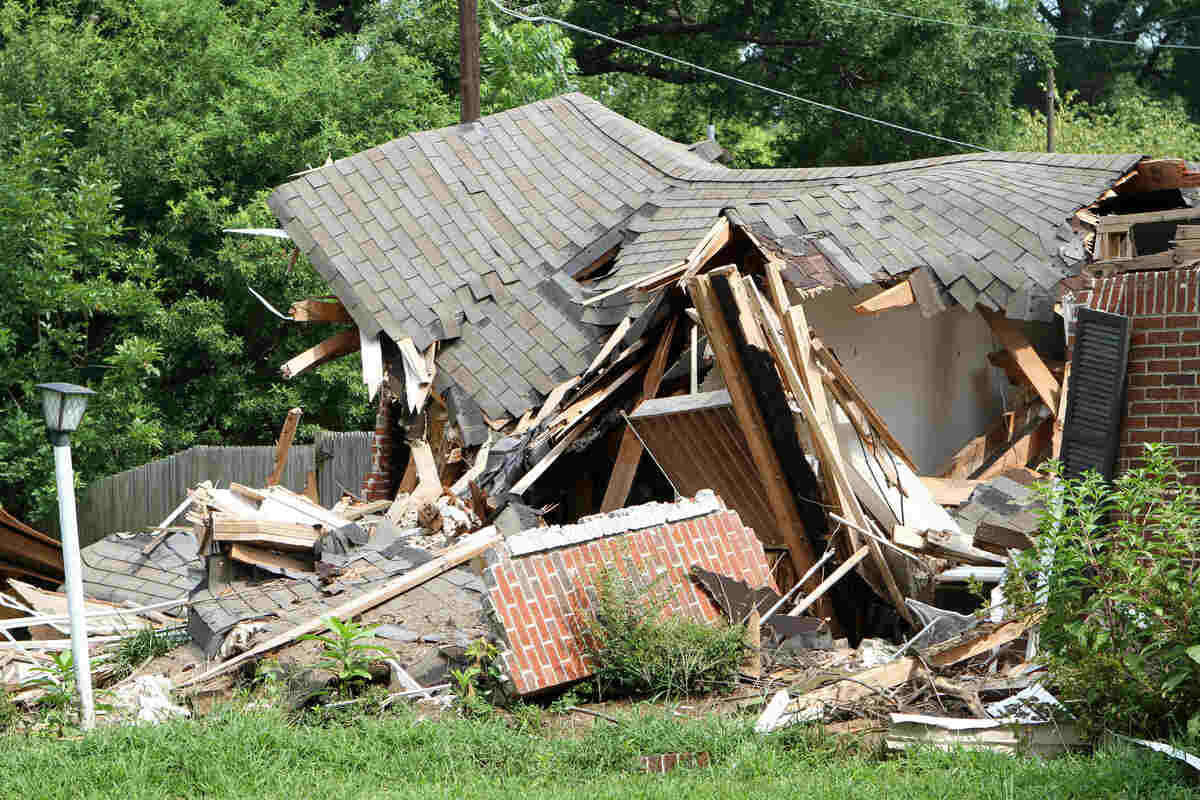
Due to the increasing frequency and intensity of natural disasters, survivors in disaster prone areas such as Puerto Rico, Hawaii and Florida have clear demands that they want to rebuild sustainable, resilient homes that are able to withstand natural disasters such as earthquakes, wildfires and hurricanes while also being environmentally friendly.
However, despite the growing desire for homes that can withstand future disasters such as earthquakes, wildfires and hurricanes while also being environmentally friendly, many encounter a large hurdle, this being misconceptions
A number of civil engineering and global affairs experts found that although many sustainable and resilient building practices are cost effective and affordable over a long period, there are misunderstandings about the initial costs and about the costs of sustainable construction in general.
Both homeowners and builders frequently overestimate the expenses of sustainable construction, hindering efforts to “build back better.” This prevents homeowners from building new sustainable homes that are storm-resistant. However, storm-resistant upgrades and features are closely related to sustainability; if homes are more resilient to extreme weather, they need to be rebuilt and repaired less, ultimately leading to less energy, money and resources being used.
Misconceptions Around Upfront Costs
After disasters, communities often face great pressure to rebuild quickly, which often leads to prioritizing short-term cost savings over long-term resilience. Building professionals may also unintentionally reinforce misconceptions that sustainable features such as airtight envelopes or heat pumps are more expensive than they are. This then leads to a widespread misunderstanding among homeowners in terms of the costs of rebuilding their homes in a sustainable and resilient manner.
Navigating the Bureaucracy
Get the Green Building Project Checklist
Use this handy checklist on your next project to keep track of all the ways you can make your home more energy-efficient and sustainable.
Rebuilding after a disaster is also an administrative issue, as homeowners must work with insurance providers and often seek government aid, while navigating local building regulations. Many people don’t explore sustainable options simply because they’re exhausted with bureaucracies.
Long approval times and complicated regulations often frustrate residents who are already feeling the effects of a recent disaster, leading them to choose options that are often not sustainable.
An example of a step forward is in Maui, where a third-party plan review system has reduced permit processing times from 400 down to just 15 days. This allows for faster building without compromising standards.
Rebuilding Sustainable Homes Can Be Affordable
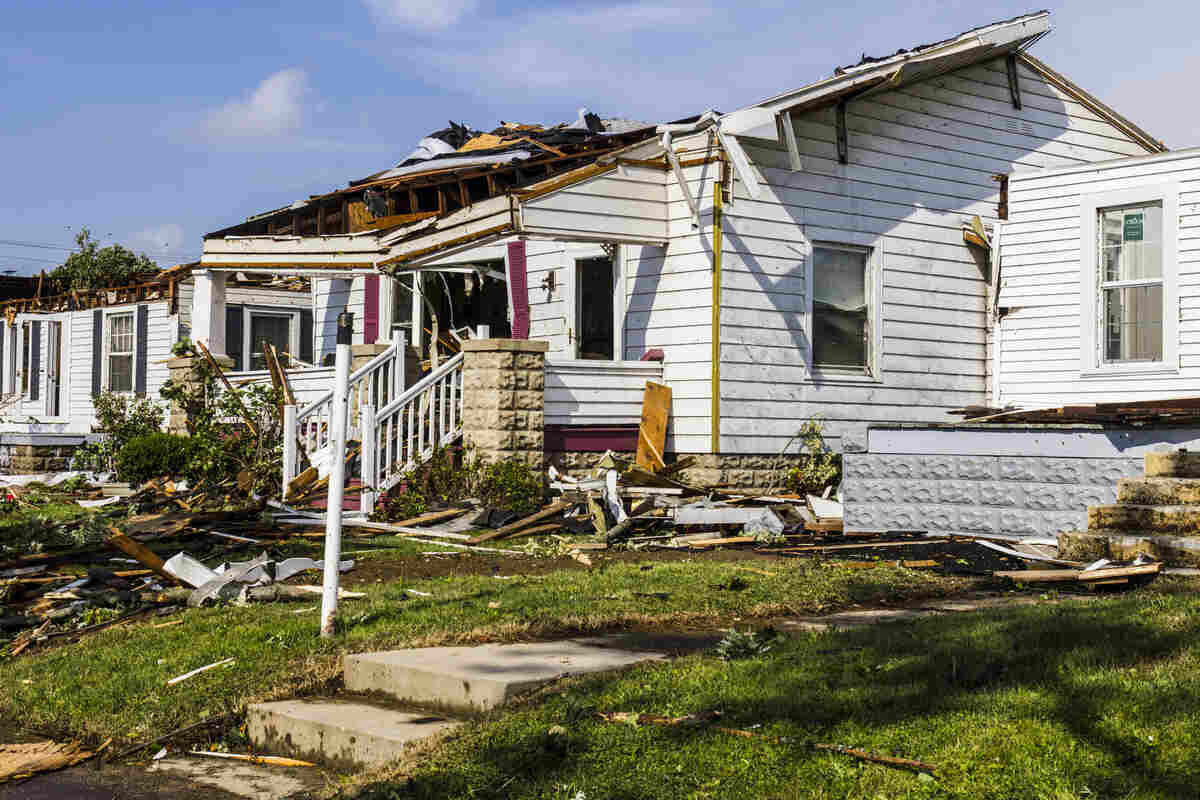
Many homeowners believe that building a resilient and sustainable home is too expensive. However, resilience to natural disasters and sustainability go hand in hand. For instance, a simple $35 roof strap to secure roofs against severe weather helps prevent a home from suffering damage.
This in turn means that less building materials are used, as the home can survive heavy winds, instead of being destroyed and requiring a rebuild.
The more resilient homes are built in terms of weather resistance, the more sustainable they are in terms of minimizing resource usage. The bottom line is thanks to preventing repeated losses of homes, sustainable features provide for significant savings in the long run.
The Need for Accessible Information
Getting accurate, accessible information to residents and builders is essential. Too often, people’s decisions are limited by the information they’ve received, which may be outdated or incomplete.
In Puerto Rico, the Colegio de Arquitectos y Arquitectos Paisajistas de Puerto Rico (the College of Architects and Landscape Architects of Puerto Rico) has started to provide easy-to-understand advice on sustainable building for homeowners, thereby reducing these cost misconceptions. However, such initiatives rarely reach enough homeowners.
As the demand for resilient housing grows, the focus on upfront costs must shift to a broader view of long-term benefits. While some additional expenses are inevitable, the cost of not building sustainably can be even higher.
Images from Depositphotos