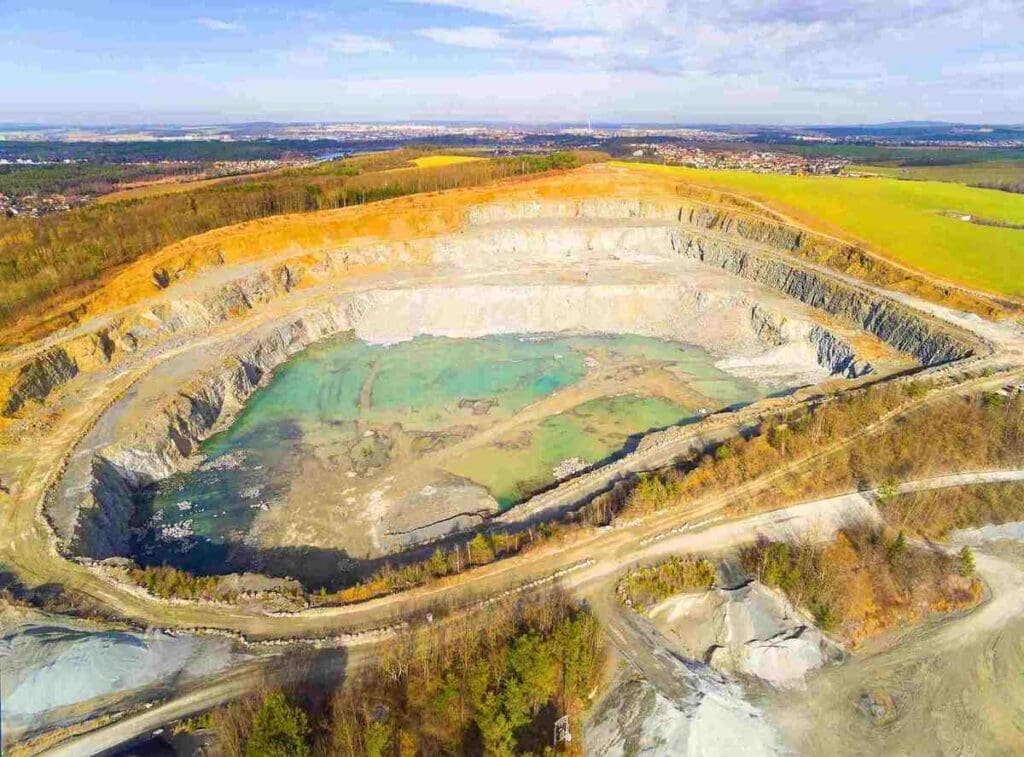
Achieving a circular economy requires using materials that are reusable or recyclable. It’s a good thing recyclers have been increasingly coming up with innovative ways to reuse and recycle materials.
We’re going to look at five of the most easily recyclable materials that are commonly found in construction as well as five that are not so easy to recycle. These materials are easy to recycle because there are many recyclers that will take them (or buy them) or they can be recycled directly on a construction site with the right machinery. There are also a number of useful products that can be made from the recycled materials and there’s a large market for those products.
1. Metal
One of the most common building materials, metal is found in structural beams, roofing, cladding, fixtures and pipes. It’s highly recyclable since it can be melted down and remoulded without losing quality. Another factor that makes it a prime candidate for recycling is its high value (making it a standout on this list).
Since it costs a lot to mine and process metal, when metal products meet the end of their life, they’re more likely to be recycled than most other materials. Copper is a prime example of this. It’s estimated that 80 percent of all the copper ever mined is still in use, which is partly because it has such a high resale value. In Canada, the most commonly recycled metal is steel with 66 percent of it being recycled. Other recyclable metals include aluminum, brass, lead and zinc.
Common recycled products – structural beams, furniture, cars, planes, ductwork, bicycle frames, cans and packaging, automotive parts, electronics, appliances.
2. Concrete
Concrete is the most commonly used building material and the second most used substance of anything in the world, only after water. Because of its extensive use combined with high resource and energy usage, concrete has a massive impact on the environment, accounting for 8 percent of global greenhouse gas emissions. So being able to recycle it is a wonderful thing.

Get the Green Building Project Checklist
Use this handy checklist on your next project to keep track of all the ways you can make your home more energy-efficient and sustainable.
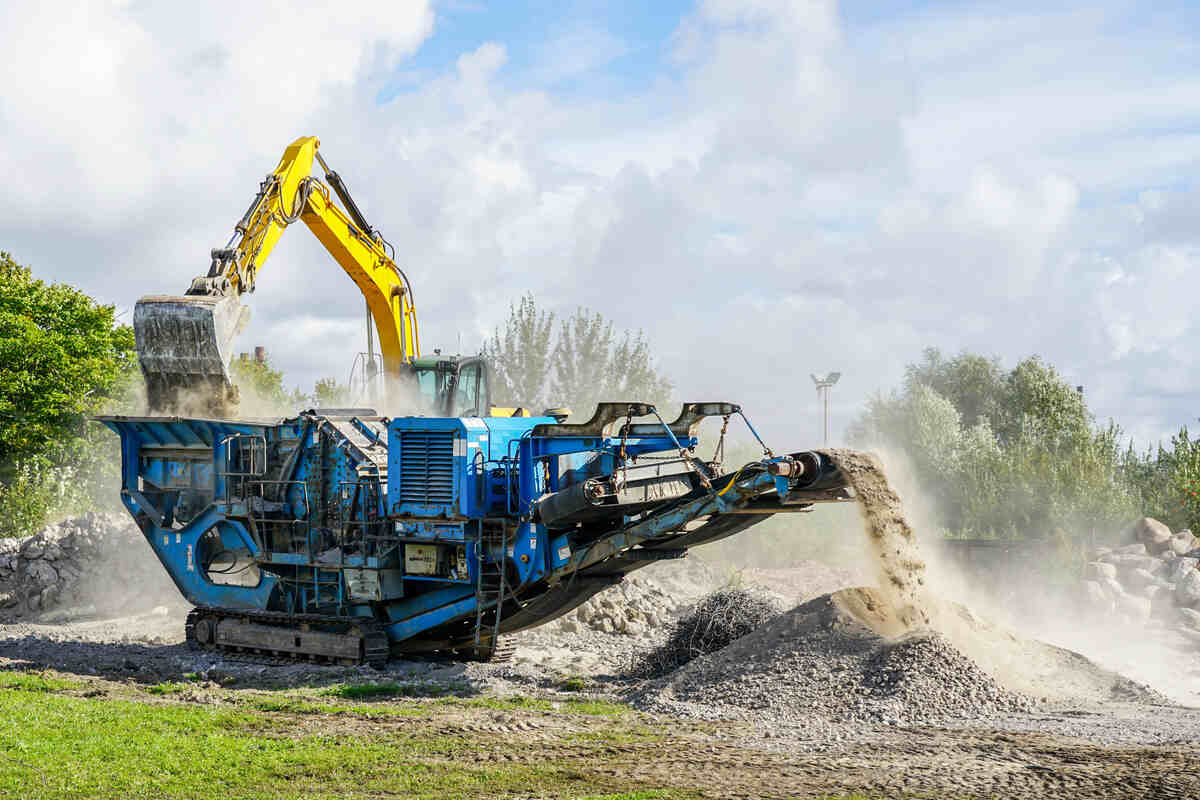
Specialized recycling facilities exist that will take concrete. Recycling it involves crushing it into smaller pieces and processing it to remove metal and contaminants, resulting in recycled concrete aggregate that can be used to make new concrete products, road base or gravel. Recycling can also be done onsite, which avoids the high cost of having this heavy material hauled away while also resulting in a useful material.
Common recycled products – Ready-mix concrete, road base, pipe bedding, landscaping materials, gravel.
3. Untreated Wood
With wood being such a common structural building material there’s a big market for it, and lots of options to recycle it. In general, treated wood (e.g. painted, stained) is not recyclable, though there are few specialized recycling facilities that can handle them. Wood is processed to remove contaminants like nails and screws and then it’s shredded into small pieces to be used in engineered wood products or for creating one of the many other products.
Common recycled products – Engineered wood, flooring, wood pellets, mulch, paper products, animal bedding.
4. Cardboard
Though it’s not used for building, with all the products that are shipped in cardboard from flooring to cabinetry, it’s one material that can easily pile up. In municipal recycling, the most common products you can recycle are cardboard, paper, metal, glass and plastic. Of those, cardboard has the highest rate of recyclability at 85 percent. Plastic is dead last on the list as only 20 percent of it actually gets recycled (even though a lot more than that gets put in the recycling box). If you have an abundance of cardboard that piles up from getting products delivered, a cardboard compactor can turn it into bales, saving space in your dumpster, which lowers your haulage costs and can potentially earn you some money.
Common recycled products – boxes, packaging, paper products, insulation.
5. Asphalt
The average driveway lasts 15 to 30 years. Roads even less than that. With all the driveways, roads and parking lots in existence that need to be replaced regularly, there’s no shortage of asphalt that can be recycled. Luckily, there’s a good demand and easy access to recycling for asphalt. Asphalt largely gets recycled into new asphalt mix for paving.
Since asphalt shingles are the most common roofing material in North America, there’s a growing number of recycling facilities that can process them. However, shingles are often discarded due to them being contaminated with nails and other materials.
Common recycled products – asphalt mix for paving, road base.
5 Common Building Materials That Are Not So Easily Recycled
Now, here’s a list of materials that are not easily recycled. The challenges with recycling these materials generally revolve around whether there’s a recycler willing to take it. If there are none, it goes to landfill. And the number of recycling facilities is largely tied to the ease with which the materials can be recycled and the value of recycling them. If there are not many good uses of a recycled material and/or if the recycling process is too complex and costly there won’t be much of a market to recycle the material.
Windows – The combination of materials in a window makes recycling somewhat of a challenge since they have to be separated. Frames are commonly made of vinyl, metal, wood or fibreglass, which have varying levels of recyclability. The window panes themselves, being made of glass could be recycled into new glass, but they often need to be processed first.
Tiles – There are a few things holding tiles back from being an easily recyclable material. They require a good amount of processing to remove contaminants like grout. They can be turned into useful materials like base for road construction or reused as aggregate in concrete, but these are not high value products. They are also heavy so transporting them is costly. Consequently, there’s not a wide availability of recycling facilities that handle tiles.
Insulation – Some types of insulation, like fibreglass, are recyclable, while others, like cellulose are typically not recycled. Another factor holding back the recycling of insulation is that used insulation is often degraded by water damage, which renders it garbage. When insulation is recycled, it’s usually made into new insulation.
Cabinets – The ease with which cabinets can be recycled depends on the type of material used for the cabinet. Metal and wood cabinets can be recycled whereas particleboard or MDF cabinets are less likely to be recycled due to all the toxic adhesives in them. Cabinets also have to be disassembled, which adds to the difficulty in recycling them.
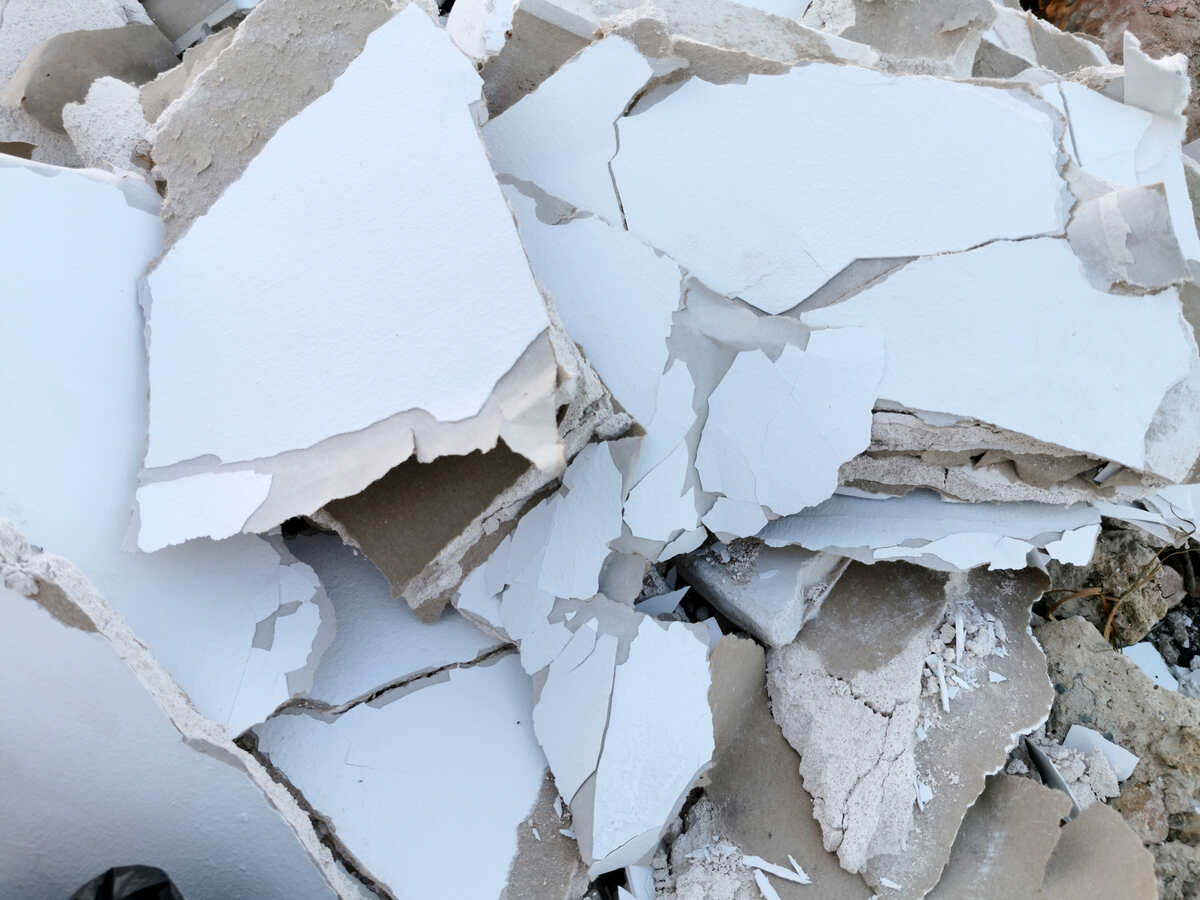
Drywall – Drywall (also known as plasterboard, sheetrock, wallboard or gypsum board) is the most common product for interior walls in Canada, accounting for about half a million tons of waste a year in Canada (or 9 percent of construction and demolition waste) so there’s a massive supply of it needing to be recycled. However, most facilities just accept new or clean drywall. The gypsum can be used to make new drywall, as an additive for concrete and plaster or as a soil amendment.
Read more on this topic in Green Building Guide to Construction & Demolition Waste Recycling