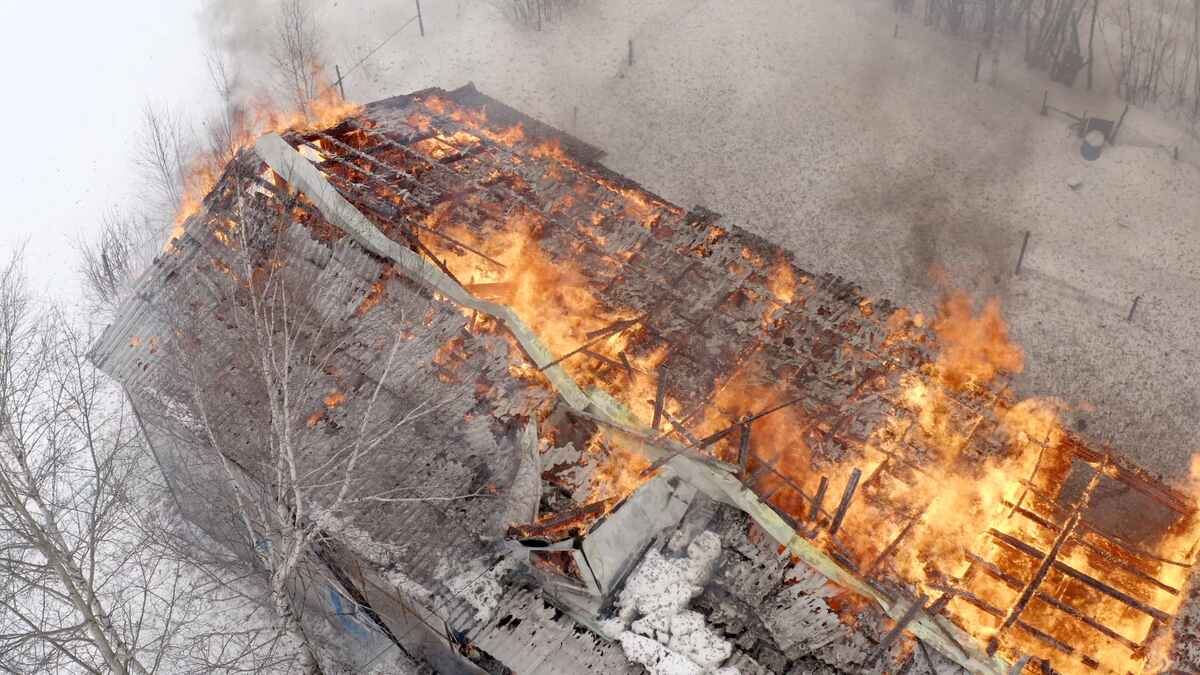
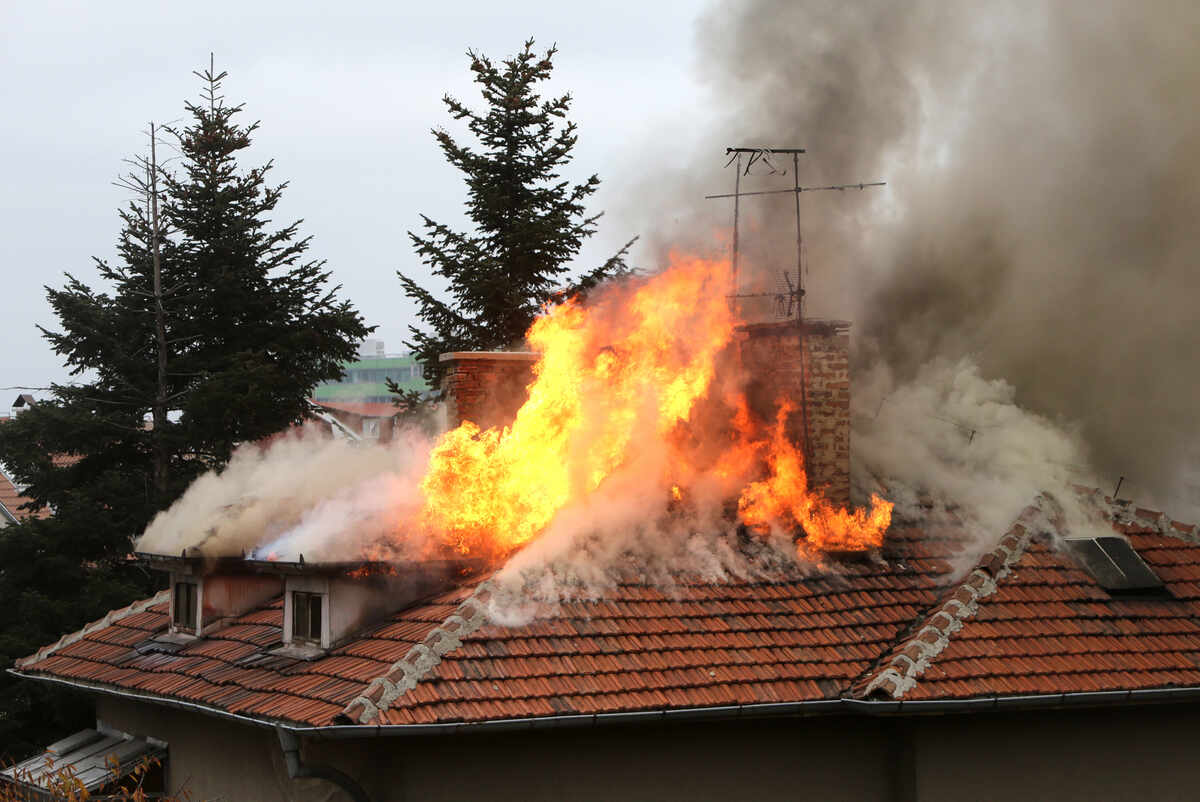
After the recent Los Angeles fires, more attention has turned to building fire-resistant buildings. And much of that attention centres around the roof as it plays an outsize role in protecting a building from fire.
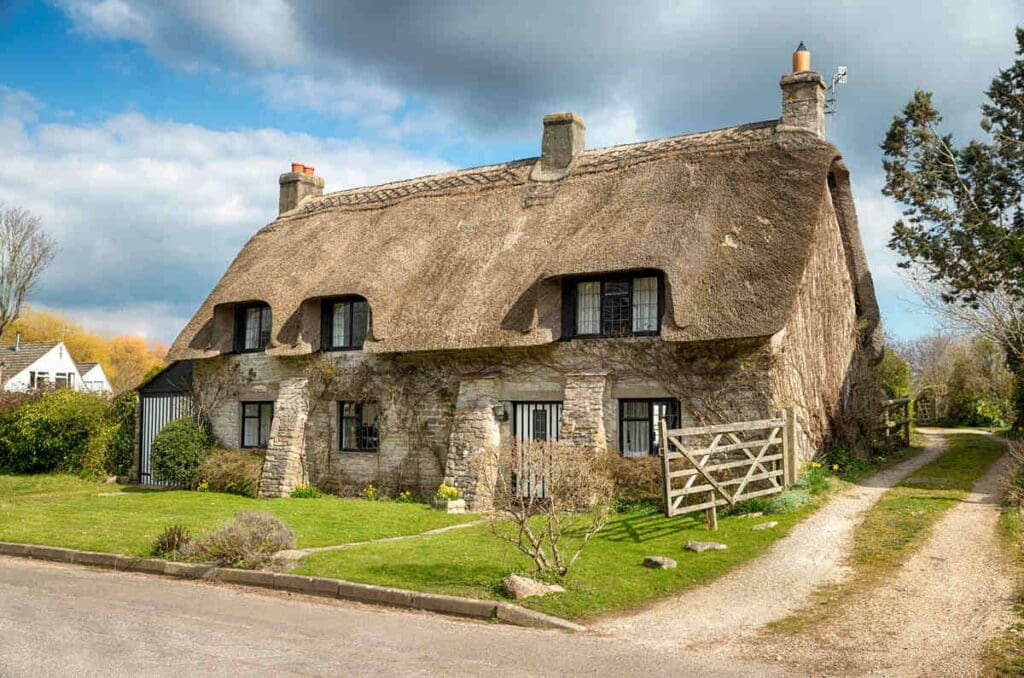
When embers become airborne with wind gusts, they can travel long distances before landing, creating spot fires far from the active blaze. Without adequate fire resistance, roofs become highly susceptible to the spread of fire, as they provide large surface areas for embers to land, often with architectural designs that trap and hold cinder.
According to FireSmart BC, a multi-governmental organization focused on wildfire education and preparedness, “Embers on average travel as far as 2 kilometers before falling, still capable of instantly igniting the right fuel. There have also been documented instances of embers traveling 17 kilometers!”
How Is Fire-Rating Classified?
Before we discuss the specific material, we must first understand how fire resistance is rated. The fire rating system classifies roofing materials based on their ability to withstand fire exposure and prevent the spread of flames. Ratings are determined through rigorous testing by organizations like the ULC Standards and Standards Council of Canada (SCC), which evaluate how materials respond to direct flame, heat and ember exposure. In Canada, CAN/ULC-S101 is the standard fire test method.
Fire Ratings: Class A, B and C
Class A – Represents the highest protection available and can withstand fire exposure for at least one hour. Roofing materials with this rating can prevent flame spread, reduce the risk of roof ignition and withstand severe exposure to fire for the longest duration. Class A roofing is strongly recommended for homes in wildfire-prone areas to enhance fire resistance and reduce risks from flying embers. Class A materials include slate, metal, clay, concrete tiles, asphalt shingles, and synthetic roofs.
Get the Green Building Project Checklist
Use this handy checklist on your next project to keep track of all the ways you can make your home more energy-efficient and sustainable.
Class B – Offers moderate protection and can withstand reasonable fire exposure (approximately 30 minutes) but may ignite under prolonged heat. Materials in this classification often include pressure-treated wood shakes and some composite materials.
Class C – Provides the lowest protection and can withstand only light fire exposure, represented by only a few minutes. Materials in this class burn quickly, including untreated wood shingles and lower-quality synthetic materials.
What Is the Best Fire Resistant Roofing Material?
While the jury is still out on the most fire-resistant roofing material, many consider slate tile superior. Ultimately, any Class A material will provide good fire resistance, but in addition to this feature, slate is naturally non-combustible and visually appealing. One of its fire-resistant properties includes enduring extreme heat without degrading.
Unlike other materials that may ignite, melt, warp, crack or emit toxic fumes under intense temperatures, slate remains completely intact, holds its integrity, doesn’t release harmful chemicals and doesn’t contribute to secondary fire risks when subjected to intense heat.
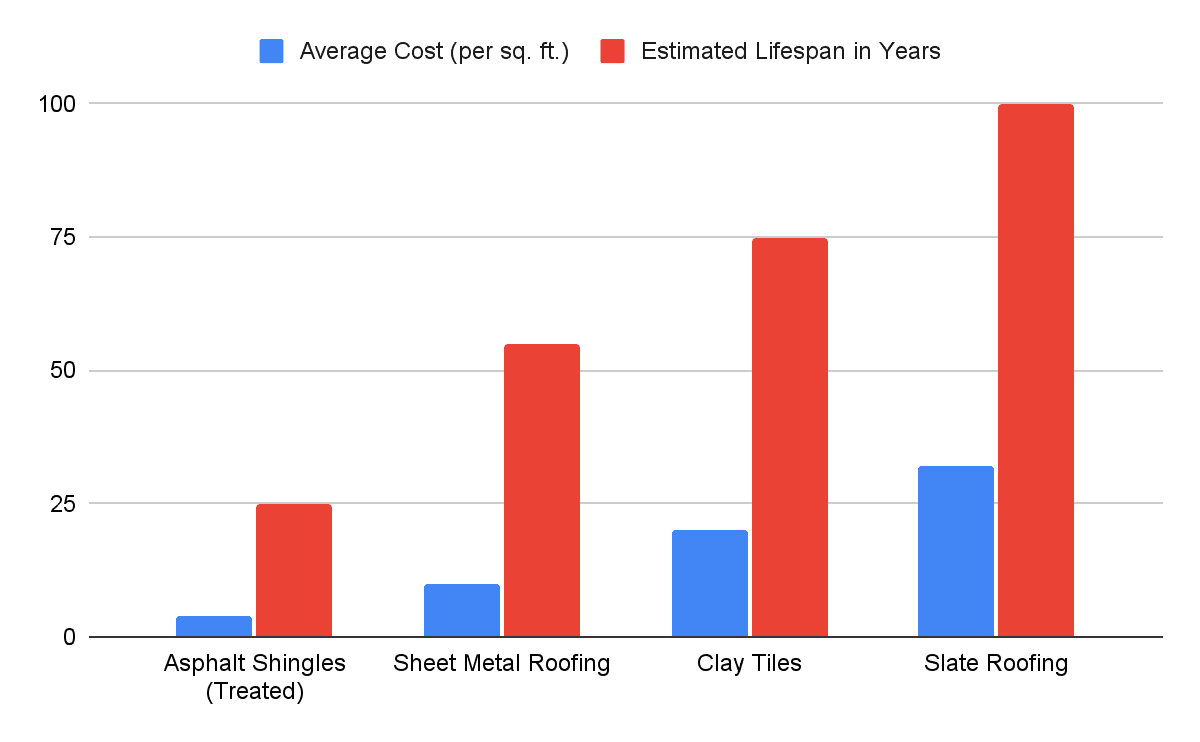
Beyond fire resistance, slate is exceptionally durable, often lasting 50 to 150 years with proper maintenance, far outliving most other roofing materials. However, slate represents the highest end of the roofing market, with supply-install costs ranging from $25 to $40 per square foot due to the product’s specialty nature and the installation’s difficulty.
Other Class A Roofing Materials
In addition to slate, various fire-resistant roofing materials, including asphalt, metal and clay, provide ample fire protection and hold a Class A rating.
Asphalt Shingles (Treated for Fire Resistance)
When treated with fire-resistant coatings, asphalt roof shingles can earn a Class A rating, making them popular in many residential applications. They are an affordable ($4 to $10 per square foot) and standard option for homeowners in many North American markets. Yet, the cost-benefit comes with some trade-offs: They offer a shorter lifespan of between 15 and 30 years, compared to premium alternatives such as slate, clay or metal. Additionally, their petroleum-based composition has higher embodied carbon and lower sustainability, meaning they are less environmentally friendly over the long term.
Metal Roofing
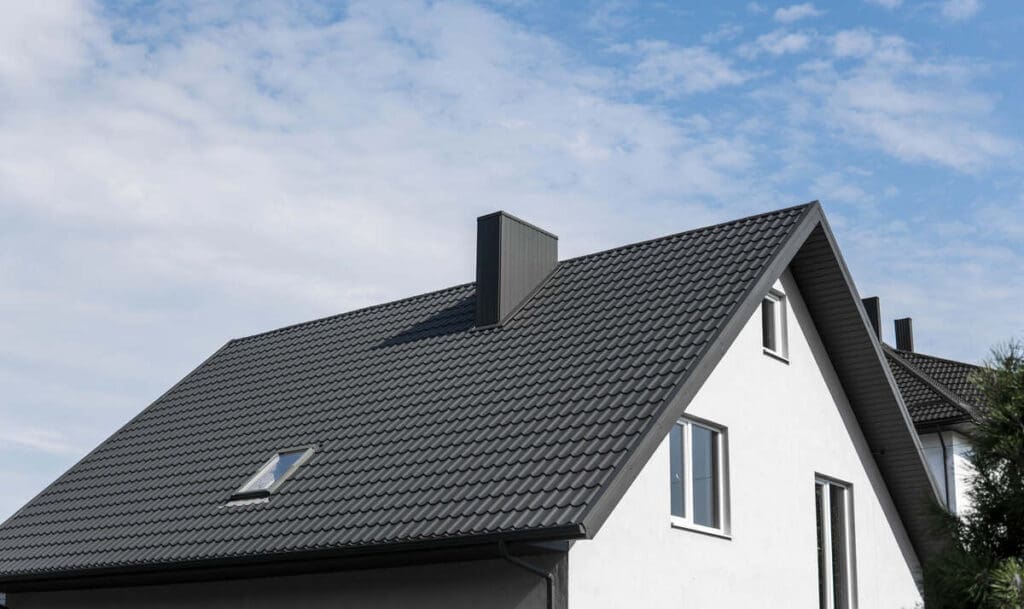
Sheet metal roofing also achieves a Class A fire rating and balances performance and cost. Depending on the location, a well-installed metal roof can last 40 to 70 years. One of the standout benefits of metal roofing is its recyclability, making it an excellent option for environmentally conscious people. At a medium cost of $8 to $20 per square foot, sheet metal provides a long-term investment that combines practicality with sustainable attributes.
Clay Tiles
Clay tiles are a natural, non-combustible roofing material that easily qualifies for a Class A rating and a high sustainability score. Their inherent durability is evident in their lifespan, which ranges from 50 to 100 years. Like slate, clay tiles offer a great long-term solution for homeowners investing in quality and endurance. However, they are also at the higher end of the cost range, at $15 to $25 per square foot installed.
Comparing Cost to Lifespan of Different Roofing Materials
Finding the Right Fire-Resistant Roof
When choosing the right roofing material, homeowners should consider fire resistance, cost, lifespan and sustainability. While slate offers the pinnacle of fire resistance and durability, its high expense won’t suit the average budget. Meanwhile, asphalt shingles provide a more affordable entry point into fire-resistant roofing, even though they typically have a shorter lifespan and less than impressive environmental credentials. Metal and clay tiles each present unique benefits that may appeal to different priorities.
Ultimately, the best choice of fire resistant roofing material will depend on the specific needs of the building, client budget and environmental conditions, ensuring the roof remains a resistant barrier against the ever-present risk of wildfires in our changing environment.
Images from Depositphotos